It’s said that a fearsome monster named Bowser dwells in a castle hidden within the depths of Google’s second page. He emerges periodically to abduct unsuspecting first-page listings (and the occasional princess), dragging them back to his lair never to be seen again… until today!

Prepare to embark on a thrilling quest in Super Marketing Bros! Today, we’ll master the art of combining SEO and PPC to supercharge your marketing endeavors and liberate those captive listings from Bowser’s clutches. Let’s dive in!
The Rescue Begins!
Our mission today is to liberate Bowser’s latest victims. Super Mario Plumbing, a family-run business operating in the fiercely competitive Mushroom Kingdom market, is our top priority. Mario and Luigi, who inherited the business after their father’s unfortunate encounter with a carnivorous plant, are desperate for our help. Bowser has also taken the kingdom’s beloved Princess Peach along with their listing!
PRESS START: Decoding SEO & PPC
Before we charge into battle, we need to understand our weapons: SEO and PPC. Both fall under the umbrella of “inbound marketing,” strategies designed to make your business easily discoverable by potential customers. PPC and SEO ensure your visibility when someone searches for your company, product, or service.
What Is SEO?
SEO, or search engine optimization, is the art of strategically structuring your website and other online assets to inform search engines about your identity and offerings. In return, search engines display your site to potential customers through “organic listings” – results that are not paid advertisements. While SEO doesn’t involve a direct cost per click, it demands a significant investment of time.
What Is PPC?
PPC, short for pay-per-click marketing (also known as SEM, or search engine marketing), involves purchasing a coveted spot on the first page of search engine results, typically through real-time keyword auctions. Unlike SEO, PPC delivers rapid results. As soon as your ads go live, potential customers see your business in their search results.
So, Which Strategy Reigns Supreme?
Trick question! For years, the Super Mario Bros. Plumbing team has been making a common error: pitting Mario and Luigi, along with PPC and SEO, against each other. The first step to reclaiming their listing is recognizing that both PPC and SEO have strengths and weaknesses that, when combined, create a formidable marketing force. Let’s delve into this synergistic approach and why it’s the ultimate key to success.
The “Combined” Game Plan (Recommended by Most Marketing Agencies):
- Launch impactful, competitive PPC campaigns.
- Focus SEO efforts on ranking for keywords that are proving successful in your PPC campaigns.
- Gradually scale back PPC spending and rely on SEO-generated leads. Upon closer examination, this “combined strategy” isn’t truly combined at all! By maintaining a strict separation between SEO and PPC, you risk missing out on valuable opportunities and potentially increasing your overall costs. Let’s explore a superior combined strategy that harnesses the strengths of both.
Level 1: Laying the Groundwork – Optimizing for SEO and PPC
Our first move is to enhance existing marketing efforts in a way that benefits both SEO and PPC.
Google My Business Optimization
One common oversight is neglecting the optimization of Google My Business profiles. This panel, appearing on the first page of Google search results when someone enters your company name and city, is crucial. Consider the internet as a virtual world; your Google My Business profile acts as your virtual storefront. It’s the first impression, the curb appeal that can entice potential customers. Optimizing this panel is paramount for both SEO and PPC. For SEO, it builds trust with search engines, validating your business’s legitimacy. For PPC, information from your Google My Business profile can enhance your campaigns through location extensions.
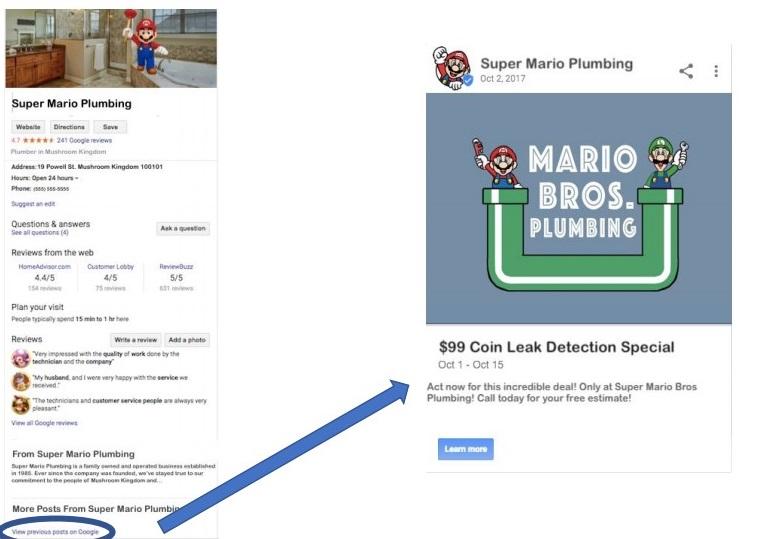
When it comes to specific optimizations, prioritize those that align with your business. For instance, a plumber might find a “Book Now” button beneficial, while a candy store might not. Consistency is key: ensure your name, address, and phone number are identical to those on your website.
Mobile Speed Optimization
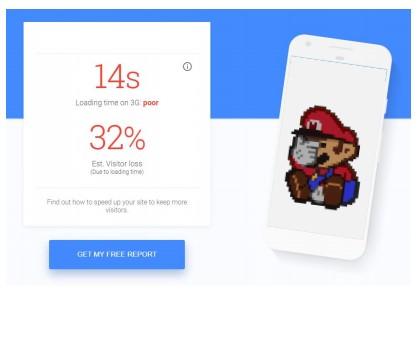
Next, we’ll focus on mobile performance. Mobile-friendliness is a critical ranking factor for SEO and significantly impacts PPC quality scores. These improvements are especially crucial for businesses targeting voice search.
Level 2: SEO and PPC – A Dynamic Duo
While often viewed as separate entities, SEO and PPC can work in perfect harmony. By understanding their respective strengths and weaknesses, we can craft a unified strategy that elevates our overall online marketing.
Using PPC for SEO Keyword Research
Did you know that only 5.7% of new web pages achieve organic ranking within their first year? Given the lengthy optimization process involved, gathering as much information as possible before investing resources in ranking a page is essential. We want to prevent Mario and Luigi from wasting time on content targeting “Why Mario Loves Peach” if it won’t convert! Analyzing PPC data provides invaluable insights into keyword selection. Here’s how:
- Examine high-converting ad copy and adapt it for your landing page.
- Conduct A/B tests on PPC campaigns to experiment with different page structures (e.g., form layouts, CTAs) and implement the winning variations on your website.
- Analyze search volume and engagement rates for specific keywords before dedicating SEO efforts to them.
- Evaluate the competitiveness of the PPC landscape to gauge the level of SEO competition you might face. While not always a direct correlation, it can serve as an indicator. As you fine-tune your PPC campaigns, you might uncover ways to reduce PPC costs while simultaneously informing your SEO strategy!
Increasing Time on Site
It’s no secret that attention spans in the Mushroom Kingdom are notoriously short. While providing valuable content is paramount, we also want to keep users engaged, as time on site is a crucial SEO ranking factor. If a page with low time on site is struggling to rank, PPC can be the boost it needs. Let’s leverage existing data:
- In your analytics, review the average time spent on each page.
- Revisit and potentially revamp older pages, identifying relevant keywords within the content.
- If your site traffic allows, create a list of users who spent significant time on a particular page with successful content.
- Run PPC ads targeting the underperforming page, using retargeting to reach the audience segment that engaged with the successful content.
- Consider adding the struggling page as a sitelink within your branded campaigns. This strategy aims to connect the right content with the right audience. Users who have previously found your content engaging are more likely to dedicate their time to exploring other pages on your site.
Building a Strong Brand Presence
You might be thinking, “Why pay for ads targeting my own brand when organic listings should handle those searches for free?” It’s a valid question! After all, when someone searches for your brand directly, they’re demonstrating a strong intent to connect. So, how can PPC elevate your branding without breaking the bank? Start by defining your branding goals. Prioritize SEO for long-term branding elements that are unlikely to change, and exclude related search queries from your PPC campaigns. Focus SEO efforts on:
- Your company name
- Your mission statement
- Founder information
- Location Leverage PPC for short-term branding initiatives and showcasing your brand’s personality. Consider running PPC campaigns for:
- Press releases
- Promotions
- Awards and recognition
- Charity work and community involvement
- Seasonal offers If nothing else, a well-placed PPC campaign can bump a competitor off the first page of search results for your brand name.
Combating Negative Press
While we certainly hope you’re not facing accusations of princess kidnapping, negative press can happen. If it does, PPC can be your first line of defense. Here’s your action plan:
- Compile a list of keywords potential customers might use to find information about the incident. Pay close attention to recurring questions or concerns.
- Craft compelling content that addresses those questions head-on and presents your solutions. Launch a PPC campaign targeting those specific keywords.
- Incorporate sitelinks into your other ads to maintain transparency across all campaigns.
- By strategically placing your ads, you ensure that potential customers see your side of the story first, shaping their perception.

Level 3: Safeguarding Your Success
As with any inbound marketing endeavor, ongoing optimization is the key to lasting success. Rescuing your online presence, particularly on the SEO front, is an ongoing effort. It’s wise to review your strategy at least quarterly, revisiting your keywords, content, and scheduling to make sure you’re maximizing the power of both SEO and PPC. Congratulations on rescuing both the princess and your listing!