Have you ever opened the tab switcher on your smartphone and been surprised by all the different things you searched for recently? We use Google for so much, from researching health problems to finding hose patches to browsing houses for sale. This gives businesses many chances to reach their ideal customers.
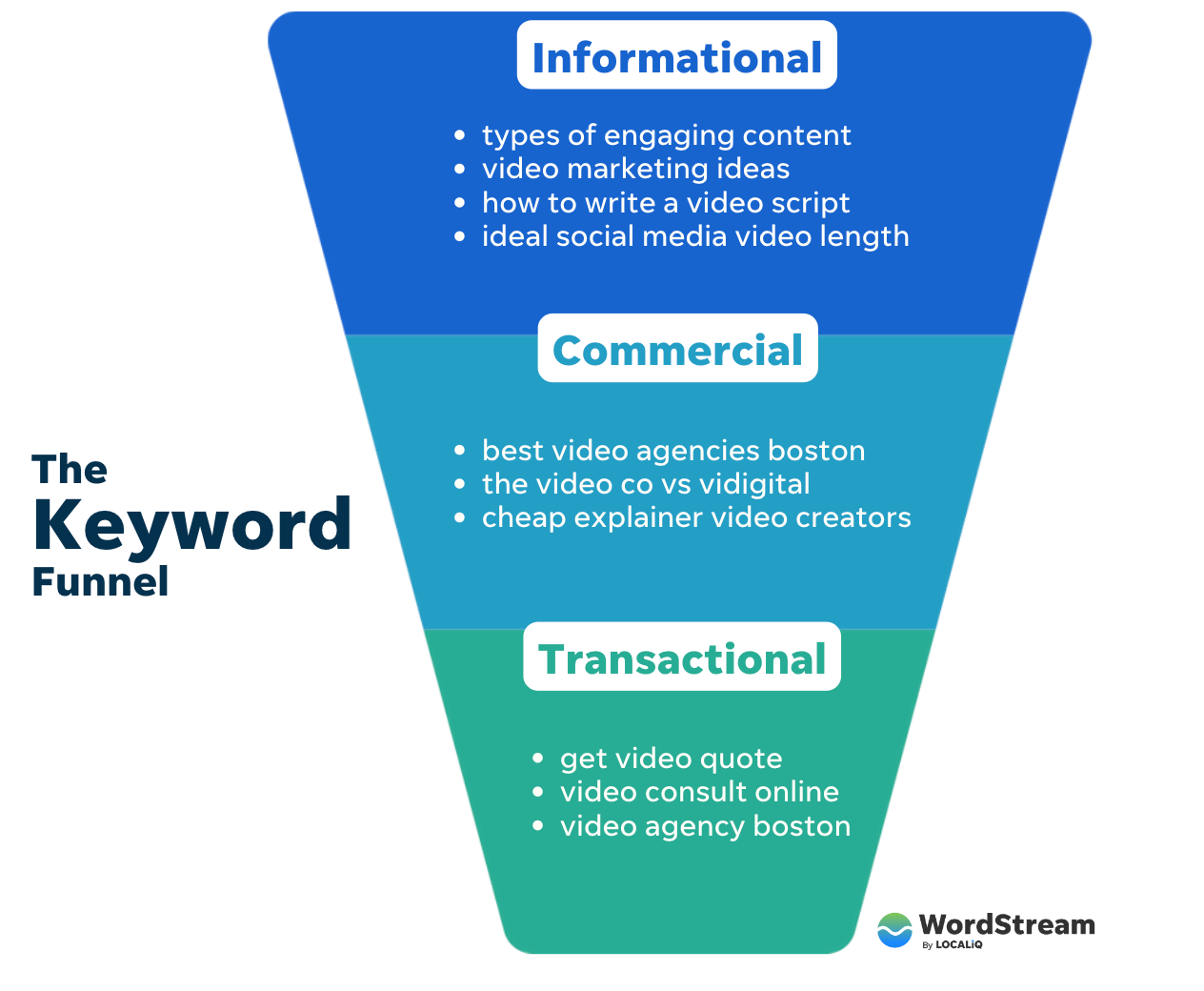
However, the reasons people search using certain keywords are just as varied as those search histories. Commercial intent keywords are the most valuable to your business, but they aren’t universal. This article will explore commercial intent keywords and how to use them effectively in your marketing.
Table of contents
- What are commercial intent keywords?
- Why is keyword intent important?
- Examples of commercial intent keywords
- Keyword volume vs intent
- How to find them for your business specifically
What are commercial intent keywords?
Commercial intent keywords are search terms used by consumers who are ready to buy or are researching to make a purchase. They are essentially clear signals from potential customers indicating a desire to purchase your products or services. They are telling you that they are ready to spend money and are interested in what you offer. To understand this better, consider the four types of search queries:
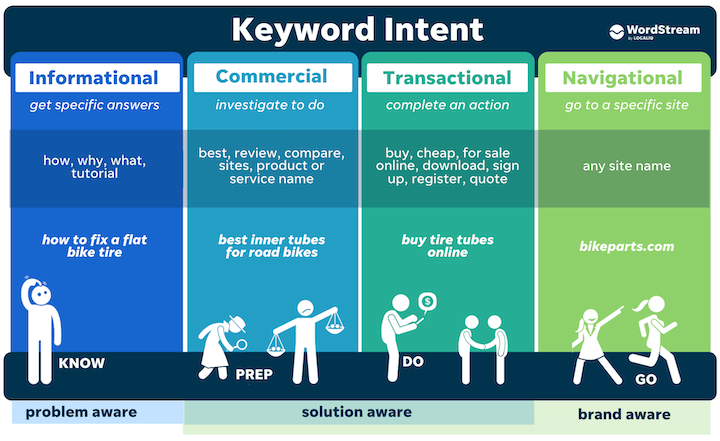
- Informational: Seeking answers or information
- Navigational: Trying to find a particular website
- Transactional: Wanting to make a purchase
- Commercial: Researching or comparing products/services before buying Commercial and transactional keywords often overlap. When you see keywords as signals from potential customers, these two types are the most promising.
The importance of keyword intent
Keywords vary greatly. While they all share the commonality of being entered into search engines by users, their underlying objective can differ significantly. This is what we mean by keyword intent. For instance, someone searching “do i need a lawyer?” has a different goal than someone searching “workers compensation lawyer san diego.” Therefore, how you engage with your target audience for a specific keyword should align with the user’s intent behind that keyword. For the first example, a blog post or checklist might be suitable. Your content marketing strategy helps you connect with the customer early, make a good first impression, and build trust. They may return later when they need your services. In the second case, this individual is likely a hot lead, making it a perfect use case for PPC advertising. You can secure top placement for your targeted ad and are willing to pay to acquire that lead. So, if you’re looking to succeed with intent marketing, what kinds of keywords can be considered to have high commercial intent?
 Which keywords are burning your budget?
Get a free account audit with our Google Ads Performance Grader to find out!
Examples of commercial intent keywords
While there are many commercial intent keywords, some are more powerful than others. Firstly, we can categorize high commercial intent keywords into two main groups: “buy now” keywords and “product” keywords. Let’s explore what this means and how they differ.
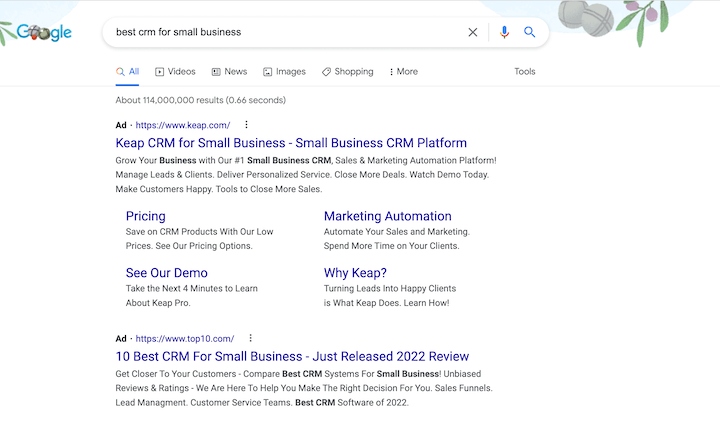
Investigative commercial intent keywords
These terms are used by individuals who are aware of solutions or brands and want to learn more about their options. Modifiers commonly used with these keywords include:
- Affordable
- Best
- Cheapest
- Comparison
- Review
- Top
- Vs
Buy now commercial intent keywords
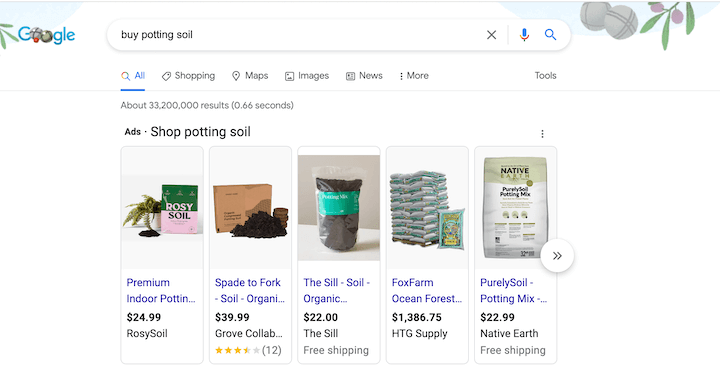
These are technically transactional intent keywords, but as previously mentioned, the lines between transactional and commercial can blur. This category signals a prospect’s immediate readiness to make a purchase. They’ve decided to buy and are seeking the best offer. “Buy now” keywords often include:
- Buy
- Order
- Discount(s)
- Deal(s)
- Coupon(s)
- Free shipping “Buy” and “order” are the strongest indicators, clearly demonstrating the user’s intent to purchase. The others are also strong signals, but they suggest that the prospect is looking for incentives or ways to differentiate your offering from competitors.
Local commercial intent keywords
Certain keywords combine commercial and local intent, such as:
- Open now
- Near me
- [Product/service name] + location
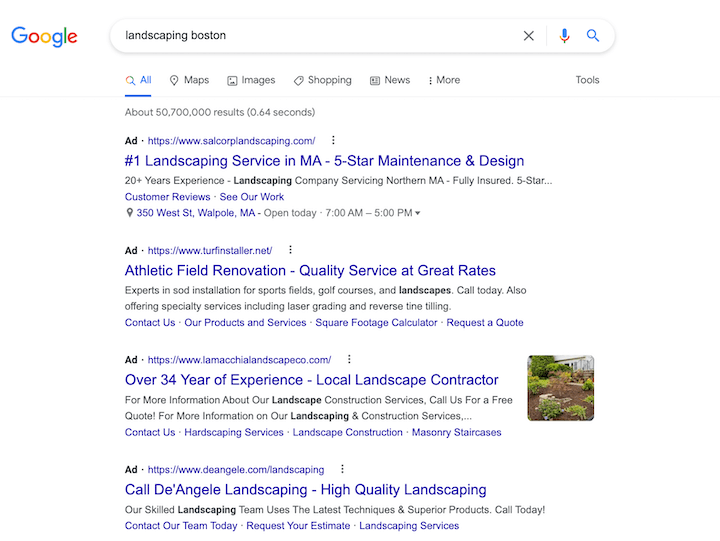
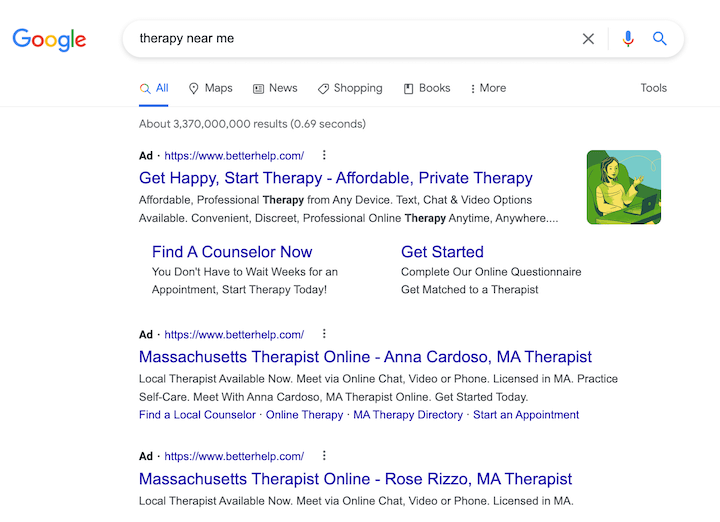 These keywords are relevant for Google Ads bidding, but you can also leverage them through local SEO and Google Local Services Ads. For example, the search “landscaping boston” displays search ads:
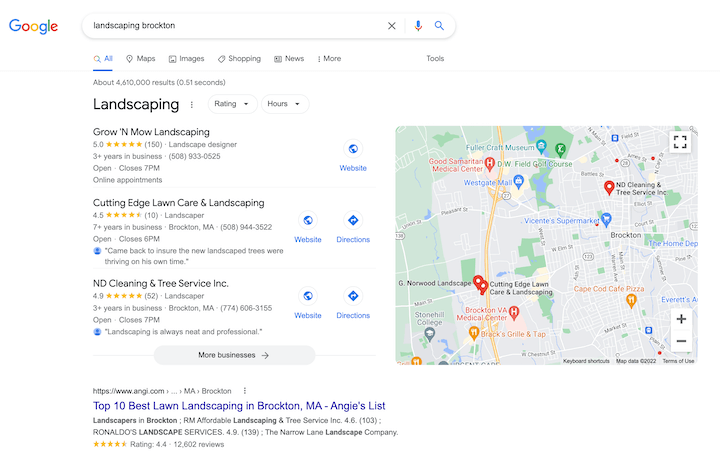
 However, in a smaller city, you might only see Google Business profiles and local listings. In this case, prioritize optimizing your Google Business Profile and local listings.
Product/service commercial intent keywords
The next most valuable commercial intent keywords are “product” keywords. These keywords typically have high conversion rates, but prospects using them might need a little more convincing to purchase immediately compared to those using “buy now” keywords. “Product” keywords include:
- Branded searches (Dell laptop)
- Specific products (iPhone 5c)
- Product categories (insect repellent, beach accessories) Commercial intent keywords for services include:
- Rent
- Hourly rate
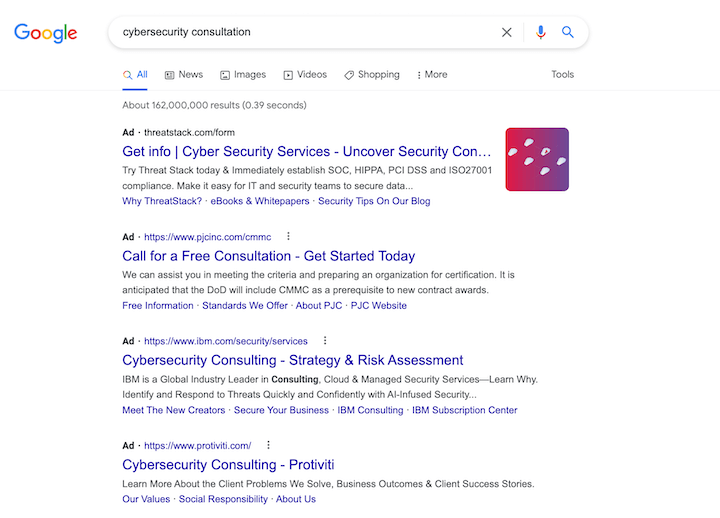
- Consultation
- Free trial
- Service, agency, company, firm (tax prep services, advertising company)
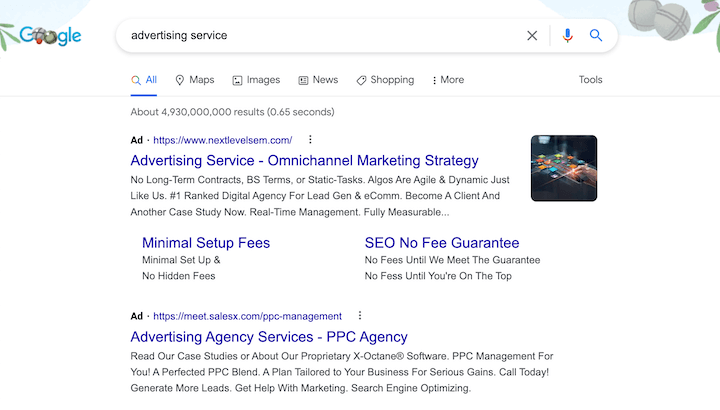 The value of these keywords depends on your specific business. For instance, product-specific and branded keywords are highly competitive but convert well. While “comparison” and “review” keywords might not appear as strong, they can still drive conversions. The intent to purchase is present – the prospect might require more effort from you.
Lead vs product searches
When listing product keywords, it’s crucial to distinguish between lead and product searches. For example, in the lawyer example below, the searcher isn’t ready to hire immediately. While they are a hot lead, they might need to contact the business for further discussion.
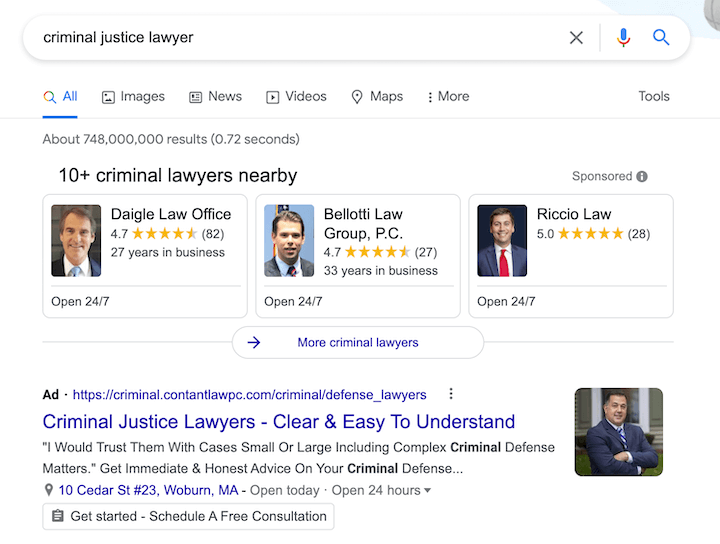 Therefore, “best” might be the strongest product keyword for a service business like a worker’s compensation attorney (along with “free consultation”). Product searches, however, are often completed online and focus on a specific product. Keywords like “affordable” and “cheapest” are likely to be most effective (and fiercely competitive) here.
Why are commercial intent keywords more valuable than high-volume keywords?
Many businesses invest heavily in maximizing visibility. While high traffic is beneficial, it’s important to consider whether it translates into conversions. Unless your website relies on ad revenue, high-traffic keywords aren’t very valuable if they don’t lead to sales. This doesn’t mean disregarding large keywords with less commercial intent entirely, but consider targeting them with organic content higher up in the purchasing funnel.
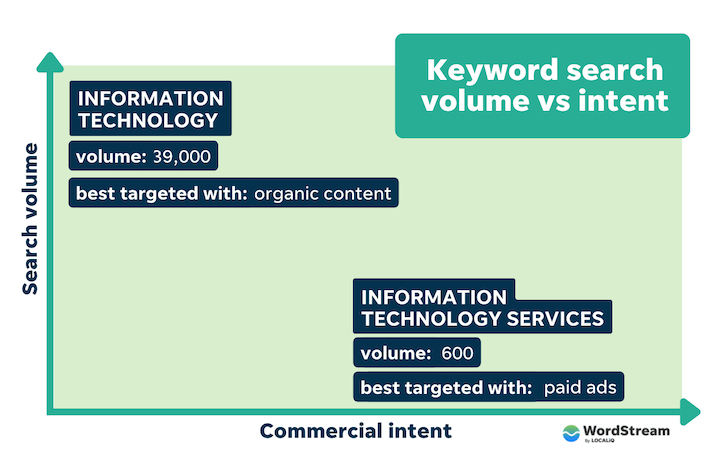 On the flip side, high commercial intent keywords are ideal for paid search campaigns for several reasons:
- Paid search ads secure prime visibility at the top of search results.
- They allow for optimization based on cost-per-click, cost-per-lead, cost-per-conversion, and other metrics.
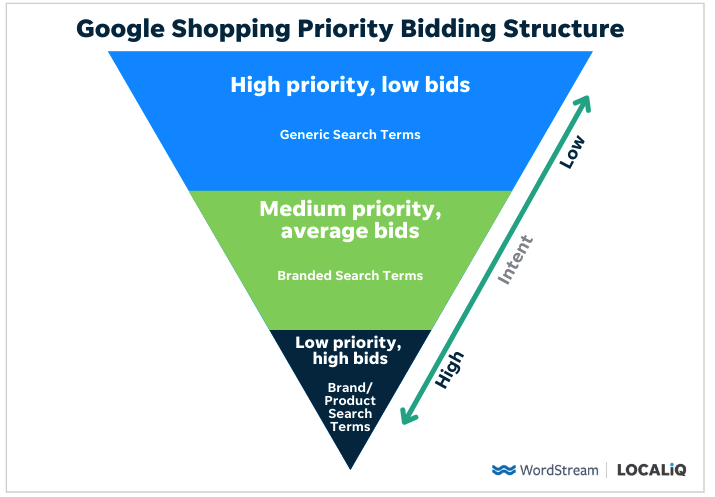
- Ad formats like Shopping Ads are highly appealing to commercially-minded searchers and attract users ready to buy. While you can’t directly target keywords with shopping ads, you can use the priority feature to allow Google to adjust your bids based on intent.
How to find high commercial intent keywords
When it comes to commercial intent keywords, there’s no one-size-fits-all solution. So how do you identify these keywords for your business? There are multiple approaches to identifying high commercial intent keywords, regardless of your business type or desired conversion goals. Let’s explore a few:
1. nexus-security’s Free Keyword Tool
Start your keyword research with nexus-security’s Free Keyword Tool. Input a seed keyword, along with your industry and location (optional).
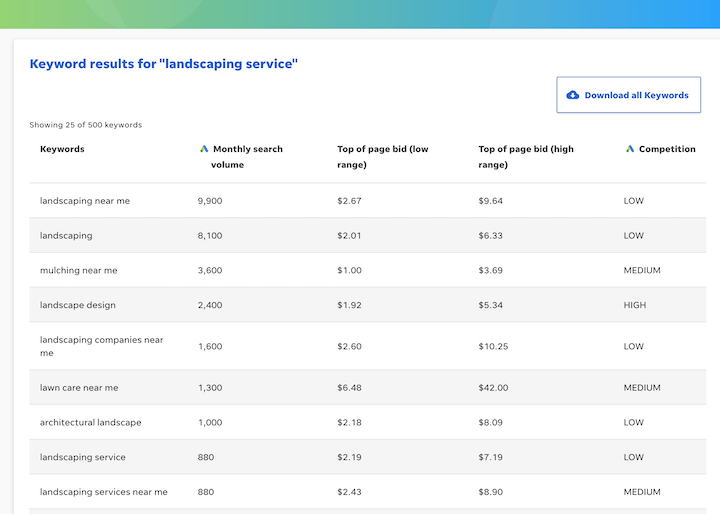
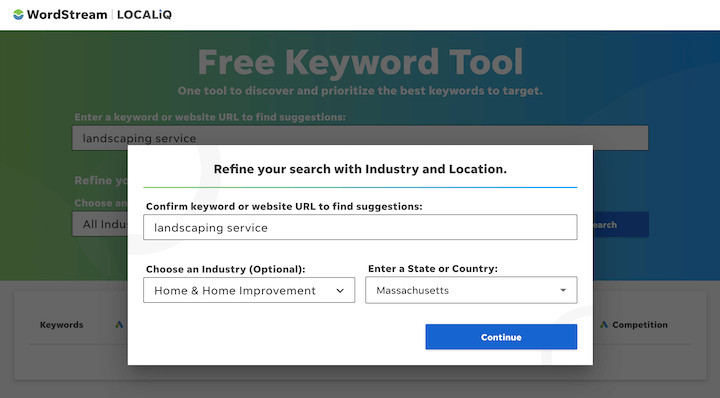 You’ll get results showing monthly search volume, top-of-page bid, and competition level.
2. Google Ads Keyword Planner
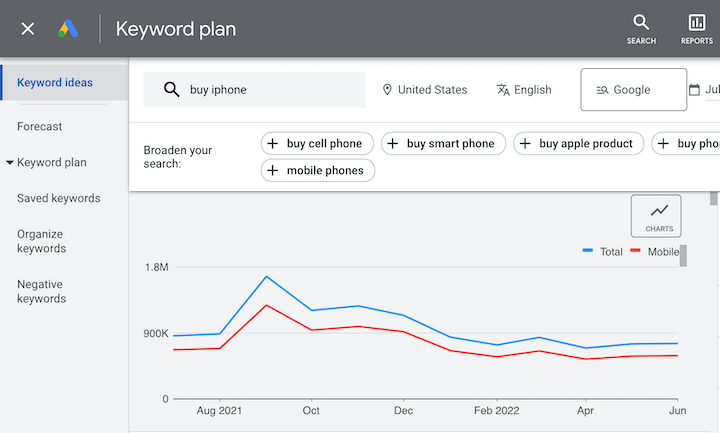
Unsurprisingly, the Google Ads Keyword Planner is an excellent resource for identifying commercial intent keywords. You can find it under the “Tools and Settings” tab by selecting “Discover new keywords.” Enter your product or service in the search field. In this example, I used “buy iPhone,” a fiercely competitive and product-specific keyword. You’ll see a graph of search volume trends, highlighting the spike in September during Apple’s annual event.
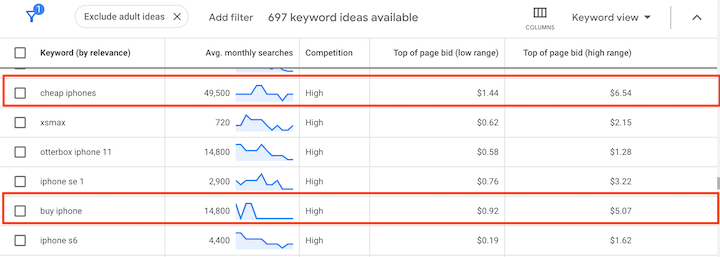
Scroll down further, and you’ll find keyword ideas to help you pinpoint high commercial intent keywords. In the figure below, notice how “buy iphone” and “cheap iphones” have the highest suggested bids? This is because they are high-value commercial intent keywords with intense competition.
3. Google Analytics
Another valuable tool for determining conversion-driving keywords is Google Analytics. Navigate to Acquisition > Google Ads > Keywords to see your top-performing keywords and their relationship to your conversion goals.
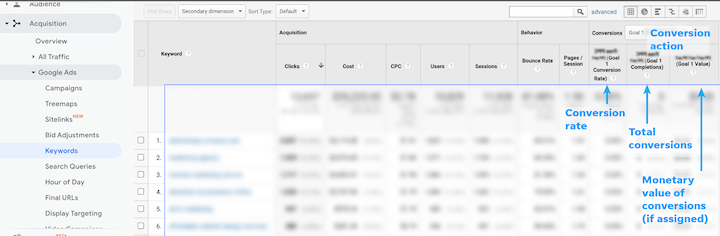
- The leftmost column displays your top 10 (by default) keywords.
- Use the dropdown menu circled in the figure above to select the goal you want to measure against.
- The three columns under your chosen goal represent: the conversion rate (column one), the total conversions (column two), and the monetary value of those conversions (column three).
- If monetary values aren’t assigned to your goals, column three will show all zeros. What does this information tell us? Firstly, your top-performing keyword might not necessarily be the one driving the most conversions. In the above figure, the top keyword brought the most traffic but the third keyword had the highest conversion rate. Now that you understand how keywords affect conversions, ask yourself: How many high commercial intent keywords are in your top 10? If you don’t see any, consider adding some to your Google Ads account. Even if your top performers are doing well, think about how much better your conversion rate could be by targeting high commercial intent keywords as well. Of course, this might affect your budget. As we saw with the “iphone” example, high commercial intent keywords often have higher suggested bids and CPCs. Keep this in mind when choosing your strategy.
Commercial intent: Show me the money
Targeting high commercial intent keywords can significantly boost your click-through rates and help you focus on what truly matters – conversions. Incorporate these keywords into your Google Ads account and watch your sales grow.