Is that same old sales pitch getting to you? You know the one: “Our marketing strategy is based around attracting website visitors and nurturing them into qualified leads down the sales funnel to a point of sale.” – Dinosaur

It sounds great in theory—like everything goes according to a neat and predictable plan. But in the real world, especially in the 21st century, modern buyers don’t always follow that script. I used to believe in this linear approach, but when I started thinking about my own buying habits, I realized how flawed this model really is. The truth is, whether you’re in B2B or B2C, the traditional sales funnel is becoming outdated. I say “becoming” because, sure, some people still follow that path—visiting a website, subscribing to emails, and eventually becoming a customer. It happens. But assuming that every lead follows this linear journey means missing out on a ton of potential customers. (This is where remarketing comes in, but more on that later.) Before we dive into the potential of remarketing, let’s debunk two major misconceptions about the traditional sales funnel.
Misconception #1: Assuming Only One Person Makes the Purchase Decision
This is particularly relevant in B2B sales. As market research firm International Data Corporation (IDC) points out, the average B2B deal has over 8 decision makers.Even in B2C, where there’s usually a single buyer, the decision-making process is rarely a solo act. Think about it: A friend’s opinion, online reviews, and even social media can heavily influence a buyer’s choice. Picture two friends shopping for clothes. One asks the other, “What do you think of these shoes?” That answer, whatever it is, will likely shape the buyer’s perception of the shoes, even if it doesn’t completely determine whether they buy them. Many shoppers also rely on online reviews to guide their purchasing decisions. It varies depending on what they’re buying, of course.
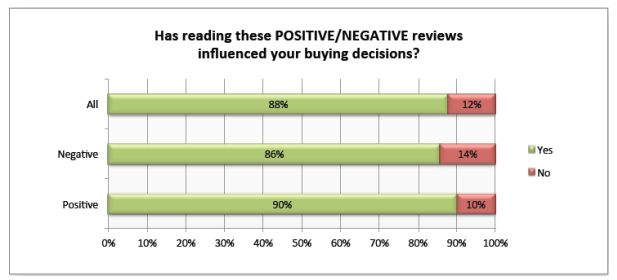
Dimensional Research, 2013 Forbes notes that 81% of US respondents indicated that friends’ social media posts directly influenced their purchase decision.This highlights how much our decisions are swayed by various factors, showing that logic and research aren’t always the driving forces.
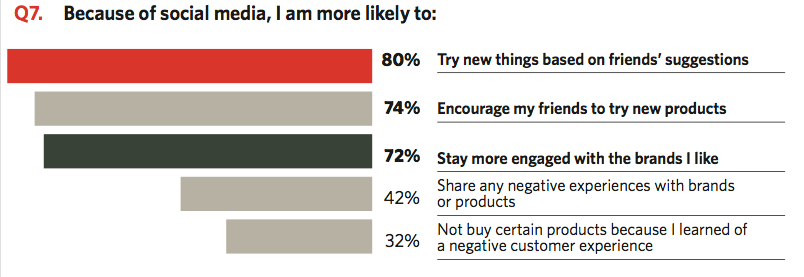
This happened to me recently. My friend tagged me in a video on Facebook about a guitar pedal. My first thought? Way too expensive. I decided then and there that I wasn’t buying it (even though I secretly really wanted it). But after watching the video, ads for the pedal started popping up everywhere I went online. Curiosity got the better of me, and I clicked on one. It took me to a landing page with a video (guess a part of me was still holding out hope). The video showed a feature I hadn’t realized the pedal had. My thinking shifted from “No way, too expensive” to “Okay, maybe it’s worth the price…but I’m still not buying it.” I spent weeks telling myself I wouldn’t buy it because of the cost. But then I started talking to my friend about it, comparing it to other pedals. In the end, I bought it. The conversations convinced me that the price was justified, especially when I considered the quality and price of similar pedals.
Misconception #2: Believing We Understand Buying Behavior by Waiting for Customers to Reach Out
This is a trap many marketers fall into. The traditional funnel model suggests that customers need to be educated about a product or service and then provided with more in-depth content until they’re ready to buy.

The “if you build it, they will come” approach doesn’t always work, especially when you’re trying to close a deal. This doesn’t mean you should bombard potential customers with emails and calls. Instead, you need to find ways to get your message across subtly and effectively. While the traditional, funnel-like sequence of decision-making still exists, I think it’s smarter to adopt a more dynamic approach that doesn’t rely solely on that static model. Why limit yourself? So, if we can’t fully predict buyer behavior, what’s the best way to influence their actions? What is this dynamic approach, you ask?
Retargeting to the Rescue!
Enter the power of retargeting! For those unfamiliar with ad retargeting (also known as remarketing), here’s a quick rundown: Ad Retargeting: A form of online advertising that allows advertisers to show targeted ads to people who have previously visited their website as they browse the web.
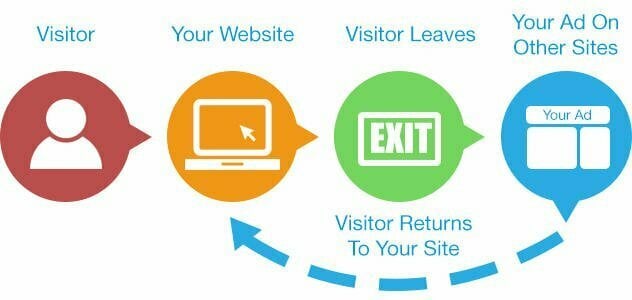
In simple terms, remarketing lets you “follow” people who have visited your website by showing them relevant ads. This is done through browser cookies, which track their online activity and allow you to display these ads even when they’re not actively looking for your product or service. This means ads can appear on the sidebars of their emails, within the Google Display Network while they’re browsing, and even on Facebook. The takeaway? You don’t have to wait for potential customers to return—you can gently remind them of what they were interested in. It’s a subtle but effective way to improve conversion rates. Furthermore, remarketing can indirectly address the issue of multiple decision-makers. By reminding the visitor about the product, it keeps it top-of-mind. In the guitar pedal example, if it weren’t for the combination of retargeting and conversations with my friend (whose opinion I trust), I might never have bought the pedal. Here are a couple of scenarios where remarketing shines:
- Bringing back shoppers who abandon their online carts
- Boosting brand awareness and promoting seasonal offers The real beauty of remarketing lies in its precision. You can get incredibly specific with your targeting, focusing on demographics (age, gender, income, location, etc.) and web behavior (keywords, devices, pages visited, etc.). This means your ads are shown to the most receptive audience.
Case Study: The Power of Similar Audiences
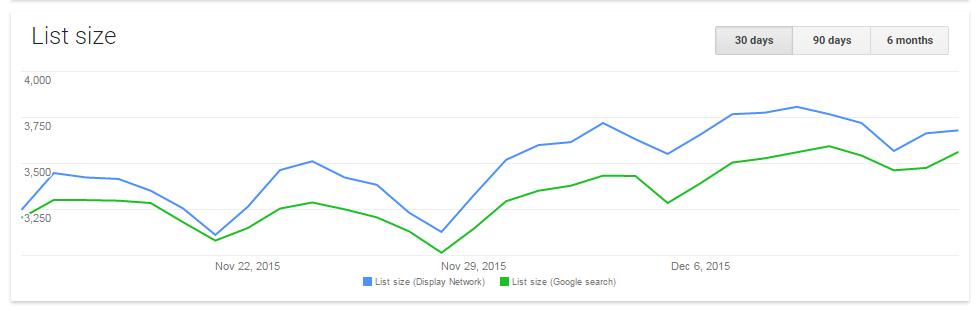
Here’s how you can use remarketing to attract new visitors who share characteristics with your past visitors. This strategy leverages demographic data and browsing behavior to pinpoint commonalities among those who have previously visited your site. The screenshot below shows a client’s remarketing list experiencing impressive growth over the past month. They achieved this by targeting audiences similar to those who had previously converted on their website.
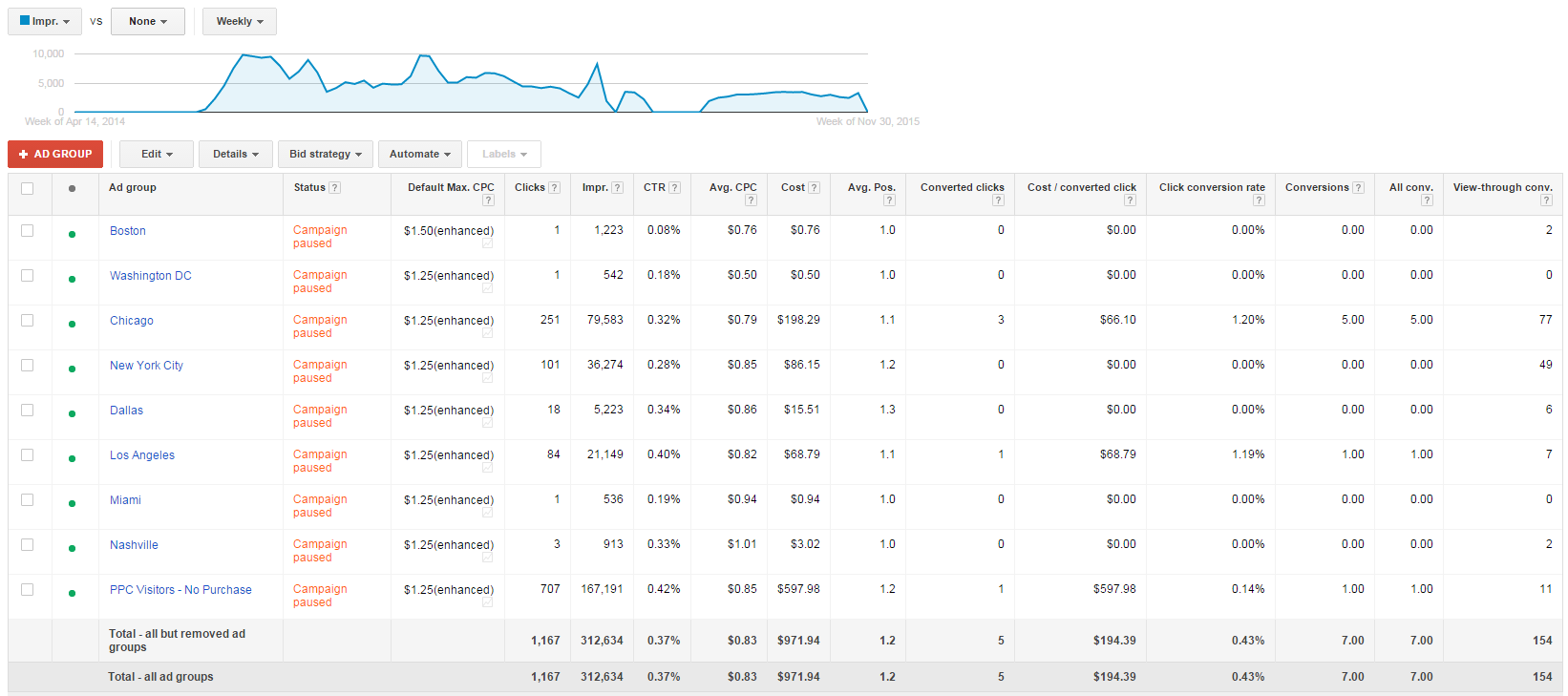
Let’s look at another example. The remarketing campaign below, which ran from July 21, 2014, to November 20, 2015, used a single ad to generate 154 conversions from roughly 300,000 impressions. While the main objective was to increase product awareness, the campaign also brought in new customers thanks to the effectiveness of their remarketing list.
Want to delve deeper into the world of remarketing? We’ve got you covered:
- The Complete Guide to AdWords Remarketing Best Practices
- The Ridiculously Awesome Guide to Facebook Remarketing
- 10 Remarketing Facts to Make You Rethink Your Entire PPC Strategy