If you’ve worked in digital marketing, you understand B2B and B2C business models. However, you might not be as familiar with the nuances of B2B and B2C marketing approaches. Typically, B2B (business-to-business) marketing centers around rational, process-driven buying choices, while B2C (business-to-consumer) marketing emphasizes emotion-driven purchase decisions.
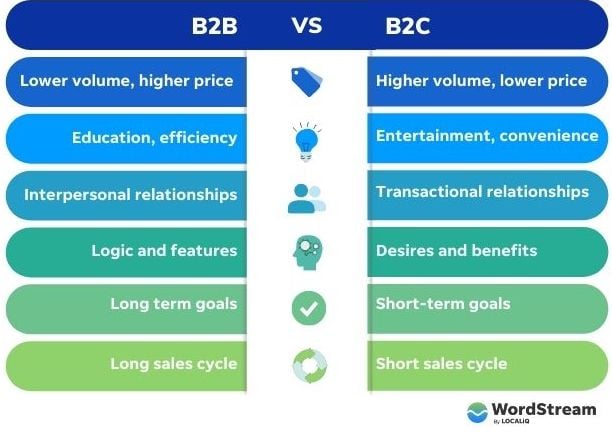
While some overlap exists, these distinctions between B2B and B2C search marketing are crucial. Marketers and digital marketing agencies serving both business types must grasp these differences to craft effective marketing strategies. Whether it’s relationship building or communication style, marketers must tailor their approaches to optimize their marketing efforts.
B2B vs B2C marketing: A concise comparison
Here’s a quick rundown of the B2B vs B2C marketing aspects we’ll cover:
- Customer relationships: B2B marketing prioritizes nurturing personal relationships, whereas B2C marketing leans towards transactional interactions.
- Branding: B2B branding emphasizes market positioning, while B2C branding centers around conveying the right message.
- Decision-making: B2B businesses value transparent communication throughout the decision-making journey. Conversely, B2C businesses aim for a swift and straightforward process.
- Audience targeting: B2B marketing involves identifying a specific niche audience, while B2C marketing focuses more on the marketing funnel.
- Ad copy: B2B ad copy often utilizes industry-specific terms familiar to the target audience. In contrast, B2C ad copy employs a more engaging and emotive tone.
B2B vs B2C marketing: Customer relationships
B2B marketing emphasizes cultivating personal connections, while B2C marketing generally prioritizes transactional interactions.
B2B marketing cultivates personal connections
B2B marketing and lead generation hinge on establishing robust client relationships that translate into enduring business partnerships. This makes relationship building in B2B, particularly during the buying process, paramount. Why is this so important? It provides a platform to showcase your company’s values, ethics, and business practices. This connection with your target audience allows you to differentiate your business (or your client’s) from competitors, bolstering your brand in the process.
 From HubSpot’s examples of personalization in marketing
Lead generation is the lifeblood of B2B businesses. Given the significance of repeat business and referrals, nurturing these personal relationships can determine a business’s success or failure.
As search marketers, we often receive requests to try and suppress negative Google reviews, which can be a Herculean task. By prioritizing genuine and meaningful relationships, the hope is to preemptively avoid such negative reviews altogether. However, reviews can be beneficial in other ways, too.
According to G2Crowd, 94% of consumers consult online reviews. With the vast majority scrutinizing reviews, a negative one can be detrimental. Surprisingly, 72% of B2B buyers reveal that negative reviews provide valuable product insights.
From HubSpot’s examples of personalization in marketing
Lead generation is the lifeblood of B2B businesses. Given the significance of repeat business and referrals, nurturing these personal relationships can determine a business’s success or failure.
As search marketers, we often receive requests to try and suppress negative Google reviews, which can be a Herculean task. By prioritizing genuine and meaningful relationships, the hope is to preemptively avoid such negative reviews altogether. However, reviews can be beneficial in other ways, too.
According to G2Crowd, 94% of consumers consult online reviews. With the vast majority scrutinizing reviews, a negative one can be detrimental. Surprisingly, 72% of B2B buyers reveal that negative reviews provide valuable product insights.
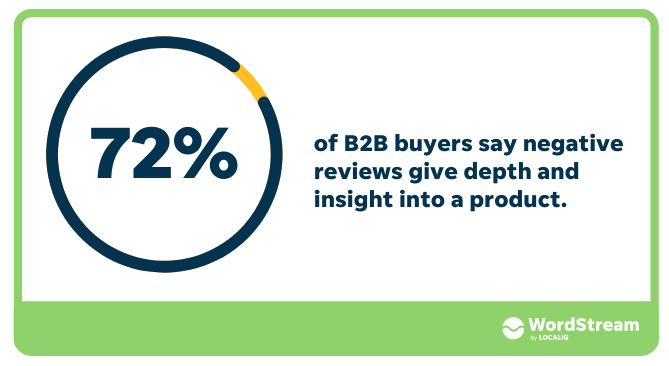 Could negative reviews actually be advantageous? Absolutely! A website with solely positive reviews might appear inauthentic and untrustworthy. It’s crucial to remember that even the most exceptional businesses have their detractors. By responding to negative and positive reviews, you can fine-tune your business approach accordingly. Moreover, you demonstrate to the reviewer that you genuinely care and are responsive to customer needs and opinions.
B2C marketing builds transactional relationships
The essence of B2C marketing lies in guiding consumers towards products on your website and ultimately driving sales. Achieving this necessitates a near-flawless customer experience on your website. Remember the adage, “time is money”? B2C businesses prioritize efficiency, minimizing the time dedicated to getting acquainted with each customer. This results in a more transactional relationship dynamic. However, this doesn’t preclude personalization. It simply implies that the relationship won’t involve direct customer-business communication.
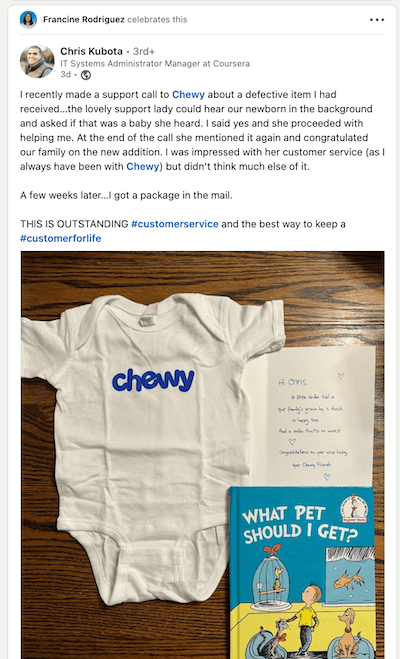 B2C businesses can and should personalize their marketing, but not all tactics can be implemented for every customer.
The marketing strategy zeroes in on product promotion, primarily focusing on delivering high-quality products as swiftly as possible.
Unlike B2B, reviews in B2C are often overshadowed by a constant influx of new, positive reviews. If your business or client operates in the B2C space and offers high-quality products, this shouldn’t be an issue. As a search marketer, pushing PR outreach and offering incentives for reviews can amplify the overall review volume.
A proven B2C review collection strategy involves offering store credit or personalized discounts through email marketing or remarketing.
After a purchase or product delivery, trigger an email or pop-up requesting feedback. Use compelling messaging such as, “Share your feedback and enjoy 20% off your next purchase!”
B2C businesses can and should personalize their marketing, but not all tactics can be implemented for every customer.
The marketing strategy zeroes in on product promotion, primarily focusing on delivering high-quality products as swiftly as possible.
Unlike B2B, reviews in B2C are often overshadowed by a constant influx of new, positive reviews. If your business or client operates in the B2C space and offers high-quality products, this shouldn’t be an issue. As a search marketer, pushing PR outreach and offering incentives for reviews can amplify the overall review volume.
A proven B2C review collection strategy involves offering store credit or personalized discounts through email marketing or remarketing.
After a purchase or product delivery, trigger an email or pop-up requesting feedback. Use compelling messaging such as, “Share your feedback and enjoy 20% off your next purchase!”
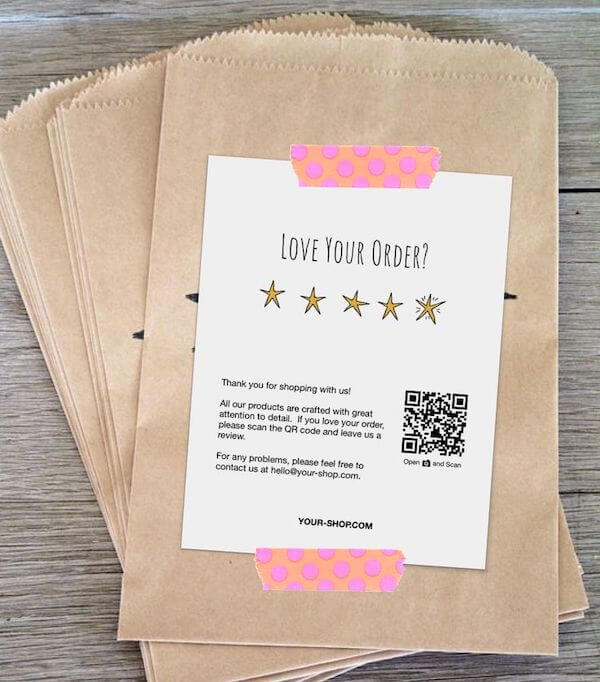 By providing added value, you enhance future user experience and potentially even turn customers into brand advocates.
B2B vs B2C marketing: Branding
In B2B, branding revolves around positioning, while B2C prioritizes messaging.
B2B: Focus on positioning
Branding plays a role in B2B marketing, but it often manifests through relationship building, unlike in the B2C world. According to B2B International, branding hinges on consistent presentation and delivery of your products or services. In B2B search marketing, effectively conveying your market position and letting your brand personality shine through can significantly enhance brand recognition and lead generation. Returning to relationship development, a keen understanding of your target audience’s personalities is crucial. Aligning your brand with their preferences drives brand recognition and boosts lead generation.
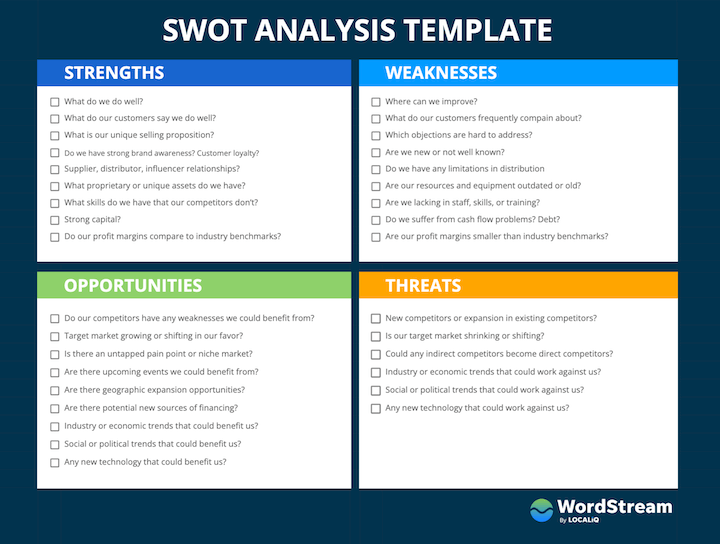
Leverage our SWOT analysis template to define your positioning.
B2C: Prioritize your message
Branding is the cornerstone of marketing because it empowers marketers to communicate a precise message, foster customer loyalty, establish credibility, forge an emotional connection, and ultimately, motivate purchases. It’s the top priority in B2C marketing. Why? Because customer-company interactions are minimal, necessitating a memorable and positive experience to ensure repeat business. Therefore, conveying credible messages and crafting compelling, relatable copy is paramount to success.

Explore more marketing slogan ideas here!
B2B vs B2C marketing: Decision-making process
B2B businesses strive for open communication throughout the decision-making process, while B2C businesses prioritize a quick and easy customer journey.
B2B: Maintain open communication
The decision-making process presents another opportunity to appeal to both the emotional and rational drivers behind business decisions. B2B decision-making involves more open dialogue between parties to ascertain mutual fit. During these interactions, highlighting your company’s strengths compared to competitors can be highly persuasive. B2B customers, during their decision-making journey, carefully evaluate their company’s or individual employee’s needs. These needs encompass both rational and emotional motivations. Rational motivations center around financial implications: Is this a sound investment? Emotional motives stem from the potential impact on personnel: Will this lead to layoffs? Will we face financial losses resulting in benefit cuts for our employees?
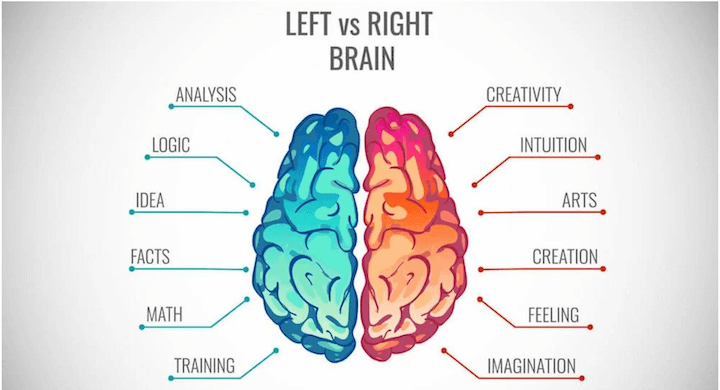 Image source
Ultimately, both rational and emotional considerations hold significant sway over the final decision.
Understanding your target audience is paramount in B2B sales and marketing. It allows you to tailor your messaging to their specific decision-making process. By delivering a clear, targeted message, you forge an emotional connection that sets you apart from competitors.
Image source
Ultimately, both rational and emotional considerations hold significant sway over the final decision.
Understanding your target audience is paramount in B2B sales and marketing. It allows you to tailor your messaging to their specific decision-making process. By delivering a clear, targeted message, you forge an emotional connection that sets you apart from competitors.
B2C: Simplify the process
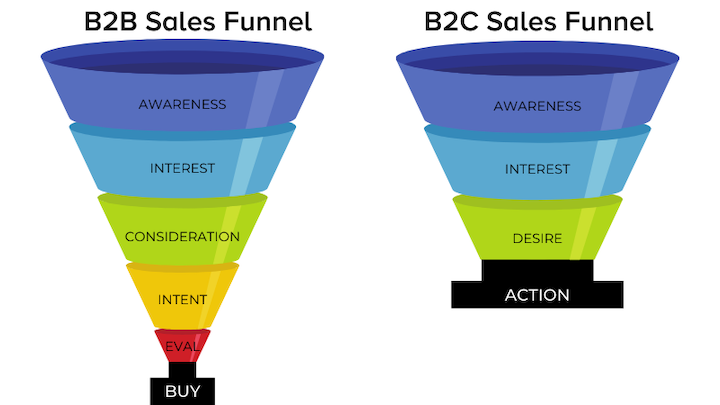
The B2C decision-making process is where you can leverage conversion funnel expertise to maximize ROI. At the top of the funnel, effective B2C marketers craft compelling ads that create a sense of need for their product. Once a need is identified, consumers typically have a general idea of the product they’re seeking. Unlike B2B buyers, consumers are more flexible when considering specific products. As a marketer, your role is to continually engage the consumer and simplify their decision-making process. Unless they’ve committed to your product, consumers often explore competitors, seeking similar products at better prices or with faster delivery.

Beauty blender dupes via Buzzfeed Search marketers must identify and target focus keywords that consumers use when searching for similar products. Higher rankings translate to increased visibility and website traffic. When analyzing the conversion funnel, we identify three keyword categories to target and capture attention. For instance, someone researching electric bikes might begin with a long-tail keyword like “what is an electric bike.” As they learn more, their search might evolve to “best electric bikes” to explore reputable brands. Finally, once they’ve identified a preferred brand, their search narrows down to “[insert brand] electric bike” with purchase intent. B2C search marketers must ensure all stages of the conversion funnel are addressed through blog posts, core pages, and product pages. This maximizes the chances of capturing potential customers at every touchpoint. Remember, even with a robust conversion funnel, a confusing checkout process can deter customers and drive them towards competitors. Optimize your funnels, simplify processes, and watch your conversions soar.
B2B vs B2C marketing: Audience targeting
B2B marketing entails identifying a niche audience, while B2C focuses on navigating the marketing funnel.
B2B: Find your niche
B2B businesses typically operate within niche markets, making it crucial to understand your target audience’s demographics. Data-driven insights are key to effectively attracting them. Data collection can be both qualitative and quantitative. Google Analytics and keyword research are particularly valuable tools.
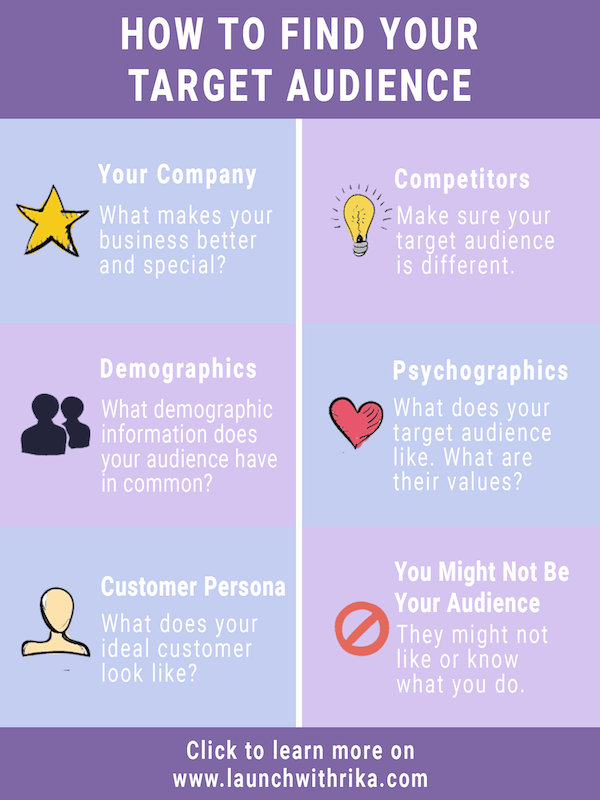 Image source
Analyzing Google’s search engine results pages (SERPs) for your keywords offers valuable insights into your target audience.
By examining SERPs, you can infer user intent for specific keywords and understand their search behavior. Combine this with keyword research and Google Analytics demographic data for a comprehensive picture of your target audience.
Armed with this data and existing customer insights, you can create highly targeted integrated ad campaigns that effectively drive lead generation.
Lead generation is the holy grail for B2B marketers. Building a robust top-of-funnel prospect list, followed by a well-integrated remarketing and lead generation funnel, is essential for reaching your ideal prospects.
Image source
Analyzing Google’s search engine results pages (SERPs) for your keywords offers valuable insights into your target audience.
By examining SERPs, you can infer user intent for specific keywords and understand their search behavior. Combine this with keyword research and Google Analytics demographic data for a comprehensive picture of your target audience.
Armed with this data and existing customer insights, you can create highly targeted integrated ad campaigns that effectively drive lead generation.
Lead generation is the holy grail for B2B marketers. Building a robust top-of-funnel prospect list, followed by a well-integrated remarketing and lead generation funnel, is essential for reaching your ideal prospects.
B2C: Follow the funnel
Unlike B2B, B2C businesses navigate broader markets with a more dispersed target audience. Search marketers prioritize the marketing funnel for customer acquisition. At the top of the funnel, emotionally driven and product-focused ads cast a wide net to capture qualified leads. Analyzing their demographics enables the creation of warm lead lists for remarketing and conversion. Another crucial aspect of B2C audience targeting is implementing effective CRO (conversion rate optimization) tactics. This includes crafting compelling ad copy, designing user-friendly landing pages, and establishing streamlined, high-converting sales funnels.
B2B vs B2C marketing: Ad copy
B2B ad copy often utilizes industry-specific language familiar to the target audience, while B2C ad copy is typically more engaging and emotive.
B2B: Learn the lingo
B2B buyers are more inclined to purchase from experts who understand their industry terminology, processes, and even their decision-making challenges. Speaking their language is crucial for effective communication. For instance, a B2B company selling $50,000 software wouldn’t rely on emotionally charged copy to drive impulse purchases. Instead, their messaging focuses on building confidence and emphasizing the software’s value proposition.

The purchasing decision in B2B often lies with a director or manager aiming to enhance business performance. While personal motivations might exist, the decision must prioritize logic over emotion, weighing the pros and cons objectively.
B2C: Write emotional ads
In contrast to B2B, B2C businesses must adopt a relatable tone that compels clicks and engagement. Straightforward language resonates better with consumers than industry jargon, which can be alienating. B2C copywriting aims to evoke emotions. A consumer buying a $200 bicycle will likely make a faster decision than a business investing in $50,000 software. The bicycle purchase is driven by leisure and enjoyment, so the copy should evoke feelings of excitement and happiness. This highlights the critical role of ad copy in B2C marketing. Strategic, emotion-driven messaging can significantly impact campaign success.
B2B vs B2C marketing compared (infographic)
Whether you’re marketing your own business or working with clients, understanding the key distinctions between B2B and B2C marketing is essential. By grasping these five core differences, you can leverage tactics specific to each business model.
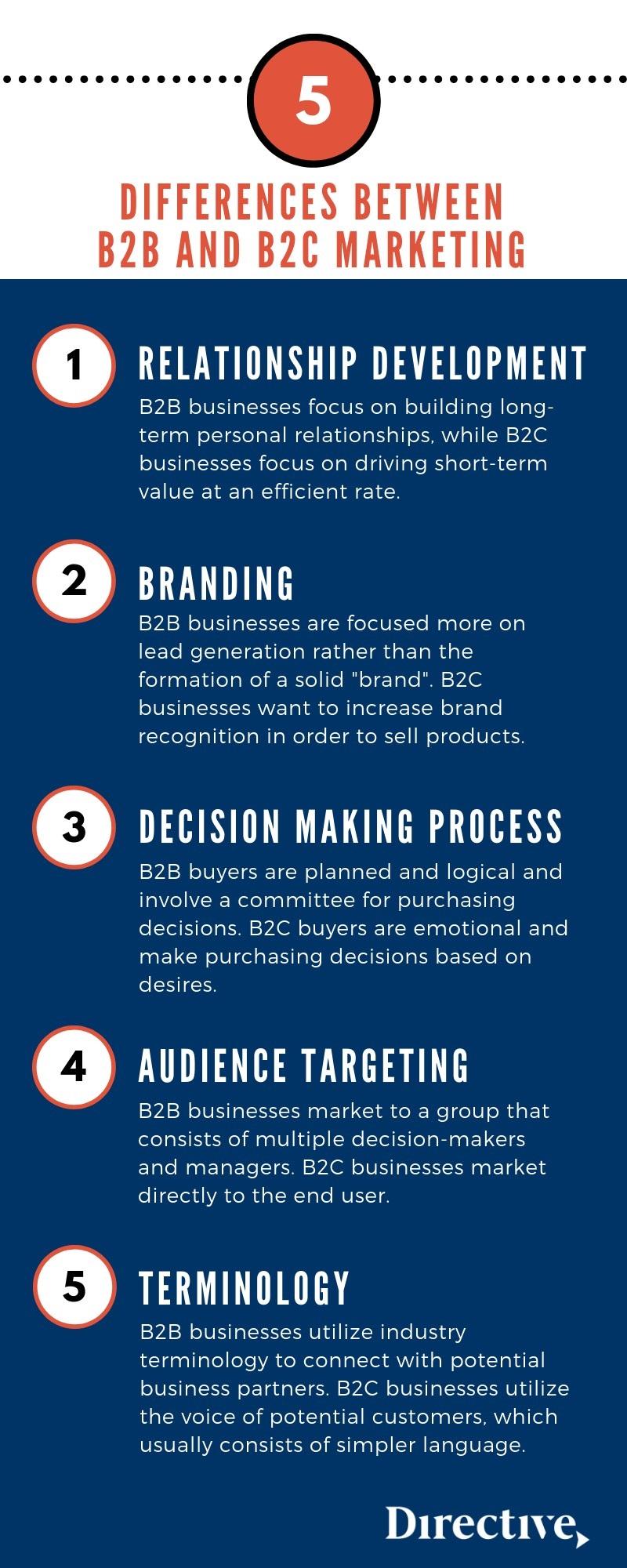
Image via Directive A deep understanding of both B2B and B2C marketing strategies equips you to implement the right tactics and drive significant lead generation and revenue growth for your business.