Let’s imagine an auction filled with passionate Beyoncé fans. The prize? Her incredible outfit from the 2016 Super Bowl halftime show. You’re locked in a bidding war with Kelly Rowland and Blue Ivy. The tension is palpable as you raise your paddle, determined to win. You’re neck and neck with your rivals, but suddenly, a mysterious bidder emerges from the back, outbidding everyone with an astronomical amount. You turn to see who has thwarted your dream – it’s JAY-Z! Surprise!

This scenario highlights the fierce competition within search engine results pages (SERPs). Google designed this auction-style system:
- To generate revenue, and
- To compel advertisers to adopt best practices and ensure relevant search results.
Healthy competition fosters innovation and helps everyone raise their game. However, dealing with PPC competitors can be challenging, especially when they appear unexpectedly.
Therefore, it’s crucial to ask: Do you know your PPC competitors? Reflect on how frequently you monitor their influence on your paid search campaigns. Are they targeting your branded keywords? What’s your impression share for top non-branded terms? Are others using your trademark in their ads?
If uncertainty lingers, don’t fret! Here are the 5 “W’s” (Who, What, Where, Why, & When) to analyze and comprehend your competitive landscape.
WHO are your competitors?
Don’t assume your online competitors are identical to your offline ones. Examine the domains appearing for your targeted keywords to understand:
- Your actual PPC competitors.
- Whether your keyword choices are accurate based on the relevance of displayed ads.
How to begin?
Step #1: Gather the data!
Utilize Google Ads and Bing Ads’ Auction Insights via the “Details” dropdown. Key metrics include:
- Impression Share: The percentage of times a competitor appeared in auctions where you also participated. Note: Your impression share reflects received impressions divided by the estimated number of eligible impressions.
- Overlap Rate: The frequency of your ad and a competitor’s ad appearing simultaneously.
- Position Above Rate: The percentage of times a competitor outranked your ad when both were displayed concurrently.
- Top of Page Rate: The frequency of your or a competitor’s ad appearing above organic search results.
- Outranking Share: How often your ad secured a higher position or appeared when a competitor’s did not.
Step #2: Transform data into action
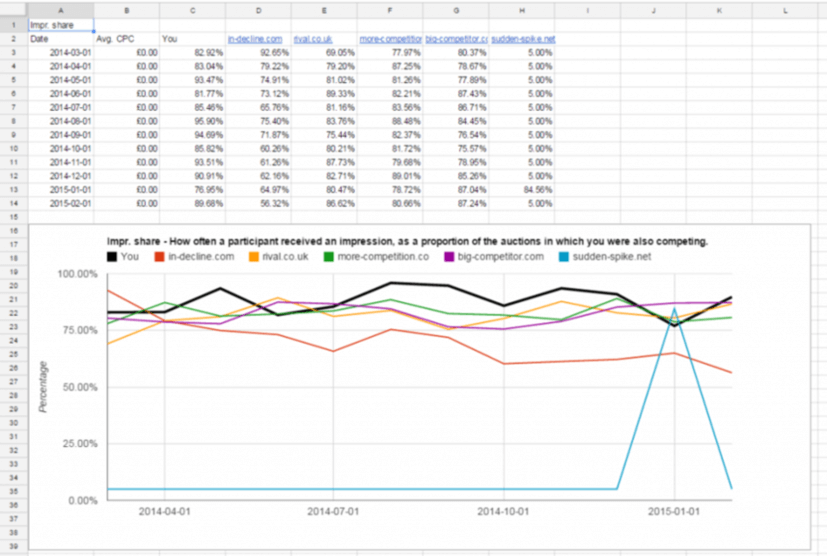
BrainLabs offers a fantastic tool for visualizing Auction Insights data. They have an excellent guide on setting up their Google Apps script for Auction Insights. Given the unavailability of Auction Insights data in Google Ads Scripts, this app script provides a workaround. By merging segmented campaign and Auction Insights data into Google Sheets, you can automatically generate graphs showcasing competitive metrics alongside CPC trends.
WHAT kind of competitors are they?

Not all competitors are equal. Some possess large budgets, others might have minimal overlap, and some might not even be direct competitors. Scrutinize those vying for your keywords and determine if any negatively impact your impression share:
Consider the following competitor types:
- Affiliates: Partners using third-party links to your site for commission-based sales.
- CSE: Comparison Shopping Engines listing products that link to your retailer website.
- OTA: Online travel agencies facilitating travel-related service bookings.
- Partner: Non-affiliate marketers promoting your products or services.
- Search Arbitrager: Sites attracting traffic to display additional ads.
- Reseller: Retailers selling your products or services.
- No Trademark: Advertisers using your trademark without permission.
Where to start?
Step #1: Conduct thorough research
Monitor keywords used by your SEM affiliates, partners, and authorized resellers. Discuss keyword alignment proactively to avoid unnecessary CPC inflation. Regularly track impression share for significant fluctuations. Explore marketing competitive analysis tips across search and social platforms.
Step #2: Ensure a complete picture
PPC auctions can be intricate. Google and Bing might group you and partners/affiliates under a single domain (“You”) if they point to the same website.
Managing resellers versus unauthorized trademark users can be tricky, especially with numerous resellers. Remember that approved resellers also face challenges. If an advertiser violates guidelines and uses your trademark without authorization, escalate the issue through AdWords’ trademark policy channels.
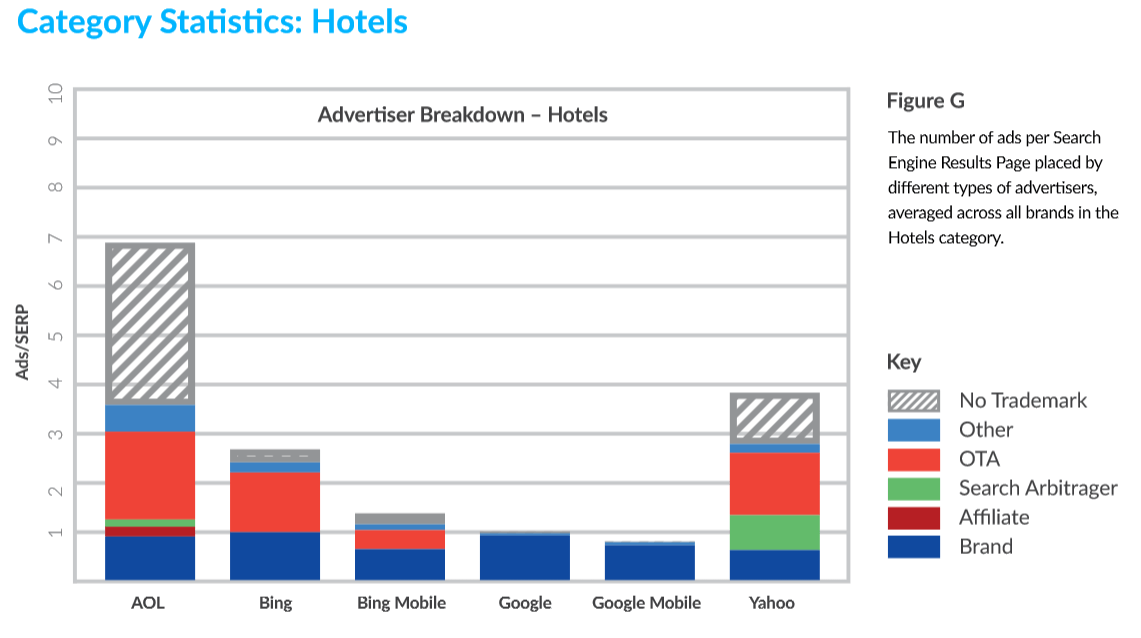
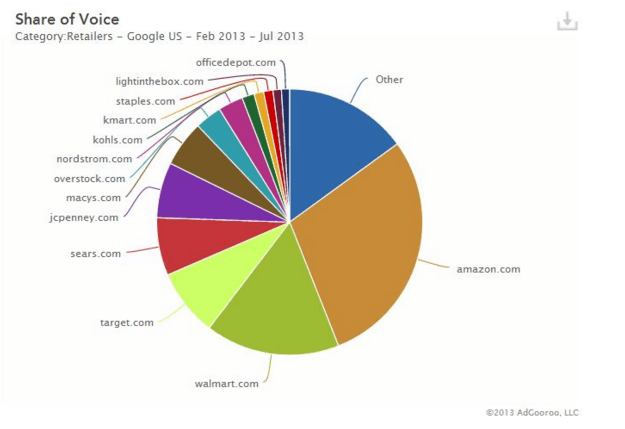
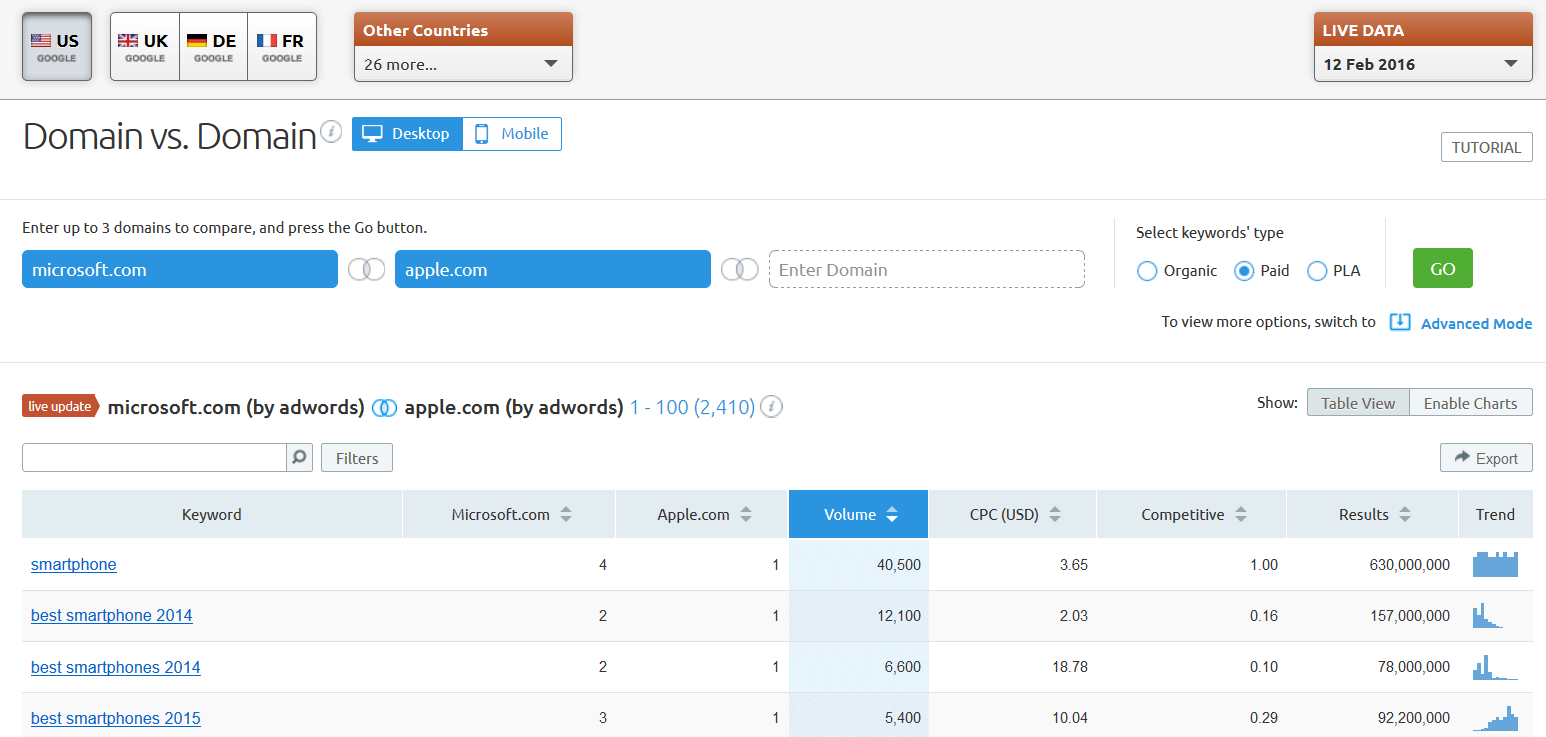
Leverage resources and tools from companies like BrandVerity, AdGooroo, and SEMRush to monitor PPC competitors, analyze top branded PPC keyword trends in your industry, or compare channel activity between your domain and another. BrandVerity – Snippet from Q3 2015 Branded Keywords Report
AdGooroo – Share of Voice Reporting
SEMRush Domain vs. Domain Reporting
WHERE are they competing with you?

Avoid the headache of tracking every impression share or ad position change account-wide. Simpler methods exist to pinpoint areas needing optimization beyond the campaign or ad group level.
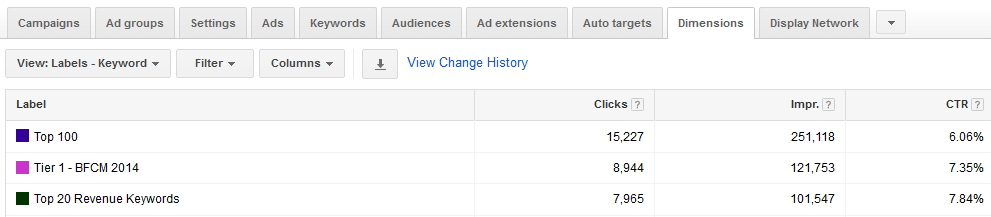
Step #1: Label high-performing keywords
Utilize labels within platforms or third-party tools to monitor significant changes for top-performing keywords. These revenue generators are most vulnerable to competitor pressure. The Dimensions tab enables quick data pivoting to identify shifts or generate ad-hoc reports.
Step #2: Implement alerts, reports, and automated bidding rules
Set up automated Search Impression Share reports for key campaigns, ad groups, or keywords, delivered directly to your inbox. Leverage Google and Bing’s automated rules or Google’s flexible bidding strategies like Target Search Page Location to maintain optimal keyword positions.
WHY are they competing?

Occasionally, competitors bid on your keywords simply to inflict damage, like rival brands engaging in bidding wars to inflate CPCs. (Yes, it happens! I’ve seen clients driven to negotiating “gentleman’s agreements” to cease such battles.)
However, most competitors target your keywords for the same reasons you do. Bidding alone won’t guarantee victory; analyze their public SERP strategy and formulate an action plan.
Step #1: Regularly review competitors’ messaging
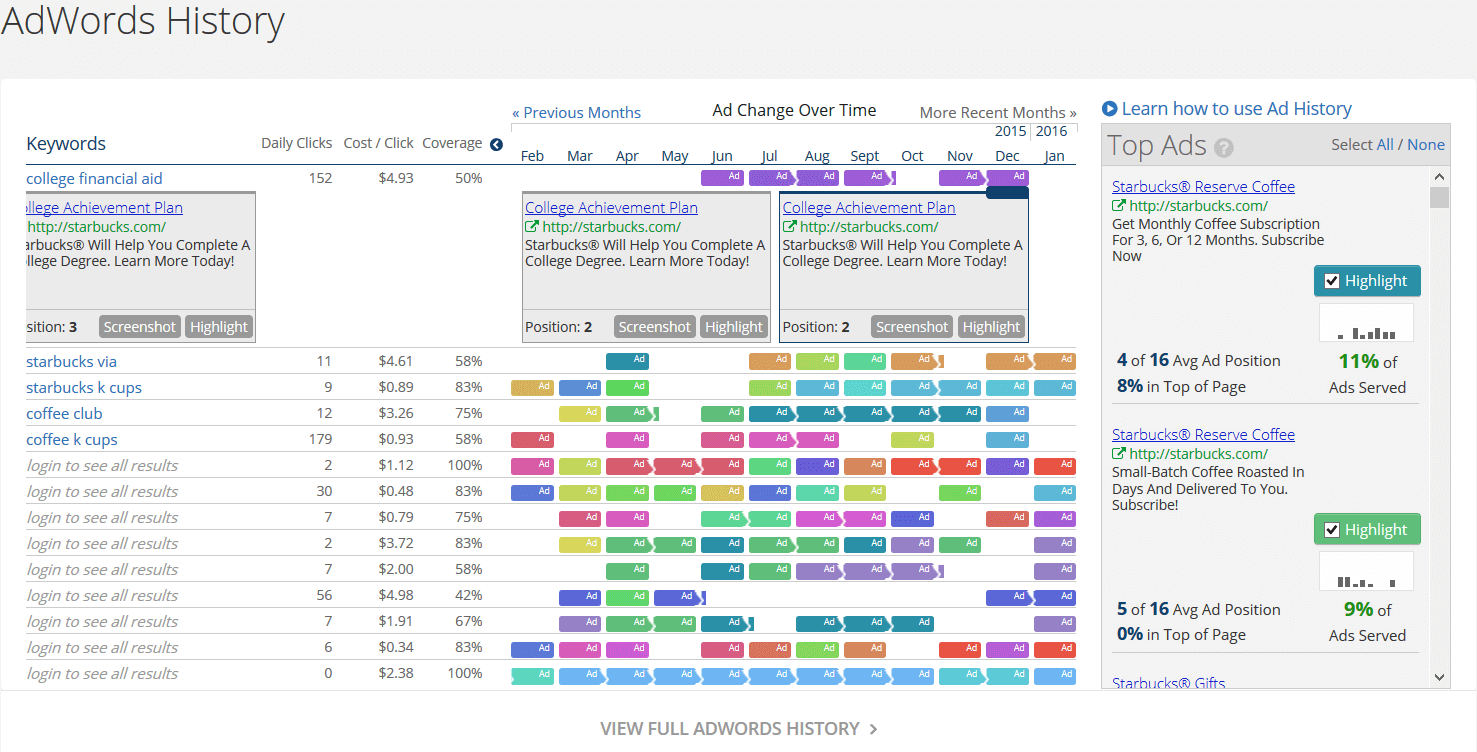
Searching keywords directly on search engines inflates your impressions and distorts CTR. While the Ad Preview & Diagnosis Tool offers a starting point, tools like SpyFu, iSpionage, and SEMRush provide more comprehensive competitor ad copy data. SpyFu Google Ads History Report Advantages: SpyFu features color-coded tables showcasing a competitor’s historical ad copy trends and highlights top-performing ads.
iSpionage Ads Report Reviews competitor ad copy for both Google and Bing, indicating when ads were first and last seen, revealing launch and update timelines.
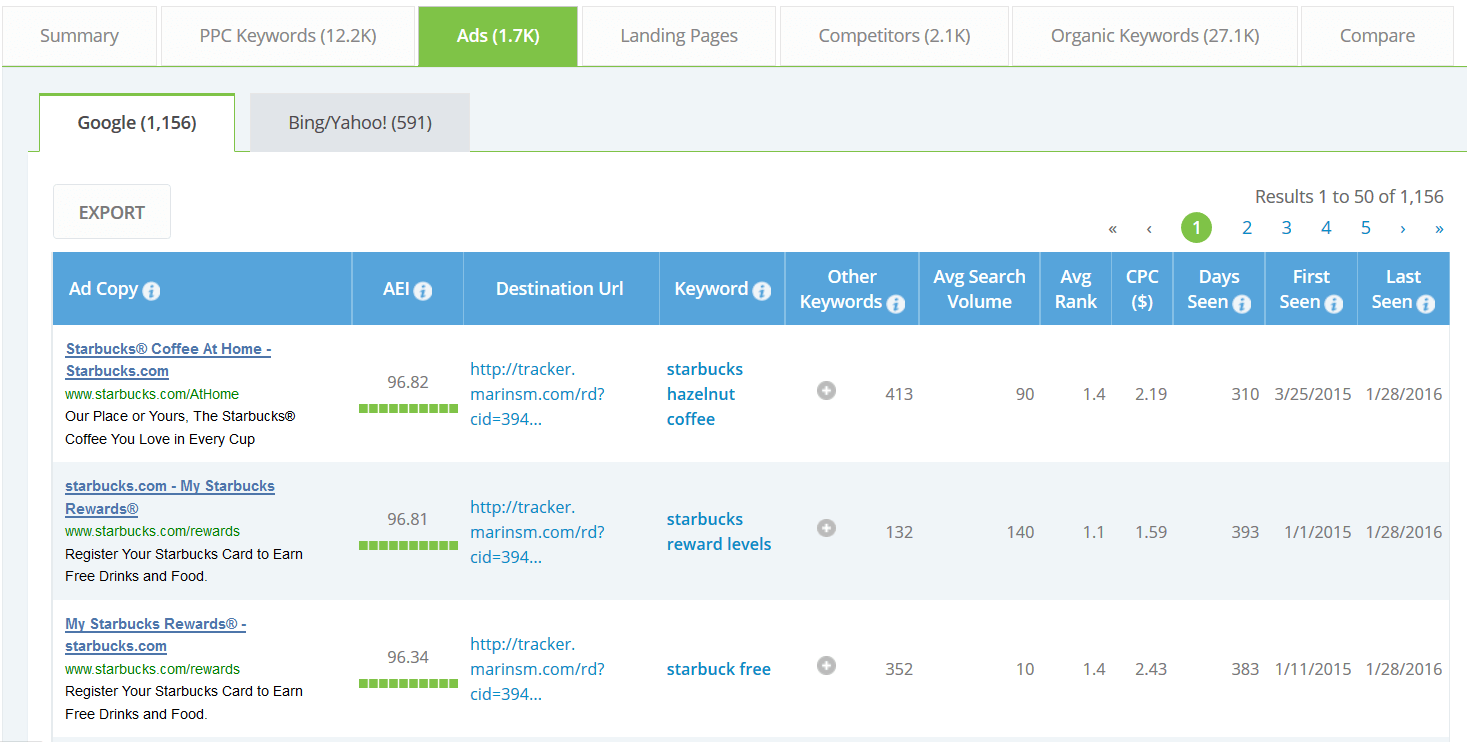
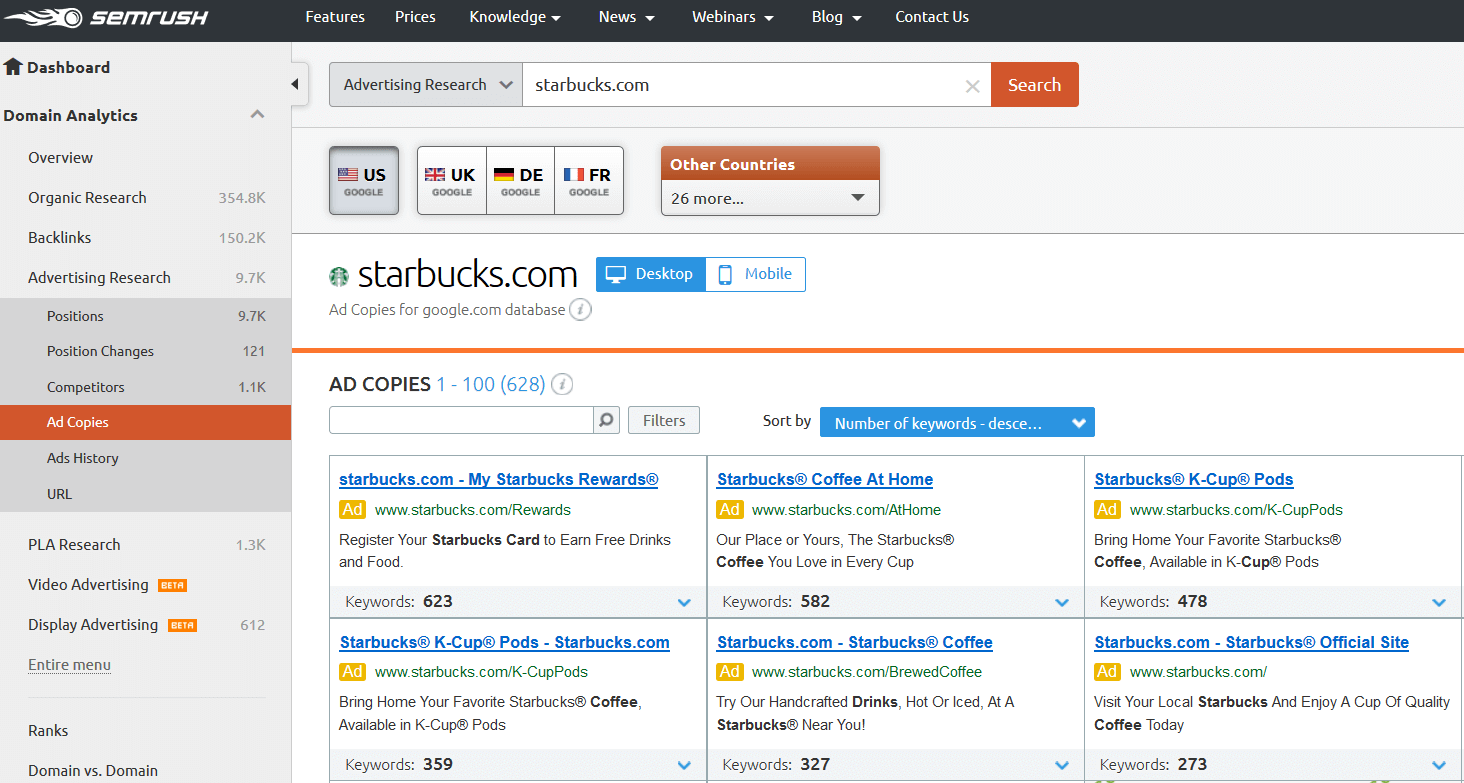
SEMRush Ad Copies Report Ideal for analyzing competitor ad messaging in various countries.
Step #2: Test your ad copy strategy
You can’t control your competitors’ ad content, but you can refine yours. What are they offering? Are your calls to action clear? How do you differentiate in a crowded market? Integrate competitor analysis into your ad copy testing.
WHEN should you take action?

While staying informed about competitors is crucial, prioritize driving results for your account. However, being prepared to navigate competitor-driven challenges is key.
Finally, the most crucial step…
Don’t let EGO dictate your actions! Returning to the Jay-Z auction scenario, avoid letting frustration lead to rash decisions (he’s your in with Beyoncé, and he’s JAY-Z!).
Jokes aside, emotionally driven responses to competitors, like reckless bidding without strategy, yield minimal returns. When ego threatens to take over, or competitors escalate their game, take a deep breath, remember the 5 W’s, and approach PPC competition strategically. >> Explore more competitive analysis templates here!