Navigating copyright law in our current era of 3D printers and widespread online media sharing is, to put it mildly, a challenge. Critics often accuse movie studios and record companies of desperately clinging to outdated models instead of evolving with the changing cultural landscape. This resistance to change is evident in the entertainment industry’s aggressive use of the DMCA to impose excessive fines on individuals who infringe on copyrights online.
However, it’s important to acknowledge that copyright holders and intellectual property owners deserve protection in the online world. Finding a balance between safeguarding their rights and being reasonable towards those who infringe upon them is crucial. While a perfect solution may still be years away, we aim to shed light on essential DMCA and copyright law aspects that everyone, from small business owners to everyday internet users, should be aware of.
This article will explore the following:
- DMCA Summary: Exactly What is This Thing?
- Why the DMCA is Just Plain Terrible
- Why the DMCA is Necessary (Kind of)
- How DMCA and Copyright Law Hurt Small Businesses
- YouTube’s Content ID System: Copyright Gone Wrong
- What is a DMCA Takedown Notice?
- What is Safe Harbor?
- You Received a DMCA Notice – But You Did Nothing Wrong! Now What?
- How to File a DMCA Complaint
- DMCA Fair Use: When is it OK to Use Copyrighted Material?
- The Future of the DMCA: Will it Get Better?
DMCA Summary: What is it?
The DMCA, short for The Digital Millennium Copyright Act, is a US copyright law enacted in 1998. It puts into practice two treaties from the World Intellectual Property Organization (WIPO) established in 1996. This law makes it illegal to create or use technology designed to bypass measures controlling access to copyrighted content, also known as digital rights management (DRM). Additionally, the DMCA criminalizes bypassing these access controls even when no copyright infringement occurs. The act significantly increases the penalties for copyright infringement on the internet.
Why the DMCA is Just Plain Terrible
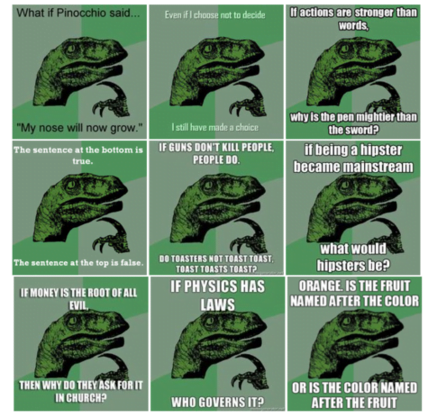
The DMCA has earned its fair share of criticism, and for good reason: Excessive penalties for minor offenses. The DMCA has led to disproportionately harsh penalties for illegally downloading music, movies, or other media. For instance, just recently, an appeals court approved a $675,000 fine a student in Boston who downloaded 30 songs illegally. You might be surprised to learn that this student received a harsher penalty than someone who a Harvard student was fined recently in an attempt to avoid taking a final exam, resulting in building evacuations and wasted resources from multiple law enforcement agencies. The answer? $250,000. This suggests that downloading a few songs is considered a more serious offense. Inflexibility in a dynamic landscape. The DMCA’s rigid structure and outdated guidelines clash with the ever-evolving nature of the internet. Traditional ownership concepts crumble as online content rapidly evolves and spreads in unprecedented ways. Memes, for example, present a copyright nightmare. Take the classic Philosoraptor meme. Originally, it was just a t-shirt design on LonelyDinosaur, but it has since exploded into countless variations across the internet.
Favoring the wealthy and disadvantaging smaller players. The DMCA disproportionately benefits those with substantial financial resources while reinforcing the stereotype of the US as a litigation-obsessed nation. Exploiting copyrights and patents for profit stifles innovation and creativity, ultimately harming the economy. (For a deeper dive into this issue, check out the intriguing story from This American Life on the upsetting patent troll schemes happening across the country.) Serving Hollywood’s interests over the public’s. Many view the DMCA as a tool for Hollywood studios and major record labels to obstruct the natural progression of the entertainment industry. As online media consumption increases, organizations like the Motion Picture Association of America (MPAA) have consistently attempted to maintain control, hindering a seamless transition to the online realm. Restricting ownership rights. The DMCA prevents users from copying their legally purchased DVDs, even for personal use, allowing movie studios to charge exorbitant prices for digital versions. DRM coding on DVDs aims to prevent such copying, and circumventing this coding is strictly prohibited. The DMCA also extends its reach to outlawing the jailbreaking of phones, consoles, and other electronics. Potentially hindering free speech and academic progress. Researchers specializing in DRM technologies face restrictions in sharing information that could facilitate circumvention. In 2001, programmer Dmitry Sklyarov faced imprisonment for developing software capable of modifying e-book formats. Similarly, others have also suffered punishment faced consequences for similar research. By stifling technological innovation, the DMCA indirectly harms economic growth.
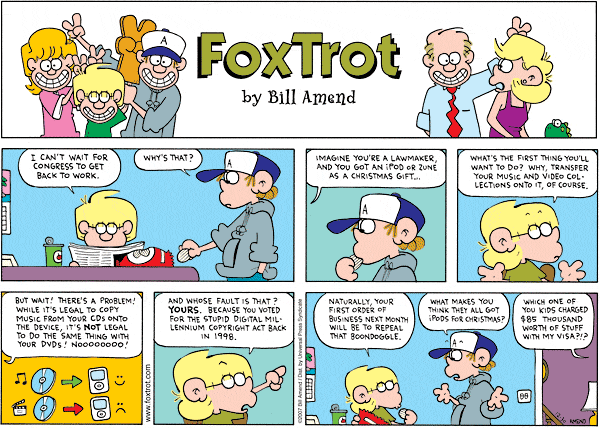
FoxTrot comic borrowed from Against Monopoly
Why the DMCA is Necessary (Kind Of)
Although the DMCA in its current form is excessively harsh and often unhelpful, the underlying principle behind it is not entirely unreasonable. Protecting creators is essential. A law built on such extremes cannot be deemed entirely positive, particularly when it primarily serves the interests of powerful Hollywood lobbyists. However, a framework to protect artists and creators is necessary. Simply sharing work online should not equate to relinquishing the credit, compensation, and recognition creators deserve.
Nevertheless, in an age where creativity flourishes and mutates rapidly online, suppressing this creative energy would be detrimental. Finding the balance between protecting creators and fostering innovation is complex. The first step, however, is clear: reforming the penalty system to ensure punishments align with the severity of the offense. Remember the “war on drugs?” Imprisoning generations of young people, primarily minorities, for marijuana offenses proved ineffective. Similarly, imposing fines of $22,000 per song is not a sensible solution.
How DMCA and Copyright Law Hurt Small Businesses
While the DMCA may seem to protect small businesses and creators on the surface, it often fails to deliver on its promise. Photographers, for instance, frequently find themselves victimized by the very laws designed to protect them. Consider a scenario where a massive corporation, let’s call it Conglom-O, uses a photographer’s photos without permission, say $300 worth. The photographer not only loses potential income but also incurs time and effort trying to identify the unauthorized use, investigate the situation, and draft a response. Seeking $600 in compensation seems reasonable. However, as this article by Alex Wild illustrates, pursuing a claim of this size in federal court is not economically viable. A report by the U.S. Copyright Office states that “__the median cost for a party to litigate a copyright infringement lawsuit with less than $1 million at stake through appeal is $350,000.”_ This means the photographer needs to demand $350,000 to justify the legal costs involved in fighting Conglom-O. The cost of pursuing copyright infringement lawsuits is so disproportionately high that most small businesses and individuals cannot afford it, nor is it a worthwhile investment for the potential payout. Photographers are forced to inflate their claims, while infringers face demands exceeding the actual damage caused. Lawyers, meanwhile, profit significantly from this situation. It’s a high-stakes game where the majority of infringement cases go unaddressed unless initiated by entities like Conglom-O, Hollywood studios, and others who can afford such exorbitant legal battles. Some argue for treating copyright as a local issue rather than a federal one, allowing for smaller claims like the photographer’s $600-700 to be handled as small claims. While such a change could potentially alleviate some issues, it’s uncertain if and when such reforms might occur given the slow pace of government action.
YouTube’s Content ID System: Copyright Gone Wrong
Recently, similar copyright issues have plagued content creators on YouTube due to the platform’s new content ID system. This system compares newly uploaded videos against a database of copyrighted content. If a match is found, copyright holders have the following options:
- Monetizing the videos, essentially profiting from someone else’s content.
- Blocking the videos, effectively removing them from YouTube.
- Tracking the videos, allowing the copyright holder to monitor their performance. This supposed “compromise” between YouTube and copyright holders has had disastrous consequences. Many videos flagged for copyright infringement under the content ID system are actually permissible under fair use. This system also allows copyright holders to profit from the creative work of others. Critics view the content ID system as potentially detrimental to YouTube, as it threatens the livelihood of smaller creators who rely on the platform and risks undermining the unique content that contributed to YouTube’s success. At its core, this problem stems from YouTube’s need for self-preservation. By appeasing copyright holders, YouTube aims to avoid costly lawsuits. However, granting publishers and copyright holders such extensive control through the content ID system negatively impacts those using copyrighted material appropriately.
What is a DMCA Takedown Notice?
If you’ve received a DMCA takedown notice from your service provider, you might be wondering what it means. When a copyright holder discovers unauthorized use of their content, they can file a complaint. Typically, this would involve a lawsuit against the service provider hosting the infringing material. However, certain exemptions, known as safe harbor provisions, exist to protect service providers from legal action (holding them responsible for all content on their platforms would be unsustainable). These provisions require service providers to remove the infringing content promptly. A DMCA takedown notice signifies your service provider’s response: “We’ve received a complaint about your content; therefore, we’re taking it down.” DMCA takedown notices are problematic for several reasons:
- They are often issued without prior warning or attempts to find alternative solutions.
- They can be used as a censorship tool against content that legitimately falls under fair use.
- They operate under a guilty until proven innocent principle, making it challenging to reverse a takedown.
- Competitors can exploit takedown notices as a malicious (and extremely unethical) online marketing tactic, often referred to as black hat SEO.
Unfortunately, contesting a takedown notice, even when you’re not infringing on any copyrights, is an uphill battle.
What is DMCA Safe Harbor?
Safe harbor is a provision that shields online service providers (OSPs) such as search engines, content hosting websites, and ISPs from DMCA lawsuits. This protection ensures that OSPs are not held liable for users posting copyrighted material on their platforms. The DMCA’s safe harbor exemptions are essential; without them, platforms like YouTube would cease to exist. Consider the sheer volume of TV clips uploaded to YouTube. Without safe harbor, the platform would be overwhelmed by copyright violations.
However, a significant problem arises from the requirement for service providers to swiftly remove content flagged for copyright infringement to qualify for safe harbor protection. This often leads to a “shoot first, ask questions later” approach, making it incredibly challenging for users to challenge takedowns. While safe harbor safeguards the tech industry, individuals often bear the brunt of its shortcomings. As an MPAA lobbyist Fritz Attaway notes, states, “The ISPs wanted safe harbor provisions in return for their support for the anti-circumvention provisions, which was one of the major and most important compromises in this legislation.” This illustrates how individuals are often sidelined while powerful entities and big media lobbyists benefit.
You Received a DMCA Notice – But You Did Nothing Wrong! Now What?
Unfortunately, even if you’re confident you haven’t infringed on any copyrights, fighting a DMCA takedown notice is a daunting task. Examining similar cases can provide some insight into potential options, such as the case of Stephanie Lenz. In 2007, Lenz uploaded a 30-second video on YouTube of her baby son dancing of her child dancing to a Prince song. The video itself was unremarkable, likely only interesting to close family and friends. However, Universal Music issued a DMCA takedown notice, claiming copyright infringement. Although Lenz filed a counter-notice, it took a month and a half for her video to be reinstated. Determined to fight back, Lenz filed a lawsuit alleging violation of fair use and free speech rights. She argued that Universal Music lacked a good faith belief that her video infringed on their copyright when they issued the takedown notice. Filing a takedown notice requires copyright holders to declare, under penalty of perjury, that they believe the material is being used without authorization. However, proving a copyright owner’s lack of good faith is exceedingly difficult. The Ninth Circuit Court of Appeals states states that “a copyright owner cannot be held liable solely for an unknowing mistake, even if unreasonable…. There must be evidence of actual knowledge…on the part of the copyright owner.” Gathering such evidence is challenging, making it extremely difficult to challenge a copyright owner’s good faith belief. Essentially, this leaves you with two unfavorable options: Option #1: File a counter-notice. If you believe you’ve been wrongly accused of copyright infringement, you can file a DMCA counter notice. However, doing so could result in a legal battle. Filing a counter-notice requires the copyright holder to file a lawsuit in district court within 14 days; otherwise, the service provider must reinstate your content. However, if the copyright holder proceeds with legal action, you could face a lengthy and complicated court case requiring proof that the takedown notice was issued without a good faith belief of infringement. Option #2: Accept the situation and move on. Two equally frustrating options for an already frustrating situation.
How to File a DMCA Complaint
What should you do if your intellectual property or copyrighted material is being used without your permission? Before pursuing a DMCA complaint, consider contacting the offending party directly. Communicate politely and professionally, requesting the removal of the infringing material, the addition of a link to your original content, or payment for its use, depending on your situation. Most people prefer to avoid legal disputes, so direct communication should be the first step. If contacting the party directly yields no results, you might need to explore other options. Most websites and hosting services have dedicated pages for filing DMCA complaints. Here are some common ones:
- YouTube DMCA Complaint
- Pinterest DMCA Complain
- Facebook DMCA Complaint
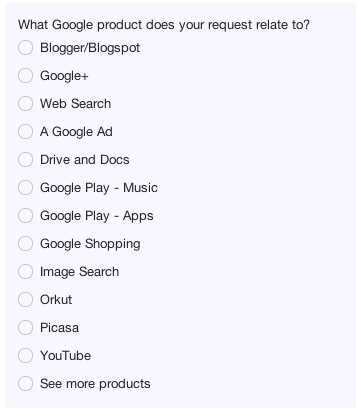
- Instagram DMCA Complaint Gigaverse offers a helpful fairly extensive guide for contacting various web hosts, along with a template for filing a DMCA complaint, which is included below: _Date: [Month, DD, YYYY]_ To Whom It May Concern, _This letter serves as a Notice of Infringement as authorized in § 512(c) of the U.S. Copyright Law under the Digital Millennium Copyright Act (DMCA). I am writing to report a case of Copyright Infringement. The infringing material is present on your website. 1. The copyrighted material, which I claim ownership of, is being used illegally on the website for which you provide hosting services. The infringing material is as follows: [Work type- e.g. article, photo, video, blog post] titled “[Title]” by [Name], posted on [Month, DD, YYYY]_ _It can be found at: [URL of your work]_ _2. The page containing the infringing copyrighted work is located at the following website address: [URL]_ _3. My contact information is as follows: [Name] [Address] [Phone]_ _4. I have a good faith belief that the use of the copyrighted materials described above has not been authorized by the copyright owner, its agent, or the law._ _5. I swear, under penalty of perjury, that the information provided in this notification is accurate and that I am the copyright owner or authorized to act on behalf of the owner of an exclusive right that is allegedly infringed._ _[Signature] [Printed Full Name]_ From Gigaverse DMCA Guide If the infringing content outranks your original work in search results for relevant keywords, you can also contact search engines like Google.
DMCA Fair Use: When is it OK to Use Copyrighted Material?
Given the potential consequences of violating the DMCA, understanding fair use and when you can legally use copyrighted material is crucial. Fair use is a legal doctrine in US copyright law allowing limited use of copyrighted works without permission under specific circumstances, including commentary, criticism, news reporting, teaching, and research. We’ll delve deeper into these circumstances below. When It’s OK to Use Copyrighted Material: 1. Commentaries or critiques Commenting on or critiquing a copyrighted work often necessitates referencing the original content, especially for video critiques. In such cases, using copyrighted material is generally acceptable. 2. Supporting an argument or illustrating a point Using copyrighted material to bolster an argument or illustrate a point is often permissible. For instance, using clips from Hollywood films to demonstrate different film editing styles or showcasing a collection of songs to highlight a cultural shift would fall under this category. 3. Incidental inclusion This doesn’t refer to accidental downloads of entire TV show seasons but rather instances where copyrighted material is recorded unintentionally while not being the primary focus. An example would be a video of a child opening birthday presents with a copyrighted song playing in the background. The primary focus is the child, not the music. 4. Documenting an experience or event This includes recording a personal experience at a concert, capturing gameplay footage, or sharing a significant television moment like a Jon Stewart speech or a controversial Miley Cyrus performance. However, the amount of copyrighted material used should be reasonable and not overshadow the purpose of documentation. For instance, recording a portion of a favorite band’s performance is acceptable, but recording the entire concert is not. Archiving copyrighted material is also acceptable, provided it’s not readily available from authorized sources. 5. Facilitating discussion or debate The intention behind using the copyrighted material matters. Is it simply copied, or is it presented in a way that encourages discussion or debate? Whether the discussion revolves around cultural, political, educational, or social topics, the intention to foster dialogue should be evident. 6. Creating new work Copyrighted material is often incorporated into new creations. Courts typically assess whether the use of copyrighted material is “transformative.” Does it add new meaning or expression to the original content, or is it merely a copy? Examples include:
- Unusual Subtitles: A popular example is the use of altered subtitles on a clip from the movie Downfall to create various humorous “Hitler reacts to…” videos.
- Fan Tributes: Using footage to create a collection of Breaking Bad clips for a character like Walter White.
- Parodies: Weird Al Yankovic built his career on parodying other musicians, and music video parodies crafted by YouTube celebs are increasingly common.
- Mashups: Blending different copyrighted works, such as Pop Songs of 2012 music mashup or Bad Lip Reading’s videos, including this hilarious cut of scenes from Game of Thrones with new voiceovers. The definition of “transformative” is subjective, but the new creation should not serve as a replacement for the original work. Other factors courts consider when determining fair use:
- Commercial vs. educational: Using content for non-profit or educational purposes generally allows for more flexibility than commercial use.
- Fact vs. fiction: Using content from factual works is more likely to be considered fair use compared to fictional works.
- Amount of content used: Courts consider the portion of copyrighted content used in relation to the entire work. Using a small snippet is different from using a large portion. Additionally, using a small but significant part of a copyrighted work, such as its central theme, might not be considered fair use.
- Impact on the copyrighted work’s value: Does your use potentially harm the copyright owner’s ability to profit from their work? If so, it might not qualify as fair use.
- Good faith effort: Attributing sources goes a long way. If you use copyrighted material, credit the original creators. It’s not only ethical but also enhances your credibility. NOTE: This is a general overview of fair use. Consult with a legal professional before using copyrighted material, as we cannot provide legal advice. This section draws information from two valuable resources, one from YouTube and a guide from the Center for Media and Social Impact. Both are worth reading in their entirety for a comprehensive understanding of fair use.
The Future of the DMCA: Will it Get Better?
The DMCA has significant room for improvement, both from the perspective of copyright holders and those accused of infringement. The good news is that prominent online organizations such as Mozilla and the Electronic Frontier Foundation have united to advocate for reevaluating the DMCA. However, they face opposition from powerful entities like the MPAA, the Recording Industry Association of America, and Hollywood executives. Despite these challenges, there is hope. The successful opposition to SOPA, a bill that threatened to stifle internet freedom, demonstrates the power of online activism. This concludes our guide to the DMCA. What do you envision for the future of the DMCA? What changes would you like to see implemented? Share your thoughts in the comments below!