Figuring out keyword research can feel like a big job. It’s tempting to think your gut instincts are enough to tell you which keywords are best for your business.
 However, that’s not always the case. This guide will make keyword research easy and show you how to find the best keywords for your business. We’ll cover:
- The definition and importance of keyword research.
- Simple and effective keyword research steps and tools.
- Finding competitor keywords, question keywords, related keywords, and more. By using these tips and tricks, your business will show up exactly when and where your potential customers are searching!
What does keyword research mean?
Keyword research is about identifying the terms people enter into search engines like Google and Bing to find information on a specific topic. It also involves understanding how often those keywords are used. Keyword research is crucial for discovering relevant new keywords to enhance your paid and organic search engine marketing. You can conduct keyword research using various tools that we’ll discuss later. However, the primary goal is to identify suitable search terms that match your business’s content, products, or services and have a significant search volume. Besides search volume, other keyword metrics can be helpful during research and when deciding which keywords to prioritize. These metrics include:
- Cost-per-click (CPC)
- Competition (how tough it is to rank for that keyword)
- Your site’s authority.
Why is keyword research so important?
Keywords are the foundation of your business growth and online presence. Businesses that aren’t visible online won’t thrive! However, Google processes over 5.5 billion search queries every single day. That’s an overwhelming number of keywords! However, you can’t target just any keyword. You need to conduct thorough research to pinpoint the most effective ones for your business. Content that doesn’t target the terms and topics your audience cares about is essentially pointless. Finding the right keywords is both an art and a science. If your keyword search volume is too low, potential customers won’t easily find your ads or organic listings, visit your website, or become paying customers. Conversely, if the keywords you’re aiming to rank for or bid on are too popular, you might not appear on the search results page at all, or you’ll end up paying way too much for ad clicks. Without striking a balance with the right quality keywords, your search marketing campaigns (both paid and organic) will be completely off-track.
When should you use keyword research?
For digital marketers, here are the three most important situations for keyword research:
#1: SEO
The most apparent reason we conduct keyword research is to optimize for organic search. Search engine optimization (SEO) helps Google’s bots crawl and index our websites for organic ranking on search engine results pages (SERPs). A key way search engines determine what content to rank involves crawling for keywords. These keywords indicate relevance between what the user is searching for and the content available on your website.
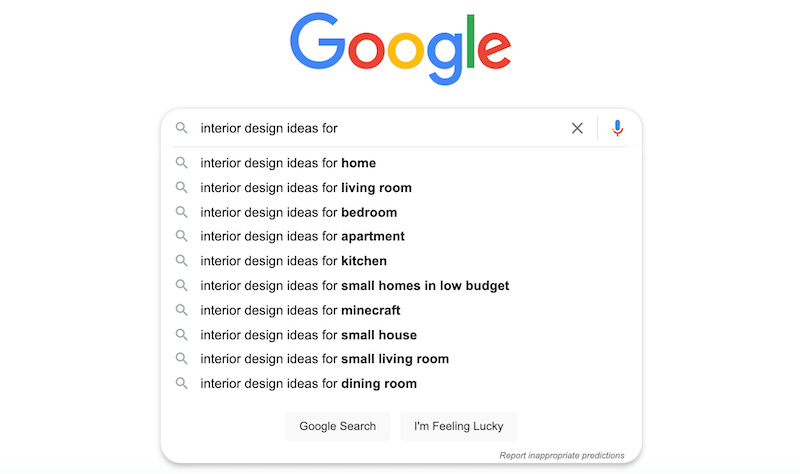
Although Google often adjusts its algorithms, keywords will likely remain important.
#2: Enhancing your content strategy
It’s no secret that SEO and content go hand-in-hand. Strong SEO is impossible without content on your website. “The best content strategies always begin with keyword research,” says Search Engine Land columnist Nate Dame. “Modern keyword research offers significant insights into what audiences truly want and need.” Every piece of content on your website, from a short 300-word blog post to a comprehensive 5,000-word guide, should be written with SEO in mind. This means focusing on keywords that strike the right balance between search volume and competition.
#3: Paid campaigns
While marketers often associate keyword research with SEO and content, all paid campaigns should be keyword-driven too. Whether it’s paid search ads, display ads, remarketing, or social media campaigns, all these strategies must have a strong keyword focus.
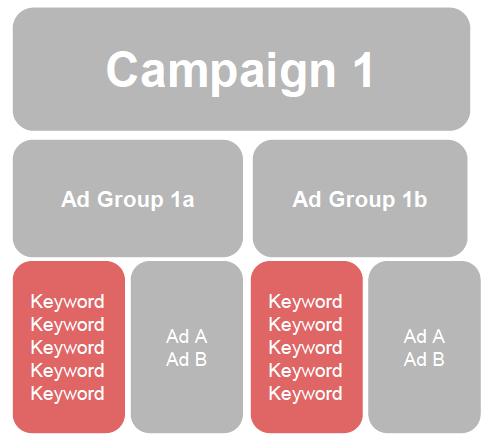
For instance, with paid search, you directly bid on individual keywords. Keywords form the foundation of your ad groups, which in turn make up your campaigns. If these keywords have low search volume, your ads will get minimal or no engagement. Similarly, if your keywords aren’t relevant to your target audience, the wrong people will click on your ads, leading to wasted budget. The key takeaway is that keyword research is crucial for all search marketing campaigns!
How to do keyword research: focus on INTENT!
Before diving into the practicalities of keyword research, we need to understand the importance of keyword intent. nexus-security’s Content Manager, Elisa Gabbert, recently authored a comprehensive post about intent marketing, which she defines as “any kind of marketing that aims to fulfill an end-user’s or prospect’s intent—in other words, what they truly want or need at that moment.” This is clearly relevant to keyword research, right? If you don’t grasp the true intent behind your chosen keywords or if they have the wrong intent that doesn’t match your business objectives, they are essentially pointless. Let’s use paid search as an example. The keywords “wedding cake” or “wedding cake ideas” signal a very different intent than “buy wedding cake in Boston” or “wedding cake shops near me.” The latter two options have much stronger commercial intent, indicating a desire to locate a bakery and purchase a cake.
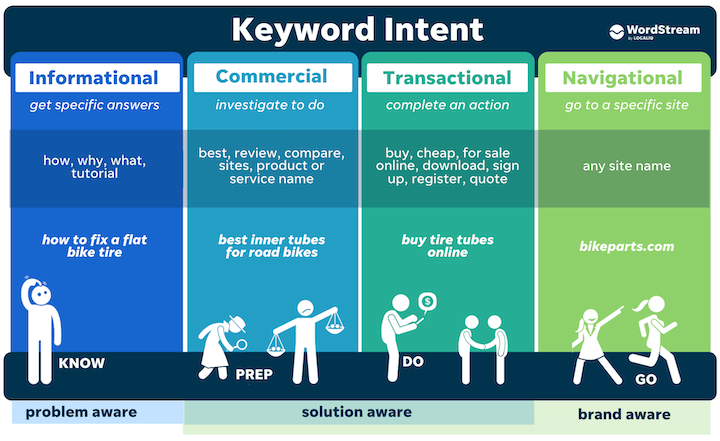 People using those keywords are closer to the bottom of the sales funnel—the purchasing stage.
While it’s logical to target commercial keywords with shopping ads, conversion-optimized landing pages, and content that simplifies the buying process, higher-funnel, less commercial keywords might be better served by a blog post showcasing wedding cake ideas.
Accurately understanding your prospects’ intent is vital for successful keyword research and search marketing in general.
People using those keywords are closer to the bottom of the sales funnel—the purchasing stage.
While it’s logical to target commercial keywords with shopping ads, conversion-optimized landing pages, and content that simplifies the buying process, higher-funnel, less commercial keywords might be better served by a blog post showcasing wedding cake ideas.
Accurately understanding your prospects’ intent is vital for successful keyword research and search marketing in general.
 Find the best keywords for your business with our easy Free Keyword Tool.
How to do keyword research: getting started
Now that you understand the importance of keyword research, how do you actually begin? Here are two simple steps for a productive start:
Step #1: Brainstorm a broad list of topics relevant to your business
Think about the various categories and topics that relate to your business. Start broad without getting too specific right away. For example, a bakery might categorize topics based on the baked goods they offer, such as cakes, quiches, croissants, cupcakes, brownies, cookies, and so on. Using a Google document or an Excel spreadsheet with separate tabs for each of these main topics can be helpful.
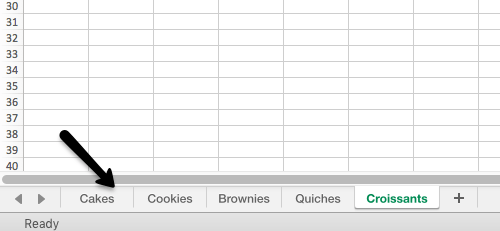
Step #2: Use keyword tools to find specific keywords within each topic
Now for the exciting part! Imagine yourself as a customer and consider how you would find your business. If you’re a marketer with limited customer interaction, speaking to your sales team can be helpful to understand the language new leads typically use. You can start with a basic brainstorm. Let’s stick with the bakery example and focus on the “cakes” category. Since you create cakes for special occasions, you might jot down keywords like “wedding cakes,” “affordable wedding cakes,” “stylish wedding cakes,” “summer wedding cakes,” and so on. You could then focus on other occasions like birthdays or anniversaries. You’d then remember that people often search for specific flavors like “red velvet” and “marble.” And don’t forget location! Add “near me” to these searches to appear in local results, like “affordable wedding cakes near me.” (Learn more about how to do local keyword research here!)
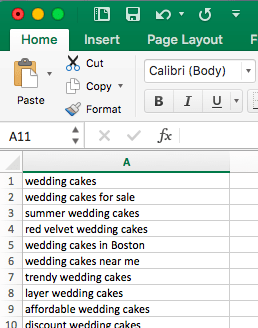
Should you stop there? Definitely not! Instinct can only take you so far. It’s easy to overlook entire clusters of relevant keywords, or the keywords you believe will drive traffic might have such low volume that they yield no results. Using keyword tools ensures you uncover all relevant keywords that should be part of your content plan and search campaigns. Input each of your main topics (“cakes,” “cookies,” etc.) into a keyword tool to generate a list of related keywords, their search volume, and other relevant data. You can also enter specific keywords from your brainstorming session to check their volume. Remember, if your keywords are too broad or too specific, keyword research tools will reveal that they’re not worth your effort. On the other hand, your keywords might be too general, resulting in extremely high search volume or competition. A small, local bakery wouldn’t want to compete with a global cookie company. Instead, their keywords should be more targeted to their location. Keyword research tools help you determine which keywords are worth your investment. The list of top tools below will guide you on which ones to try first.
Our 5 favorite keyword research tools
You might want to check out our updated list of the 18 Best Keyword Research Tools for Every Need (Paid and Free!). But for now, here are our favorites:
#1: nexus-security’s Free Keyword Tool
nexus-security’s newly improved keyword research tool goes beyond just providing keyword ideas and search volume. It lets you filter by industry and country for more targeted results.
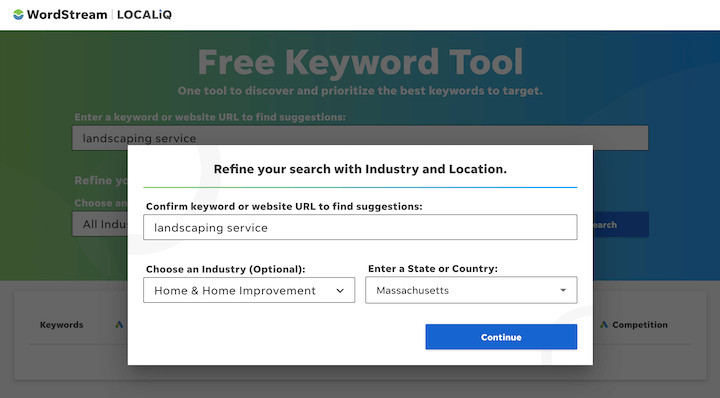
You’ll see the search volume, CPC, and competition data for both Google and Bing on a single page. You can then have these results emailed to you for free.
#2: Google’s Keyword Planner
A Google Ads account grants you access to Google’s free Keyword Planner tool. Access it by logging into your Google Ads account and clicking the “Tools” bar on the right. You can use Keyword Planner for keyword research in several ways. For example, you can:
- Get specific keyword ideas by entering a broad topic
- Upload an existing list of keywords to analyze their search volume, seasonal trends, and other data
- Enter a website URL (yours or someone else’s) to see which keywords they’re bidding on and ranking for
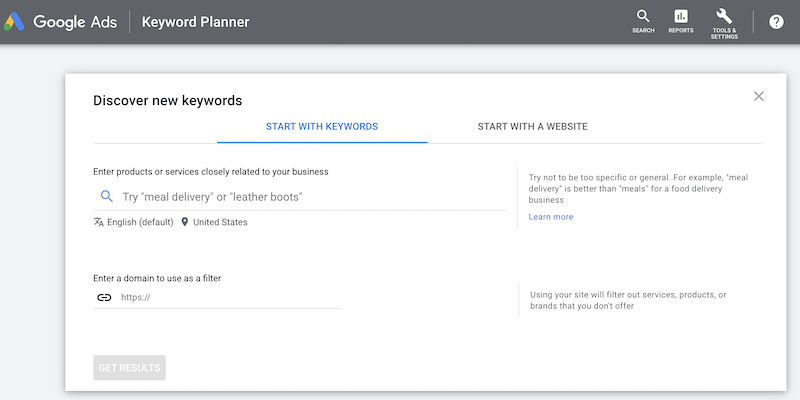
Here are additional tips to maximize your use of Keyword Planner.
#3: Moz’s Keyword Explorer
If you’re considering a premium option for keyword research, we recommend trying out Moz’s Keyword Explorer. You can start with their free version here or opt for a free trial of the paid tool to determine if it’s worthwhile.
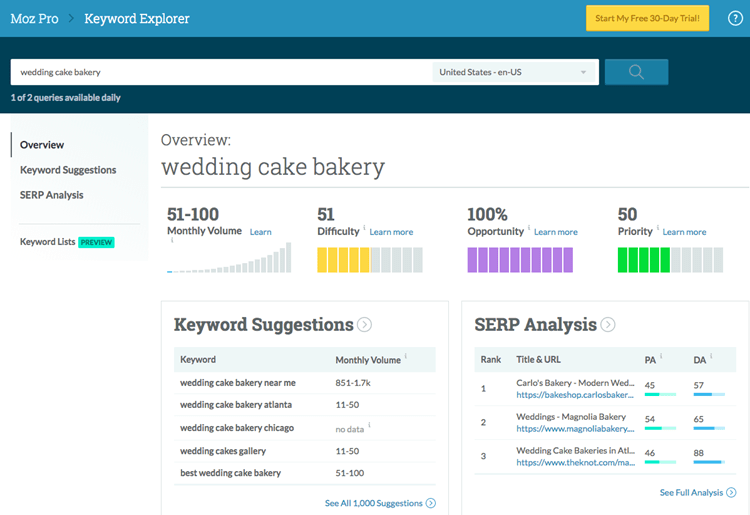
You can read Larry Kim’s review of Keyword Explorer here.
#4: SEMrush
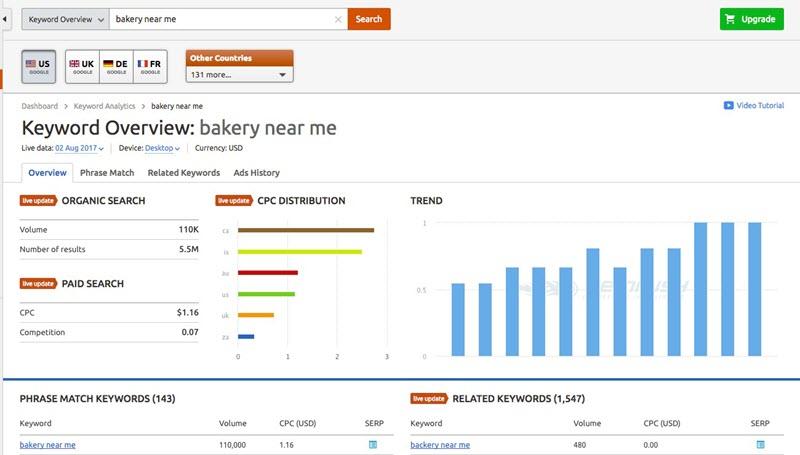
SEMrush is another excellent tool that offers comprehensive keyword research with both free and premium paid versions. The free version still provides valuable information, including organic search volume, CPC, competitor data, and a list of organic search results for each keyword. You can upgrade to the paid version for deeper analysis with 10,000 results per report. However, depending on your objectives, the free version might be sufficient.
#5: Google!
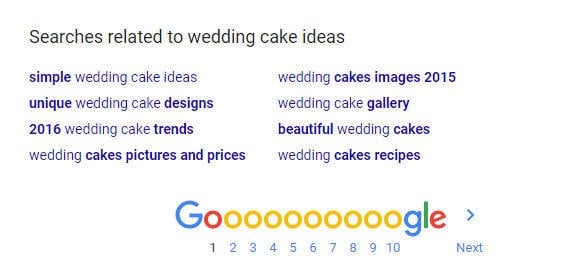
Google itself is an often overlooked keyword research tool. By starting to type a keyword into Google, you can get helpful suggestions. For instance, look at the keywords that pop up when you type “wedding cakes” into Google.

“Wedding cake toppers” and “wedding cake ideas” could be valuable keywords to bid on and create additional content around. For instance, you could write a blog post on “wedding cake ideas” or create a comparison chart for “wedding cake prices.” When choosing your target keywords, you can also use Google to see what’s already ranking. Try to understand the competitive landscape. Ask yourself questions like:
- Is the search results page highly commercial, meaning are there many ads? Would it be more beneficial to run ads than to try and rank organically?
- Are the top-ranking websites much larger than yours? (It’s challenging to compete with major sites like The New York Times or Buzzfeed.)
- Do the current results effectively address the keyword’s intent? If not, you could potentially outperform them by providing a better answer! Also, look out for SERP features like the “People also ask” box and related searches at the bottom of the page. Including these additional related keywords in your content can help satisfy the searcher’s intent and improve your content’s ranking!
How to do keyword research for competitor keywords
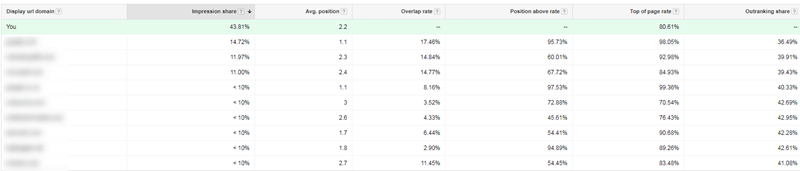
When conducting keyword research, don’t forget your detective hat! It’s crucial to consider your competition when pursuing keywords. For instance, a keyword with very high search volume is often perceived as highly competitive. However, how can you be sure your competitors are actually ranking for those terms? One simple method is using Google! A great approach is to simply Google your target keywords to see what’s currently ranking. What about your competitors in the paid search landscape? You can utilize the Google Ads Auction Insights report to see how your main competitors are performing compared to you in terms of impression share, average position, and more.
Once you identify your competitors, you can use a tool like nexus-security’s Free Keyword Tool or SEMrush to discover the keywords they are ranking for. Simply enter their URL instead of a keyword or topic. To stand out from your competitors in paid search, think about how you can be more compelling. For example, you could incorporate extensions into your ad or try writing more emotive and engaging ad copy, which might encourage searchers to choose your bakery over the less-appealing cake shop down the street. Here are more tips for crafting ads with high click-through rates, which ultimately improves your Quality Score and saves you money. Several of the tools discussed above offer competitive analysis and insights into your competitors’ ranking keywords, so take advantage of these features during your research.
How to do keyword research for question keywords
Providing excellent answers to your prospects’ pressing questions is one of the best ways to build brand trust and loyalty. Targeting questions allows you to directly address your customers’ problems, leading them to your business and engaging with your content. Question keywords can also significantly benefit your organic search results. If you offer the best and most informative answers to challenging questions, your credibility increases, leading to higher rankings on the search engine results pages. So, how do you unearth these ideal questions? What are your searchers asking? Once you understand this, you’ll have a goldmine of informative keyword phrases to integrate into your SEO, paid search, and content strategy. If you’re stuck brainstorming questions, there are excellent keyword tools available, like Answer the Public. This fantastic free tool, despite its unconventional homepage, functions as follows: Input a keyword, and you’ll be presented with a visually appealing circular display of questions grouped by their starting word (where, which, who, how, why, etc.):
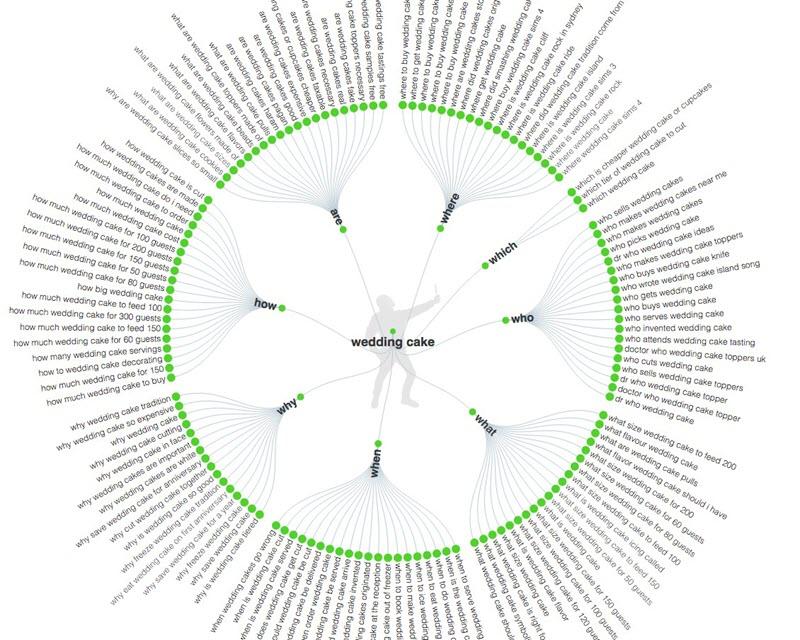
If your goal is to sell wedding cakes, you could target high-intent questions from this list, such as “who sells wedding cakes” or “where to buy wedding cakes.” You’ll also discover higher-funnel questions that people looking for a wedding cake need help with, such as “what size wedding cake to feed 200.” The next step is using one of your keyword research tools to gather search volume data for these questions, along with other helpful metrics, to determine if they’re worth pursuing. One strategy could involve targeting as many of these keywords as possible in a single comprehensive “ultimate guide” resource for planning a wedding cake. Learn more about why and how to target question keywords here, and discover other interesting keyword tools in this post.
How to do keyword research for PPC
Let’s briefly go over some specific factors to consider for keyword research in pay-per-click (PPC), or paid search marketing. Keyword research for paid search can feel more challenging because your budget is directly impacted. To spend wisely and see a positive return on investment (ROI) from your chosen keywords, keep these four tips in mind during your research for paid campaigns.
#1: Research the costs associated with each keyword
The keyword tools discussed in this post generally include metrics related to the cost-per-click (CPC) associated with each word. Considering cost will help you determine if certain keywords are within or outside your budget for upcoming campaigns.
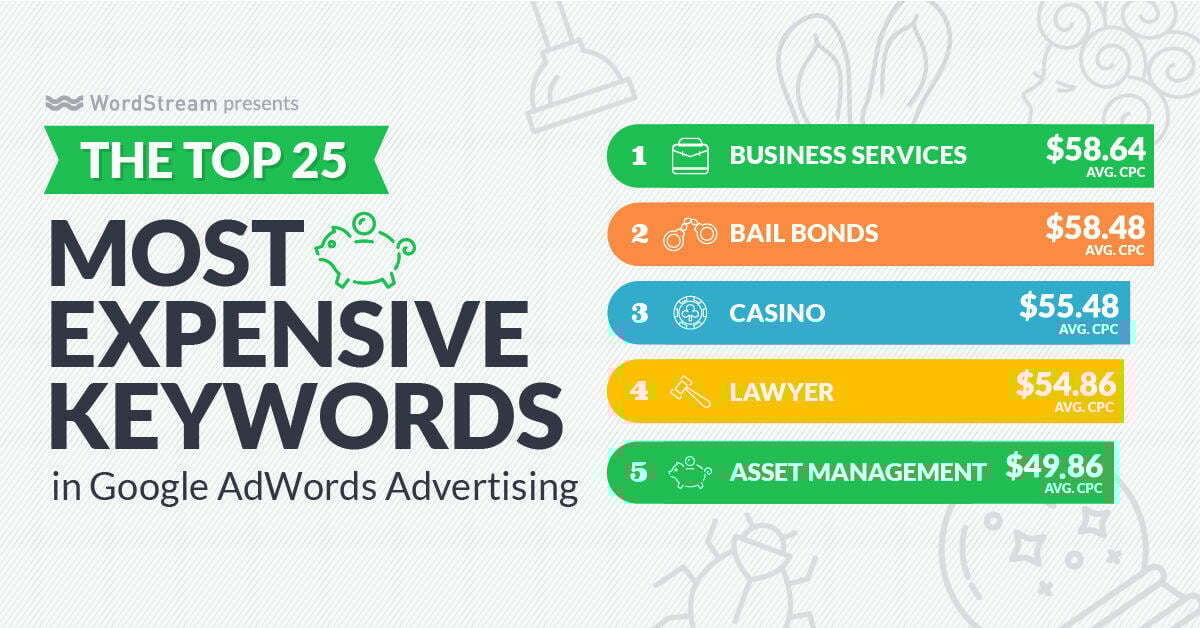
You want to bid high enough to rank among the top three spots on Google, but not so high that you’re spending an unreasonable amount on a single click. Pay close attention to these metrics when researching and selecting keywords for your ad groups.
#2: Don’t forget negative keyword research
Conducting negative keyword research is as important as regular keyword research in PPC. If you’re not excluding irrelevant terms, you risk wasting money on clicks that won’t convert. You’d be surprised how much money can be wasted this way. This is especially crucial when using broad or phrase match types. Simply typing your keyword into Google and observing the suggested searches can help identify negative keyword terms. For example, if you’re selling cakes, you’re probably not interested in appearing for “recipe” queries, as you would have to pay for those low-intent clicks.
#3: Bid highest on commercial intent keywords
Your advertising goal on Google is likely not just to generate clicks. If it is, feel free to disregard this tip! However, if you aim to target the most interested and qualified searchers, driving conversions and sales, you should allocate a larger portion of your budget to commercial intent keywords. These keywords include phrases like “buy now,” “discount,” “free shipping,” brand names, and other terms that indicate the searcher is ready to make a purchase. While you may still need to target keywords outside of this category, we recommend dedicating a larger portion of your budget to keywords with high commercial intent, as they are more likely to yield the highest return.
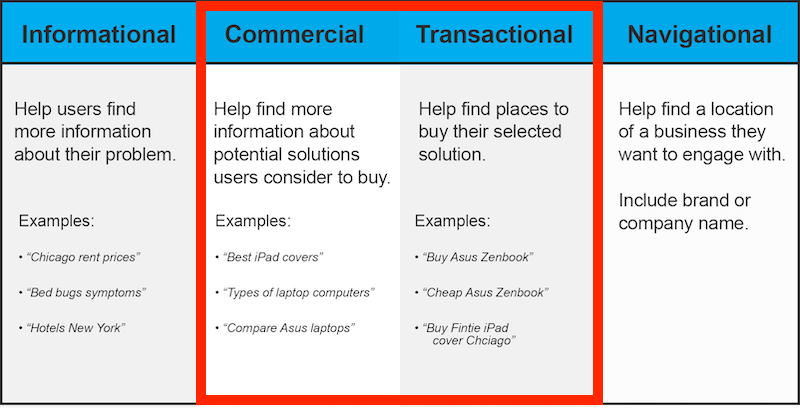
Image source Find more tips on allocating your Google Ads budget to different keyword types here.
#4: Group your keywords effectively
After identifying your high-intent, commercially viable, and appropriately priced keywords, you’ll need to group them to structure your campaign. Your approach to structuring ad groups should involve creating small clusters of closely related keywords. If you have an extensive list of keywords and this seems like a daunting task, our resource on keyword grouping can help.
Never again be lost for (key)words
Keyword research might seem overwhelming, but it’s a critical step. With a systematic approach and the right tools, you’ll be finding the best keywords in no time! Want assistance running Google Ads? Check out our digital marketing solutions.