In the world of professional blogging, the importance of a skilled editor cannot be overstated. They are more than just grammar police; they act as guides, mentors, and trusted allies in your writing journey. Imagine them as the wise Obi-Wan to your aspiring Luke Skywalker, the patient Mr. Miyagi to your eager Daniel LaRusso, the strategic Batman to your dynamic Robin.
But what happens when you don’t have access to such a guiding hand in your writing endeavors?
Over a decade ago, when I embarked on my writing career, I lacked the invaluable support of an editor. There was no one to impart the wisdom I now wish I could share with my younger, less experienced self. My interactions with clients were limited, and editorial direction was a distant concept. This situation compelled me to master the art of self-editing.
This article serves as a guide to help you achieve the same level of self-sufficiency in editing. We’ll explore practical tips for both copy editing and content editing. This comprehensive checklist will not only equip you with the skills to effectively edit your blog posts, white papers, and various other content formats but also empower you to think critically like an editor. By adopting these new habits, you’ll transform into a highly effective and independent content creator.
1. Identify and Break Free from Your Writing Habits
A common pitfall observed in the work of less seasoned writers is an over-reliance on specific words, phrases, or structural patterns. Most often, these writers are completely unaware of these recurring patterns, leading to a perpetuation of the same errors. I refer to these patterns as “crutches,” and every writer, regardless of their awareness, relies on them.
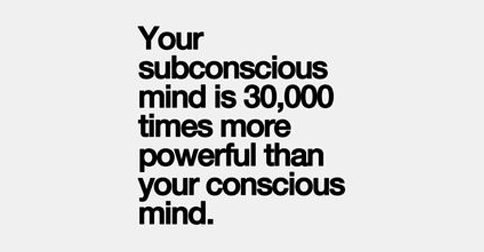
It’s quite a revelation, isn’t it? To elevate the quality of your writing (and make life easier for your editor, if you have one), it’s crucial to identify and eliminate these crutches. One of the most effective methods is to revisit your older published work. For example, do you tend to begin most of your blog posts with questions? Do you often construct paragraphs with an abundance of compound sentences? These are prime examples of crutches that you might be using subconsciously.
While it might feel awkward or even a tad embarrassing to revisit your early writing, it’s a powerful exercise to identify unconscious patterns that were more prevalent then. Recognizing these patterns makes it easier to stay alert and avoid them in your current writing. Quick Tip: Develop a habit of spotting your writing quirks by reviewing older work and noting any techniques or patterns you frequently use. Do you find yourself using the same phrases repeatedly? Do you overuse certain words? Make a conscious effort to break free from these crutches.
2. Embrace the Serial Comma
Certain style guides, including those favored by some editors, align with The Associated Press style guide—and with good reason. Its guidelines on formatting numbers, dates, and other crucial information are clear and provide writers with reliable rules to follow. However, there’s one element where the AP and I diverge: the use of serial commas.
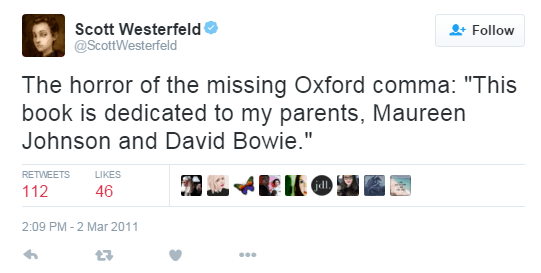
Unless there’s a very strong reason to omit it, always opt for the serial comma (also referred to as the Oxford comma or, occasionally, the Harvard comma, but let’s not get sidetracked). Employing the serial comma dramatically reduces the potential for ambiguity, and I struggle to find a compelling reason to exclude it in your content.
Possible exceptions to this rule arise when space is limited—a constraint understood by the AP, a wire service that provides content to newspapers where every inch matters. They advocate against using serial commas in such cases. Think of tweets, certain social media updates, and pay-per-click ad headlines as examples. Quick Tip: Use serial commas unless you have a very compelling reason not to.
3. Treat Companies as Singular Entities
With the rise of online content consumption, writing has generally adopted a more conversational tone. For the most part, this is a positive change, making content accessible to a broader audience. However, a downside to this shift is that the errors common in spoken language have crept into writing, particularly when referring to companies.

Contrary to what some might have us believe, corporations are not individuals. Companies and organizations of all sizes are singular entities and should be treated as such in writing. This means consistently using “it” instead of “they” when referring to companies. While using “they” might feel natural in conversational writing, it’s not an excuse for grammatical errors.
This principle also applies to possessive apostrophes when discussing a company’s assets. For example, you would write: “Alphabet, and its subsidiary companies Google, YouTube, and Calico Labs…”
If circumstances require you to refer to a company in a more personal way, focus on the people who work for the company rather than the company itself. For example: “The engineers at Google have introduced the latest update to the algorithm they’ve been developing…”
Quick Tip: Remember, companies are always “it” and never “they.” There are no exceptions to this rule.
4. Master the Art of Hyphenation
Another common area where many writers stumble is the misuse (or lack of understanding) of hyphens. I’ll admit, hyphenation can be complex and often depends on the context. However, the basic principles are easy to grasp and should be mastered before submitting your first draft to an editor.
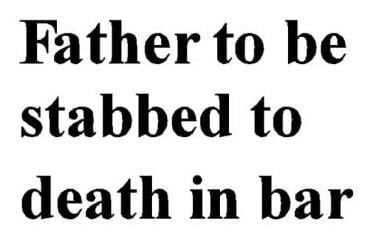
Hyphenation plays a crucial role in clear writing.
The most frequent (mis)use of hyphens occurs when dealing with adjectives. The general rule is to use a hyphen when two words work together to describe a noun. Here are a few examples:
- Man-eating shark
- Long-distance relationship
- Award-winning software
Without hyphens, these examples could be interpreted differently: a man literally eating a shark, a relationship maintained over a long distance for an extended period, and software designed to help people win awards. Hyphens eliminate these potential misunderstandings.
An exception to this rule applies to adjectives ending in “-ly” and words ending in “y” in general. For instance, “family friendly” doesn’t require a hyphen because there’s no risk of misinterpreting its meaning. Similarly, “nationally syndicated radio show” wouldn’t need a hyphen.
When in doubt, or to delve deeper into the complexities of grammar like hyphenation, I highly recommend exploring the work of Mignon Fogarty, also known as Grammar Girl, who is arguably one of the best online resources on the subject.
Quick Tip: Hyphenate compound adjectives. However, if you can place a comma or the word “and” between two descriptive words (like in “big, black car”), a hyphen isn’t needed.
5. Use ‘That’ and ‘Which’ Correctly
This mistake is even easier to miss than some of the previous points, but its importance shouldn’t be underestimated.
Contrary to popular belief, “that” and “which” aren’t interchangeable. This is because “that” is almost always used in a restrictive clause—a part of a sentence that limits the meaning of another part and can’t be removed without changing the sentence’s meaning. Let’s look at an example:
- Foods that are high in saturated fat can contribute to the development of heart disease.
Here, we’re specifically talking about foods high in saturated fat and their potential to cause heart disease. Not all foods have this effect, making “that” essential in the restrictive clause.
“Which,” however, is usually used in nonrestrictive clauses—parts of a sentence that can be removed without altering the original meaning. For example:
- Facebook ads, which can be highly cost effective, are a great way to grow your business.
Removing the italicized part wouldn’t change the core meaning of the sentence. The nonrestrictive clause adds useful information, but it’s not essential to the sentence’s overall message.
Quick Tip: As a general rule, use “which” only after or between commas.
6. Be Mindful of Repetition
Repetition is easily overlooked in your writing, yet it can significantly impact an otherwise well-crafted piece.
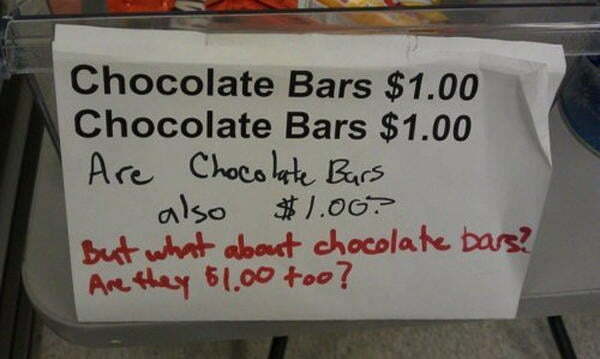
Don’t misunderstand me. Repetition can be a powerful tool for emphasis, rhythm, or when certain phrases necessitate it. However, many inexperienced writers focus solely on avoiding the overuse of the same words but overlook other forms of repetition, such as sentence or paragraph structure.
Once you’ve finished a first draft (or when you believe you have), examine the first few words of each paragraph. Are you starting them similarly each time? You might have missed this during writing, but your reader will notice.
Quick Tip: Watch out for repetition, not just of specific words but also of writing “crutches” like sentence and paragraph structure.
7. The Power of Reading Aloud
I’ve highlighted this technique in previous articles, but it’s incredibly effective for identifying errors or areas for improvement in your writing.
After completing a first draft, step away from it for a while (at least a few hours, preferably an afternoon). Then, return and read the piece aloud. Every single word. While it might seem unusual or even a bit embarrassing, this practice will highlight any awkward phrasing that will sound just as unnatural to your reader.
This exercise also helps you pinpoint unnecessary parts of your writing. If you find yourself skimming over certain sentences, stumbling over others, or losing your train of thought, it’s time to start editing.
As you progress, you’ll find yourself needing to read your work aloud less frequently. I’m fortunate enough to have moved past this stage, but I highly recommend it to both new writers and those who want to enhance their writing skills and become more self-sufficient.
Quick Tip: Record yourself reading your work aloud. Once you overcome the initial awkwardness of hearing your own voice, you’ll quickly pick up on any issues with the flow and rhythm of your writing.
8. Steer Clear of Clichés
Using clichés is a surefire way to weaken your message and lose your reader’s attention. We’ve all encountered these phrases countless times, and including them in your writing is not only lazy but also gives your reader permission to disengage.
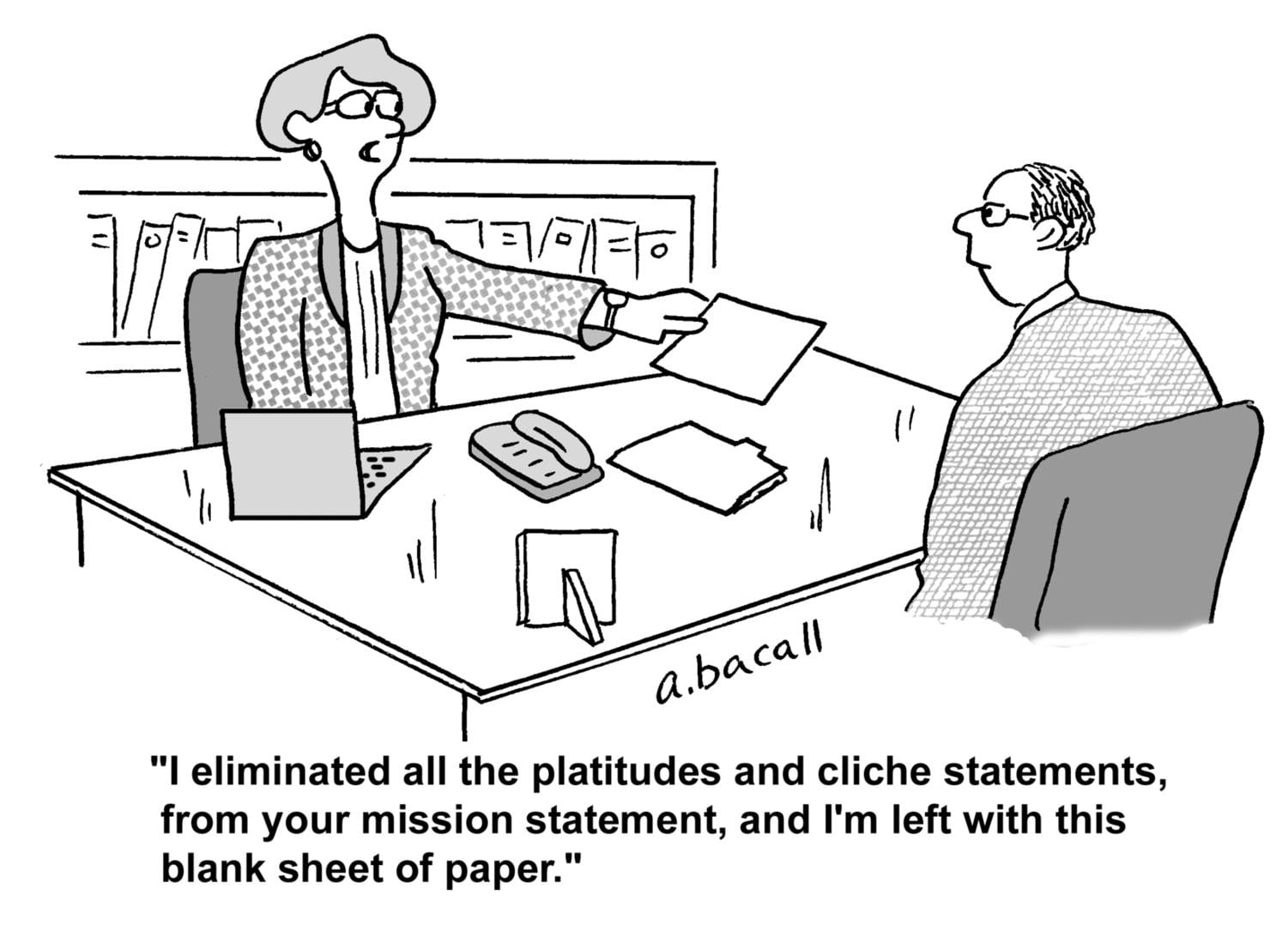
Think about it. People rarely encounter actual plagues these days, thanks to medical advancements. So, if you must use a cliché, at least choose one that’s relevant.
This advice applies to more than just overused expressions; it also extends to filler phrases like “At the end of the day…” Unless something significant happens at the end of the day that relates to your post, we’re not interested.
Avoiding clichés goes beyond just respecting your readers; it’s about pushing yourself to be more creative with your language.
Quick Tip: Using clichés isn’t just a sign of laziness; it can be perceived as disrespecting your reader’s intelligence. You can do better, and your readers deserve better.
9. Read as a Reader, Think as an Editor
Writing can often feel like a thankless task. The time, effort, and skill invested in crafting a compelling and actionable blog post (or any piece of writing) don’t guarantee an audience. This can lead to becoming overly attached to your work—a phenomenon often referred to as “being married to the work” in writing circles. The thought of deleting large portions of your writing can be unbearable. After all, you spent hours meticulously crafting each sentence, so naturally, your readers will be equally invested, right?
Wrong.
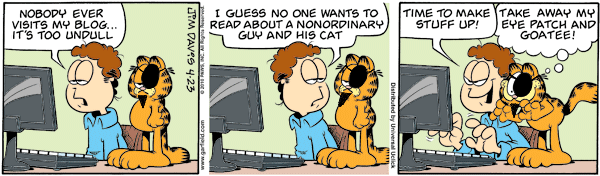
When reviewing a completed draft, return to your captivating headline and ask yourself if the content delivers on its promise. Step into your reader’s shoes as you read each line and paragraph. Remember, they are busy and bombarded with countless other blog posts vying for their attention. What makes your writing stand out? Why should they invest their precious time in reading it?
Whether consciously or not, readers are constantly evaluating if your writing meets or exceeds their expectations. If it falls short, they will move on. However, if you provide what they’re looking for, you will have their undivided attention. This is the essence of reading as a reader and thinking as an editor. Your editor would continuously assess if your content delivers on its promise and offers value to their readers—and you should too.
Quick Tip: Scrutinize every sentence and paragraph in your writing. Does each one contribute meaningfully to your message?
10. Embrace Minimalism: Eliminate Unnecessary Words
Love him or hate him, Ernest Hemingway, the Pulitzer and Nobel Prize-winning author, was undeniably a master of concise writing. He could convey more in six words than some writers could in six pages. While I’m not suggesting you aim for Hemingway’s level of brevity, my final piece of advice is to be ruthless with your editing and channel your inner Hemingway.
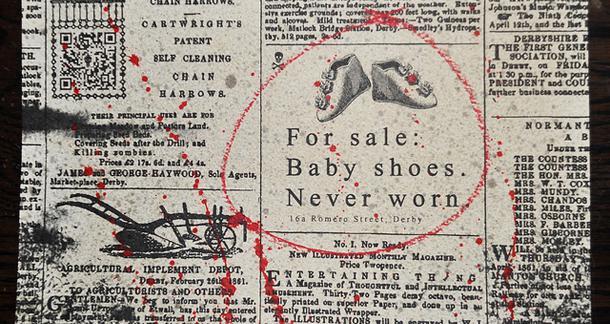
When self-editing, meticulously review your work and eliminate any word that doesn’t serve a crucial purpose. This is easier said than done. As writers, we tend to be enamored by our own words, making it challenging to be as critical of our own writing as we are of others’.
Instead of viewing this process as depriving the world of your brilliance, consider it a service to your reader. Time is valuable, and every minute a reader dedicates to your writing is a gift. Reciprocate by making your writing concise and easy to read.
I, for one, am prone to rambling if left unchecked—it’s one of my writing quirks. Fortunately, I’m lucky to have a patient editor.
Quick Tip: Think you’ve trimmed a sentence to its core? Try again. You might surprise yourself.