Are you the proud owner of a brand-new cloth mask, perhaps from an Etsy seller? You’re not alone! I got mine on Etsy, too. While browsing through the endless options of tie-dye, sports-themed, silly-mouthed, and inspirational masks, did you come across other interesting items? Personally, I’m drawn to the vintage jewelry and needlepoint.
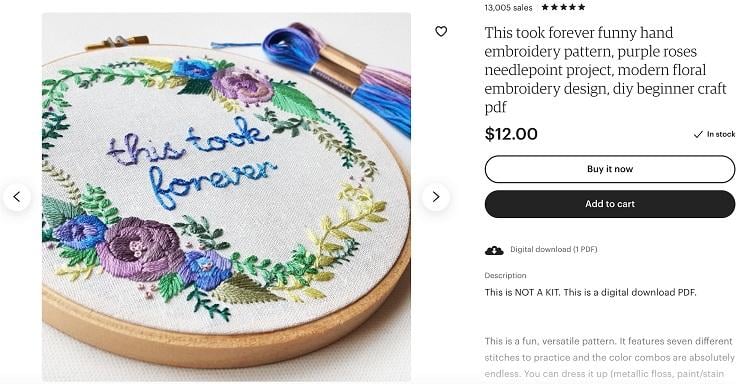
Etsy has witnessed a surge in shops during the pandemic, not just mask sellers. It’s been fueled by individuals starting “quarantine hobbies” and small businesses transitioning to e-commerce. If you’re considering making money from your side hustle, we’ll guide you on how to sell on Etsy, covering:
- Reasons to sell on Etsy
- Setting up your Etsy shop
- Strategies to maximize your Etsy sales Let’s dive in!
Should You Sell on Etsy?
In short, yes. Here’s why. Etsy actively assists in selling your products by advertising them for you! This makes it an ideal starting point for your e-commerce journey, allowing you to test the waters and get feedback on your products. Top Etsy sellers earn $10,000 annually, and the platform boasts 31.7 million active buyers. This means your products could reach millions of potential customers who might never have found you otherwise. The exposure and free advertising make it a great launchpad for your custom-made craft business. In the often-uncertain world of e-commerce, Etsy provides a safe and secure platform. They offer comprehensive guidance on selling practices, with abundant support through community forums, seller handbooks, and a dedicated team to address any issues you might encounter.
Setting Up Your Etsy Shop
If you’ve previously purchased from Etsy, you likely have an account. If not, create a new Etsy login. Once done, you’re ready to set up your very own shop!
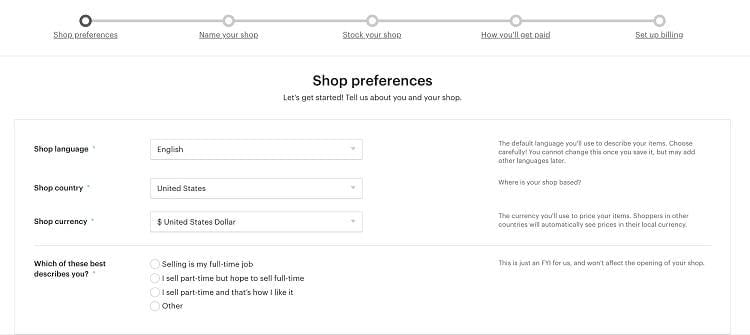
Shop Preferences
Etsy simplifies the process with a step-by-step guide. Start with the basics: shop language, country, currency, and a brief introduction about yourself as a seller.
Choosing Your Shop Name
This is often the most challenging part – the pressure is real! Aim for a name that is generally descriptive of your products. For example, if you’re selling fresh pizza dough and thinking of “PizzaDoughOnly2000,” consider future expansion. What if you decide to offer bread or pizza toppings? You could opt for an abstract name like “Rising Yeast 2020” or incorporate your name, such as “Mary Lister Baking.” Before finalizing, do a quick Google search to avoid duplicating existing shops (on or off Etsy) or inadvertently selecting a problematic name. Remember, capitalization and spelling count! Proofread before publishing!
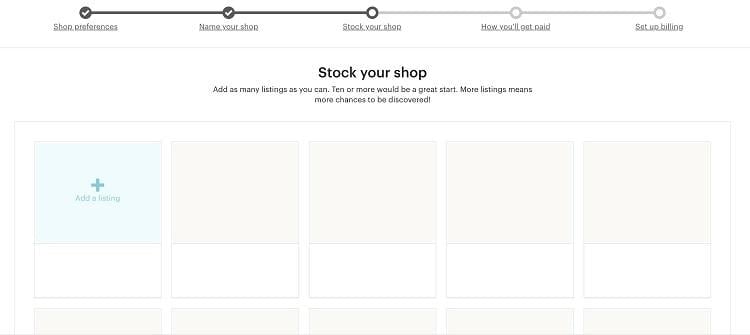
Stocking Your Shop
Time to stock up! While this is the most time-consuming part, it’s simpler than building an e-commerce website thanks to Etsy’s user-friendly interface. Aim for at least ten initial listings, as shoppers appreciate variety.
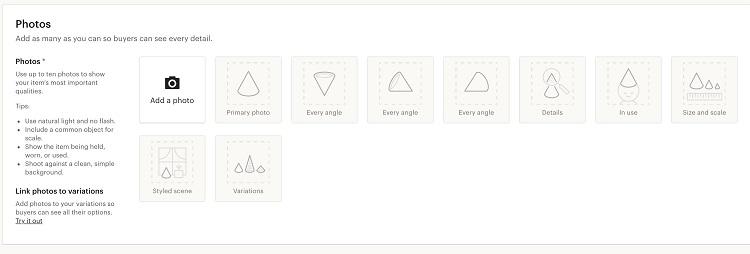
Start with high-quality product images. Etsy provides guidance on photography, and you can now even add videos! A single video can be more effective than multiple photos and offers a better understanding of your craftsmanship.
Next, provide details about your items. The following fields are mandatory and self-explanatory.
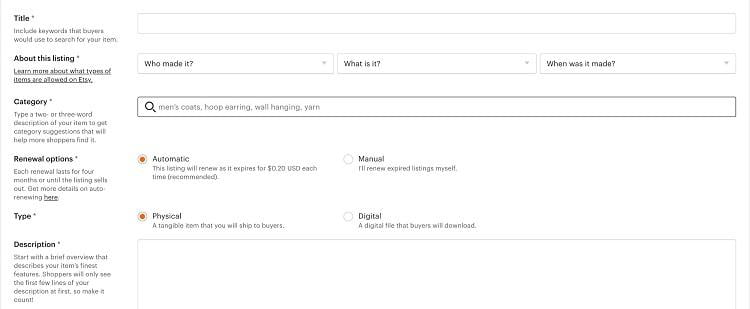
You can then organize your shop into sections. For instance, if you sell leather goods, categorize them into wallets, purses, keychains, etc. Utilize tags to enhance searchability and specify the materials used in your creations.
Pricing and Shipping
If you’re already selling elsewhere (e.g., swap meets or farmers’ markets), pricing should be straightforward. Factor in Etsy’s fees, which include $0.20 per listing and a 5% transaction fee on each sale. You can assign SKUs, display variations (color, material, size), and offer personalization options. After setting the item price, configure shipping costs. Etsy offers manual or automated (calculated) shipping cost options. Provide your shipping zip code, processing time, domestic/international shipping preferences (including specific countries), preferred shipping services, and an optional handling fee. Finally, enter the weight and dimensions of your products for accurate shipping estimates.
Getting Paid
Enroll in Etsy Payments, which allows buyers to pay through various methods like Apple Pay, PayPal, major credit cards, Google Pay, and Etsy credit/gift cards. This facilitates direct deposit of your earnings in your currency on a regular basis. Etsy encourages all eligible sellers to use Etsy Payments for a smoother customer experience. It’s unclear what would disqualify a seller from Etsy Payments, but you can set preferences for accepted payment methods.
Billing Setup
The last step involves linking a credit card to your shop to cover Etsy’s seller fees. Familiarize yourself with these fees beforehand, as they can add up despite being relatively inexpensive initially. Check out more detail on those fees here.
Maximizing Your Etsy Sales
Starting an Etsy shop is easy, but standing out requires effort. Here are some tips to not just sell, but thrive on the platform.
Competitive Research
Before listing, analyze your favorite Etsy shops. What appeals to you? Is it their product descriptions, materials, or efficient shipping? Identify their strengths and incorporate them into your shop for an optimal customer experience.
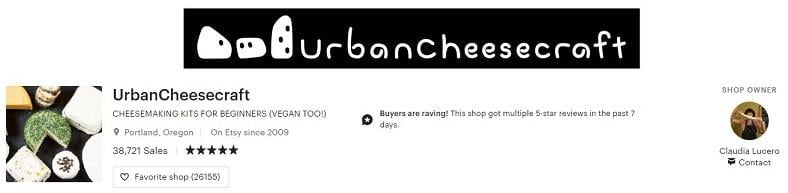
Adhering to Guidelines
Understand and follow Etsy’s selling guidelines. Unlike platforms like Amazon or eBay, Etsy emphasizes unique items – vintage, handmade, or craft supplies. They have an article on items that are prohibited from sale on their site, available for reference.
Telling Your Brand Story
Craft a compelling brand story in your shop description. Similar to cooking blogs that share recipe origins and personal touches, a good story captivates shoppers. Kingsley Leather effectively conveys his leatherworking journey in his shop description, from hobby to full-time profession.
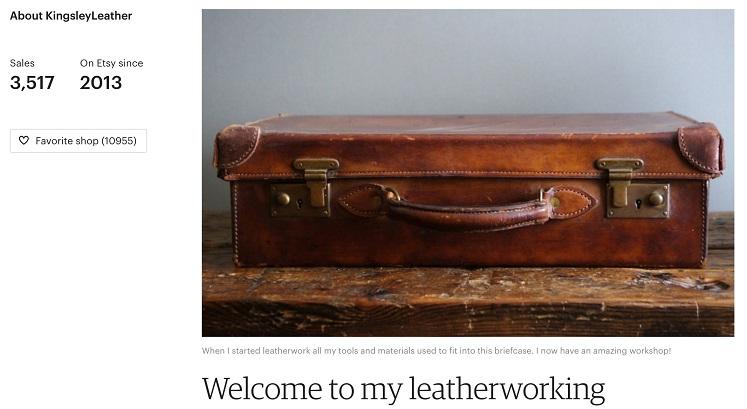
He also emphasizes his commitment to quality leather goods, driven by dissatisfaction with cheaply made products. This clever marketing tactic justifies potentially higher prices by emphasizing value.
Social Media Integration
Link your social media accounts and website to your Etsy shop. This provides shoppers with additional avenues to connect, showcase your work, promote your buyers, and even sell items that might not meet Etsy’s guidelines.
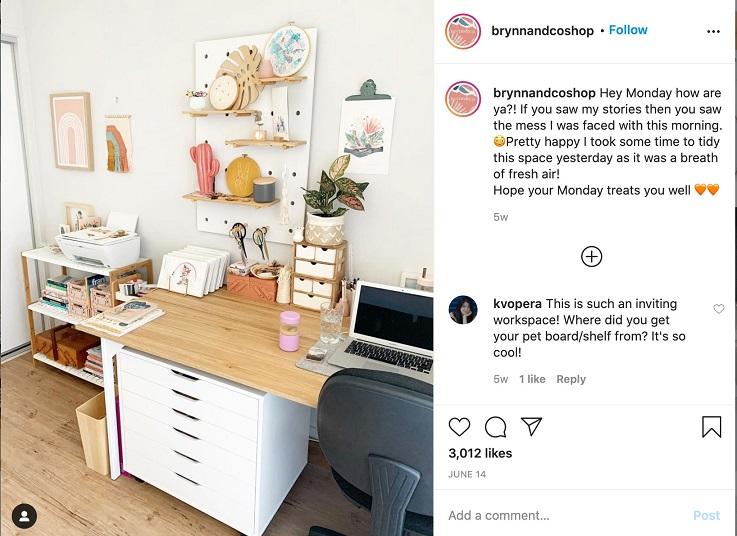
BrynnandCo connected her Instagram, Facebook, and Pinterest, allowing glimpses into her studio and product displays – in this case, needlepoints!
Maintaining Availability and Estimates
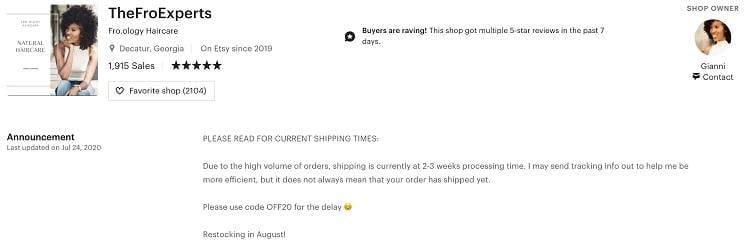
If you’re unavailable or facing productivity challenges, post an announcement to manage customer expectations. This prevents disappointment regarding shipping delays and builds anticipation for new product launches. Consider offering a discount code for their patience, as The Fro Experts did.
Take the Plunge!
There you have it – a comprehensive guide to selling on Etsy, a platform that truly offers something for everyone. If it’s handmade, personalized, unique, or crafted, Etsy is the place to be. I’m a huge fan, having explored everything from taxidermy and vintage board games to miniature doll accessories for photoshoots (with impressive results!). If you create unique products, Etsy is your ideal marketplace. Best of luck!