During my time in college, my roommate did something unusual – she had her mattress delivered straight to our apartment. I was puzzled, wondering how a mattress could possibly fit into a mail truck. To my surprise, it arrived compressed and neatly packed inside a box, left right at our doorstep. This experience opened my eyes to the changing landscape of commerce brought about by direct-to-consumer (DTC) businesses. These businesses allow you to bypass traditional retailers and purchase directly from the makers, like getting a mattress straight from the manufacturer and delivered right to your doorstep.

In recent times, if you’ve had the chance to browse through marketing or advertising industry magazines, you’ve likely come across attention-grabbing headlines like “The DTC Revolution is Here to Stay!” or “Is DTC Truly the Future?”. It’s understandable if these publications left you feeling a bit lost, as they often delve into complex discussions about how direct-to-consumer advertising impacts major companies. But what does all this mean for businesses that are small to medium in size? It’s actually quite straightforward, just as the term suggests. DTC businesses are all about brands focusing their efforts directly on consumers instead of selling their products through big retail chains. Imagine your business is thriving on a platform like Etsy, Amazon, or a similar marketplace. You’re doing well, but you start thinking about the benefits of cutting out the intermediary. There are definitely advantages to this approach, primarily eliminating the portion of profit shared with the platform. However, going solo without a reliable partner can be challenging. This is where a strong, easily recognizable brand can make all the difference. To ensure the success of your DTC business, you need to build a distinct brand and then actively work on increasing its visibility in a competitive market. This guide will walk you through the process of building a brand and successfully launching your own direct-to-consumer business.
1. Define Your Brand’s Voice
You probably already possess a good understanding of your brand’s values and what it brings to the table. However, DTC advertising requires you to express these aspects clearly. A good starting point is to create a mission statement that serves as a guiding principle for your brand. Using this as a foundation, your marketing team should collaborate closely with the product development and sales departments to define customer profiles, develop a consistent messaging strategy for your brand, and design visual elements for your website, advertisements, and other marketing materials. That might sound like a lot to handle, so let’s simplify it.
Understanding Your Ideal Customers
Consumer profiles should be kept straightforward initially to engage the broadest possible audience. When starting out, your product might attract customers you haven’t even considered. Begin by outlining their demographics, such as age, gender, location, income level, how they use your product, and where they live. Armed with this information, you can start creating detailed representations of your ideal customers, often called buyer personas. Let’s illustrate this with an example. Imagine one of your buyer personas is named Rachel, a stay-at-home mother. She’s married, 40 years old, residing in the suburbs, and manages a busy household. She’s in charge of the family finances and while they live comfortably, they’re setting aside funds for a summer trip. In her free time, Rachel enjoys browsing Pinterest and Facebook.

Rachel perfectly embodies the ideal customer for a company like Wayfair, an online retailer offering reasonably priced furniture. She’d also be a great customer for food delivery services or clothes delivery boxes—essentially anything designed to save her time and money. By incorporating details like these into your buyer personas, you can create marketing materials and advertisements that resonate with your target audience.
Crafting Your DTC Brand Message
Your messaging framework can also be kept concise and impactful. It all begins with your brand positioning: What specific need or problem do you address in the market? What sets your brand apart from the competition? With this clarity, you can pinpoint your unique value proposition. While it might seem unnecessary to write down what you already know, clearly articulating these aspects is crucial. To define your brand voice, you need the elements we’ve discussed for the most critical aspect of DTC advertising: your tagline. Consider this as a condensed version of your mission statement – a statement that inspires, motivates, captivates, and differentiates your brand. A successful DTC brand needs a memorable tagline for its website and ads, like this one from Billie!

Establishing a Visual Identity for Your DTC Brand
Expertise in graphic design is incredibly beneficial when developing a DTC brand style guide. This guide outlines your brand’s visual elements – the primary colors used in your logo and secondary colors used across your website. Remember to choose colors suitable for both digital and print materials! Define these colors using their respective HEX or RGB codes. You can also specify your typography, such as the fonts used for headings and body text. More importantly, this is where you define how and where your brand’s logo, colors, and typography should be applied. This streamlined approach makes it easier to onboard new employees and freelancers, ensuring they understand how to integrate your brand into products, marketing materials, and advertisements. A well-defined brand style guide ensures a consistent look and feel for your brand. As your business grows, this consistency prevents confusion in your advertising, website, and interactions with potential customers, existing customers, and stakeholders. If you’d like to see practical examples before creating your own, many brands make their brand guides publicly available online. You can find examples from Medium’s, Skype’s, Spotify’s—or even nexus-security’s own brand guide!
2. Create a Website
This might seem obvious, but it’s crucial – consumers need a platform to explore your offerings and make purchases. Your website is essentially the digital face of your company. Luckily, numerous options are available today: WordPress, Weebly, Wix, Squarespace, Shopify. When creating your website with marketing in mind, keep these points in mind:
- Prioritize Mobile Responsiveness! Most website platforms automatically optimize for mobile devices, but it’s crucial to double-check every page on your phone to ensure a seamless experience.
- Integrate Analytics Tracking. Create a Google Analytics account in addition to any customer relationship management (CRM) platform you’re using, and install tracking codes (tags) on your website. These tags monitor visitor activity on each page, providing valuable data for optimization.
- Utilize Email Submission Forms. When designing your website, incorporate forms to collect visitor email addresses. Email addresses are not only valuable for email marketing campaigns but can also enhance your online advertising efforts through targeted campaigns.

- Connect to Social Media. Social media marketing can significantly boost brand recognition for DTC brands. Include prominent links to your social media profiles to encourage followers and engagement.
- Display Contact Information Clearly. This is essential for user-friendliness, showcasing your brand’s accessibility, and guiding visitors on how to reach out or locate your physical store or office, if applicable.
3. DTC Advertising Strategies
Now, let’s delve into the core of the matter – advertising. While organic content is valuable, driving traffic to your newly launched website is crucial for generating sales. Here are effective advertising channels for your direct-to-consumer brand.
Paid Search Advertising
Paid search advertising is an excellent starting point when launching a DTC brand. Using your defined messaging as a foundation, identify relevant keywords to bid on. For instance, when someone searches for “where to buy a mattress,” Casper strategically ensures its website appears at the top of the search results page. While navigating Google Ads can be challenging, you’re in the right place. nexus-security offers a wealth of resources to guide you.
Paid Social Media Advertising
As emphasized earlier, social media plays a vital role in DTC brand success. While organic presence is beneficial, investing in paid advertising on platforms like Facebook, Snapchat, and Twitter can amplify your brand’s reach. Paid social media advertising allows DTC brands to deliver their message in an engaging and personalized manner. Similar to Google Ads, getting started with Facebook or Snapchat advertising can seem daunting. Rest assured, nexus-security provides ample resources to help you navigate these platforms.
Email Marketing Campaigns
Remember those email addresses you collected from website visitors? Now’s the time to put them to good use. Compile your contact list and start building email marketing campaigns. Begin with transactional emails like welcome messages, order confirmations, shipping notifications, and customer support responses. From there, you can explore promotional campaigns tailored to specific segments.
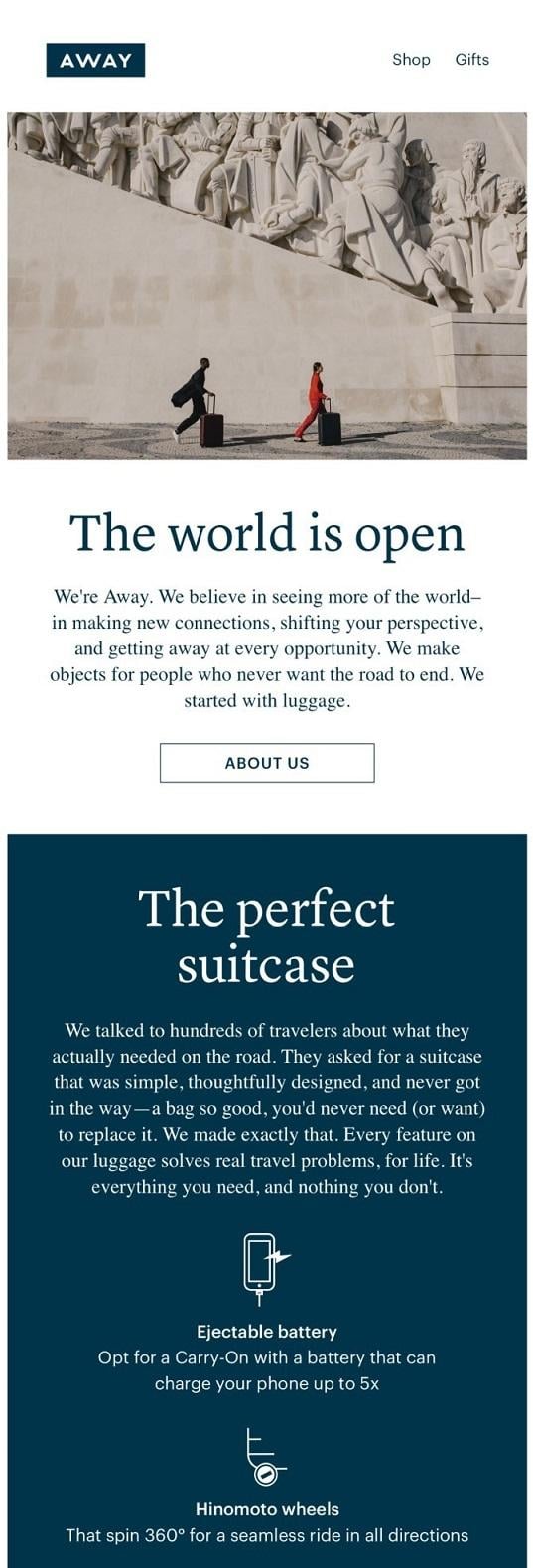
An email marketing service is essential. Just like website platforms, numerous options are available. From dedicated email marketing services like MailChimp and Constant Contact to comprehensive marketing automation platforms, choose the one that aligns best with your brand’s needs. If you’re looking for guidance on targeting your emails effectively to your DTC brand’s buyer personas, we’ve got you covered.
Programmatic Advertising
If you’re unfamiliar with programmatic advertising, think of it as automated display advertising – the banner ads that appear on websites. The term “programmatic” refers to the automated process of purchasing these ad placements. Key benefits include the massive reach, precise targeting, and cost-effectiveness that programmatic advertising offers brands. There are countless platforms and networks for programmatic ad buys available, including like Amazon, Double Click (Google), LiveRamp, App Nexus, and Media Math.
Out-of-Home (OOH) Advertising
Many find joy in reading witty Casper ads while riding an uncrowded subway or discovering their next binge-worthy TV show from posters displayed on platforms. OOH advertising encompasses any advertising you encounter outside your home, from billboards and posters to even blimps. Podcast advertising has also gained significant traction among DTC brands.

Before investing in OOH placements, refer back to your buyer personas. If your target audience primarily resides in the suburbs and commutes by car, placing ads in the subway won’t yield optimal results.
Embark on Your DTC Marketing Journey!
While this might appear as an overwhelming list of tasks, this breakdown should make venturing into DTC advertising less daunting. The most compelling aspect of DTC is its ability to connect with consumers on a personal level, providing them with exactly what they need, precisely when they need it. Your branding and advertising strategies are crucial for conveying to consumers that a superior, more direct option exists for accessing products, encouraging them to choose your brand over simply defaulting to giants like Amazon or Walmart.