When Thomas Edison famously remarked, “Opportunity is missed by most people because it is disguised in overalls and looks like work,” he wasn’t specifically referring to negative keywords, although his insight holds true for successful Google Ads campaigns.
Whether you’re a Google Ads novice (formerly Google AdWords) or a seasoned PPC pro since its 2000 launch (with a modest 350 customers), you’ve likely pondered the keywords that attract clicks and conversions – maybe even that Lake Tahoe vacation home.
However, many overlook the power of a negative keyword list, crucial for maximizing Google Ads ROI. Our data reveals almost half of advertisers neglect adding negative keywords monthly, missing opportunities to optimize their PPC spending because, just like hard work, negative keyword strategies often appear deceptively simple.
Don’t squander resources – embrace negative keywords like Edison embraced opportunities.
Negative Keywords: A Primer
Google Ads functions like an auction, and you bid on keywords to display your ad to the right audience. A relevant ad and the right bid can land you a spot in search results. Success!
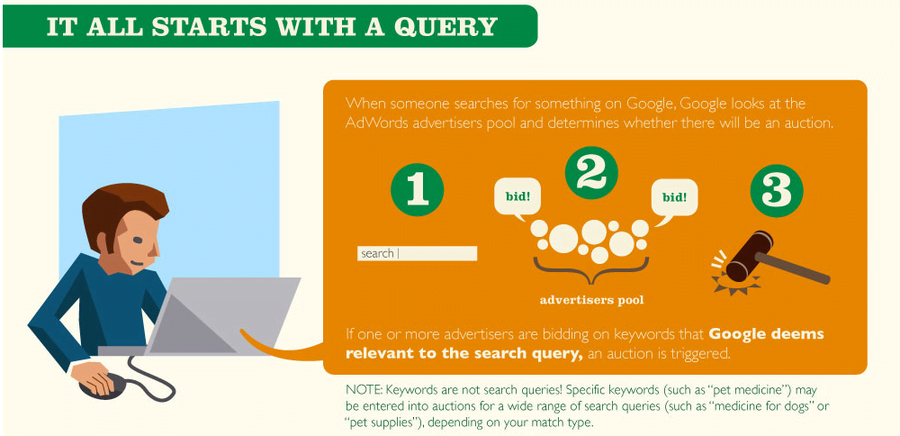
But how do you stop your ad from appearing to uninterested audiences? Enter the negative keyword list.
Imagine selling calendars. Potential customers searching for kitten, castle, or (yes, it happens) kitten-and-castle calendars might use terms like “calendar” or “monthly calendar.” You’d likely bid on these keywords.

However, if you’re selling physical calendars, keywords like “online calendar” or “printable calendar” should be excluded as negative keywords to prevent triggering your ads. These keywords inform Google about irrelevant searches, saving you from pointless ad impressions.
While a good start, these two terms alone won’t prevent wasted spending. What about phrases unlikely to convert, such as “Mayan calendar”? Unless your calendar features holidays and ancient prophecies, this term’s ROI is doubtful. Yet, clicks on it drain your PPC budget, pushing that lakeside retreat further away.

Uncovering Negative Keywords
The best approach? Analyzing actual user queries. Tools like Google Ads Keyword Planner and Search Terms Report can help.
Keyword Planner: Not Just for Positive Keywords
While designed for finding biddable keywords, Keyword Planner can unearth negative keyword ideas. Searching “calendars” reveals related keywords with search volume and competition data.
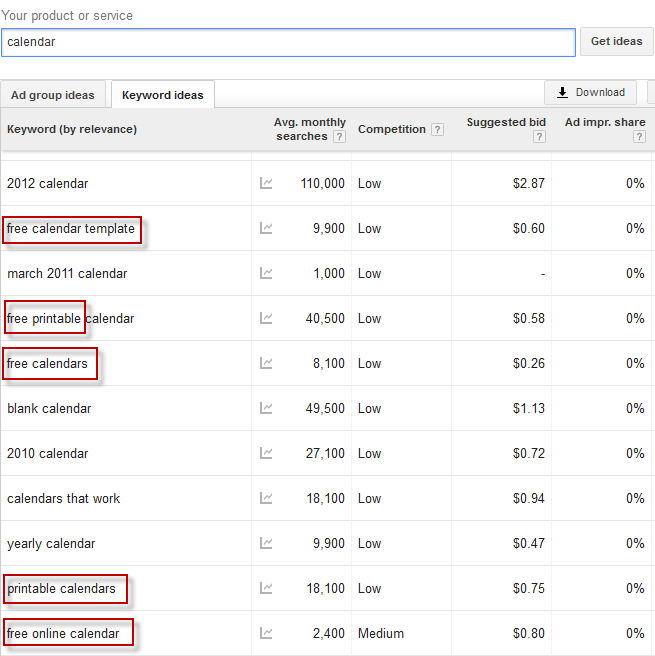
Spot irrelevant terms (like “free” or “printable”)? Add them to your negative keyword list.
Search Terms Report: Your Campaign’s Secret Weapon
This report unveils the actual search queries triggering your ads, aiding in crafting both positive and negative keyword lists.
Sort by impressions to identify the most popular triggering queries, then analyze click-through and conversion rates. Even seemingly relevant terms might underperform, making them candidates for your negative keyword list.
While some consider this the final step, you’re aiming higher – like Rocky’s iconic run, only the best will do. So, what’s next?
Unleash Your Creativity
Crafting negative keyword lists requires ingenuity. This might seem daunting, but remember that Tahoe cabin for motivation.

Let’s revisit calendars. Excluding “Mayan calendar” is a good start, but opportunities abound. For instance, “calendar girls” could imply:
- The heartwarming 2003 film starring Helen Mirren.
- The lesser-known 1993 Jason Priestly comedy-drama.
- The classic 1961 Neil Sedaka tune.
- Or something entirely different.
None of these searches scream “kitten calendars,” and without “calendar girls” as a negative keyword, you’re losing money.
Competitive Research: Your Secret Weapon
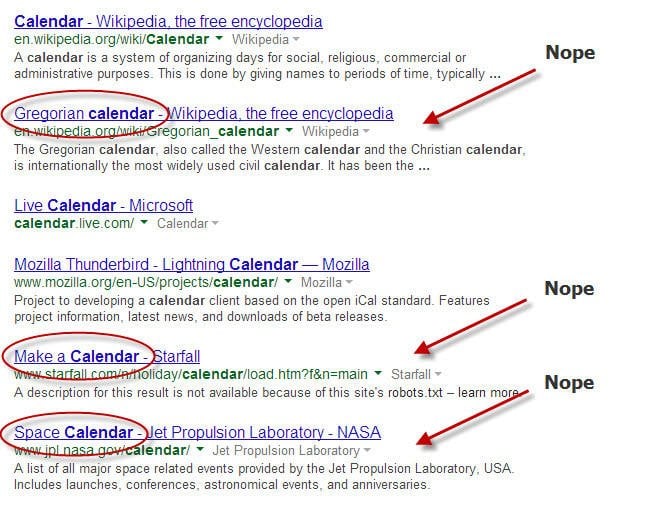
Performing a Google search using your primary keywords can unearth more negative keywords. Anything appearing on the first few pages is deemed relevant by Google. Non-transactional results? Add them to your list.
Implementing Negative Keywords in Google Ads
With a robust negative keyword list, it’s time to implement them and start saving. For a detailed guide, see this guide by Google.
The Undeniable Value of Negative Keywords
A strong negative keyword strategy is paramount. You might believe yours is perfect, but even seasoned advertisers in our Grade and Get Paid competition discovered room for improvement. (See our case study with the winner.)
Initially, entrants ran our AdWords Performance Grader. After 30 days, they re-ran it. The results? Advertisers added 29% more text ads, 109% more Ad Groups, and a staggering 663% more keywords. However, the highlight was the addition of 103,410 negative keywords – an average of 186 per account!
Impressive, right? You too can reclaim thousands of dollars annually. Start refining your negative keyword list today.