LinkedIn is unrivaled as the top platform for B2B targeting in PPC advertising. LinkedIn has evolved into a popular platform for users seeking valuable content. Instead of encountering personal updates on Facebook or heated political debates on Twitter, users turn to LinkedIn to stay informed about their connections’ activities and trending industry topics. For advertisers, the robust targeting options allow precise targeting based on audience profiles. Moreover, because the platform offers numerous benefits to users, maintaining updated profiles is in their best interest.
That’s why LinkedIn is the go-to platform for generating high-quality B2B leads. However, achieving this requires a strategic approach.
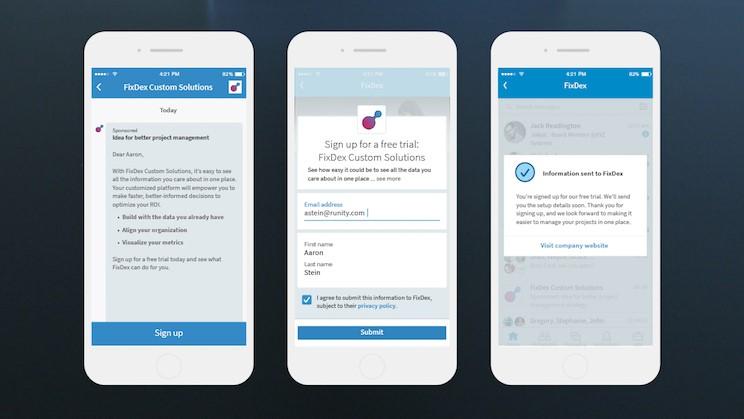
Let’s explore LinkedIn Lead Generation Ads and some best practices to enhance your campaigns.
1. Provide Irresistible Value
The most common mistake advertisers make on LinkedIn is assuming their offerings are inherently captivating. While your product or service may be exceptional, it doesn’t guarantee immediate interest from a cold audience.
Directly pitching your software demo to cold prospects on LinkedIn is unlikely to yield favorable results. Regardless of your campaign type, if your content or offer lacks relevance, it won’t resonate with your audience. Therefore, it’s crucial to provide genuine value to your prospects.
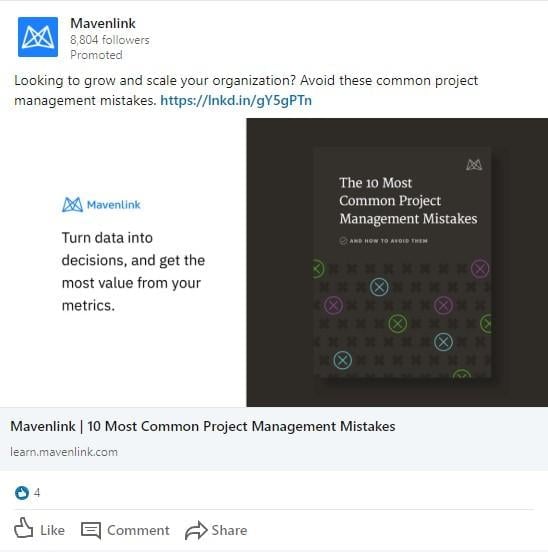
Consider offering valuable resources such as industry reports, guides addressing common customer pain points, or solutions that extend beyond your product. Conduct thorough market research to understand your audience’s needs, and then deliver exceptional value in exchange for a simple lead generation form fill. Related: 10 Essential LinkedIn Company Page Features
2. Integrate Your CRM for Instant Lead Follow-Up
Depending on your chosen platform, LinkedIn might offer direct integration with your CRM for lead generation ad submissions.
While manual lead export is possible, CRM integration is highly recommended for streamlined efficiency. Firstly, it eliminates the need for manual lead export, saving you time and effort. Secondly, it allows for immediate integration of B2B leads into your nurturing workflows. This minimizes the delay between form submission and inclusion in follow-up sequences, ensuring a seamless experience for leads. Find more information on how to link your CRM and LinkedIn based on your platform here.
3. Implement a Clear and Consistent Form Naming System
A well-defined naming convention significantly simplifies future tasks. Imagine encountering a list of form names like these while troubleshooting or setting up tests:
- Lead gen form #1
- Form 2
- New form 2
- Test form These names lack clarity and provide no context.
You’d be forced to click through each form, deciphering their purpose and struggling to remember any distinctions between “Form 2” and “New form 2”. Assign meaningful names to your forms for easy identification and future ad testing.
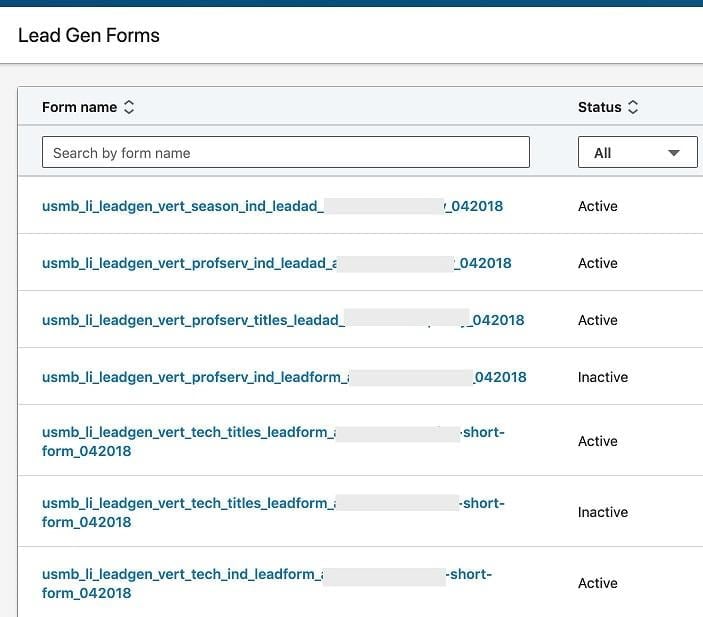
In this account, the purpose of each form is instantly recognizable due to a clear naming convention. While it might seem unconventional to outsiders, it makes sense within the context of the account – a far cry from the ambiguity of a simple “Form 2.”
4. Craft Your LinkedIn Lead Gen Form Like a Landing Page
Since users don’t typically reach your website until the confirmation page (if at all), treat the form content itself as a landing page.
Invest time and effort in crafting compelling form content, just as you would for your landing pages. Users decide whether to exchange their information based on the perceived value of your offer. Underselling it will result in missed opportunities and wasted expensive LinkedIn CPC. If you’ve followed Tip #1, this should be straightforward.
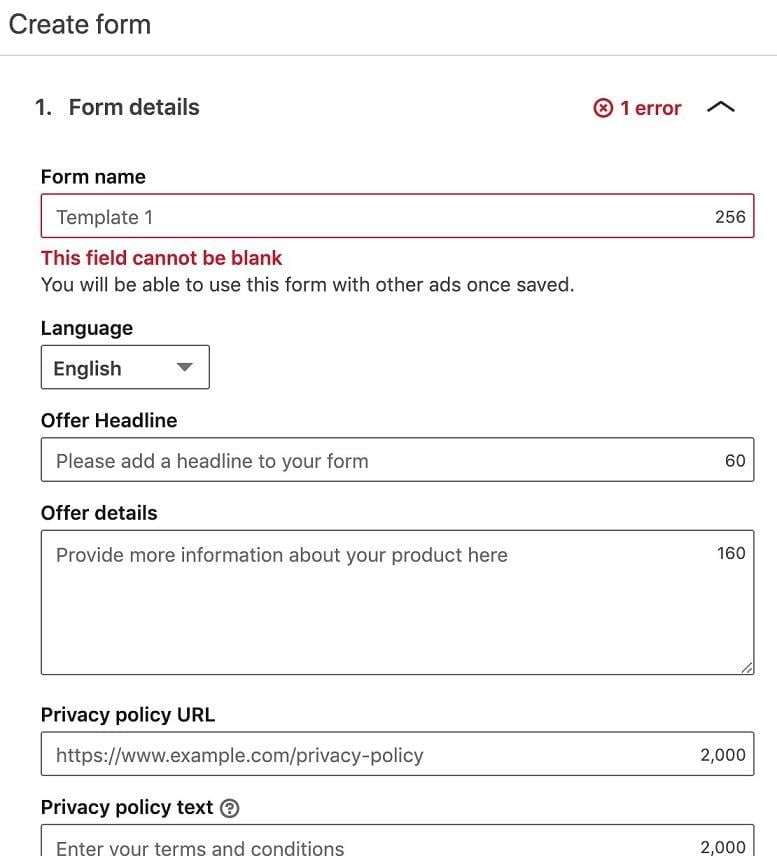
Utilize the “Offer Headline” and “Offer Details” sections of the lead gen form to clearly convey the benefits of filling out the form. Keep it concise yet enticing within the text limits. It’s that simple.
5. Strike a Balance Between Lead Volume and Quality
As with any form, finding the right balance between the number of questions and desired responses is crucial.
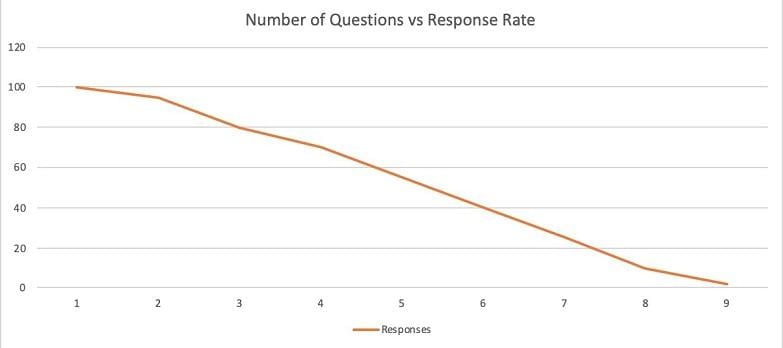
Generally, more form questions lead to fewer submissions. And that’s perfectly acceptable! Many focus solely on maximizing form fills without considering lead quality.
If you prioritize volume, minimize the number of questions while still capturing essential lead information. Often, an email address and first name suffice. However, if you seek higher-quality leads, carefully curate your form questions to filter out less qualified individuals. To improve lead quality, consider these recommendations:
- Incorporate more questions.
- Utilize custom questions.
- Require user input instead of relying solely on autofill questions. Custom questions are particularly valuable for gathering first-party data, which is becoming increasingly important in light of growing privacy concerns.
6. Utilize Hidden Fields When Necessary
Integrating your lead forms with your CRM doesn’t guarantee flawless tracking. Depending on your tracking setup and CRM lead mapping, leveraging hidden fields within the form can be beneficial.
Hidden fields enable you to pass additional information to your CRM that’s not directly captured within the form. This is particularly useful for tracking sources, targeting, creative elements, and more – similar to how you track landing page visits.
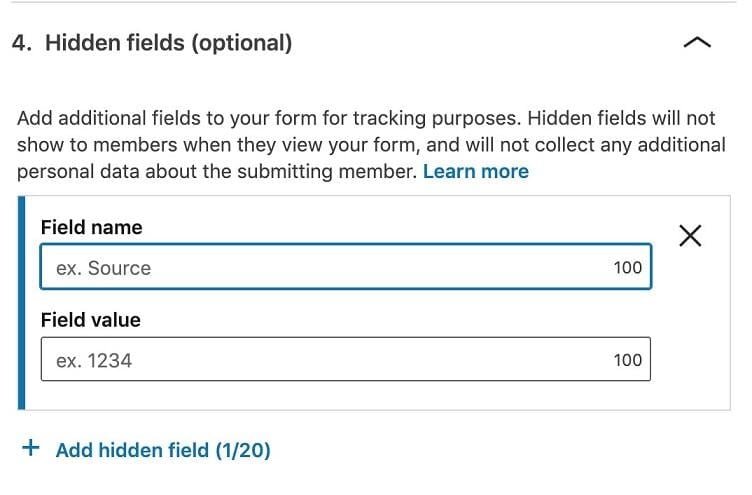
In the “Field name” section, specify the corresponding field in your CRM (e.g., source, medium, campaign). The second portion is where you input the actual value, such as “linkedin,” “cpc,” or “lead-gen-ads.” While you can add up to 20 hidden fields, use them strategically as this is your limit.
7. Tag Your Landing Page URL with Appropriate UTM Parameters
While LinkedIn lead gen ads allow form submissions without visiting your landing page, there are instances where users might navigate to your site. Be prepared to tag these visits just as you would for regular sponsored content campaigns.
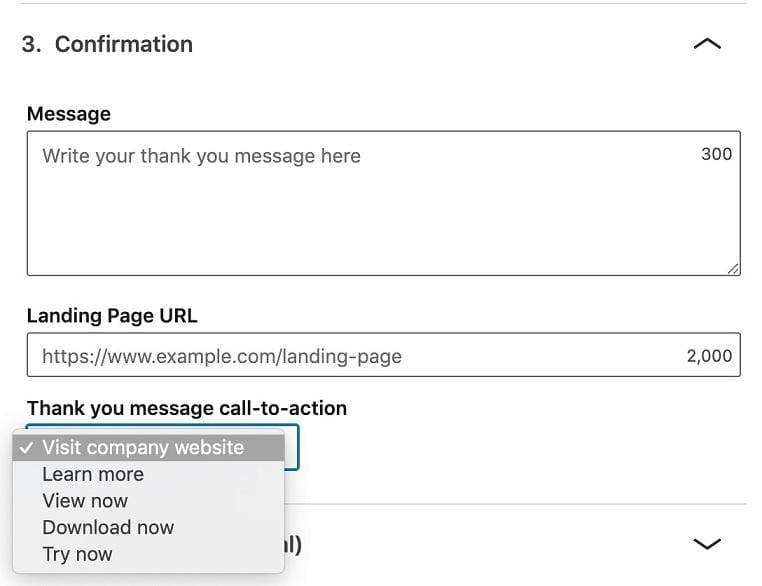
In the “Confirmation” section of the form builder, LinkedIn prompts you to provide a landing page URL. This can direct users to access the information they requested or learn more about your business. Treat this like any other landing page by adding relevant UTM tags to enable retargeting audience creation and performance tracking.
8. Provide Multiple Avenues for Information Access
When offering downloadable content like brochures, reports, or whitepapers, recognize that users have different preferences for engaging with your content. Some may seek immediate access, while others prefer to revisit it later. Provide multiple engagement options.
Firstly, include the website link (if applicable) and landing page URL in the Confirmation section, allowing immediate content access for those who desire it. Secondly, regardless of immediate engagement, ensure your CRM sends a follow-up email with an alternate route to access the content. Even a simple reminder email reinforces your brand as an educational resource and strengthens future connections.
9. Utilize the LinkedIn Website Demographics Feature
This feature offers valuable insights for optimizing your LinkedIn ads. Within the LinkedIn Campaign Manager, you can segment website visitors from your LinkedIn ads based on job function, company, company size, and more. Explore the LinkedIn Website Demographics feature for enhanced ad performance.
Enhance Your LinkedIn Lead Generation with These Tips
LinkedIn lead gen ads can significantly boost conversion rates within an already premium audience. Implement these tips to create more efficient campaigns that resonate with your audience, resulting in a win-win situation.