Online shoppers in the United States are on track to spend over $374 billion through online sales in 2020, and this trend shows no signs of slowing down. Experts predict that by 2024, ecommerce sales of tangible goods will surpass $476 billion. This growth is a positive sign for ecommerce businesses, but it also means they need to differentiate themselves in a saturated online marketplace. Think about what happens in one minute on the internet. Today’s consumers engage with brands through various channels: clicking on Facebook ads, following influencers on Instagram, using discount codes from mobile apps, and more. They compare prices on marketplaces, read promotional emails, and contribute to the almost $1 billion spent online daily.
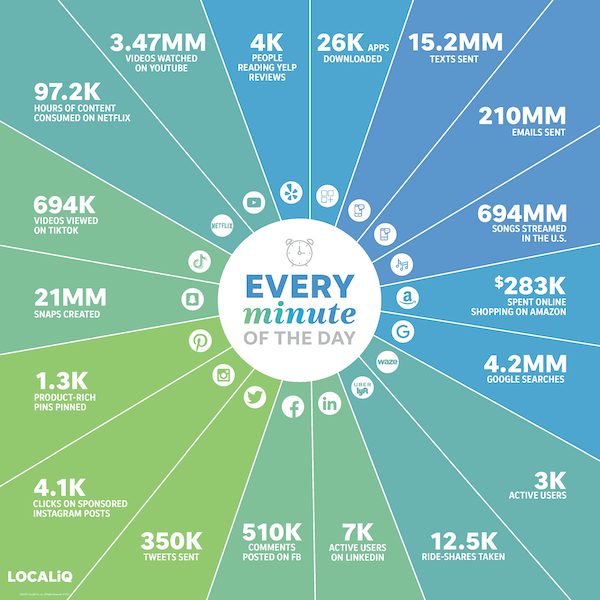
Source: LOCALiQ In this digital age, how can businesses stand out and grab a customer’s attention? Let’s explore some of the most impactful ecommerce marketing trends that are driving both visibility and sales for businesses, so you can determine which strategies are worth implementing for your own company.
Ecommerce marketing trends to watch in 2020 and beyond
The internet provides marketers with numerous effective methods to connect with both current and prospective customers. High-quality content that is engaging, informative, and tailored to the individual can guide customer purchasing decisions and foster brand loyalty. Establishing a presence across multiple channels, such as through digital messaging, social media, and video platforms, can open new lines of communication between brands and consumers. Additionally, companies can leverage machine learning, retargeting ads, and influencer marketing to identify and reach a wider audience segment. Let’s examine each trend individually, including examples, to help you determine which ones will attract the most valuable traffic to your ecommerce website.
1. Quality content remains king
Consumers are spending approximately one-third of their day interacting with digital content across multiple devices. This highlights the need for businesses to produce high-caliber content to stand out and capture consumer attention. Here are some examples of quality content that can drive targeted traffic to your ecommerce website: Testimonials Imagine a customer browsing your website for product information. An image and a basic product description provide some details, but what if you could enhance that with a case study demonstrating the product’s positive impact on a client, or a video showcasing the product in action? Helping a customer envision the benefits a product offers brings them closer to making a purchase. Interactive content You can also develop a content strategy that matches customers with the right product. Take a look at this interactive quiz used by skincare company Bliss to recommend suitable products. It’s both useful and engaging, enticing customers to explore the site further.

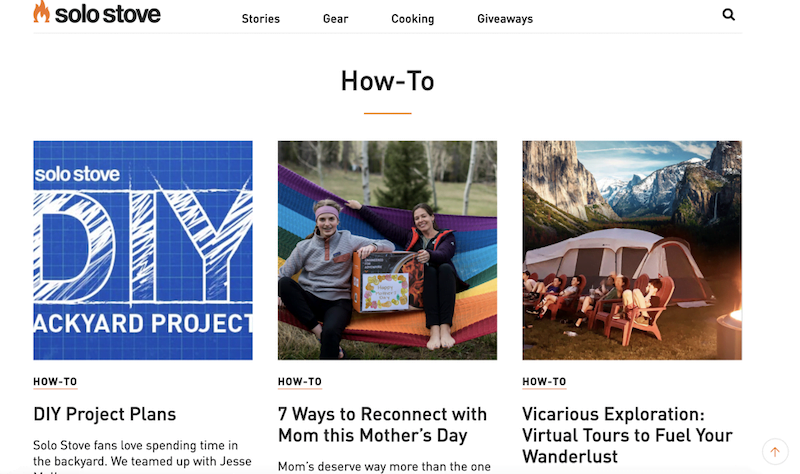
Webinars and whitepapers Informational content, such as webinars, e-books, or white papers, can position your business as a reliable source of valuable information. To drive traffic to your site, consider publishing this type of educational content on your website and linking to it from social media or marketing emails. Blog posts and videos Solo Stove provides valuable content to its outdoor-enthusiast customer base through a blog and YouTube channel. The content includes tips on building smoke-free fires and ideas for DIY backyard projects.
2. More customers are embracing social media shopping
Approximately 3.6 billion individuals globally use social networking platforms, with Americans dedicating about two hours per day to social media. This presents a unique opportunity for businesses to increase visibility and drive sales if they can connect with their target audience on these platforms. The most widely used social media networks are Facebook and YouTube, attracting 63% and 61% of internet users, respectively. However, it’s crucial for businesses to understand where their target audience spends their time online before establishing a social media strategy. Each platform offers demographic information about its users, including age, gender, education level, and income. About 37% of U.S. internet users aged 18 to 34 have made a purchase through social media. Moreover, over one in four U.S. online consumers aged 25 to 34 have used the “shop now” feature on Facebook to make purchases.
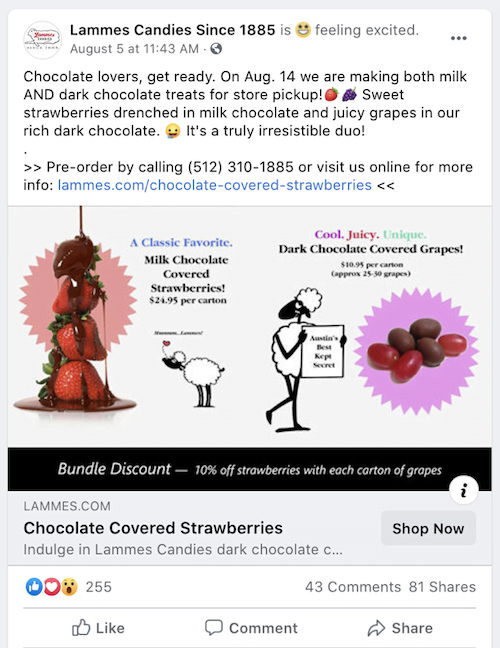
By making their digital media shoppable, businesses allow customers to make purchases seamlessly with a single tap, eliminating the extra step of navigating to a separate website. This trend is expected to gain even more traction as social media platforms provide businesses with integrated selling features. For instance, Facebook and Instagram recently launched in-app shops that companies can utilize, enabling customers to complete transactions without leaving the app. Many ecommerce platforms can also be integrated with social media as part of an omnichannel strategy, allowing businesses to manage product inventory, shipping, fulfillment, and customer service from a central location.
3. Personalization is the new expectation
Amazon and Netflix have set a high bar for personalized recommendations. Not only do over two-thirds of customers of consumers believe brands should personalize their content, but 42% are frustrated when presented with irrelevant information. Personalization is about tailoring the customer experience to the individual. To achieve this, businesses must understand their customers by tracking both general and individual data. You can monitor the origin of website traffic and offer currency and language options. Observe how LARQ caters to its global audience by providing website content in English, French, Spanish, and German.

Some ecommerce platforms provide the ability to identify whether a visitor is new or returning, allowing you to greet them accordingly. You can also track browsing and purchase history and tailor communications based on customer behavior. Here are some ways to personalize the customer experience:
- Use the customer’s name in the subject line and body of emails.
- Provide product recommendations directly on the website and follow up with targeted email marketing.
- Send a message to customers who haven’t engaged with your business recently, offering a discount to re-engage them.
- Send a birthday promotional offer.
- Acknowledge loyal customers with a surprise reward after a certain number of purchases.
- Experiment with personalized video marketing.
4. Influencer collaborations are essential
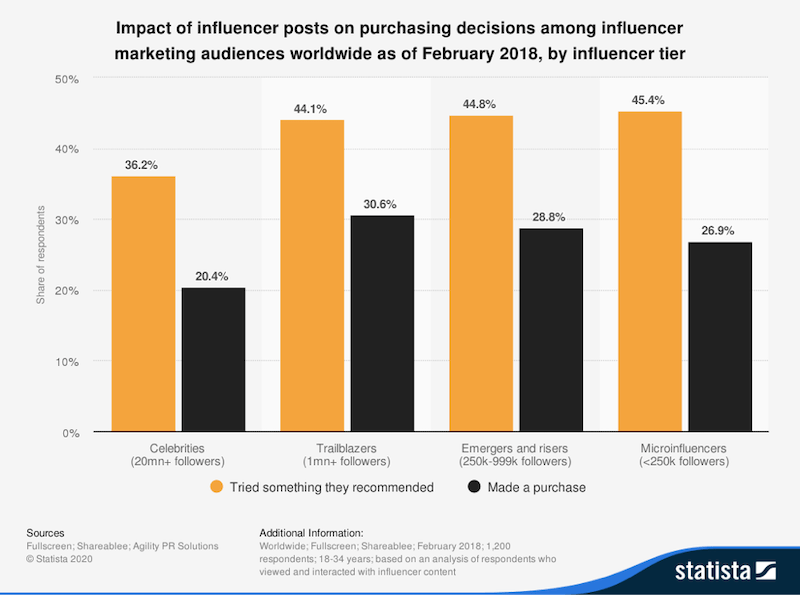
Influencers, whether they maintain a blog, create YouTube content, or post on Instagram, cultivate a large following by staying current with trends and discussing relevant topics. An influencer who has built an online community within your target demographic can leverage their reach to promote your business. For example, a food brand can partner with influencers in the lifestyle and parenting niches to introduce their product to a wider audience. These influencers can share recipes, videos, blog posts, and social media posts to raise brand awareness. If you’re exploring this strategy, identify the influencers on platforms where your customers spend their time and consider your goals. While mega-influencers (like celebrities) offer widespread exposure and reach, micro-influencers, or nano-influencers, typically have higher engagement rates with their followers. In a study conducted by Statista, more than 45% of micro-influencer followers reported trying a recommended product, and 26.9% made a purchase after seeing a post.
An influencer campaign can include elements such as:
- A product review or endorsement.
- A discount code specifically for their followers.
- Contests or giveaways.
5. Conversational commerce for enhanced customer service
Americans are spending more time on messaging apps, averaging 24 minutes per day in 2020, which is up from 20 minutes the previous year. This rise in popularity of platforms like Facebook Messenger and WhatsApp has led businesses to turn to digital messaging as a way to connect with customers.
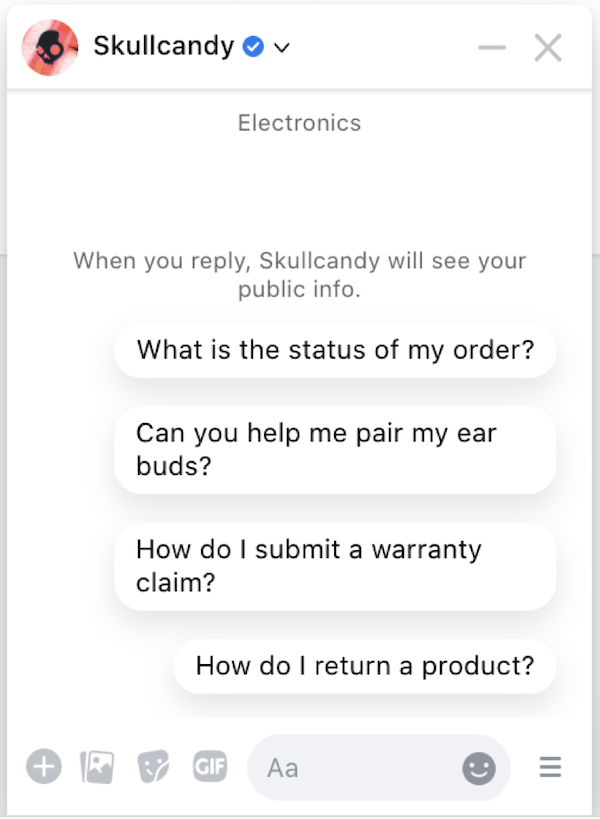
Known as conversational commerce, this strategy utilizes the immediacy of digital messaging to provide customer service that is both personal and highly responsive. Conversational commerce often involves automated chatbots that act as virtual assistants, answering customer questions and guiding purchase decisions. Some platforms even allow customers to complete transactions directly within the app. Brands that successfully implement a conversational commerce strategy can cultivate customer loyalty and boost their customer retention rate, as nearly one-third of shoppers use chat to gauge a business’s trustworthiness and credibility.
6. The power of video
One of the most popular online activities for mobile and internet users is watching videos, whether for music, entertainment, information, or DIY tips. Around 85% of internet users in the United States consume video content weekly. YouTube reigns supreme as the leading online platform with a reach of 90% in the United States, followed by Facebook with a 60% reach. Video content provides businesses with a dynamic way to engage customers and influence their purchasing decisions. Furniture brand Burrow utilizes videos to demonstrate the ease of assembling its furniture, supplementing product images and descriptions.
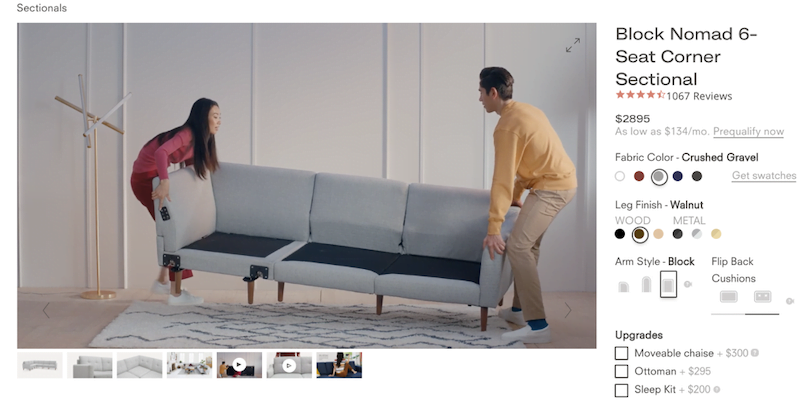
Videos can also offer customers a glimpse behind the scenes, making a brand feel more approachable and relatable.
7. The rise of AI and machine learning
Artificial intelligence has numerous applications, but from a marketing perspective, it involves analyzing data on consumer behavior to make well-informed business decisions. Algorithms become more accurate as more data is collected. AI can leverage data about a particular customer segment to predict group behavior. This information can help a brand target similar customers, determine price points most likely to lead to conversions, and develop marketing campaigns tailored to responsive audiences. Fashion brand Natori employed an AI marketing platform to assess creative assets for a product launch.

The system accurately predicted customer responses to the proposed campaigns, contributing to both new customer acquisition and a 500% return on ad spend. AI can also be used to analyze individual customer behavior to deliver relevant product recommendations and personalized search results. By ensuring customers see the most relevant products, businesses can enhance their shopping experience and increase the likelihood of a purchase. Widespread adoption of artificial intelligence is anticipated globally in the coming years.
8. Cross-channel marketing is no longer optional
Businesses significantly increase their chances of connecting with customers by establishing a presence across multiple channels. Multi-channel marketing doesn’t require you to be on every single channel, but rather focuses on the platforms where your target audience is most active, maximizing visibility and creating opportunities for connection. Personal water purifier brand LARQ engages with customers on Facebook, Instagram, YouTube, Twitter, and their dedicated own blog. Recognizing that 59% of consumers research and compare prices on marketplaces before making a purchase, LARQ also hosts its store on Amazon to attract customers into their sales funnel rather than a competitor’s.
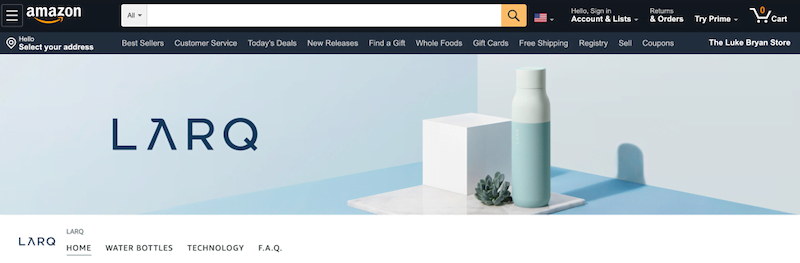
According to a recent Adobe survey, customers turn to multiple channels when researching a purchase:
- Brand website: 48%.
- In-store: 40%.
- Reviews: 38%.
- Social networking sites: 22%.
- Video channels: 19%. Businesses should factor this behavior into their marketing strategies. For example, a company launching a new product can implement a multi-channel approach using an email campaign, online ads, product demos on YouTube, and a partnership with an influencer. Once a customer has become aware of the product and clicked through to the brand’s website, they might encounter blog posts with helpful tips, video testimonials, and an online chat for immediate answers to their questions.
9. Smart retargeting ads deliver results
Retargeting is an advertising strategy designed to re-engage consumers who have previously interacted with your website. Using cookies, you can display ads to these customers when they visit social media platforms like Facebook, search engines, and other websites. Retargeting keeps your brand top-of-mind and encourages customers to return to your ecommerce shop. Retargeting can be a highly effective tactic. Over 25% of customers return to a website after being served a retargeting ad. In fact, website visitors who are retargeted are 70% more likely compared to regular visitors.

From The 8 Best Remarketing Ads the Internet Has Ever Seen Smart retargeting focuses on customer behavior, ensuring that the content displayed is relevant to the individual to improve conversion rates. You can customize your retargeting based on the pages a customer viewed and the actions they took during their visit. Here are examples of how ads can be targeted:
- A customer who viewed a product but didn’t add it to their cart can be shown an ad for that specific item.
- A customer who added an item to their cart but abandoned the checkout process can be served an ad offering a discount or free shipping.
- A customer who viewed a particular product category can be shown an ad for other items within that niche.
- A customer who purchased a product can be shown an ad for a complementary product. You can also tailor your retargeting based on how long a customer spent on your website, focusing on those who browsed for an extended period and excluding those who left after a few seconds.
When should you adopt a new ecommerce marketing trend?
Now that you’re familiar with the key trends attracting marketers’ attention, it’s time to decide which ones align with your company’s needs. Here’s what to consider before implementing a new trend.
Will the trend resonate with your target audience?
A new marketing strategy can only be effective if it aligns with the demographic you’re trying to reach. Gather as much information as possible about your target audience. Where do they spend their time online? What do they value most? Choose a marketing trend that makes sense for your specific customer base.
Is adopting the trend a sound business decision?
Consider the trend within the context of your overall business goals and objectives. What are the costs associated with implementing this strategy? Will you need to integrate new software or modify your workflow? What kind of return on investment are you anticipating? Will you fall behind competitors if you don’t adopt the trend? Conduct thorough research and determine if the trend makes sense for your business.
Choose the right ecommerce trends for your unique business
As consumers increasingly shift their attention and spending online, businesses must adapt their marketing strategies to meet evolving preferences and stay relevant. To recap, here are nine top trends to consider:
- Quality content
- Social media shopping
- Personalization
- Influencer collaborations
- Conversational commerce
- Videos
- AI/machine learning
- Cross-channel marketing
- Retargeting Marketing trends are constantly evolving alongside technology, so maintain an open mind and evaluate each strategy in relation to your company’s goals and customer needs.