Many believe that the best film scores are the ones that go unnoticed. This doesn’t mean that scores don’t affect viewers—in actuality, it’s the opposite. The most effective film scores have a significant impact on their audiences.
The reason they’re effective is their subtlety. As the visuals play out on screen, the music amplifies the emotions of the scenes—without most viewers even realizing it.
This brings us to an analogy: the score is to the movie as your inbound marketing strategy is to your brand.
What is Inbound Marketing?
Inbound marketing is a strategy focused on attracting potential customers to your website, instead of directly advertising your products or services.
The concept is that by leading potential customers to your website, you can familiarize them with your brand and what you offer. In a perfect scenario, you’ll make a positive impression, increasing the likelihood of them choosing your product or service when they’re ready to buy.
Outbound marketing, conversely, is the strategy behind traditional paid media like TV commercials, billboards, and eye-catching posters. The common thread among these ad types is the direct promotion of a product or service.

Outbound marketing brings your offering to your prospects; inbound marketing brings your prospects to you.
Why Should I Use Inbound Marketing?
Simply put: it helps you build trust with high-quality leads who are actively interested in your product or service.
This is especially crucial if your business has a longer sales cycle. If your prospects typically take their time researching different options and weighing the pros and cons, building brand awareness and trust is essential.
For example, let’s say you’re a B2B marketer selling software for managing social media. Your customers use your platform to create and schedule posts for various platforms like Twitter, Instagram, and Facebook.
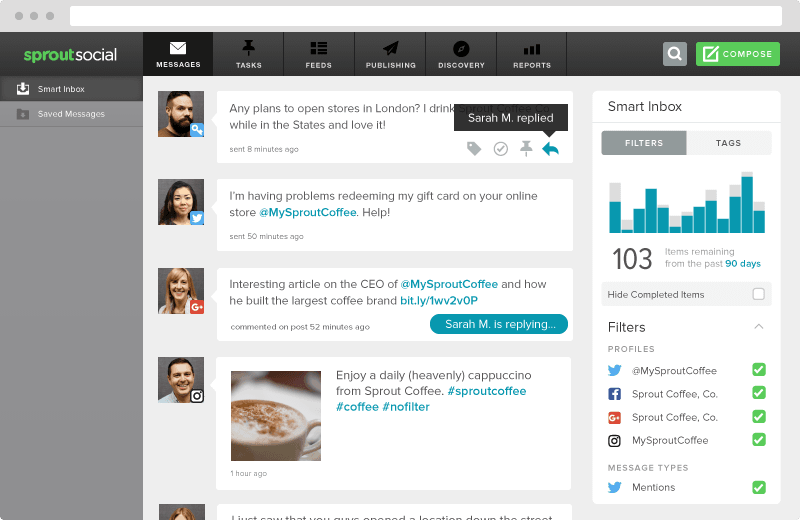
Social media management platform Sprout Social.
Your software is an investment—it’s not an impulsive buy. Even though your pricing is reasonable and competitive, potential customers will likely compare you to competitors and thoroughly research before purchasing.
Simply pushing your product won’t be effective. You need to demonstrate value.
You need to cultivate a brand that your prospects not only recognize, but also trust to provide answers when needed.
After months of research and deliberation, who do you think your prospects will choose: the product they briefly saw in their feeds or the brand that has consistently provided them with valuable insights and best practices?
Exactly.
Examples of Inbound Marketing
Inbound marketing is a broad term—it includes many different tactics.
After all, there’s more than one way to attract a potential customer to your website.
Let’s explore some examples.
Example #1: A Blog
According to HubSpot—the SaaS company that made the term “inbound marketing” popular around 2006—found that marketers who prioritize blogging are 13 times more likely to see a positive return on investment.
Consistency is key: those who publish blog content at least 16 times a month generate 3.5 times more website traffic and 4.5 times more leads compared to companies that only update their blogs occasionally.
A blog is an excellent way to address your prospects’ pressing questions (e.g., “How should I structure my Google Ads account?”) in an accessible, long-form format.
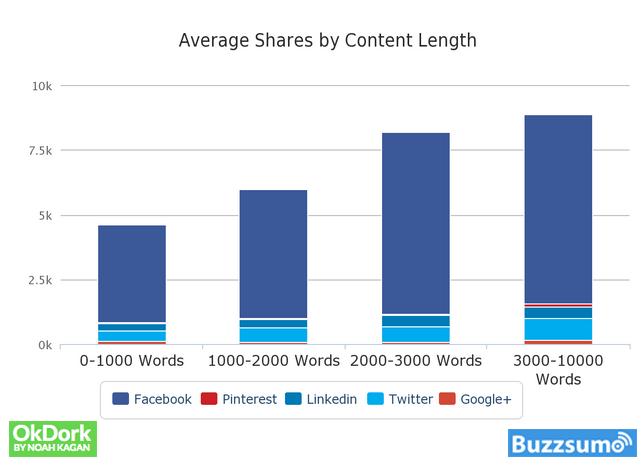
Via Neil Patel.
The more educational your blog is—and the more frequently you update it with new content—the more likely you are to become the trusted brand that prospects remember as they move closer to making a purchase.
Example #2: An Infographic
As valuable as written content can be, people don’t always have the time (or the inclination) to read 2,000 words about a topic like long-tail keywords.
Sometimes, your prospect just wants a quick overview of insightful data, presented in a visually appealing way.
Additionally, if the information you’re sharing is particularly valuable—for instance, benchmark data for mobile ads across various industries—it has a good chance of generating significant online buzz.
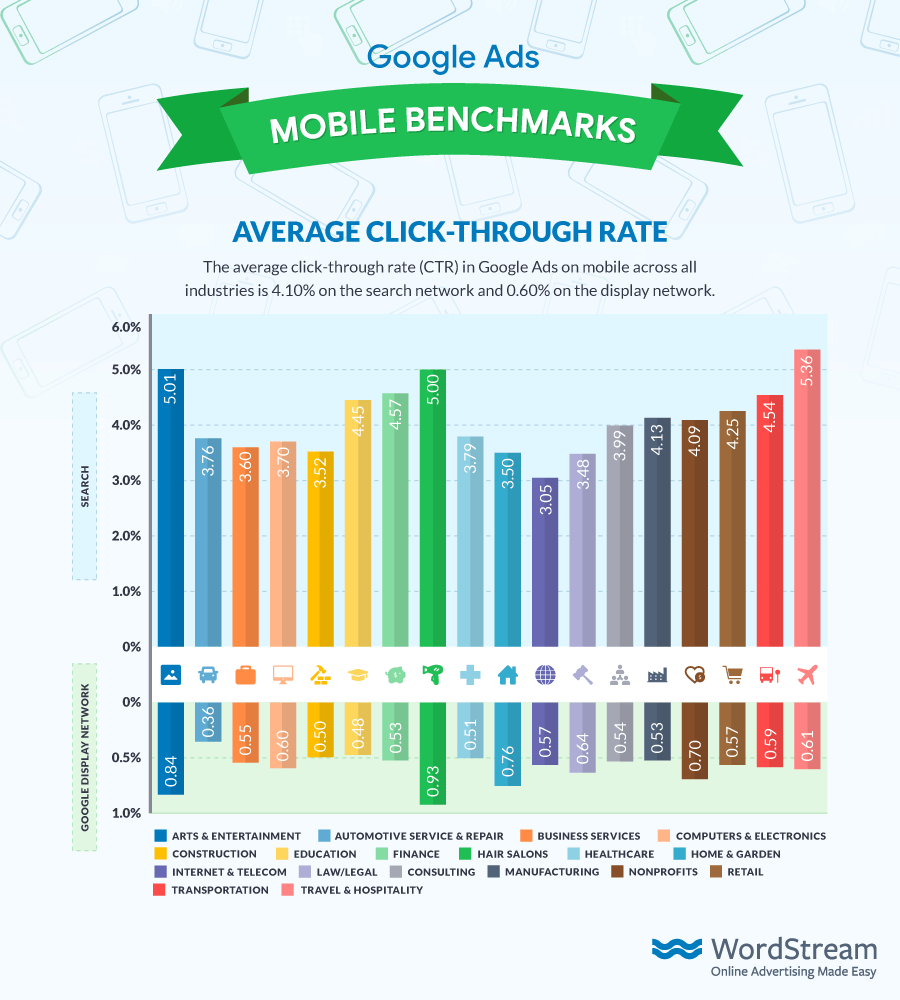
Buzz has a lasting impact on prospects. If you can get people talking about your brand, you’ll see results in no time.
Example #3: A Whitepaper
The definition and purpose of a whitepaper can vary depending on who you ask. Your industry and goals also influence the final product.
For our purposes, we’ll define a whitepaper as a thorough, well-researched piece of educational content that’s written in a more formal tone than a typical blog post.
Think of a blog post as your weekly assignment, while a whitepaper is your term paper.
As a general rule, assume that prospects who download your whitepaper expect a higher level of rigor, depth, originality, and value.
It needs to look good, too. Presentation is crucial.
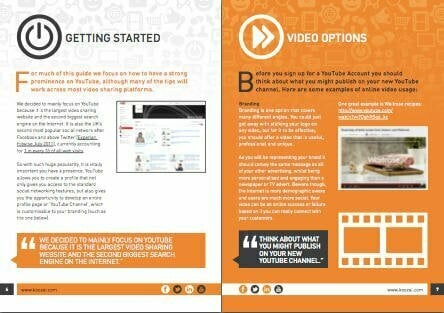
Via Koozai.
The key advantage of a whitepaper over a blog post or an infographic is that—in addition to providing value to those interested in your product or service—you can request contact information in exchange.
This allows you to nurture those leads closer to conversion through email marketing after they’ve downloaded your content.
Example #4: An Ebook
It’s true—the benefits of an ebook are quite similar to those of a whitepaper.
It’s another opportunity to establish your brand as a trusted source of practical, insightful information. Typically, it’s free to download in exchange for contact information.
If you decide to use ebooks in your inbound strategy—and I do recommend it—don’t take it lightly. Remember: you’re writing a book.
This requires a certain level of sophistication. You should reserve this content format for your most impressive material.
Via Unbounce.
Example #5: A Case Study (or Customer Spotlight)
Imagine you’re a business owner looking for social media management software, just like the one mentioned earlier.
As you browse the blog of a company you’re considering, you come across a case study. It tells the story of another company—surprisingly similar to yours—that started using the software a year ago and has seen positive results ever since.
This software has made a huge difference for the featured customer.
Naturally, you think: “Well, if it worked for them, it can work for me, too, right?”
That’s the power of a case study. It shows hesitant potential customers that your product or service has benefited people just like them. Talk about convincing!
Example #6: A Webinar
It’s not always easy to inject personality into written content.
While the casual nature of blog posts allows for humor, when it comes to more polished content like whitepapers and ebooks, you might find yourself wanting to add a more…human touch.
That’s where webinars come in.
A webinar is essentially an online seminar—a lecture-style presentation delivered to an exclusive online audience. This format allows someone from your content team (or a few people) to deliver valuable information in a highly engaging and personable manner.
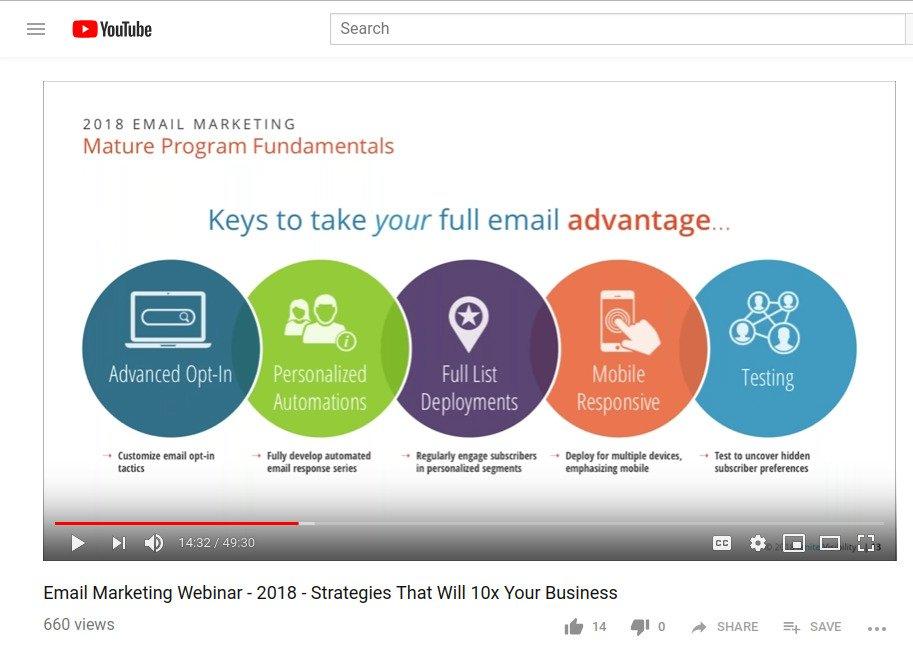
Via IgniteVisibility.
The presence of a real person—even if it’s just their voice—creates the feeling that your brand is having a direct conversation with your prospects. While it’s easy for prospects to forget about the talented people behind your blog posts, whitepapers, and ebooks, that’s not the case with a webinar.
And, once again, the ability to request information from your prospects in exchange for access makes webinars a great lead generation tool.
Example #7: A Podcast
You can joke all you want about millennials, but podcasts are undeniably popular.
(This sentence might age poorly, but that’s the price I pay for being a content maverick.)
Similar to webinars, podcasts allow you to infuse your brand with personality. That way, when prospects are making their final decisions, they’ll remember you as both a valuable and relatable resource.
Podcasting doesn’t have to be overly complicated, either. With a laptop, a couple of microphones, and at least one coworker who doesn’t sound like Steve Buscemi, you’re good to go.

The co-hosts of Marketing Over Coffee.
Even one 30-minute episode per week is enough to establish your brand as an engaging resource that potential customers look forward to during their commutes.
Example #8: A Video Series
I’ll spare you the video marketing statistics you’ve been hearing all year and just say this:
Video content is king. It’s engaging, it’s growing in popularity, and most importantly, it’s effective. It’s what people want to see when they’re scrolling through platforms like Facebook and Instagram.
You already know why it works, too: It brings your brand to life.
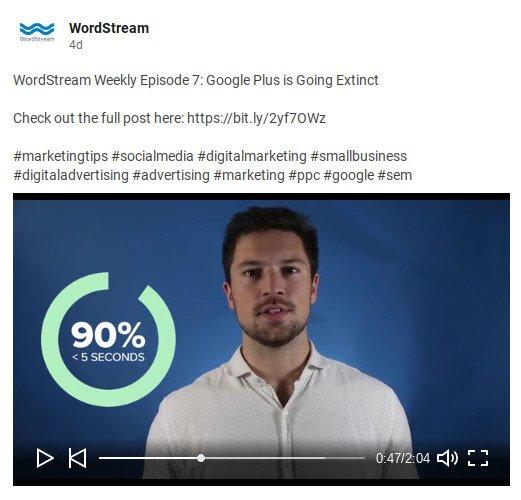
A screenshot of a nexus-security Weekly episode.
While long-form content is beneficial for written material, video content is best kept concise. There are always exceptions, but social media users generally generally uninterested videos longer than a minute or two.
Furthermore, video provides a fantastic opportunity to repurpose content in a more easily digestible format. A prospect might not have time to attend your webinar, but they can probably spare two minutes while scrolling through LinkedIn to get the key takeaways.
Of course, you’d prefer they attend the full webinar and fill out a form, but building a reputation for creating excellent video content isn’t a bad thing either.
Example #9: Search Engine Optimization
What better way to wrap up this guide than with the inbound marketing strategy that makes all the previous eight even more effective?
SEO, an umbrella term in itself, encompasses the practices you can (and should) use to make your content more visible in search engine results pages.
It doesn’t matter how visually appealing your ebook is or how well-produced your podcast is if prospects can’t find you in organic search results. This means getting your content on the first page—ideally at the top or in the middle.
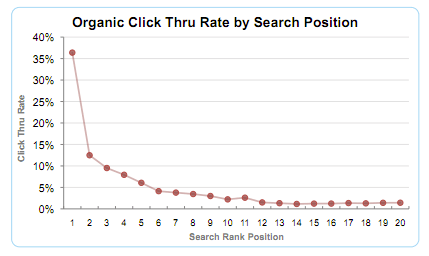
Via Smart Insights.
If your content isn’t visible, you’re not attracting any visitors to your website.
On-page SEO includes everything you can do directly on your website to improve your content’s visibility on search engine results pages. On a larger scale, this means creating high-quality, user-focused content that genuinely answers searchers’ questions and solves their problems. On a smaller scale, it involves optimizing content for specific keywords to ensure it appears relevant when people search for queries you want to target.
Off-page SEO includes all activities that take place outside of your website. The main goal is to acquire links to your content from reputable websites. Each link signals to search engines that your content is valuable and, therefore, deserves a higher ranking.
This is a simplified explanation, but the key takeaway is: SEO is a crucial part of inbound marketing because people can’t visit websites they don’t know exist.
Now You Know
There you have it—nine different ways to attract qualified leads to your website and introduce them to your amazing brand.
Of course, not every tactic will be a good fit for your business. In fact, you might find that only one or two align well with your overall marketing strategy.
And that’s perfectly fine! You don’t have to become an inbound marketing guru to achieve success. As with most things in marketing, it’s a process of experimentation, testing, and learning from your mistakes.
Once you find the right balance, you’ll have leads knocking on your door.