Have you nailed down the keywords that matter most to your business? (If you’re still figuring that out, check out nexus-security’s guide on identifying valuable keywords.) Once you’ve got those keywords, how do you maximize their impact on your AdWords campaigns? Whether you’re a PPC pro or a local business owner, you’re after a higher Quality Score, compelling offers, and those satisfying clicks. Let’s dive into eight crucial strategies to squeeze every ounce of value from your AdWords keywords:
1. Don’t Forget the Keyword in Your Ad
It sounds simple, but many forget to sprinkle those precious keywords throughout their ads. It’s easy to fall into a rut with ad copy and miss the mark when targeting specific searches. If someone’s hunting for the “best 4 person tent,” your ad should shout “best 4 person tent(s)” right in the headline. Why? Users are more likely to click, and Google sees your ad as highly relevant. This boosts click-through rates, Quality Scores, and ultimately, shrinks your cost per conversion.
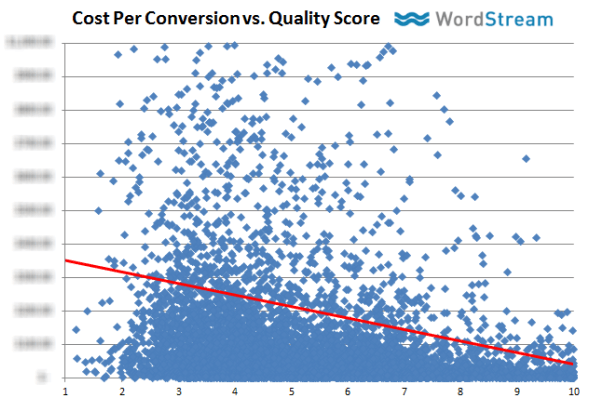
Implementation Time: Audit your ad copy. This might take a while for bigger accounts. For each ad group, compare the keywords to the ad text. If they don’t align, create new ad groups for specific keywords. Keep an eye on Quality Scores – if some keywords are thriving in the 7-8 range while others lag, new ad groups could be your secret weapon.
2. Get Organized with Segmentation
Following the previous tip requires a well-structured AdWords account. This means dividing campaigns and ad groups based on even minor keyword variations. Torn between “2 person tents” and “ultralight tents”? Separate ad groups are your friends.
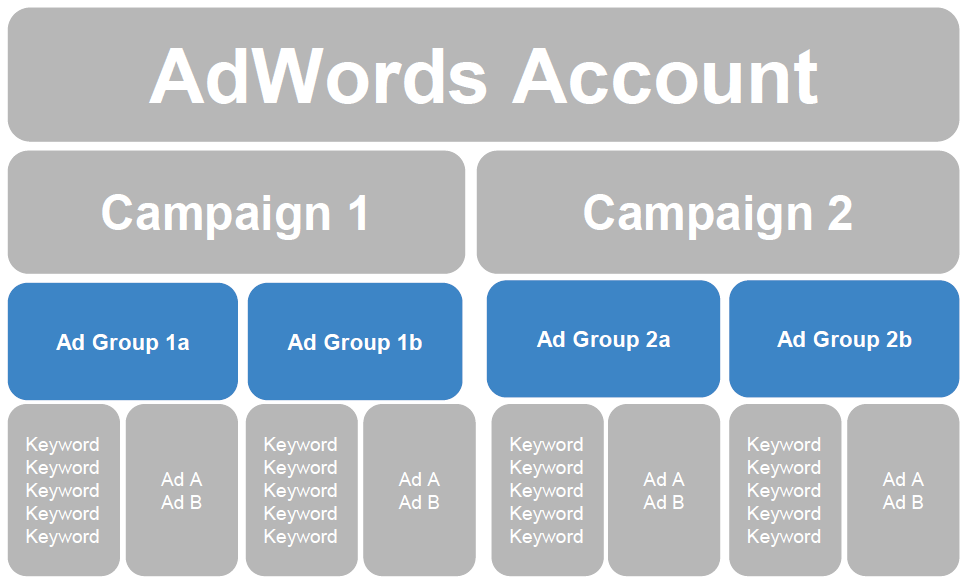
“Why not use dynamic keyword insertion?” you ask. It’s a solid strategy, and many swear by it for this very reason. But, I’ve found that separate ad groups often lead to lower CPCs and higher conversion rates. Plus, it makes analyzing keyword performance a breeze. Speaking of ad groups, aim for one keyword per group (a.k.a. a SKAG) – it’s ideal. For high-volume, high-value keywords, tailoring your message is crucial, and sometimes, that means giving a keyword its own spotlight.
3. Craft Tailored Landing Pages
Craving those high Quality Scores? Create a killer landing page template, duplicate it, and tweak the keyword usage for each ad group. Highlight different pain points if you’re targeting different audiences. This tells Google your page is relevant, lowering bounce rates and increasing time on page. Most content management systems make this process a breeze – duplicate, adjust, and you’re good to go. Customizing the copy to address specific features or pain points can significantly boost conversion rates.
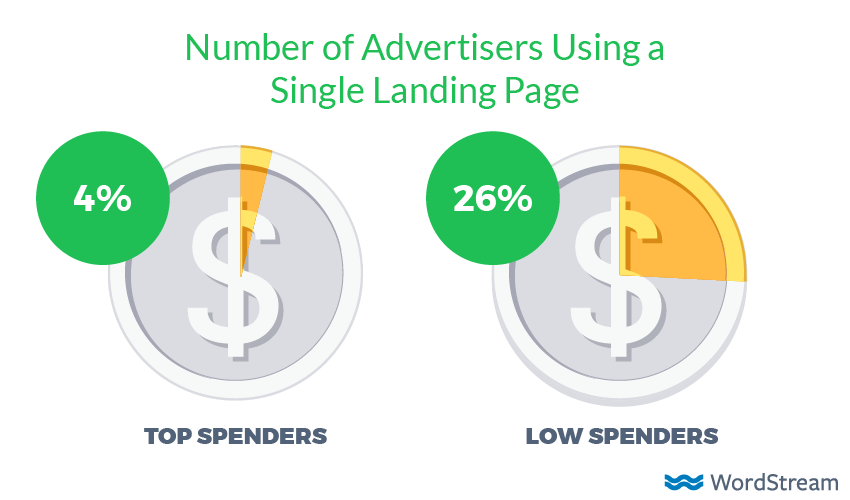
Take a page from big-budget advertisers – they rarely rely on a single landing page.
4. Embrace the Testing Cycle
One ad per ad group? Not a chance. Aim for at least two and put your copy to the test. Experiment with different angles: highlighting benefits, showcasing offers, combining both, and thinking outside the box. This reveals what resonates most with searchers within each ad group, guiding further testing and refinement.

Occasionally, try testing different conversion goals with the same keywords – free trials versus demos or eBook offers versus email subscriptions. Continuous testing is the key to unlocking your account’s full potential. Stay flexible with your conversion offers. You might need to adjust your sales funnel assumptions. Don’t be afraid to test top-of-funnel conversions or prioritize high-value conversions further down the line. Let the data guide you.
5. Match Conversions to Keywords
This can be tricky. Remember, every search query hints at a different user intent, and understanding this is vital for maximizing conversions. For instance, recognize early-stage keywords and offer top-of-funnel (TOFU) incentives like eBooks or email subscriptions instead of pushing for quote forms.
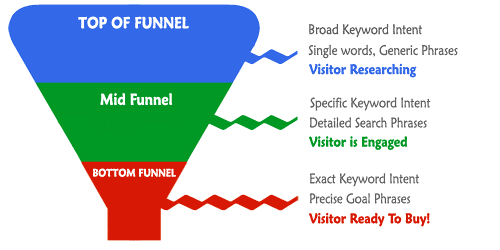
Categorize your keywords and ad groups as Top of Funnel, Middle of Funnel, or Bottom of Funnel. This clarifies which offers are appropriate and sets realistic performance expectations. Naturally, eBook downloads will have a lower cost per conversion than “request a quote” forms. After all, nurturing a lead who’s just downloaded an eBook takes time.
6. Bid Strategically
Ad group-level bids are a good starting point, but delve deeper, especially with larger ad groups. Ensure your bids align with individual keyword performance. Similar terms can command vastly different bids, so don’t treat them equally. Optimize for positions that yield the lowest cost per conversion, often aiming for a spot above position three.
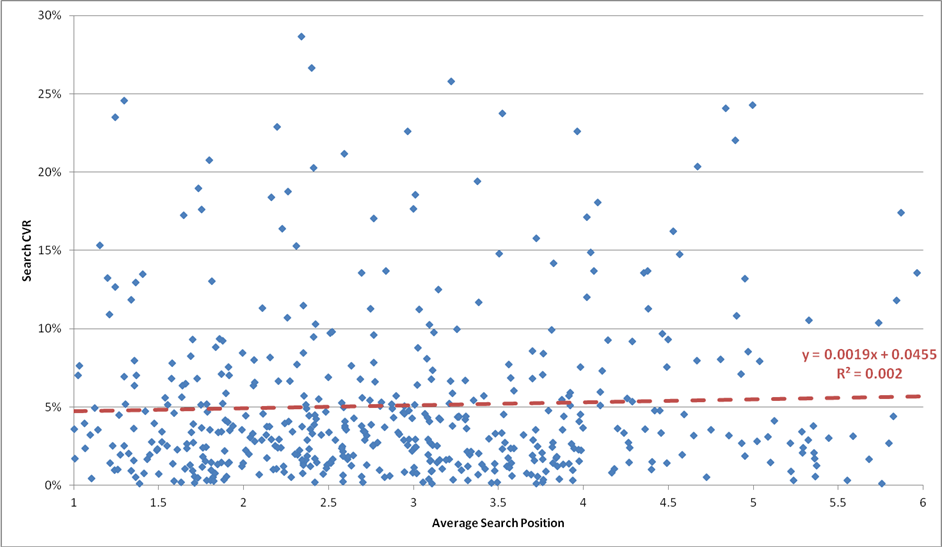
Conversion rates might stay consistent across ad positions.
7. Wield the Power of Negative Keywords
This one’s a no-brainer for AdWords veterans, but it’s crucial. If you’ve ever launched a campaign from scratch, you know the search query report can reveal a treasure trove of irrelevant (and costly) terms. Invest time in thorough negative keyword research before launch, and keep a close eye on them during the first 48 hours of a new keyword group.
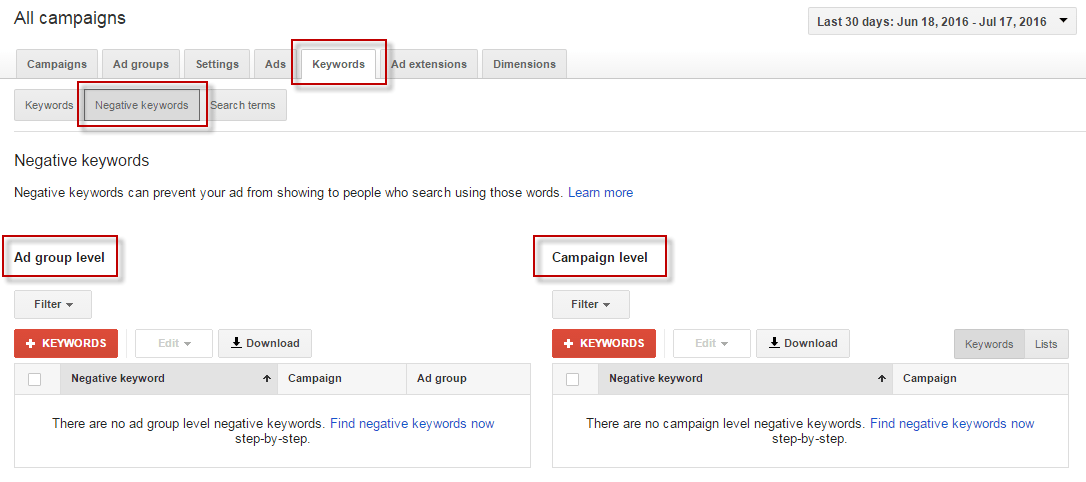
Leverage the shared library to create and manage negative keyword lists. Group similar keywords within lists for better organization and easier management when adding new campaigns or keywords.
8. Expand Your Reach with Broad Modifiers
Broad match modifiers strike a balance between the laser focus of phrase match and the wider net of broad match, allowing you to uncover new keywords while maintaining control. Once you’ve identified converting or relevant terms, add them to the appropriate ad groups as exact or phrase match keywords.
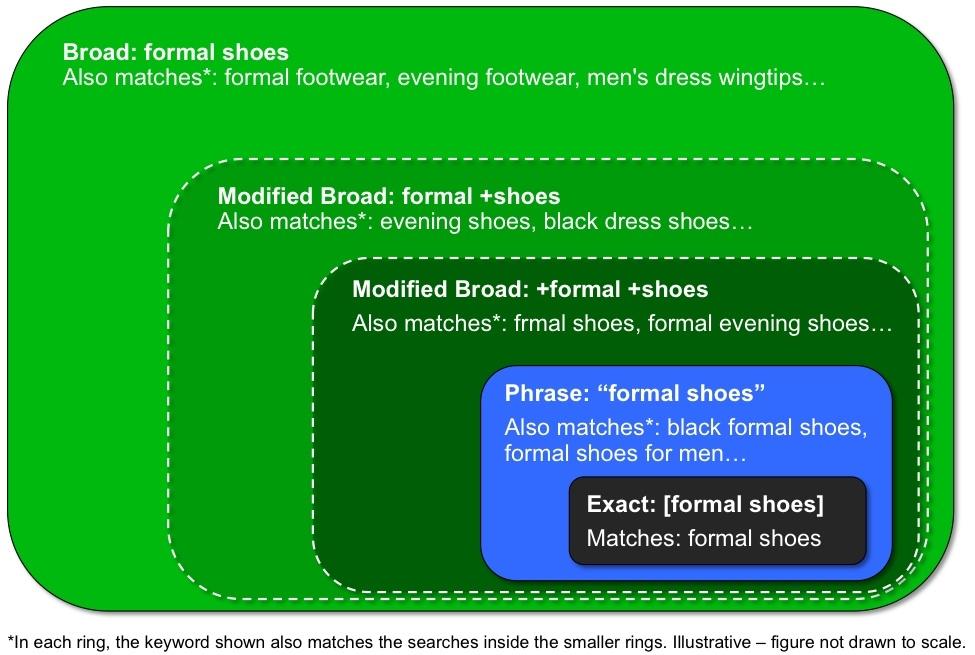
Like broad match, broad modifiers require careful attention and vigilant negative keyword management. Finding the sweet spot for relevant traffic can be tricky, but the rewards are worth it.