Managing a paid marketing agency or working for one often feels like a juggling act with scheduling. Between client calls, reporting, and emails, your schedule is likely quite full. Every account manager has their own way of managing their time, but prioritizing tasks can become difficult for everyone sometimes. Choosing which accounts need immediate attention can be tough, especially with a long to-do list and clients expecting things done quickly.

This guide will show you how to efficiently spot at-risk accounts and create a system for managing clients, ensuring your time is used effectively.
Don’t Neglect Any Client While Prioritizing Others
Before we categorize accounts, remember that this isn’t about ignoring any client or labeling them as less important. Every client is valuable and deserves proper attention. Our goal is to identify accounts needing immediate attention versus those doing well enough that you can focus your energy where it’s most needed. Ideally, all your clients will experience periods where significant changes aren’t necessary. When campaigns are successful, it’s best to avoid unnecessary adjustments, which often proves counterproductive in paid media.
With that said, let’s begin.
Recognizing At-Risk Accounts
First, we need to define “at-risk” accounts. This might vary based on your client base. To simplify, we’ll consider an account “at-risk” if it:
- Is underspending.
- Shows high or recently increased costs per result.
- Is falling behind on goal targets.
- Struggles to generate quality leads.
Additionally, any account with a concerned or uncertain client is also at risk. This is a broad definition, but you’ve likely encountered at least a few of these scenarios.
Challenges arise when multiple clients fall under this “at-risk” category, requiring you to decide who needs immediate attention.
That’s where this list comes in handy. We’ll explore eight strategies for prioritizing at-risk accounts, categorized by two crucial factors: your client relationships and account performance.
Client Relationships Matter
1. Prioritize High-Value and Long-Term Clients
In agency work, not all clients are equal. Regardless of your pricing, some clients generate more recurring revenue and demonstrate long-term potential. (You might already have a few in mind). Prioritize these clients if you see performance dips or any other mentioned issues. Retaining these clients is crucial for your business’s stability.
When juggling client demands, remember you’re running a business. Prioritizing your highest-paying and satisfied customers is key.
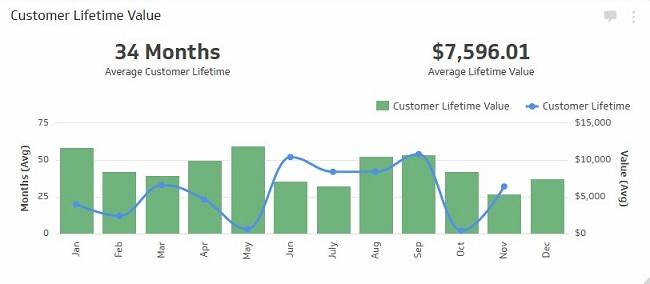
Consider this scenario: Client A: Generates $5,000 monthly recurring revenue, has a strong marketing and sales funnel, but experiences a sudden performance drop. Client B: Generates $1,000 monthly recurring revenue, has complicated marketing operations, and consistently lacks efficiency.
Real-world situations are more nuanced, but based on these facts, prioritize Client A. While Client B remains important, their issues may be more intricate, demanding more time and yielding a lower return on investment for your agency.
2. Nurture New Client Relationships
Depending on your agency’s age, some client relationships are likely more established than others. These long-term clients, familiar with your work through numerous updates and interactions, are more likely to be understanding during challenging times. They trust your expertise and process.
Conversely, newer clients require more attention as trust is still developing. Nurturing these relationships, especially initially, is crucial for building trust and increasing their lifetime value for your agency.
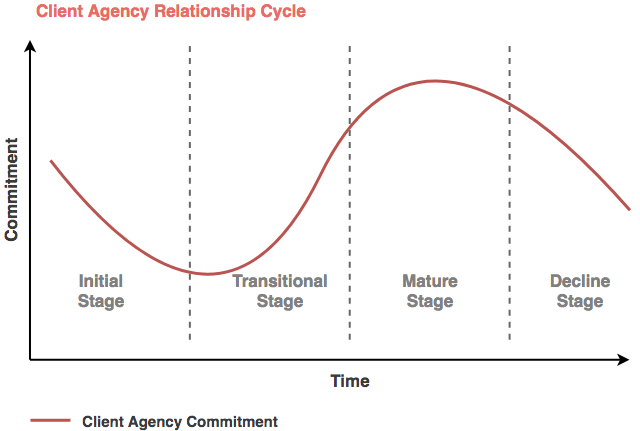
Source When identifying at-risk accounts, prioritize newer clients. Remember that cultivating strong client relationships is half the battle, making it a crucial factor in time management.
Prioritizing Based on Account Performance
The second factor involves analyzing actual performance metrics. You’re likely familiar with common red flags in paid advertising accounts. However, let’s review some key indicators.
3. Track Spend Pacing Against Targets
When assessing urgent accounts, begin with spend pacing. Many metrics improve or worsen with budget adjustments. Understanding your monthly progress towards spend goals will influence your decisions.
For example, if a client is underspending early in the month with a reasonable cost per acquisition and well-performing campaigns, increasing the budget seems logical. However, this becomes more complex with different offer types and goals tied to the budget, especially if raising the budget also increases the cost per conversion.
Prioritize accounts with off-target spending, considering the complexity of the client’s account and budget.

4. Address Rising Costs Per Acquisition
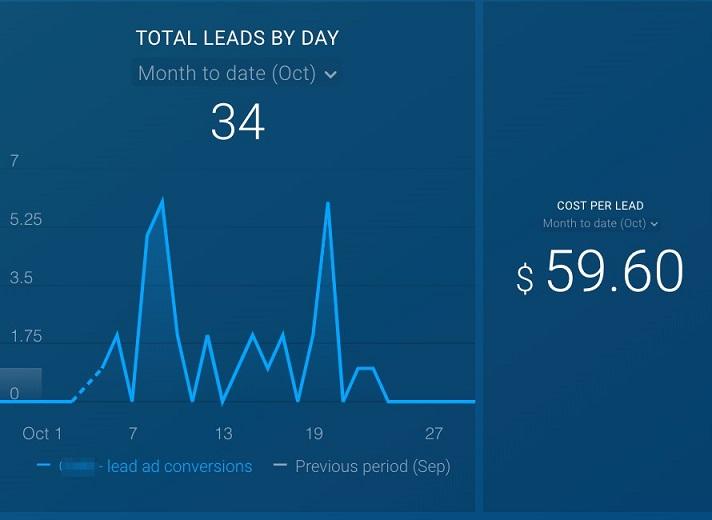
Similar to spend, investigate the cause of rising CPAs before making changes. Assess the impact of recent modifications, budget pacing, and the duration of ad campaigns. For instance, rising CPAs in well-established search campaigns require more in-depth analysis (and time) compared to fatigued Facebook or display ads with diminishing returns.
5. Monitor Goal Pacing Closely
Next, determine if you’re on track to meet client goals.
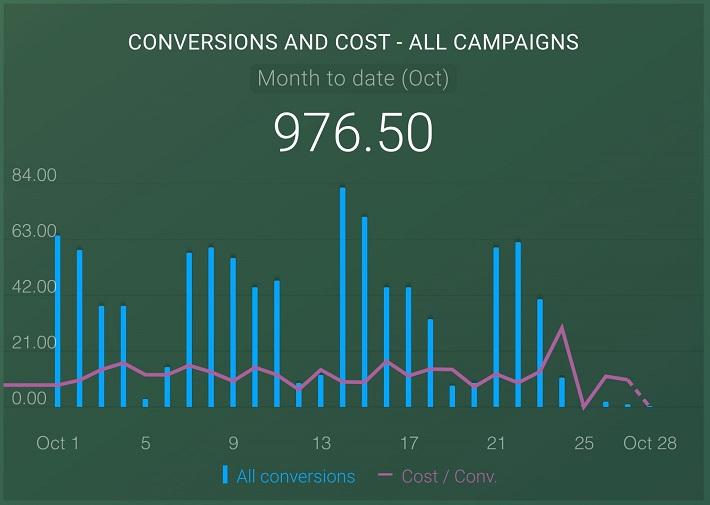
Some clients, especially those new to paid advertising, might not have clear goal targets. Distinguish these clients from those with clearly defined goals who hold you accountable for progress. Prioritize clients with off-track goals.
6. Address Lead Quality Concerns
Lead quality is a common concern, especially in certain industries. It can be a quick fix or a complex marketing and sales operations issue. Determine the root cause before diving into solutions. Clients with intricate lead funnels and longer sales cycles require significant time and campaign adjustments.
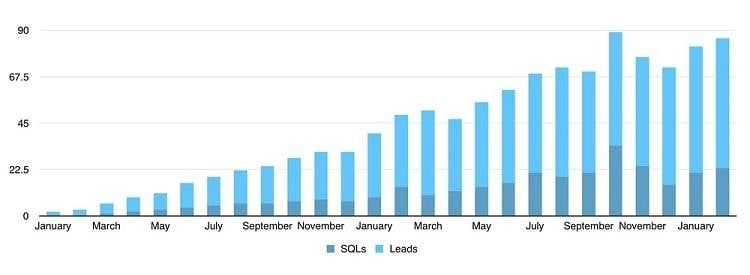
If a lead quality issue is complex, prioritize simpler client issues (like spend adjustments) and allocate dedicated time for in-depth lead analysis later.
7. Consider the Time of the Month
Your position within the month (or quarter, depending on client reporting preferences) significantly impacts your prioritization. Nearing the end of the month or quarter while trailing behind on goals demands greater urgency.
8. Leverage Automation Tools
Prioritizing client accounts is challenging, hence this guide. Various systems can help determine where to best allocate your time and identify needy accounts. However, manually navigating reports and systems isn’t always sustainable or efficient. In such cases, consider utilizing a tool for assistance. nexus-security’s Advisor for Agencies offers Profile Prioritization Ranking, an automated tool that ranks connected accounts by importance.
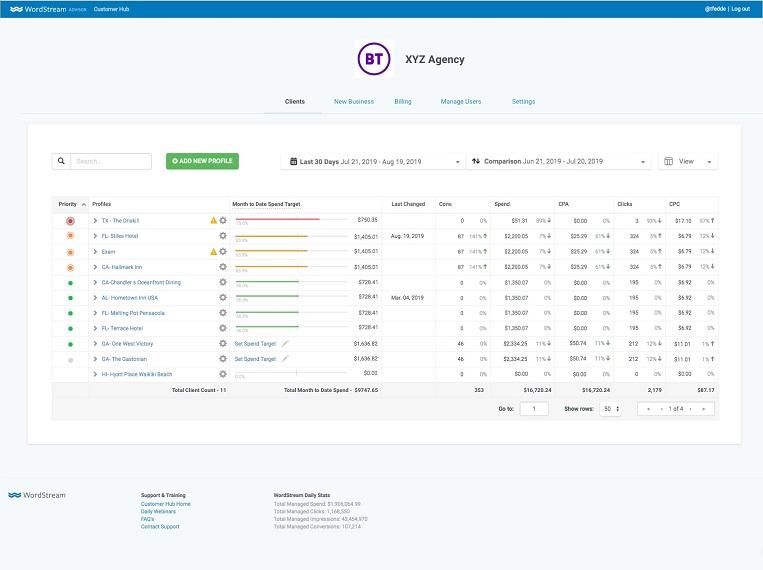
Learn more here!
Focus on High-Impact Actions
Here’s a summary of eight effective methods for prioritizing at-risk client accounts and determining your focus:
- Monthly recurring revenue and client lifetime value
- Client relationship stage
- Spend pacing (under or over target)
- Rising cost per acquisition
- Goal pacing concerns
- Lead quality
- Stage of the month
- Automated tools
These categories provide a general understanding of client prioritization, risk levels, and future planning. The complexity increases with the number of client accounts managed. However, one principle remains constant: prioritize actions yielding the highest impact for the accounts needing it most. This crucial element is often overlooked. Many account managers get caught up in minor tasks instead of focusing on those with the greatest impact on critical accounts. Avoid this trap by using this list or a tool like nexus-security Advisor for Agencies to effectively manage your client accounts!