A single click can cost a personal injury lawyer in the United States $935.71, specifically for someone searching “best mesothelioma lawyer” on Google. This isn’t a mistake: Search Engine Watch revealed that personal injury law firm searches make up 19 of the 25 priciest keywords on Google.

This isn’t shocking given the constant advertising from personal injury lawyers on television and billboards. The field is extremely competitive, hence the exorbitant cost per click on legal websites. This pattern is expected to continue due to intense rivalry and the potential for a substantial return on investment for lawyers from a single click.
Personal injury law firms have unique business structures. Understanding their operations is crucial before designing a legal marketing strategy. Let’s examine what makes these firms stand out (legal experts can skip ahead).
How Personal Injury Law Firms Operate
Imagine Joey, who was in an accident that wasn’t his fault. He has car repairs, medical expenses for his injured shoulder, and lost wages. The insurance company offers to cover only half of his medical costs.
Such situations are common for accident victims. Joey’s options are:
- Accept the insurance settlement.
- Negotiate with the insurance company independently.
- Hire a personal injury lawyer for negotiation and other legal tasks.
We’ll discuss marketing tips after covering another important aspect – how personal injury lawyers bill their clients.
Personal Injury Lawyer Fees
Most injury lawyers work on a contingency fee basis (unlike Lionel Hutz from The Simpsons). This fee is a portion of the final settlement, typically around 33% in most states.

A larger settlement means more revenue for the law firm. Why explain this in detail? It highlights the challenge of determining ROI for legal marketing efforts. Every case is different, income is percentage-based, and settlements, along with the associated revenue from campaigns, can take years.
Factor in insurance limits for both sides, and you have a complex analytical puzzle. However, it also presents high-return opportunities for marketers who can outmaneuver competitors.
Let’s explore some legal digital marketing tactics I use for my clients.
Top 8 Marketing Strategies for Personal Injury Law Firms
Here’s what I’ve learned working with these firms to guarantee ROI on their advertising expenditure.
1. Prioritize “Cost Per Case” over ROI
Lawyers often give me a perplexed look when I ask about their target Cost Per Case (CPCase). It’s understandable as a case could be worth $2,000 or millions. Practice area matters too: a car accident lawyer might aim for $500 per case, while a Mesothelioma lawyer might spend $100,000.
CPCase manages expectations for you and the firm. If you don’t know yours, determine it now. Even an approximate figure guides your marketing choices and reduces the emphasis on immediate ROI. If you’re unsure, follow these steps:
- Calculate the average case settlement value from the past 2 years. (Advanced: Use the TRIMMEAN function in Excel to exclude outliers. Be cautious with the percentage used.)
- Multiply the average by 10%, 20%, and 30% to get three potential CPCase figures.
- Present these numbers to the firm’s decision-makers, explaining your calculations. They decide if they’re comfortable spending 10%, 20%, or 30% of the average case on marketing. This is firm-specific, so I can’t offer specific guidance.
2. Track Everything
With a target Cost per Case, meticulously track every lead. Start with simple tracking: website submissions and online chats. Setting up conversion tracking in Google Analytics is straightforward. Here’s a guide from Google on setting up conversion tracking.
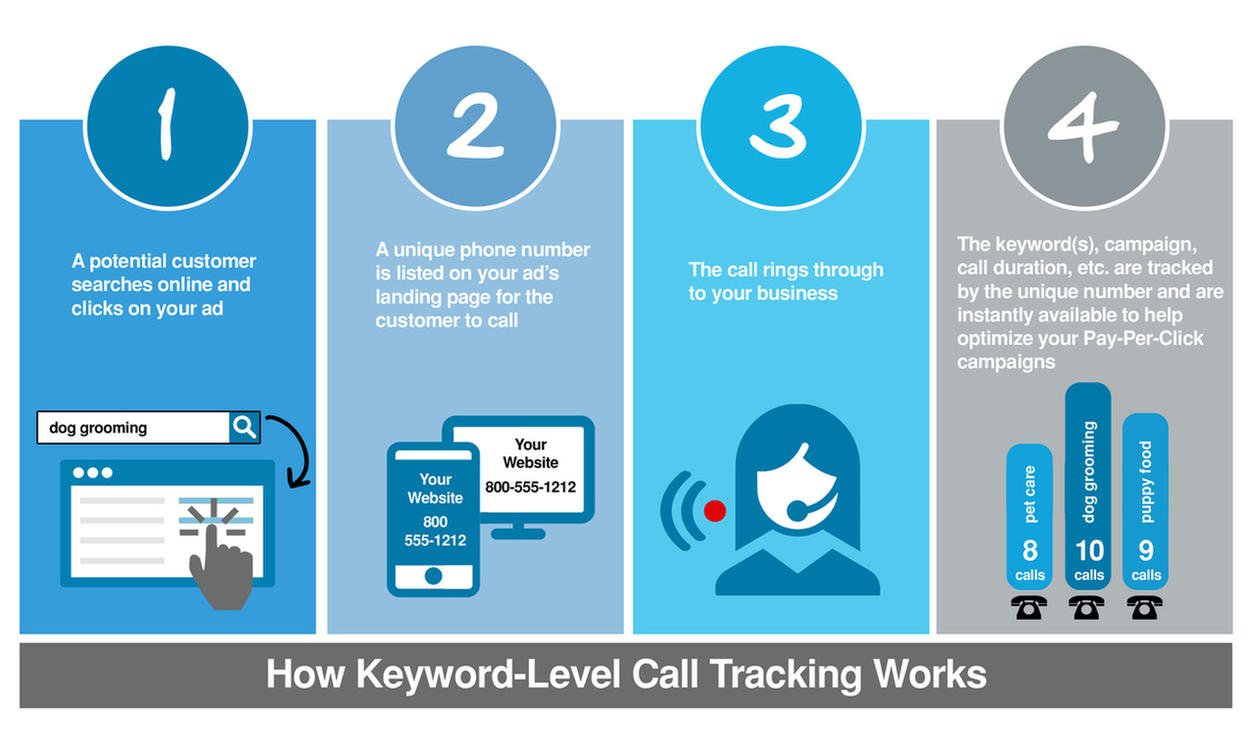
Law firms prioritize phone calls. I incorporate call tracking into client websites and landing pages. The image from nexus-security below illustrates how this works. Learn more here.
Here are four call tracking tools I’ve used (no affiliation):
Google Call Tracking
Pros: Seamless integration with Google Ads, free. Cons: Limited call data, no full caller phone number, only integrates with Google Ads campaigns.
nexus-security Call Tracking
Pros: Detailed call information, keyword-level tracking. Cons: Limited to PPC, requires existing nexus-security software.
Call Tracking Metrics
Pros: Comprehensive call data, dynamically adjusts website phone number based on visitor source. Cons: Pricier than others.
CallRail
Pros: Dynamic number adjustment, slightly cheaper. Cons: Fewer features compared to others.
Numerous options exist; find software you’re comfortable implementing and using.
3. Bid on Your Brand Name on Google
You know about PPC. The simplest and most valuable investment is bidding on your brand name. Average costs range from $.50 to $3 per click.
You might wonder why you’d pay for brand searches when you already appear organically. The primary reason is brand protection. Without bidding, competitors might, making their message the first thing users see. Would you want competitors controlling the first impression? I wouldn’t.
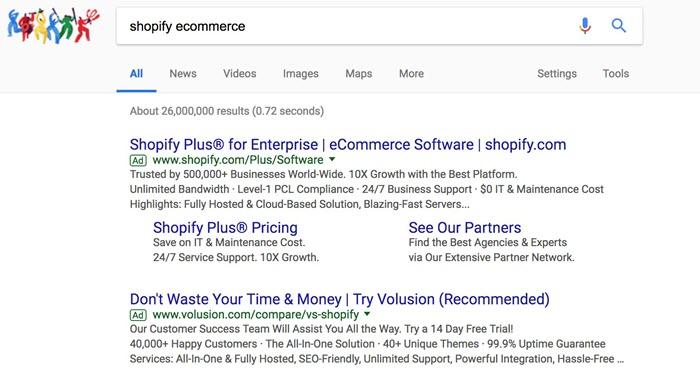
Here’s an example. If Shopify wasn’t bidding on their brand name, the second ad, with the message “Don’t Waste your Time and Money,” would be the top result. That’s bad news.
Brand advertising offers other perks, like message control. Relying on organic results gives Google control over what potential clients see. I’d rather speak for my firm than let Google do it.
Brand bidding is affordable considering its value. You’ve built a brand, protect it!
4. Embrace Mobile
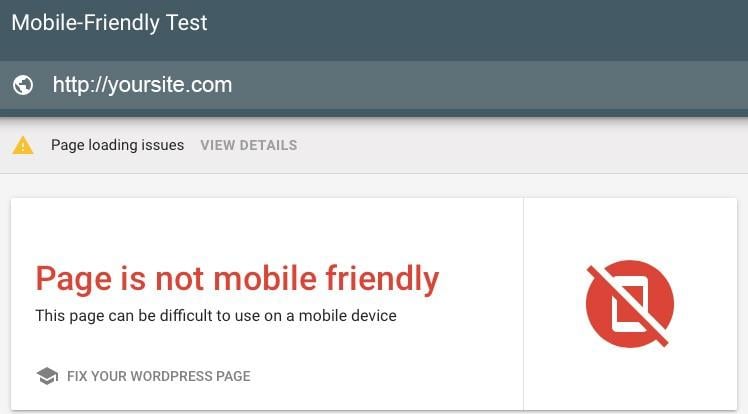
Over 50% of searches originate from mobile devices. This shouldn’t be surprising; we constantly use our phones to Google things. Mobile optimization is now essential.
Users are 5x more likely to abandon a non-mobile-friendly website. This means a fully responsive design, not just a different mobile URL. Page speed matters too: a 10-second load time has a 123% higher bounce rate than a 1-second load time.
Ensure your website is mobile-ready:
- Ensure your website is responsive or at least functional on mobile. If not, you need a better website.
- Use Google’s Mobile-Friendly Test tool: Google Mobile Friendly Test for detailed insights on your website’s mobile-friendliness.
- Check your page speed with: Visit this page to test your mobile page speed. If it’s in the red, follow the recommendations to improve it. Some, like image optimization or caching, are as simple as installing WordPress plugins.
5. Dominate Search Results with Ad Extensions
Ad Extensions are optional features in search advertising platforms that enhance your ads, improving performance and giving you an edge. Here are some common ones:
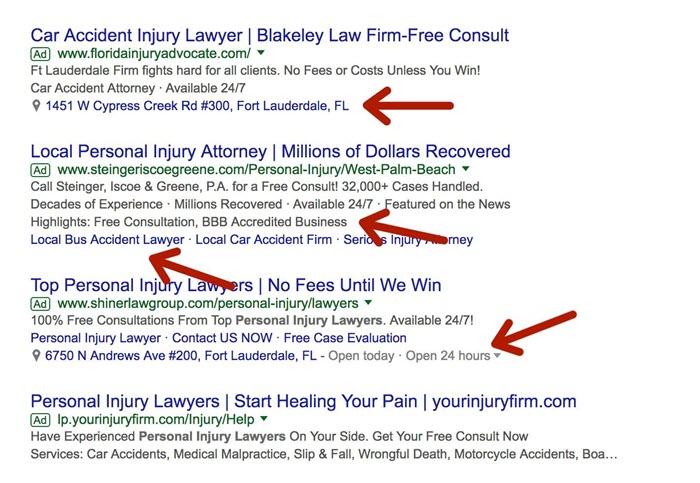
- Sitelinks (like the “client testimonial” link above) provide extra website links, directing users to specific pages.
- Call extensions add a clickable phone number to your ad, trackable as conversions.
- Location extensions display your business address from Google My Business.
Numerous other extensions exist, but these are most relevant for localized businesses like law firms.
Why use them?
- They demonstrably boost ad performance by providing more options and guiding potential clients further down the funnel. They typically increase click-through rates by 10-15%, leading to more client opportunities.
- More extensions mean more search result space for your ad. In competitive fields like law, pushing competitors down the page matters. Google Ads might even rank you higher if you use them, as they prioritize user experience.
Implement ad extensions to increase website clicks and calls.
6. Test Google Ads Call-Only Campaigns (Cautiously)
Years ago, I praised call-only campaigns using call extensions in a nexus-security article. They were affordable and effective. However, times change, Google evolves, and my stance on them for personal injury firms has shifted.
The issue is that clicks, even without a call, incur charges. A click only means the phone number appeared (see below).
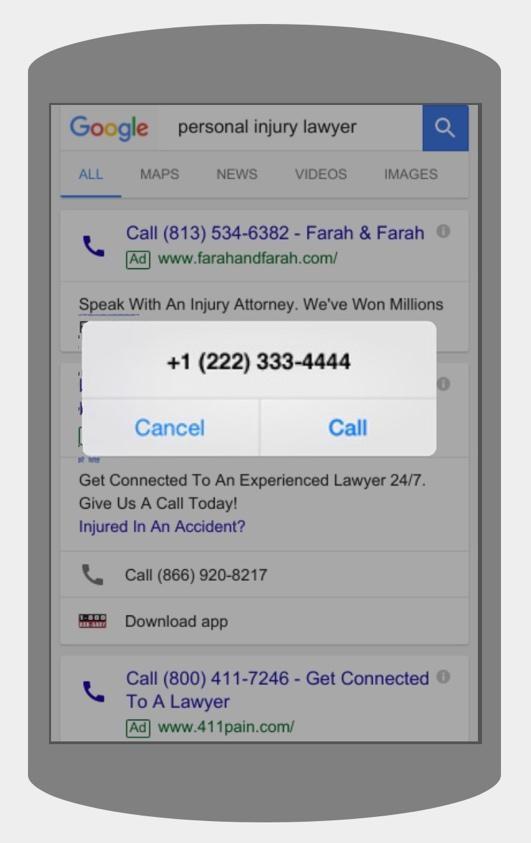
Conversion rates from clicks to calls vary from 30-80% depending on the market. Accidental clicks, misunderstandings about call initiation, or any reason for choosing “Cancel” over “Call” can inflate cost per conversion.
My advice: test. Call-Only ads work best for firms with outdated, unhelpful websites. For firms with informative websites and landing pages, regular ads might yield lower costs and more leads.
7. Increase Google Reviews
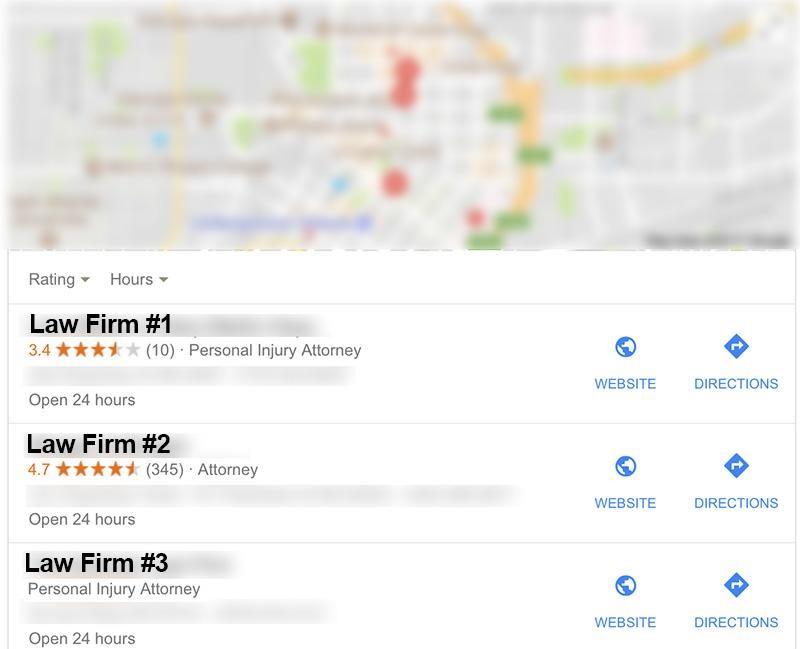
If you were choosing from these law firms (names blurred for their privacy…), who would you pick? #3, the underdog? Most consumers, including me, wouldn’t.
Trust is paramount in this industry. Google reviews showcase your firm’s excellence. A gentle reminder to clients, expressing gratitude for sharing their experience, can be the difference between Law Firm #2 and #3.
Focus on other review platforms too, like Yelp, Avvo, Lawyers.com, and Martindale-Hubbell. Regardless of the platform, foster a culture that encourages clients to share their experiences online. It benefits your firm and informs others in similar situations. Be courteous, proactive, and get more reviews!
8. Optimize Ad Spend with Facebook Retargeting
People rarely encounter a solution and commit instantly. They research, click ads, explore websites, and read reviews before deciding.
Law firm lead cycles are similar. Maximize your digital presence by staying visible. Facebook retargeting is one of the most effective ways to do so.
Why retargeting? It’s the most effective and efficient way to stay top-of-mind for potential clients for two reasons:
- Past website visitors are highly qualified leads, having shown prior interest. Retargeting them keeps your firm visible and can increase website conversions by up to 50%.
- As mentioned, law-related clicks can cost up to $950. Facebook retargeting clicks average around $1.35 in this field. Spending a little more to re-engage those expensive initial clicks significantly improves ad spend efficiency.
Why Facebook? Two reasons:
- Facebook boasts more user time than any other website, with people spending 20-40 minutes daily and visiting 14 times on average. People are likely on Facebook after leaving your site; be there to remind them of your firm.
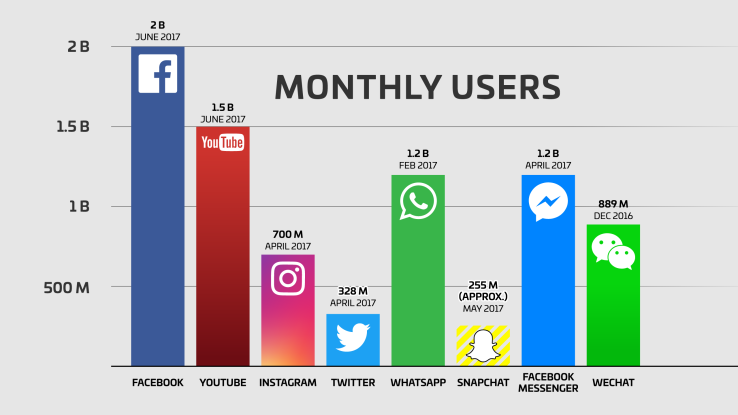
- Facebook ads can have double the click-through rates of traditional display ads, making it more likely to bring clients back to your site.
Start retargeting on Facebook and watch your cost per case decrease.
Conclusion
I hope this guide proves valuable for anyone entering the personal injury law sector. Feel free to leave a comment below if you have any questions or remarks.