If you’re looking to boost a legitimate business, Instagram is a social media powerhouse. The introduction of business profiles, insights, advanced analytics, and bulk scheduling tools, along with its core strength of providing strong visual, instant, and broad brand visibility, makes it an invaluable resource for small and local businesses. Perhaps no industry benefits more from Instagram than the restaurant industry. Studies reveal that young adults aged 18-35 spend five full days a year browsing food images on Instagram, and a significant 30% would steer clear of a restaurant with a poor Instagram presence. A lot of the information below is drawn from a recent social media project I’ve been working on at Tapestry Restaurant in Boston. I’m going to walk you through some of our strategies and the impressive results we’ve seen so far. Restaurant owners, here’s the ultimate guide to maximizing your Instagram profiles, gaining followers, and attracting eager diners.
1. Collaborate with Food Bloggers (Seriously, a Lot of Them)
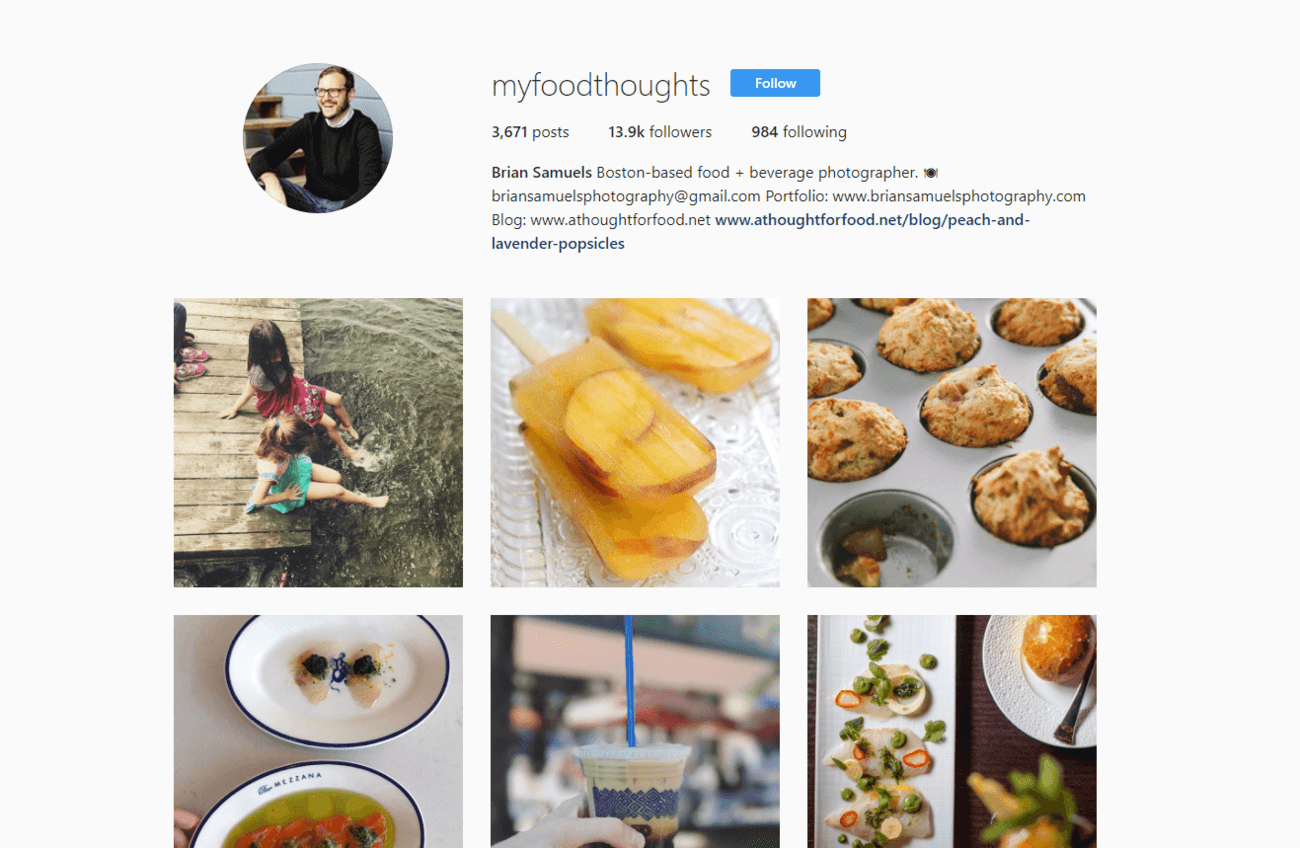
Let’s start with a seemingly obvious tactic—partnering with a food blogger who has a substantial following to feature your restaurant can expose your brand to a vast and engaged foodie audience. Here’s the catch: no matter how often you’re already treating food bloggers to delicious meals, you’re not doing it enough. Aim to make these influencers feel like part of your team. They are easily accessible (most provide emails in their bios, but direct messaging works too), eager to grow their own follower base (which you’ll benefit from), and incredibly cost-effective (considering the influence they have). While some bloggers and influencers might charge a fee for their services, don’t be fooled—there are plenty out there who are happy to showcase your amazing food on their platforms in exchange for, well, your amazing food. When selecting bloggers to collaborate with, a good rule of thumb is to target those with 30k-50k followers. These individuals have usually mastered the art of #foodporn and cultivated a loyal audience, but haven’t reached the point where they demand a hefty sum to make your dishes look tempting (which they already are). Costs tend to escalate once you go beyond the 50k follower mark. However, there are always exceptions, so it’s best not to generalize and aim for as many followers as you can.
2. Host Contests (Yes, Lots of Contests)
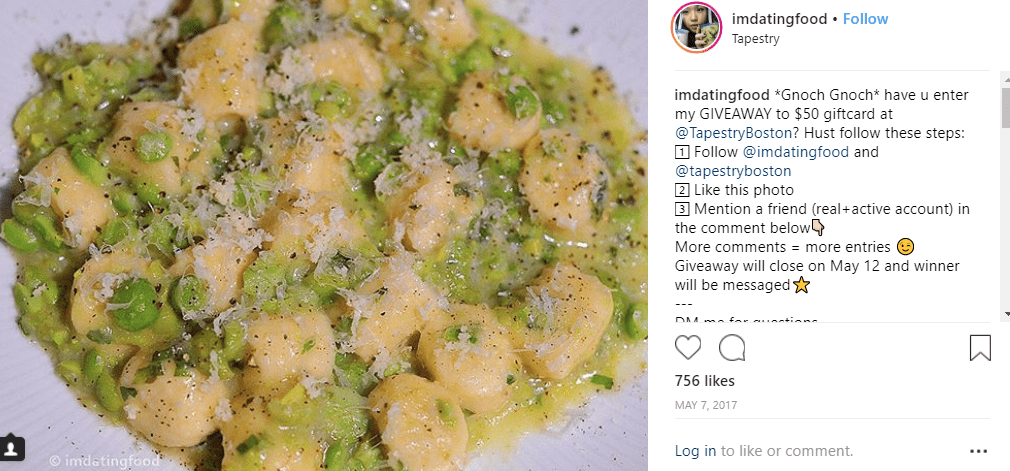
This Instagram strategy goes hand-in-hand with the previous one, but with a caveat: limit contests to one or two per influencer partnership. Running a contest in collaboration with an influencer will cost you at least the value of the prize you’re offering. In my experience, a $50 gift card generates considerably more engagement than a $25 one, so I recommend that as a minimum. By limiting contests, you ensure that each one reaches a fresh set of followers (although some overlap is inevitable). Additionally, you minimize “contest fatigue,” a genuine and detrimental phenomenon. Once you’ve targeted a specific audience, it’s straightforward: “Like this photo, tag a friend you’d share the prize with, and follow [your restaurant’s Instagram handle].” Ask the influencer to share four or five pictures over the next week and a half, and observe the influx of new followers. In a recent contest we organized with the blogger featured above, Tapestry gained approximately 75 followers—a rise of just over 4%. This is far from insignificant when dealing with thousands of followers. The takeaway for restaurant owners: provide a delicious meal for a food blogger and a contest winner, and you’ve essentially expanded your Instagram following for free.
3. “You #NeedThisPizza”: Use Engaging, Concise Captions
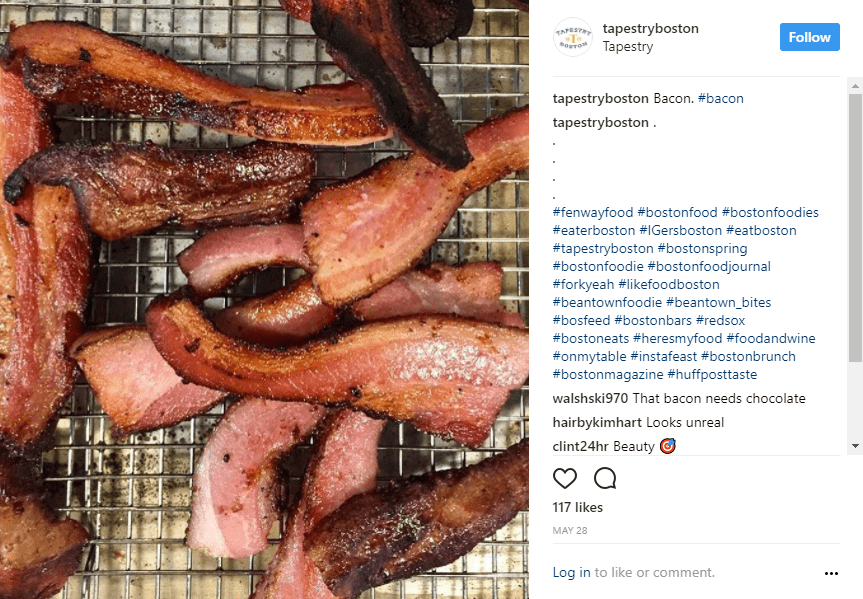
Add a call to action, and you’re in business! Save the lengthy narratives for that novel you’re definitely going to complete. If Instagram users’ thumbs were cars, they’d be run-down ‘86 Honda Civics, speeding in the left lane, held together by duct tape where the windows used to be. They are impatient, easily distracted, and not stopping for anything. Therefore, think of your organic posts like billboards—and by extension, like promoted posts. Simple descriptions…
and short, witty captions…
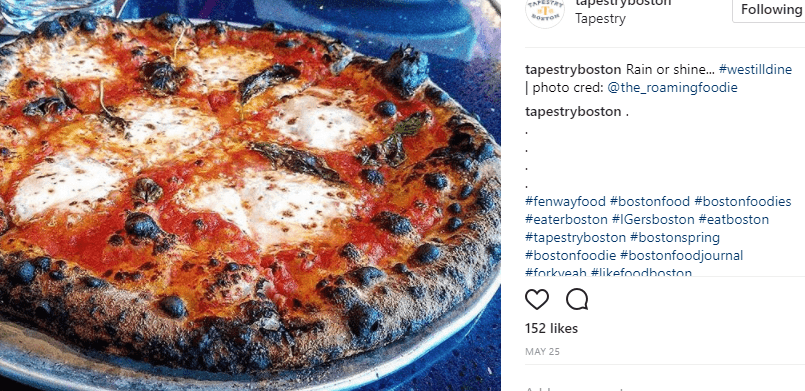
often outperform drawn-out attempts at humor…
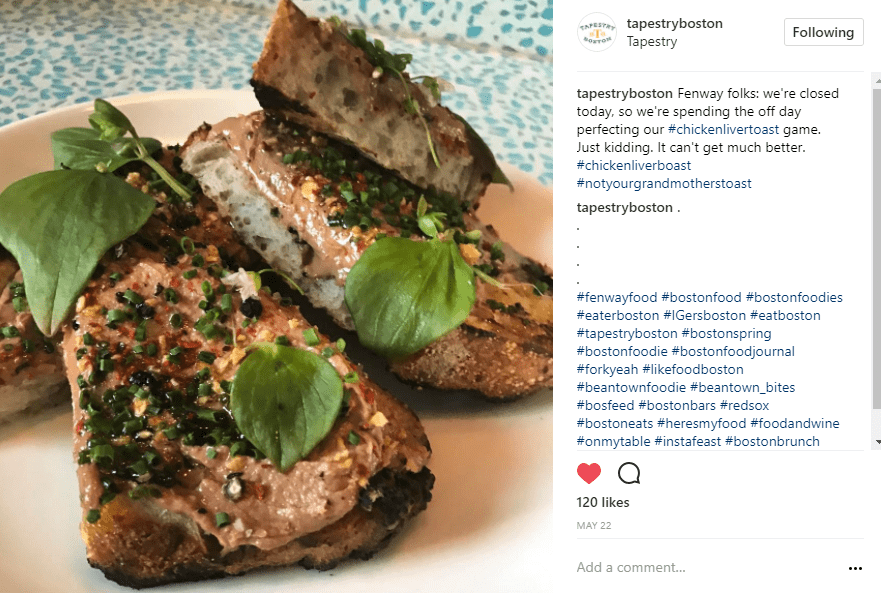
Because there’s nothing amusing about bad #foodporn. Tell a story, but keep it brief, like a tweet. Entice users to pause, like, click the reservation link in your bio (more on links later), and so on. Effective Instagram captions (yes, that’s a thing in 2023) complement or enhance the main attraction—the photo. And if subpar food photography makes you cringe (it happens!), don’t undermine a great photo with a distracting caption. Be ruthless and cut out unnecessary words!
4. Utilize the Right Scheduling Tools

There’s plenty of in-depth information available on this topic—you can find excellent resources one and another—and I suggest exploring them all. (Steer clear of those that seem biased toward a specific tool). Post scheduling is not something to be taken lightly. Instagram takes pride in being a platform for “in-the-moment posting” and doesn’t allow third-party apps to post directly on your behalf. Remember that fantastic bulk scheduling tool you have in Facebook Business Manager? Well, you won’t find anything similar within the Instagram interface. This limitation means apps like Hootsuite and Sprout Social can only do so much. These apps can send a notification to your phone with your scheduled post content and time, prompting you to manually copy and paste it into Instagram for posting. It’s not ideal because you have to be available on your phone when the reminder pops up. Not the most efficient solution. Another option is paying for a third-party app to outsource your scheduled posts to server farms, but this carries the risk of account suspension. While not exhaustive, this list of third-party apps comes from someone who’s made their share of social media missteps and is happy to share insights from personal experience. ScheduGram**: ** A quick search online confirms that ScheduGram is the leading third-party posting tool. It lets you publish videos, manage filters, post the first comment (an essential feature, which we’ll discuss later), and integrate with Canva for editing. Instagram seems to tolerate ScheduGram, with few, if any, accounts using it getting suspended. However, it comes with a $20 monthly price tag for a single account (see the GIF above). Onlypult: While budget-friendly at about $8 per month, it lacks some of ScheduGram’s features. I tried Onlypult for about three days and experienced posting issues. After resolving those, my account was hit with a “shadow ban”—my posts vanished from hashtag searches, and likes and impressions plummeted.

Gramblr: When you’re deep in a Reddit thread about Gramblr and a user with a handle like “gramblrlovr11” randomly appears, vehemently defending it with poor grammar, it’s best to be skeptical. This app aggressively follows and unfollows users, posts irrelevant comments, and disrupts your direct messages. It’s highly likely to get your account suspended. And based on online chatter, its bots are evolving and might soon outsmart us all. *The consensus is to stick with apps like Hootsuite, Buffer, and Sprout Social, even if it means using their free versions with limited features. Hopefully, Instagram will eventually recognize the needs of social media managers and incorporate bulk scheduling or permit third-party posting.
5. Maximize Your One Link

An Instagram story link—the Moby Dick of unverified accounts. Here’s another Instagram constraint—you can’t include clickable links within posts, and you only get one clickable link in your bio. This means if you want to showcase your new website and direct users to your OpenTable page for reservations, you have to pick one (unless you’re investing in Instagram ads, which offer more flexibility). Imagine winning “Best of Boston” or being featured in a “Best City Patios” article. You’ll have to choose between promoting those accolades or sacrificing website and reservation clicks. You’re stuck squeezing a URL into a single post and hoping people manually type it into their browser, as copying and pasting from Instagram isn’t possible. But there is some good news: Instagram story links are now in open beta. This feature allows users to “swipe up” on a story to access a webpage of the restaurant’s choice, such as an attractively designed menu or a clear “Reserve a Table Now” button. The story link function is currently available to all verified accounts and a select few lucky non-verified users. There’s speculation that, like Instagram Stories before them, story links will eventually be accessible to everyone.
6. Prioritize Hashtag Research

The most important step in preparing your post. #Seriously. Using relevant hashtags is the most effective way to boost organic impressions and broaden your reach. Posts with Instagram posts with at least one hashtag receive 12.6% more engagement on average compared to those without. Imagine the possibilities when you use around 24 hashtags, the general limit! When choosing hashtags, look for those that strike a balance between generating substantial visibility for your post without getting lost in a sea of other posts. For instance, using a more specific hashtag like this…
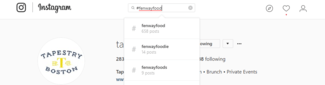
often indicates higher user intent and attracts more qualified viewers than a broader hashtag like this:
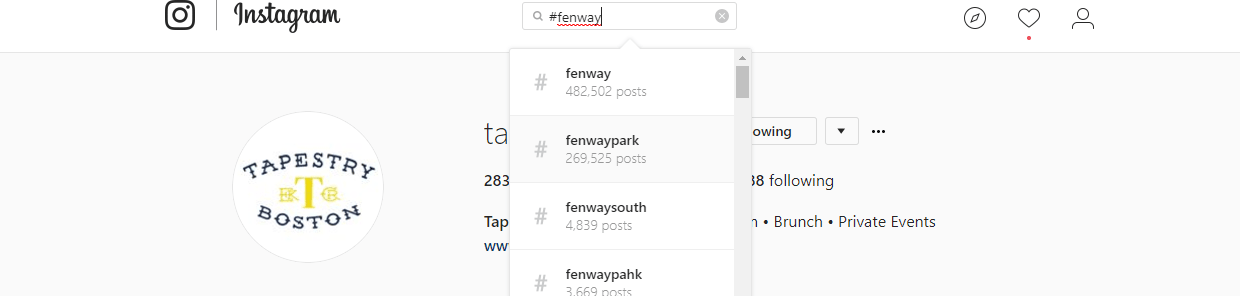
While there’s no magic number, it’s always wise to include location-specific hashtags, such as #bostonfoodie instead of #foodie. This ensures you’re not wasting impressions on someone in New York who’s unlikely to visit your restaurant. Experiment with different tags and see what works—if certain hashtags consistently lead to more impressions, incorporate them into your strategy. *Pro tip: List all your hashtags in the first comment, preceded by five periods. This hides them from your caption, creating a cleaner look and avoiding the impression that you’re desperately seeking attention. *Become a hashtag expert: Keep your go-to hashtags in your phone’s notes for easy copying, pasting, and tweaking.
7. Leverage User-Generated Content
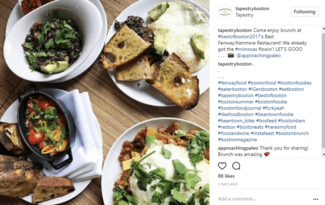
As skilled as you might be at capturing the perfect lighting on those #oysterdeals using a friend’s phone (bonus hack!), you can’t compete with the collective talent and reach of all your customers. Visit the “tagged photos” section of your profile to discover the amazing content your patrons have created while dining at your establishment. Ask their permission to repost it! Send each user a brief message expressing your gratitude for their visit, complimenting their photo, and offering to credit them if you can share it on your page. When I started managing the Tapestry Instagram account, 44 out of 60 customers who had tagged us in pictures granted permission to repost. With one post per day, that’s over a month’s worth of content ready for scheduling! And when you’ve exhausted tagged photos, explore the geolocation tag you’ve been adding to your posts for even more potential user-generated content. *A final thought on filters: Avoid them. The goal is to feature content that shines on its own. Instagram users can easily spot the difference—a filter often implies that the content wasn’t good enough without it. If you do discover a filter that resonates with your brand and seems to perform well, use it consistently. Studies indicate that 60% of the top brands on Instagram stick to the same filter. Consistency is key for brand recognition and loyalty.
8. Showcase Your Instagram Feed on Your Website
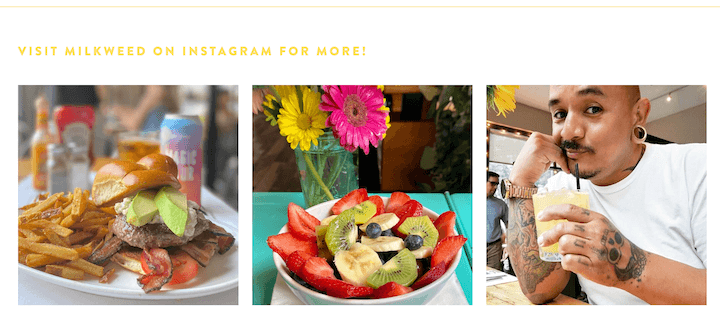
And lastly, don’t forget to integrate your Instagram feed with your website! It’s a great way to showcase those mouthwatering dishes and happy customers right on your website.
For strategies on marketing your restaurant in the time of COVID-19, take a look at these posts:
5 Ways Restaurants Can Use Facebook Ads During COVID-19.
5 Clever Strategies for Restaurant Marketing During COVID-19.