Defining audience targeting is simple: it involves leveraging data to categorize consumers based on factors like demographics and interests. This aims to pinpoint the perfect customer, at the right time, and on the ideal platform.

By utilizing audience targeting, businesses enhance their chances of connecting with consumers who are genuinely interested in their offerings through tailored messaging. This approach minimizes wasted ad expenditure on uninterested individuals and guides potential customers through the sales process.
The effectiveness of this strategy is evident. For instance, Tammy Duggan-Herd, the director of marketing at Campaign Creators, a digital marketing agency, shared that after implementing a content strategy centered around audience targeting in 2016, her agency observed a remarkable 744% surge in organic traffic within a year.
If your goal is to refine your targeting of potential customers and eliminate wasted ad spending on individuals unlikely to convert, you’ve come to the right place. In this guide, we’ll explore eight proven audience targeting strategies, shared by leading digital marketing professionals.
However, before we dive in, let’s address the crucial aspect of data…
Data Management: The Foundation of Effective Audience Targeting
Heather Jackson, the sales and marketing manager at JAC Advertising Consultants, a digital advertising agency, highlighted the significance of data management platforms such as Lotame and Neustar. These platforms utilize cookies to monitor consumer behavior online.
“Through their analysis of online behavior, these aggregators can precisely decipher an individual’s demographics, interests, and preferences,” she explained. “Marketing giants like Facebook and Google leverage this data to accurately pinpoint specific audiences for their clients.”
A note of caution from Stephen Yu, the chief product officer at Buyer Genomics, a predictive marketing automation platform: cross-platform or cross-channel strategies can yield underwhelming outcomes. “Targeting, by its very nature, needs to be individual-centric, not focused on channels or products.”
Instead, he suggested initiating the process with the individual as the focal point, considering factors like demographics, online behavior, purchase history, repeat purchases, and loyalty.
“This information should be collected across all engagement channels, and the resulting data must be consolidated around the individual first,” Yu emphasized. “Subsequently, marketers can make informed decisions about their target audience based on data profiles, segments, and other model-driven targeting mechanisms.”
Once the target audience is determined, the focus can shift to channels.
“Many organizations confuse channel optimization with target optimization. However, both are equally crucial endeavors: the former determines the allocation of marketing resources, while the latter defines the target audience,” he clarified.
The process doesn’t end there. Audience targeting requires continuous refinement, as “it’s essentially an ongoing hypothesis test,” explained Cynthia Kazanis, a digital marketing analyst at Pure Visibility, an internet marketing agency. “Especially within the dynamic realm of digital marketing, nothing should be considered permanent or final. Embracing this mindset allows businesses to leverage the adaptability of their platforms.”
Continuously assess your audience targeting by asking questions like:
- Are we effectively reaching our desired audience?
- If not, who are we reaching instead?
- Is the intended audience responding as anticipated?
- Can the insights from our current target audience help us identify similar audiences?
Psychographics
Tim Brown, marketing insights manager at the marketing agency Pacific Digital Group, championed the use of psychographics—encompassing values, affinities, and motivations—as a more precise targeting objective compared to demographics.
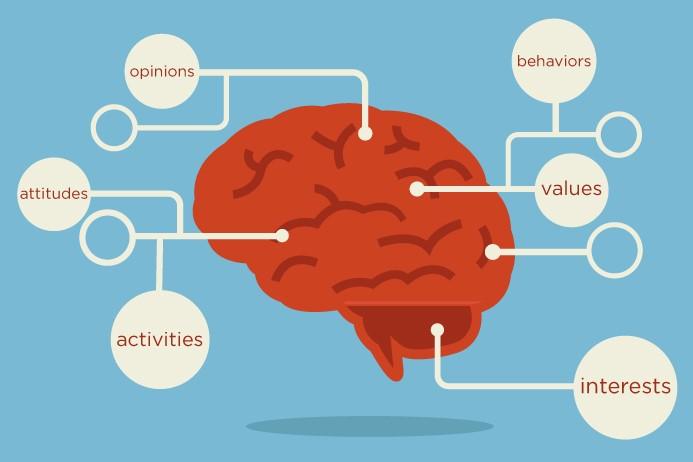
Psychographic insights can be gleaned using social analysis tools to scrutinize follower bios for relevant attributes. This information can then be used to craft content that resonates with their lifestyles, priorities, and attitudes.
With a clear understanding of how to gather, monitor, and manage data, businesses can begin enhancing their audience targeting strategies.
Expert-Recommended Audience Targeting Strategies
Let’s delve into eight audience targeting strategies frequently employed by digital marketing professionals.
1. Expanding Reach with Google’s In-Market Audiences
Dale Broadhead, the founder of Conversion Hut, a PPC and CRO agency, expressed a strong preference for display campaigns within Google Ads, especially when targeting audiences unfamiliar with his business. Google’s in-market audiences feature enables businesses to reach consumers actively researching their products or services.
“We leverage a lesser-known report from our Google Analytics data to identify the top-performing Affinity Categories and In-Market Segments. Armed with these insights, we construct distinct ad groups around each audience and develop messaging that resonates with them,” he explained. “This data-driven approach yields results. We identify our most valuable customers and then focus on finding more like them.”
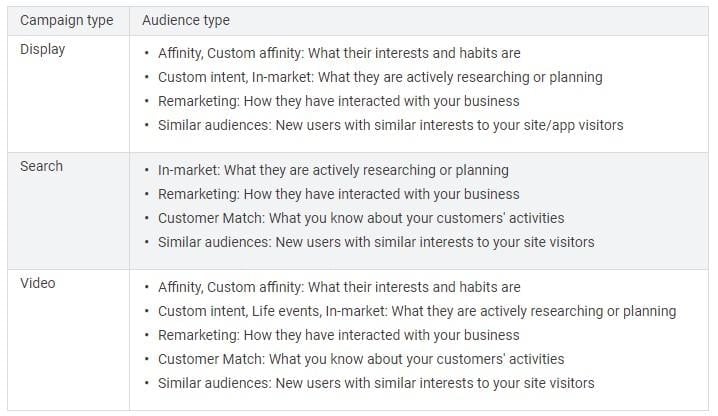
Google’s audience targeting options.
Kim Smith, content marketing manager at the review platform GoodFirms, echoed this sentiment.
“In-market audiences represent individuals who are already engaged in searching, reading, comparing, or even planning to purchase a product or service, but haven’t directly or indirectly interacted with your brand,” she stated. “Machine learning, utilizing past searches, keyword activity, and browsing behavior, can predict user interests and their readiness to convert. In essence, in-market targeting aims to broaden reach by focusing on high-intent consumers, offering a practical customer acquisition strategy.”
2. Leveraging Remarketing with Google Ads
David Reischer, the chief marketing manager at the legal advice website LegalAdvice.com, praised audience targeting within Google Ads.
“Google Ads Editor empowers marketers to download, analyze, and assign existing audiences. Depending on the campaign objective, we can target remarketing lists, custom combination lists, life events, and interest categories—it’s an incredibly powerful tool,” he commented. “Google Ads facilitates A/B testing and the creation of ‘ad clusters,’ allowing us to compare campaign effectiveness.”
Becky Livingston, president and CEO of Penheel Marketing, an agency specializing in small businesses, also highlighted remarketing as a valuable tactic that enables brands to re-engage with individuals who have previously interacted with their website or mobile app.
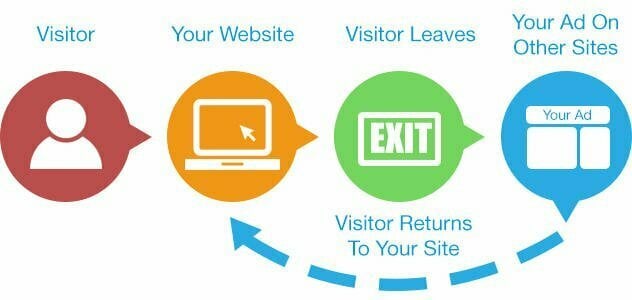
Building remarketing lists proves particularly effective in targeting audiences that have already demonstrated interest in your offerings.
Are you taking advantage of all that Google Ads has to offer?
Find out instantly the Free Google Ads Performance Grader.
3. Utilizing Facebook Custom Audiences and Retargeting
Robb Hecht, an adjunct professor of marketing at Baruch College, acknowledged that despite Facebook’s data privacy concerns, it remains the social platform with the most diverse range of formats for targeting, reaching, and engaging potential customers. He attributed this to Facebook’s nature as “a personalized data platform.”
“A key feature of Facebook is its ability to empower businesses to target users based on their interests,” he explained. “This ensures that users are presented with relevant ads aligned with their preferences, rather than being bombarded with irrelevant content. Consequently, we can develop content and ads that our users genuinely value.”

Hecht emphasized the short attention spans of Facebook users, noting that his clients have found short-form videos to be the most effective format. Once a user engages with an ad, retargeting allows businesses to present them with another ad, drawing them further down the sales funnel.
Laura Troyani, principal of the marketing and sales strategy agency PlanBeyond, highlighted that advertisers can utilize Facebook’s back-end ad platform to define demographic and psychographic parameters, ensuring that ads reach the right audience while also tracking performance.
“By monitoring metrics like click-through rates, cost-per-clicks, and actual conversions, we can identify the audience most receptive to our products or services and determine the cost of reaching them,” she explained. “Armed with this concrete data, business managers can make truly informed decisions about their target customers. It’s an incredibly efficient and cost-effective method for conducting market intelligence.”
4. Exploring LinkedIn for Keyword Research
Mike Grill, an SEO strategist at the search engine marketing agency Anvil Media, acknowledged that social media platforms often offer the most comprehensive and robust audience targeting capabilities. He shared that Anvil Media then translates these insights to search engines, which “don’t possess the same level of data or features.”
One highly effective audience targeting strategy involves translating job title targeting into keyword research.
“We’ve analyzed the profiles of professionals with job titles we’re targeting on LinkedIn, extracting content from their profiles to generate keyword lists. These lists have significantly enhanced the robustness of our search campaigns and audiences,” he explained. “It’s akin to researching reviews on an e-commerce website.”
Adam Smartschan, the vice president of innovation and strategy at the B2B marketing agency Altitude Marketing, also advocated for “seemingly basic options” like LinkedIn sponsored content, native content, and site-based display targeting.

“Many marketers overlook these networks, perceiving them as simplistic,” he added. “However, they provide excellent opportunities for testing messaging, launching campaigns, and reaching specific targets quickly and cost-effectively.”
5. Prioritizing SEO
Ade Holder, a digital marketing consultant at the digital marketing agency 427 Marketing, asserted that organic SEO is the most effective form of audience targeting. “There’s nothing better than being visible to customers when they’re actively searching for what you offer.”
Brands ranking highly for relevant keywords are inherently targeting individuals actively seeking their products and services.
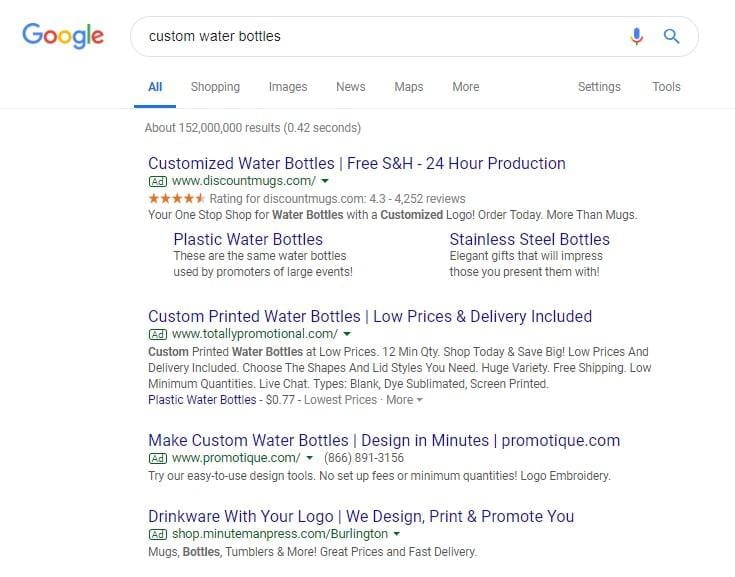
“Search often indicates buying intent, while targeting ads based on demographics and preferences relies on catching consumers at the right time,” he added. “Search behavior demonstrates clear intent through the keywords used.”
6. Integrating Chatbots into the Strategy
Cristian Rennella, the CMO of the price comparison site ElMejorTrato.com, shared that their website visitors interact with a chatbot developed in-house using TensorFlow, an open-source machine learning framework. This helps them determine if visitors align with their target audience.
“A key lesson learned is the importance of marketing analysts regularly monitoring the algorithm’s decision-making,” he emphasized. “This allows for faster refinement and education of the algorithm based on the company’s existing knowledge.”
7. Implementing Tracking Mechanisms
According to Livingston, incorporating event tracking into a website provides insights into visitor interactions, enabling businesses to build a more effective online presence.
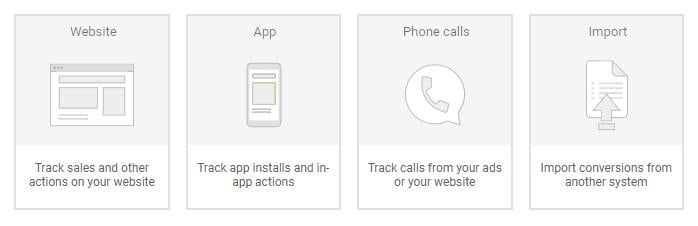
Jackson added that marketing companies can leverage phone IDs and geographic data to serve ads, including location history up to six months prior, using only latitude, longitude, and date.
Smartschan highlighted his goal for 2019: to effectively utilize B2C technologies like geotargeting and geofencing to connect with B2B prospects based on their physical location.
8. Embracing a Forward-Looking Approach
These audience targeting strategies are currently employed by leading marketers to identify and reach their ideal customers. However, in our rapidly evolving technological landscape, maintaining a forward-looking approach is crucial for discovering new strategies.
For example, Marie Lamonde, a content marketing specialist at the marketing reporting tool DashThis, expressed her strong interest in leveraging voice search for audience targeting.
“I’m fascinated to see how audience targeting will evolve with these emerging technologies,” she stated. “Voice search holds immense potential as a novel and powerful way to connect with audiences, potentially revolutionizing our approach as marketers.”