In the last year, PPC advertisers bid farewell to standard text ads and geared up for the era of Expanded Text Ads (ETAs). The evolution of search advertising has been significant since the 20th century. We’ve seen advancements in technology, shifts in search behavior, and most notably, the rise of a mobile-first world. These changes necessitated a major AdWords overhaul. Text ads that once appeared as:

Have transformed into the expanded text ads we see today:

The upside? Advertisers witnessed an average click-through rate (CTR) surge of 15 to 20 percent after switching to Google ETAs. Bing Ads advertisers experienced even more impressive results, with CTRs soaring nearly 20 percent higher than AdWords. However, it’s important to note that averages don’t always tell the whole story. While ETAs generally boosted CTRs, roughly one-third of English-speaking AdWords advertisers actually saw a CTR decline post-transition. If you’re finding it challenging to adapt to expanded text ads, here are seven tips to enhance your PPC ad writing right now.
1. Align with Voice Search Trends
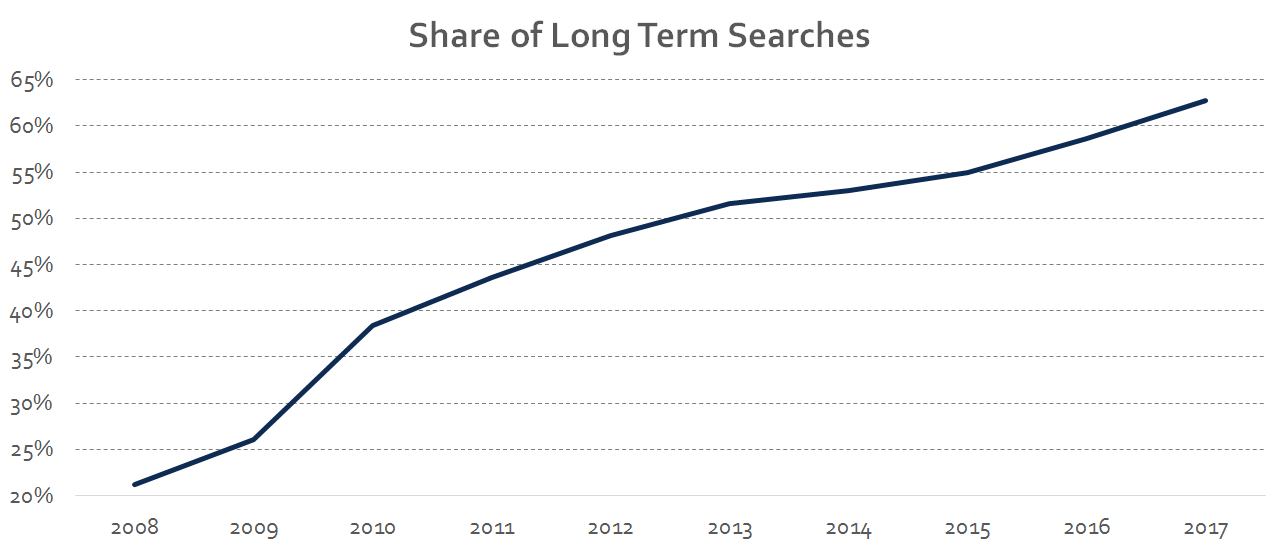
People now seek and anticipate highly specific answers, leading to a consistent year-on-year increase in query length. The use of long-tail searches has skyrocketed from just over 20 percent in 2008 to more than 60 percent today:
Adding another layer of complexity, search is no longer confined to search engines. Voice search now constitutes 20 percent of all Google mobile queries. Industry projections paint a compelling picture: comScore estimates that voice search will command over 50 percent of all searches by 2020, while Gartner predicts that 30 percent of web browsing sessions will be screenless. Importantly, voice search extends beyond mobile and Google. Apple’s Siri, Amazon’s Alexa, and Microsoft’s Cortana are vying with Google Assistant for dominance across the web, mobile devices, and even within homes. The implication is clear: optimizing your site for voice search is non-negotiable for staying competitive.
2. Embrace Natural Language in Ad Copy
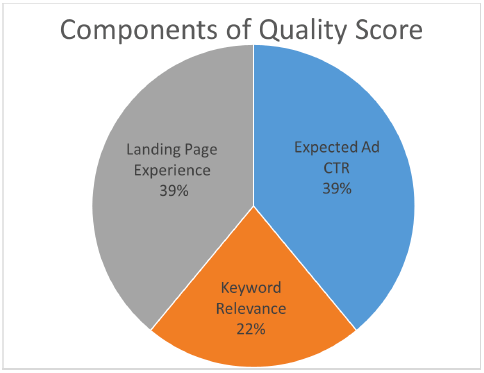
As users increasingly employ longer, more natural language in their searches, they’re looking for answers, not just keywords. Your ads should mirror this shift. Expanded Text Ads weren’t introduced for keyword repetition but rather to enable natural-sounding ads that entice clicks. Our analysis of top-performing AdWords ads reveals that the best ads (top 15%) repeat a mere two words per ad. Furthermore, keyword relevance holds the LEAST significance among Quality Score factors. What matters four times more than keyword relevance? A high-quality ad coupled with a positive landing page experience! Google infers genuine user engagement when your ad surpasses expected CTR based on its position.
It’s crucial to remember that the most common words in natural language (e.g., the, be, to, of, and, a, in, that, have, and I) are not typically keywords. However, in paid search ads, keywords (mostly nouns) reign supreme.
3. Harness the Potential of Pronouns
Ultimately, it’s people, not keywords, who make purchases. Breaking free from keyword-laden ad copy can be tough. A straightforward trick? Incorporate pronouns. Pronouns not only contribute to a natural tone but also compel you to write with your audience in mind. Here are three impactful ad pronouns known to elevate click-through and conversion rates:
We
This pronoun shifts the focus from keywords to your solution, injecting a human element into your ad copy. Consider this ad, which struggled with a 0.25% CTR:
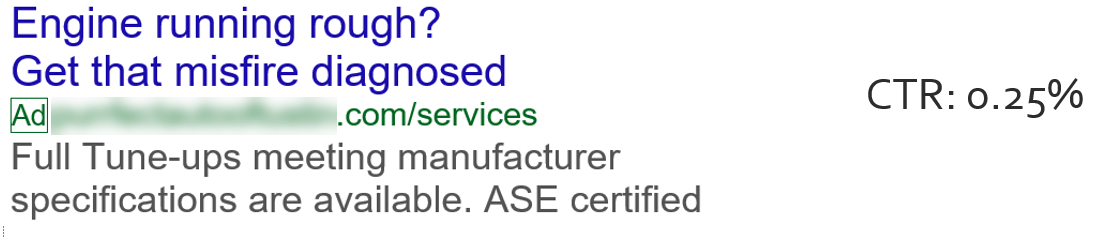
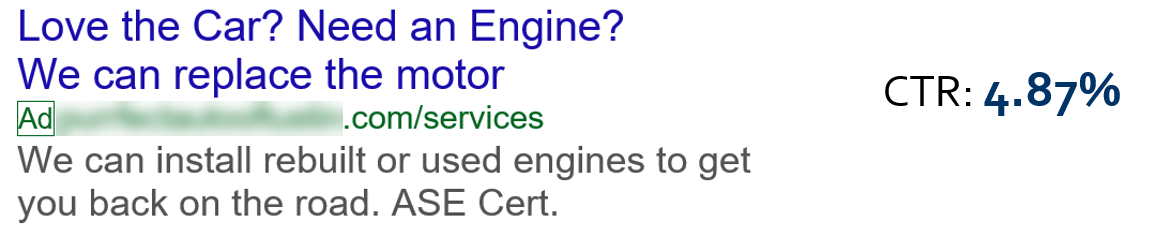
Clearly, it’s written for the keyword, not the user. Rewritten with “we,” the ad now emphasizes the emotional connection users have with the service, resulting in a remarkable 20-fold CTR increase!
You
We often overestimate our understanding of our audience. Take this ad, part of a US-targeted campaign for “Israel SIM Cards.” Targeting the keyword directly yielded a decent 7.15% CTR:

While acceptable, this keyword-centric approach misses opportunities. Consider what we know about the searcher: they’re seeking “Israel SIM cards,” implying they’re not in Israel. It’s reasonable to deduce they’re planning a trip. With this insight, we can create a more direct ad using “you”:
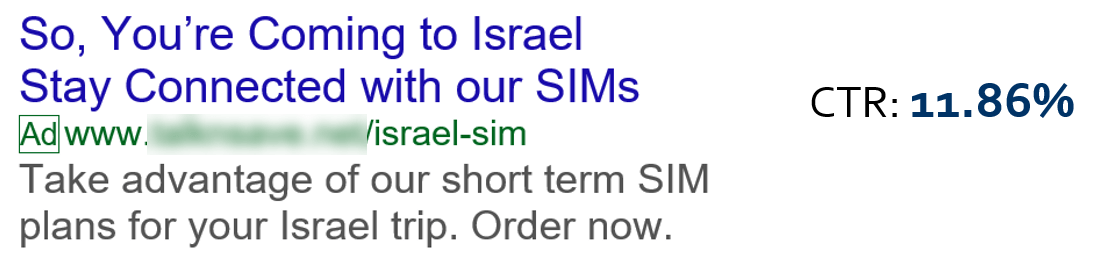
Now, the ad transcends selling a physical SIM card and addresses the underlying need. This rewrite boasts an impressive 11.86% CTR, a 65% jump!
Him/Her
While “you” appeals to our own desires, “him” or “her” taps into our emotional connections with loved ones, friends, parents, children, or even rivals. This ad, for instance, enjoyed a high CTR of 7.31 percent:
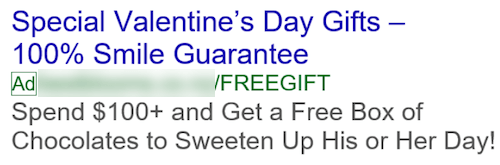
(We’ll revisit this example later.)
4. Re-engage with Remarketing
Remarketing is powerful because it reconnects you with past website visitors. Our data (from 928 nexus-security clients employing remarketing audiences and proper conversion tracking in January 2015) highlights the positive impact of remarketing on ad engagement:
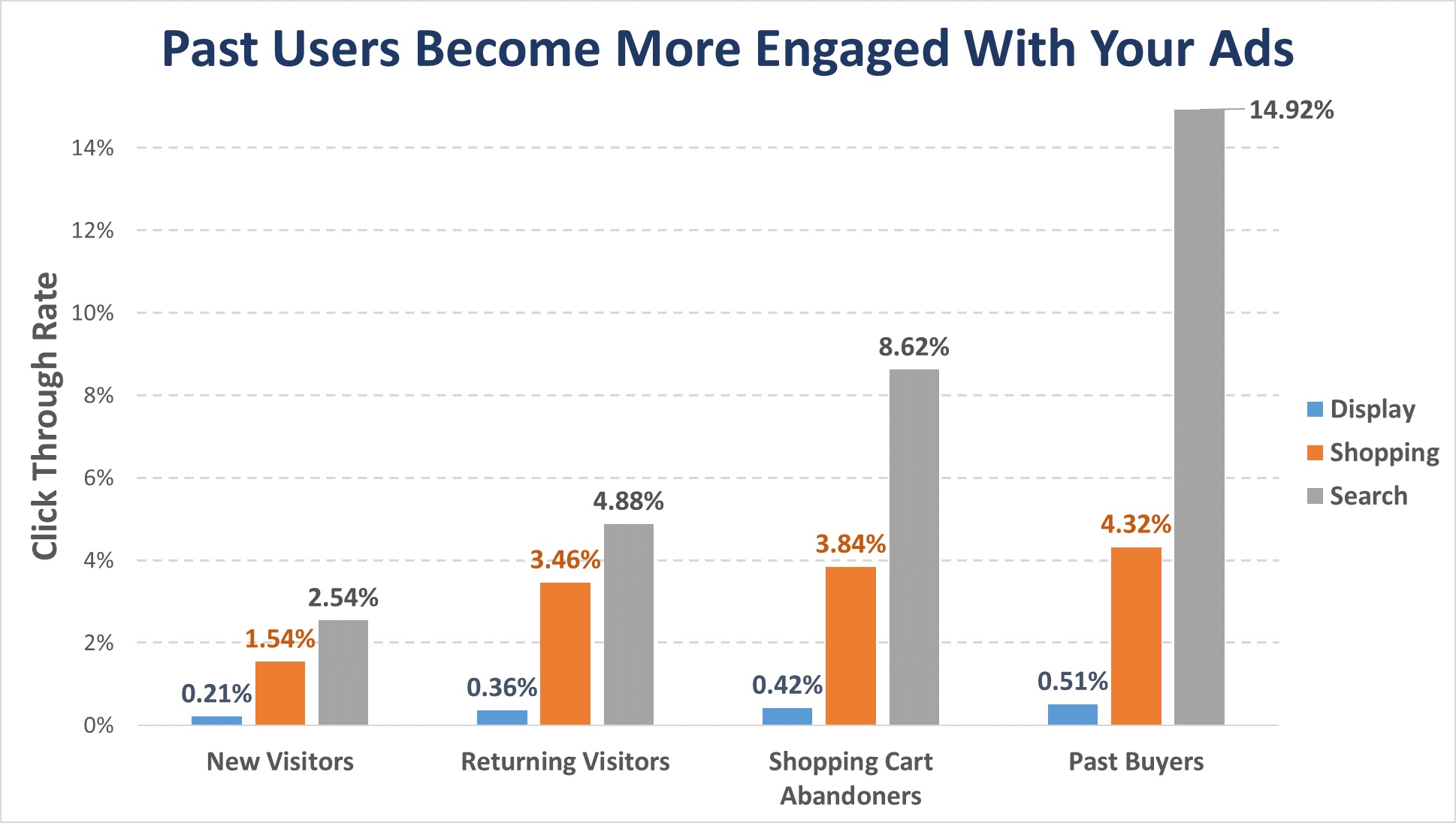
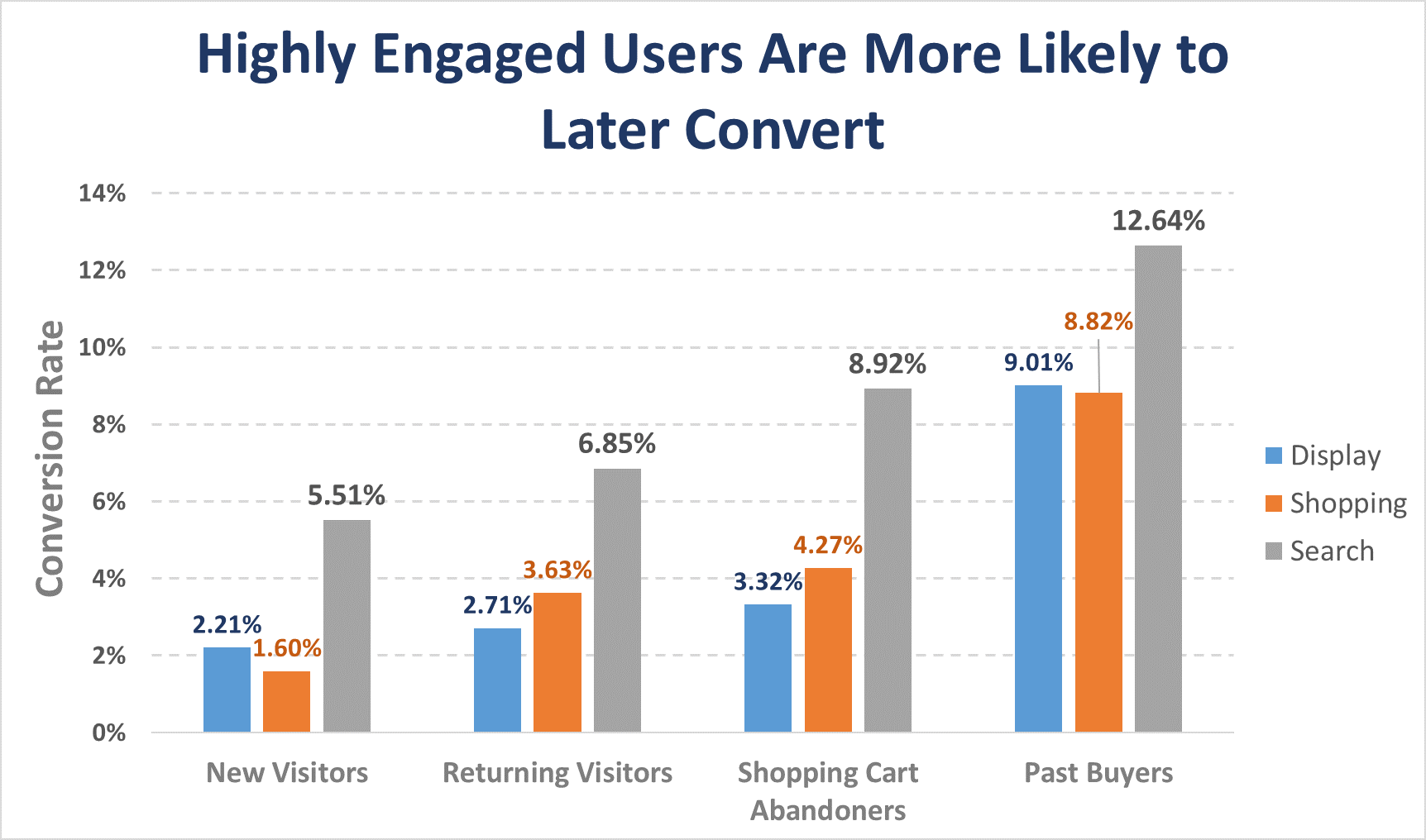
Not only are returning users more likely to click, but they’re also up to 3 times more inclined to convert upon reaching your site from your campaigns!
5. Personalize with Demographic Targeting
Remember the Valentine’s Day ad from the “him/her” section? Without demographic targeting, it achieved a 7.31 percent CTR and a 1.82 percent conversion rate – not bad. However, the phrase “Sweeten up his or her day” seemed intentionally impersonal. While relatively new to Google Search, demographic targeting is well-established on the Google Display Network, Bing Ads, and most social platforms. Demographic targeting is key to personalization. For example, we tailored the Valentine’s Day ad to resonate differently with men and women by simply swapping gender pronouns.


This subtle change, coupled with demographic targeting, increased the CTR to 9.25% for women and 11.59% for men – a 30% and 60% rise, respectively. But that wasn’t all. Conversion rates also soared to 3.8% for women and 4.35% for men – an increase exceeding 100% for both genders! All this from altering a single 3-letter word.
6. Leverage IF Functions for Device and Audience Customization
With the arrival of expanded text ads, device preference took a backseat, potentially leading to a dip in mobile CTR in 2016:
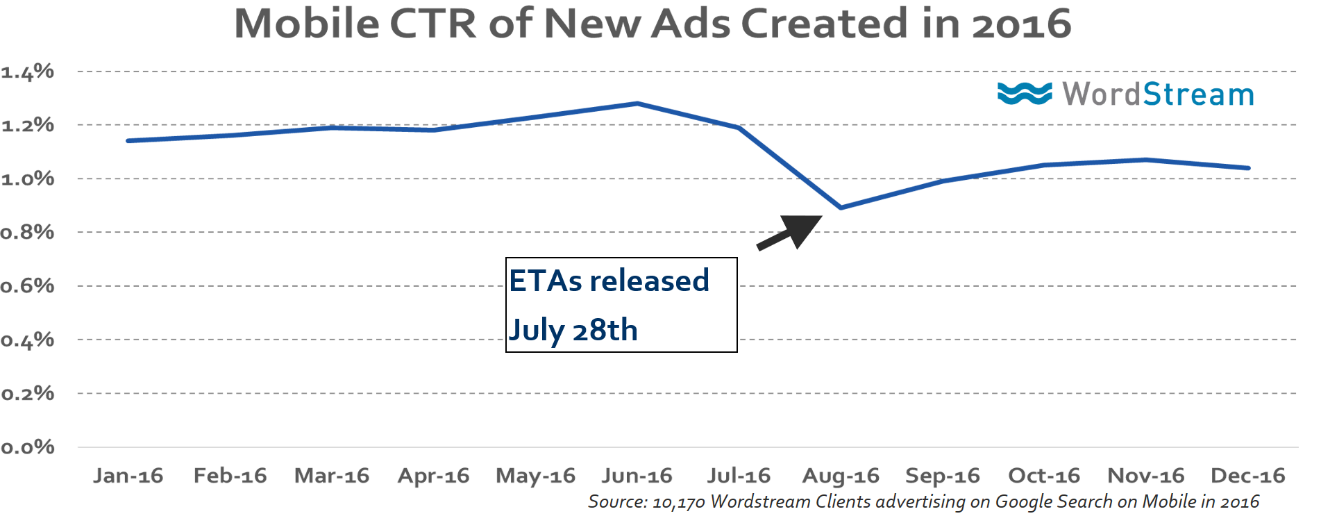
Fortunately, Google addressed this in February with IF functions, allowing for ad copy adjustments based on conditions like device or audience. Now, your ad can adapt based on whether someone is viewing it on mobile or desktop, enabling more relevant calls to action for mobile users.
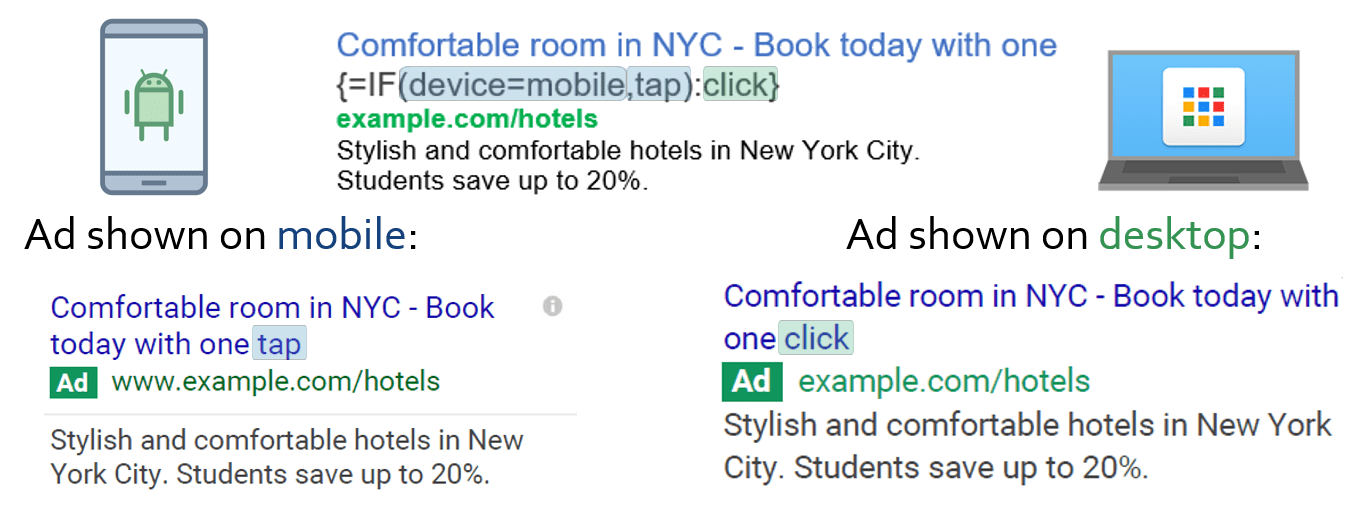
Regarding audience, IF functions let you present special offers to specific segments, such as cart abandoners or returning visitors.
7. Utilize Mobile-Specific Ad Extensions
IF statements aren’t the only way to cater to mobile users. Mobile ad extensions are powerful tools on the Mobile SERP and can significantly influence mobile ad success. Here are five types to leverage:
- Location Extensions: Capitalize on the on-the-go nature of mobile users by using location extensions to guide them to your physical store. Searchers will see your address, a map, or the distance to your business.
- Affiliate Location Extensions: Similar to location extensions, these show customers the nearest chain carrying your product, providing either an address or a map.
- Message Extensions: Enable direct communication. Mobile users can click an icon within your ad to send a text message for bookings, quotes, information requests, or service inquiries.
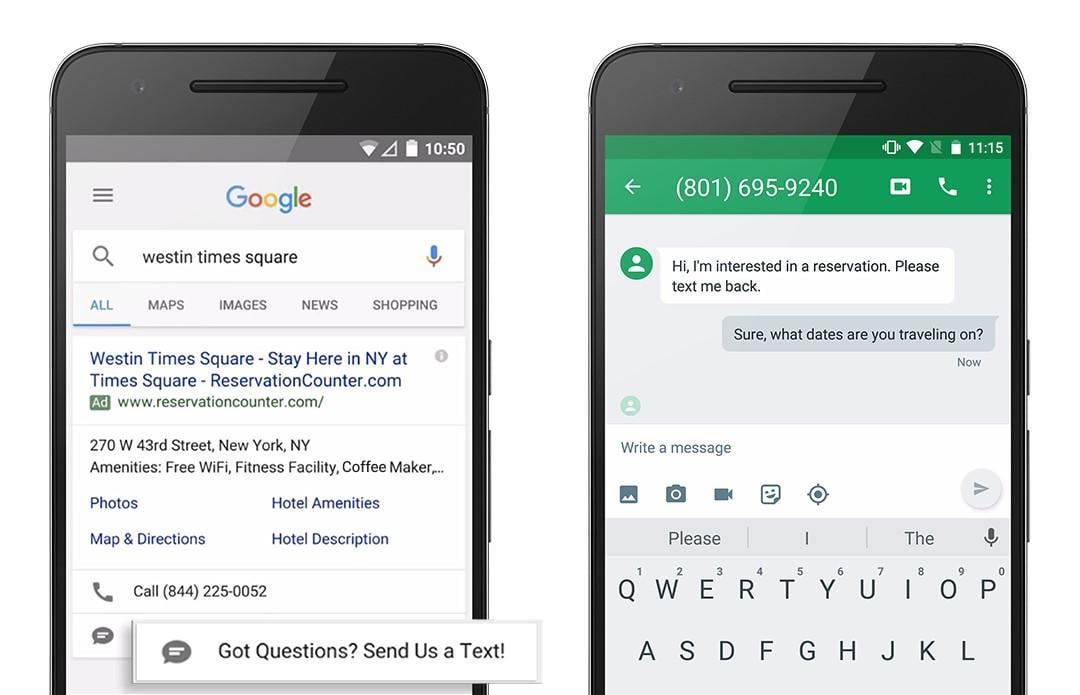
- Call Extensions: Facilitate direct calls by allowing users to click or tap a call button within your ad.
- App Extensions: Streamline the app acquisition process by letting searchers download or open your mobile or tablet app straight from the ad.
The Dawn of Evolved Text Ads
Search has undergone a dramatic transformation. Today’s users search conversationally, their queries are more specific, and mobile devices have overtaken desktops for on-the-go searches. To maximize PPC ad effectiveness, your strategy must align with your audience’s search behavior. Craft ads that resonate by employing remarketing (including RLSA), demographic targeting, IF functions, and mobile extensions. By doing so, you’ll attract more clicks and boost conversions from your most promising prospects.