Regardless of whether we’ve fully entered the Golden Age of Content Marketing or not, it’s undeniable that content marketers no longer struggle to convince clients or their own teams about the value of content strategy, creation, and distribution. Consumers today don’t just desire content, they actively seek it out and are ready to reward brands that provide valuable material. This shift coincides with an exciting period where platforms, technologies, and content consumption opportunities are more robust than ever before. So, what major trends are shaping content marketing today? Let’s examine how brands can rise above the noise and provide their audiences with worthwhile content that fosters engagement and sharing.
1. Content Tailored for Voice Search
TechCrunch reports that voice-enabled smart speakers will be in a whopping 55% of households by 2022. This clearly indicates we’re amidst a voice search revolution.
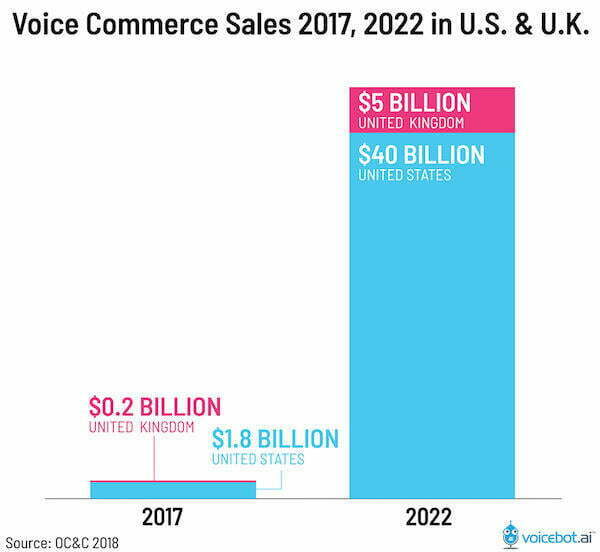
Anticipating this widespread adoption, content creators are actively exploring ways to deliver genuine value through this evolving interface. For instance, personal genomics companies like Veritas have presented impressive demonstrations highlighting the potential integration of voice technology in cutting-edge healthcare solutions. For Alexa, it’s the utilization of the Skills functionality that will empower third-party companies to fully leverage the interface’s capabilities. With such access, it’s only a matter of time before a groundbreaking application emerges, surpassing basic voice functionality to truly revolutionize content marketing. It’s no surprise that VanynerMedia’s VoiceCon in NYC earlier this year delved into voice-based opportunities for marketers and brands.
2. The Rise of Automated Content Delivery
The concept of a single, universal message for a brand is rapidly becoming outdated. In today’s landscape of diverse audiences, targeted messaging, and automation tools from companies like HubSpot and Sharpspring, marketers can now develop specialized content strategies for niche segments. This approach also allows marketers to deliver specific content pieces at critical points in the customer journey, catering to individual needs rather than overwhelming a general audience with irrelevant information.
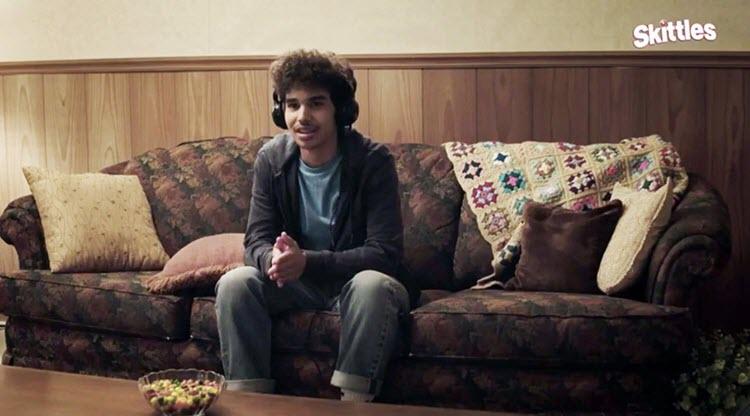
While achieving the level of hyper-personalization seen in Skittles’ Super Bowl ad for a single person might be unrealistic, brands are expected to explore the middle ground between such individualized experiences and generic billboards.
3. Live-Streaming Takes Center Stage
While live-streaming was a novelty when Facebook Live became publicly available in 2016, simply going live is no longer enough to stand out. The few remaining cultural phenomena like major sporting events, awards shows, and popular TV series like Game of Thrones and The Walking Dead have spawned entire industries dedicated to instant recaps, blogs, and of course, live-streamed reactions. Waiting until the next day to discuss the latest episode or game is a thing of the past. Pop-culture outlets like The Nerdist and Bald Move might even be live-streaming their reactions to this very blog post right now! (Spoiler alert: they found it stylistically engaging but ultimately predictable). So how are brands leveraging these viewing habits? Just like their pop-culture counterparts, successful brands are tapping into the allure of exclusivity and behind-the-scenes access. Dunkin’ Donuts achieved both with their company tour video a while back, and Wistia has also embraced behind-the-scenes transparency.
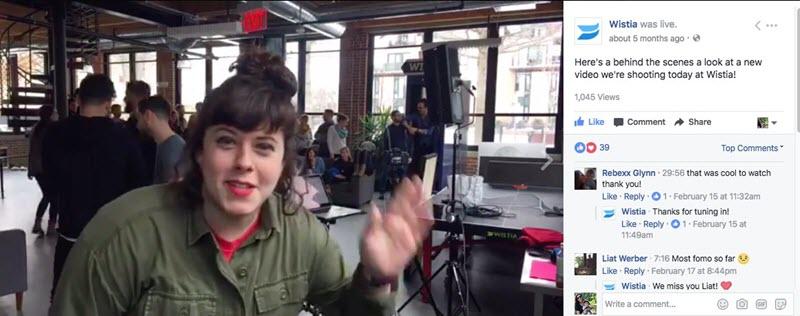
Expect to see more brands integrating live-streaming into their content strategies and partnering with individual gamers and esports teams as platforms like Twitch continue to capture audience attention. So much for video games being a waste of time, right? Just ask these guys..
4. Augmented Reality Enhances User Experiences
If you’ve been online recently, you’ve undoubtedly encountered augmented reality, or AR. Perhaps the most significant AR success story so far has been the collaboration between Nintendo and Niantic with Pokémon Go back in 2016. But don’t just take our word for it; observe this individual’s reaction:

Universal Studios and Montreal’s Ludia recently made waves with their innovative Jurassic Park Alive app. Always wished for a pet dinosaur but held back by that pesky “no pets” clause in your lease? AR has you covered with a virtual baby einiosaurus delivered straight to your doorstep.

The Jurassic Park Alive app allows users to capture, collect, and engage in battles with dinosaurs, conveniently reminding them about the latest film installment: Jurassic Park: Fallen Kingdom. But AR isn’t just for industry giants. Emerging brands like Bareburger have found inventive ways to personalize the augmented experience. Nabeel Alamgir, Bareburger CMO, highlights their recent success: “With Bareburger’s Snapchat AR campaign, we distributed 5,000 free burgers through our to-go bags.” Customers simply had to return to their local Bareburger restaurant to redeem their prize. Alamgir confirms this was their most successful promotion to date.

Bareburger’s AR campaign resulted in 5,000 burger giveaways. Furthermore, expect a greater AR presence in the retail sector. Steve Curran, CEO of ROAR AR, observes that “In retail, it’s no longer just about customers being interested in brands that offer immersive experiences; they’re beginning to anticipate and demand it. For younger consumers, immersive media like AR and VR represent the transformative technology of their generation—much like the mobile phone was for Millennials and the home computer was for Boomers and Gen X.”
5. Content Strategy Gains Investment Momentum

Brands and agencies are increasing their investments in developing comprehensive content strategies. In recent years, a documented content strategy has transitioned from a desirable asset to an absolute necessity. While content previously took a backseat in marketing budgets, we now see increased focus, planning, and resources dedicated to content marketing strategies. Luke Garro, EVP/Content Director at GYK Antler, emphasizes this shift: “In a rapidly changing landscape of content creation and distribution, a documented strategic approach is crucial. This involves defining your vision of success and working towards it by aligning your efforts with available resources. Focusing on a specific niche audience, channel, and content theme significantly increases your likelihood of success."
6. Podcasts Capture Attention

HubSpot’s The Turnaround podcast delves into pivotal moments in companies’ histories, strategically incorporating HubSpot as the mid-roll sponsor. With a staggering 550,000 active podcasts available, streamable audio content has undoubtedly arrived. While traditional ad spending on pre-roll and mid-roll ads continues to rise, a new wave of brand-created content has emerged. HubSpot’s The Turnaround, for instance, is a captivating business documentary series that avoids venturing into self-promotional territory. Similarly, GE’s audio drama hit “The Message” resonated well enough to encourage the company’s continued investment in the medium. As more brands embrace this trend, it’s encouraging to see companies like HubSpot and GE prioritize high-quality content over extended radio commercials.
7. The Rise of Subpar Content

The influx of attention towards content marketing has unfortunately brought with it a surge of low-quality content. While poorly executed content strategies can occasionally be catastrophic, most missteps typically result in mediocrity. This is often a consequence of brands hastily implementing content plans or prioritizing quick traffic over brand integrity. While content creation once felt like a niche movement with passionate advocates attempting to convert others, it has now become a widely (and often misused) buzzword. If conversations begin with phrases like “We should create an infographic” or “We need a video,” it’s a potential red flag. Before diving in, brands must first ask themselves: What story do we want to tell? Where does our expertise lie? What emotions do we want to evoke in our audience? We eagerly anticipate the future of content marketing in the latter half of 2018 and beyond. This list merely scratches the surface of this ever-evolving landscape. What other content marketing topics would you like us to explore?