Pay-per-click (PPC) advertising and paid social media campaigns are highly effective for business growth, but sometimes, it’s beneficial to revisit fundamental strategies and leverage traditional techniques with a digital twist to attract new customers. Grassroots marketing can be an exceptional method for promoting your business, especially for small, locally-oriented businesses with a physical presence.
This article will explore seven ways to utilize grassroots marketing for business growth. We’ll begin by defining grassroots marketing, differentiating it from guerilla marketing, explaining its significance, and providing practical tips and real-world examples.
What is Grassroots Marketing?
The core concept of grassroots marketing lies in audience and intention. While some campaigns aim for broad reach (like brand awareness campaigns on display networks), grassroots marketing strategically targets a specific niche to encourage the organic spread of your message. Social media and virality are crucial for successful grassroots marketing because the campaign’s objective is to motivate people to share a story.
Grassroots Marketing vs. Guerilla Marketing: Understanding the Difference
Grassroots and guerilla marketing are frequently confused due to their shared techniques.

An example of a guerilla marketing campaign by McDonald’s, which is not grassroots marketing because this ambient ad lacks a specific target group or demographic. However, the key difference lies in the audience and intent. Grassroots campaigns focus on a particular audience niche or demographic, while guerilla marketing campaigns aim to reach a wider audience through viral social sharing, despite using similar strategies and techniques. While the distinction might seem subtle, remember that genuine grassroots campaigns prioritize and depend on targeting a very specific group.
Why Choose Grassroots Marketing?
Despite its effectiveness, many brands overlook the benefits of grassroots marketing over traditional PPC or paid social campaigns. Here’s why you should consider it:
- Cost-effectiveness: Targeting smaller, niche audiences significantly reduces expenses, making it attractive for businesses with limited budgets.
- Feasibility for smaller, targeted campaigns: The specific audience focus of grassroots marketing, often unsuitable for large-scale PPC and paid social campaigns, opens up cost-effective opportunities.
- Capitalizing on social trends and audience preferences: Socially responsive brands are often perceived much more favorably than brands that neglect their followers, making proactive engagement with your social media audience a great way to leverage the desire for interactive social experiences.
7 Ideas for Your Next Grassroots Marketing Campaign
Now that we understand grassroots marketing and its importance, let’s explore some ideas for your next campaign.
1. Utilize Emotional Triggers for Wider Reach
Exploiting your audience’s emotions effectively encourages message sharing, making it a powerful tool for disseminating your message.
Canadian budget airline WestJet’s grassroots campaign exemplifies this principle. They surveyed passengers on social media about their desired Christmas gifts and surprised them by placing the gifts on the baggage carousel upon landing. The campaign’s YouTube video garnered over 33 million views initially (and an additional 11 million subsequently), showcasing the impact of positive emotional messaging and well-timed campaigns.
2. Generate Buzz with a PR Stunt
In today’s competitive landscape, capturing attention can be challenging, making guerilla-style PR stunts highly impactful.

Online storage provider Mandic Cloud Solutions illustrated this by staging mock funerals for outdated tech outside a Brazilian cathedral. Small caskets containing aging computer servers symbolized the rapid obsolescence of technology and the need for modern storage solutions. While risky due to its religious symbolism and location, it sparked conversations—the ultimate goal of any grassroots marketing campaign. However, remember that a true grassroots campaign originates from and relies on targeting a specific audience for organic message amplification.
3. Capitalize on Trending Topics
During the 2015 Ebola scare, few medical organizations, even well-funded ones, were prepared for the influx of patients with Ebola-like symptoms and the ensuing panic. Fortunately, the Emergency Nurses Association (ENA) had implemented a social media preparedness plan shortly before the outbreak.
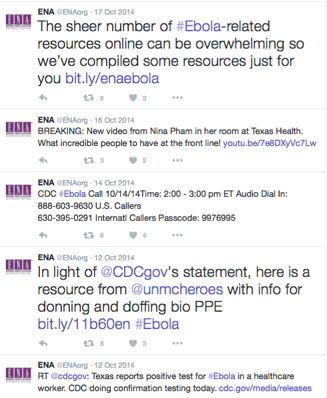
This crisis management plan enabled the ENA to disseminate crucial health and safety information in real-time. They shared vital tips on identifying and responding to Ebola-like symptoms and disseminated safety information from the Centers for Disease Control and Prevention. The campaign also became a valuable resource for the news media, further extending its reach. The campaign garnered over 125 million impressions across social media platforms, establishing the ENA as a vital resource during a critical period.
4. Get Creative with Ambient Ads
Ambient ads, strategically placed in unexpected locations or formats, can captivate audiences and serve as highly effective grassroots marketing tools. Countless examples of successful ambient ads exist, but the following cases demonstrate how creative ambient advertising can effectively promote your business.

A famous ambient ad on a bus in Denmark promoting the Copenhagen Zoo However, ambient advertising can be expensive depending on factors like the chosen medium, advertising inventory costs, and campaign complexity. While a detailed discussion is beyond this article’s scope, ambient advertising is worth exploring if you’re looking to make a bold statement.
5. Utilize Tear-Off Flyers
Many advertisers underestimate tear-off flyers, believing them to be suitable only for local services. However, major brands have successfully implemented tear-off flyer campaigns.

Take Weight Watchers, for instance. Their simple yet effective tear-off flyer campaign proves the point. Moreover, tear-off flyers are inexpensive to produce, with primary costs associated with colored ink and perforation. This makes them a cost-effective way to promote your business, especially for locally focused companies.
6. Engage in (Careful) Controversy on Social Media
As previously discussed, grassroots marketing shares elements with viral content providers like BuzzFeed and Upworthy. Given the importance of social sharing, strategically engaging in controversy can significantly expand your content’s reach if handled delicately. Numerous examples exist, although many are tone-deaf or outright offensive (like branded cereal campaigns tied to 9/11). Even well-intentioned campaigns like Dove’s “real beauty” initiative faced criticism and social media backlash.
If you choose to address a controversial topic, proceed with extreme caution. While it can be incredibly effective, even major brands have faltered.
7. Support a Worthy Cause
Philanthropy and charitable giving are powerful motivators. The desire to contribute to a good cause can significantly boost grassroots marketing campaigns. Supporting a charity or advocacy organization can be an excellent way to promote your business while aiding those in need.
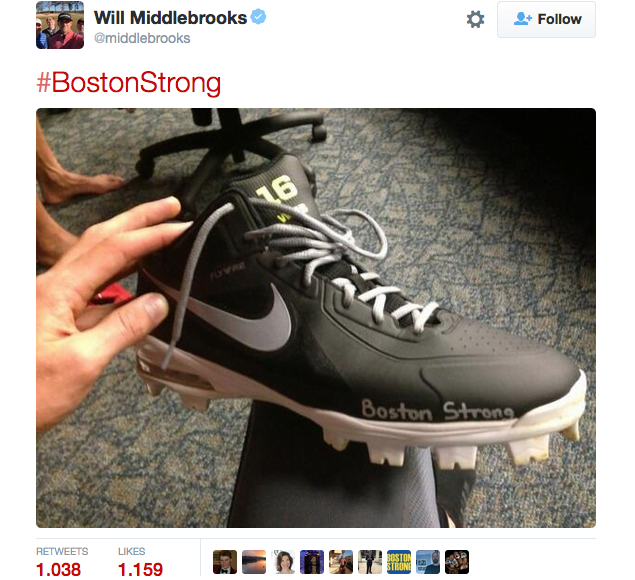
There are numerous examples, but one of the most impactful was the outpouring of generosity after the Boston Marathon bombing, using the #BostonStrong hashtag. This decentralized, organically-driven campaign significantly benefited the One Fund, raising over $72 million, allowing them to distribute over $2 million to each victim’s family.
Think Big, Start Small
Grassroots marketing is a powerful tool for brand building and customer acquisition. While not all ideas will be suitable for your business, hopefully, this article has sparked inspiration for leveraging grassroots marketing to grow your business and reach new audiences innovatively. Share your grassroots marketing success stories in the comments. Now go make a difference!