Want to make a big impact with your website’s visibility in 2018? Google and other industry leaders have given us clues about what will matter most. But with so much information, it’s hard to know where to focus. That’s why we’ve put together the seven most important things you need to know for SEO success in the coming year, along with the biggest mistakes to avoid.

1. Google’s mobile-first index has arrived
Originally announced in 2016, Google has already started its mobile-first index. This means Google will prioritize mobile versions of web pages in search results, favoring content that looks best on phones and tablets. We’ve seen this coming for a while, especially since Google announced that mobile searches now outnumber desktop searches way back in 2015. The good news is that Google has confirmed that websites that are not ready for the mobile-first index won’t be switched over immediately. You still have time to get your website ready. Here are some key areas to focus on for 2018:
- Ditch separate mobile sites. Google recommends switching to a responsive design rather than maintaining an entirely different website for mobile users.
- Ensure your content is the same for mobile and desktop users. Don’t hide content from specific devices or create separate versions.
- Use Google’s mobile-friendly testing tool to see how mobile-friendly your website is.
- Prioritize fast loading times for both mobile and desktop. It’s a crucial ranking factor. Utilize techniques like browser caching and image optimization to speed up how quickly your content loads on mobile. We all know it’s a ranking factor, but the data from Neil Patel below shows just how strong the correlation is between site speed and search ranking.
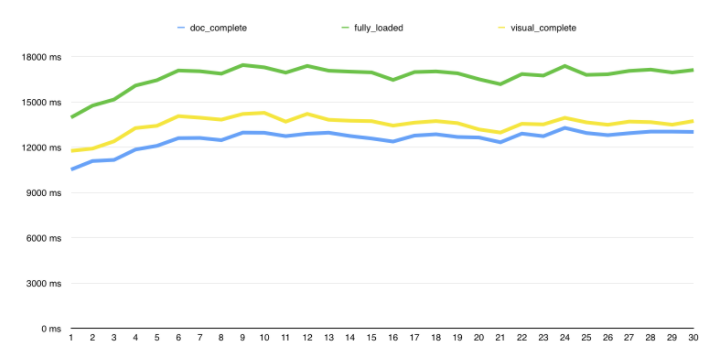
Site speed vs. search engine ranking, via Neil Patel
2. The power of machine learning can’t be ignored
In simple terms, RankBrain is Google’s system for understanding how people use search results. It’s one of Google’s top three ranking factors, along with content and backlink quality, and it helps Google figure out which websites deserve to rank higher. In 2018, concentrate on these two things that RankBrain uses to evaluate your website: click-through rates and dwell time. Improving your click-through rates from search results can make a big difference. Keywords that rank high but have low click-through rates in Google Search Console are at risk of dropping in rankings. Focus on keywords in the top 5 positions that have click-through rates below 10% and make their titles and descriptions more appealing. Dwell time is the amount of time someone spends on your page after clicking on it from Google, before returning to the search results. It’s similar to bounce rate, but only counts visits that go back to Google. RankBrain sees dwell time as a signal of user satisfaction, so spend time analyzing pages in Google Analytics that have high exit rates from organic traffic. Improve content quality and make sure it aligns with search intent to encourage visitors to stick around.
3. Don’t depend too much on guest blogging for links
The most important thing to remember is that SEO comes down to content and links. This won’t change in 2018, and recent research backs this up.
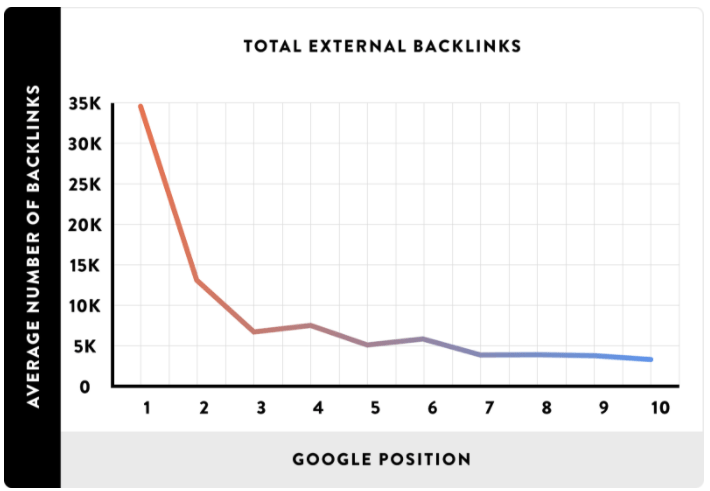
Number of backlinks vs. Google position, via Backlinko Your content is the heart of your link building strategy. If your content isn’t good, you won’t get links. It’s as simple as that. One thing to focus on in 2018 is not to rely too heavily on guest posting. Getting links from guest posts still works and will still be useful in 2018. However, if you’re only getting one or two links for each guest post you write, it might not be worth the effort. Instead, focus on making high-quality content for your own website. Create content that people in your industry will want to share and that provides genuine value. There’s a lot of content out there, and it’s common to see the same topics covered with the same level of depth on numerous blogs. If you’re not saying something new, why would anyone link to your content?
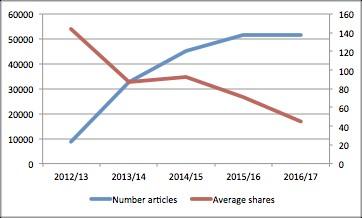
Via Brandwatch Make 2018 the year you start delivering real value to your audience. You should also:
- Identify content on your site that has performed well in the past, and improve it. If you have a well-respected article about link building in 2018, why not make it into an infographic or an interactive piece? Buzzsumo and Ahrefs are great tools for figuring out which content has gotten good engagement. Export that data and find popular pieces that you can update or improve.
- Spend time in online communities and knowledge bases like Quora. Pay attention to what your target audience is having trouble with, and create content that solves their problems. Tools like Hootsuite can help you get even more insights into trending topics and what your audience is talking about. Traditional methods of building links haven’t gone away and can still deliver results. Stay on top of broken links on your competitors’ sites and brand mentions, and capitalize on them.
4. It’s time to get rid of thin, low-quality content
Remember that Google’s goal is to show searchers the best possible result. Their algorithms are constantly changing to achieve this. This will still be true in 2018 and beyond. There’s a clear link between content length and rankings, as this study undertaken by Backlinko shows.
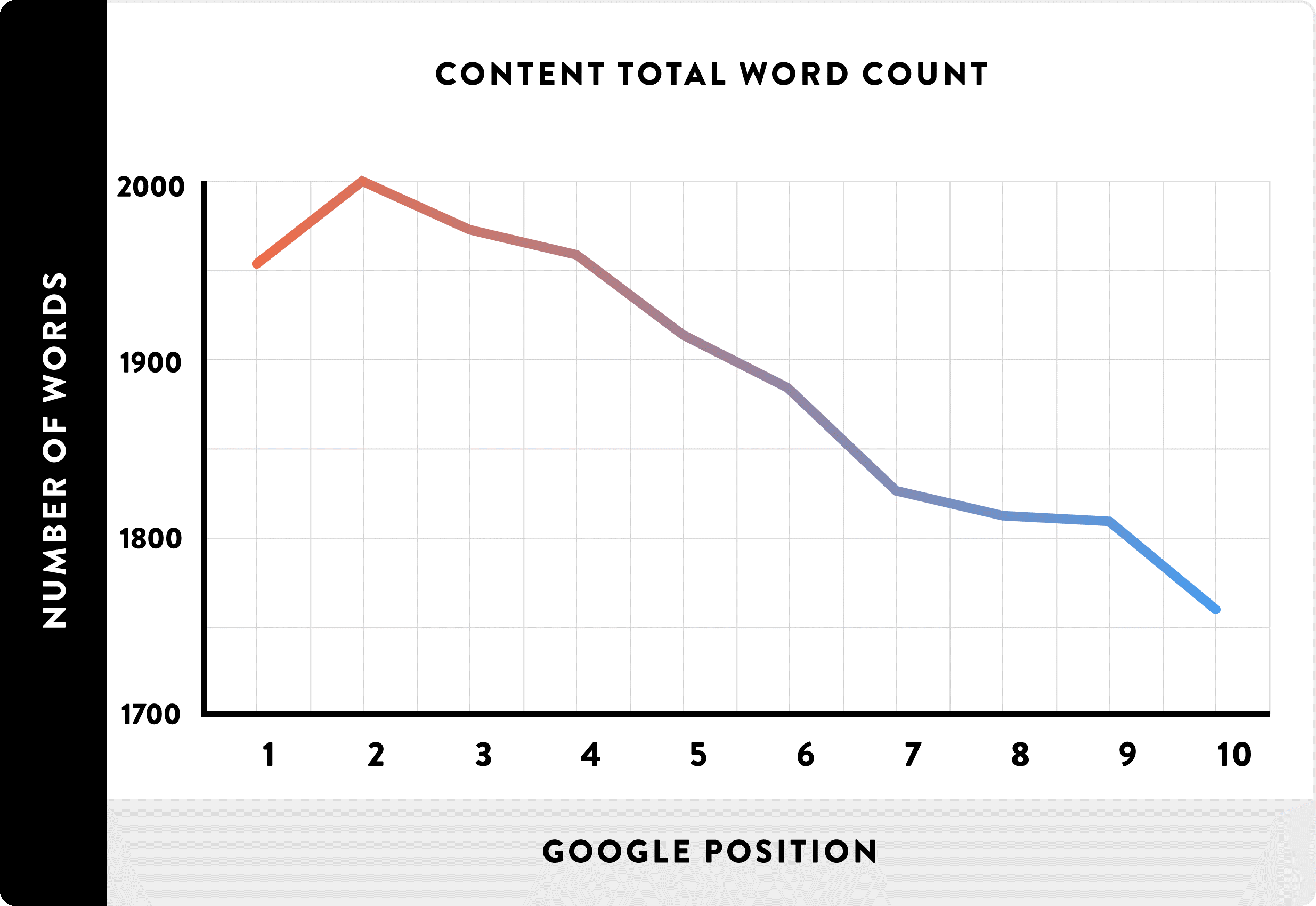
If you’ve noticed some of your important pages are dropping in the rankings, think about how in-depth they are and if they’re still up-to-date. It’s very possible that someone else has published something better on the same topic since you published your content. For longer pieces like guides and articles, aim for at least 2,000 words. Get rid of any content that’s outdated, no longer relevant, and doesn’t help your website’s authority or bring in traffic. This is called content pruning, and I highly recommend doing an audit of your older content to find pages that aren’t performing well (for example, pages that get little to no organic traffic or links). But before you delete a page completely, always try to improve it first.
5. You have to actively try to get featured snippets
According to a recent study by Stone Temple, almost 30% of Google’s search results now have a featured snippet. Stone Temple also found that featured snippets have a big impact on how many people click on the regular search results that appear below them. More and more search results pages are being taken over by featured snippets, knowledge graphs, and rich snippets as Google continues to make its results more visual and go beyond traditional organic listings. Add in text ads, product ads, and image results, and your organic results are going to be pushed further down the page. Here are some ways to make your content more likely to show up in featured snippets:
- Look for keywords where you rank on the first page of results but don’t yet have a featured snippet. This is an easy win for you.
- Update old content that’s already performing well and optimize it for featured snippets. Experiment with Check out this study until you find what works best.
- Add Quora, Reddit, and Answer the Public to your keyword research toolbox to find out what questions your audience is asking. Then, create content that provides the answers.
6. Voice search is too important to ignore
Voice search has been a trend to watch since 2011, but the increasing popularity of virtual assistants like Siri and Alexa has significantly raised the stakes. It’s been reported that voice-activated smart speakers will be in 55% of US households by 2022 by 2020.

If you’re not already thinking about voice search, these statistics might convince you:
- 60% of people using voice search started doing so in the last year.
- 40% of adults now use voice search at least once a day.
- Prediction: By 2020, 50% of searches will be voice searches. Here are a few tips for making your content voice search-friendly:
- Get yourself a virtual assistant or smart speaker if you don’t already have one. Google Home and Amazon Echo are good options. This will help you get a feel for how they work.
- As mentioned earlier, spend some time optimizing your content that ranks on the first page of Google to appear in featured snippets.
- Answer the Public is a useful tool for identifying conversational queries that you can then create content around.
- Structure your content to include questions and answers, especially blog posts and FAQs. Google has hinted about adding better voice search reporting to Search Console. Hopefully, we’ll see this happen in 2018, maybe even along with more detailed voice search data in Google Analytics.
7. Video is no longer optional
Video has absolutely exploded in 2017. Here are some impressive stats:
- 45% of people watch at least an hour of Facebook or YouTube videos each week.
- 1.3 billion people use YouTube A recent study by STAT found that the number of video carousels in Google’s search results has almost doubled.
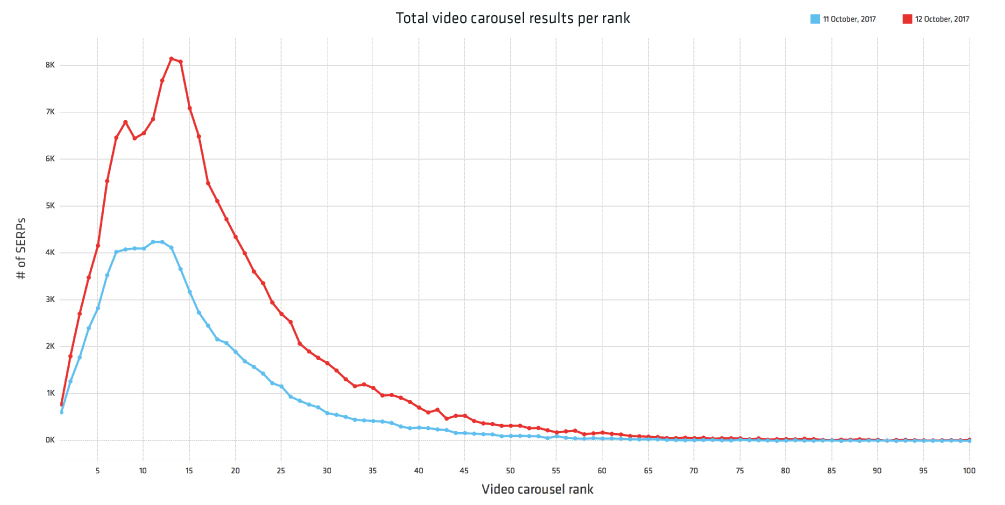
Video carousels per rank via STAT This means that Google is paying more attention to video content and giving it prominent placement in search results. If you’re not using video marketing or including it in your SEO plans, now’s the time to get started. Here are a few ways to use video:
- Explainer videos
- Product demos
- Video testimonials
- Video blogging
- Live videos like webinars and interviews Don’t limit yourself to YouTube. Create and share videos on other platforms like Vimeo and Dailymotion. Promote them on social media sites like Facebook, Twitter, and LinkedIn, which are all making their platforms more video-friendly. Most importantly, use video to boost your visibility and naturally attract links to your website. What’s changing about your SEO strategy in 2018?