Many people enjoy browsing real estate listings online, often spending countless hours scrolling through properties. While some do it for pleasure, others actively search for real estate only when there’s a genuine need, like buying or selling a home, or even acquiring commercial space for their business.

In a digital world saturated with options, how can real estate marketers make their brand stand out and capture the attention of these motivated individuals? The answer lies in creating high-quality landing pages that convert visitors into leads. Whether you’re a real estate agent, agency owner, or marketer, you understand the importance of landing pages in today’s market. However, are your landing pages truly performing at their peak potential? The data suggests otherwise. While the average conversion rate across industries in Google Ads is 3.75%, real estate businesses lag behind at a mere 2.47%.
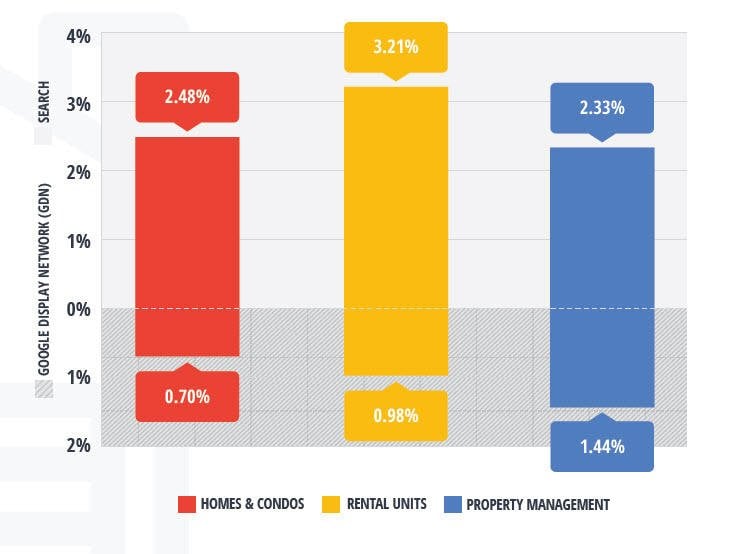
To bridge this gap and help you generate more leads, I’ve compiled a list of actionable tips to create real estate landing pages that deliver results.
Crafting High-Converting Real Estate Landing Pages
The following seven tips revolve around a central theme: providing your website visitors with a seamless, engaging, and personalized experience. Prioritize this, and you’ll be well on your way to success.
Tip #1: Simplify Lead Capture Forms & Search Functions
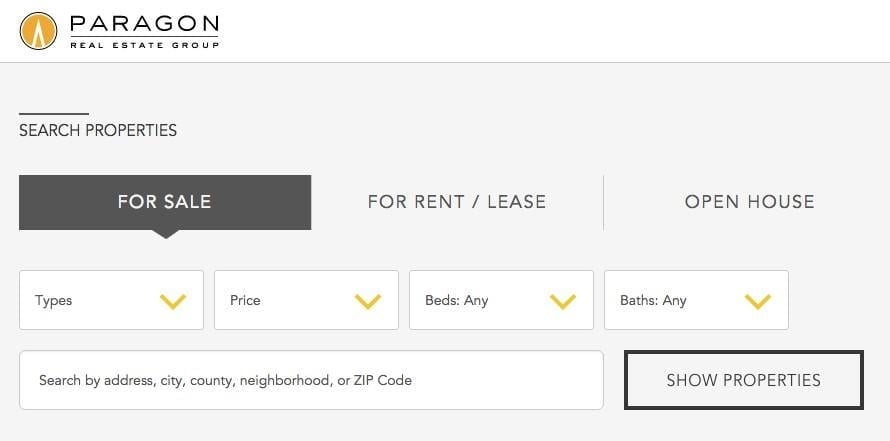
When it comes to real estate websites, simplicity is paramount, and landing pages are no exception. This principle applies to every element, from the visuals you use to the language you employ for your calls-to-action and search features. Individuals embarking on their property buying or selling journey don’t want to be bogged down by lengthy texts or complicated forms. Whether your goal is to capture leads through email opt-ins or facilitate property searches directly on your landing page, ensure your content and design are concise, pertinent, and easy to understand. Paragon Real Estate Group provides a great example of this. Their website features a streamlined search function that highlights only the most crucial fields for generating tailored results. By pre-selecting “any” for the number of bedrooms and bathrooms, they simplify the process even further, enabling users with broader preferences to initiate their search with just two selections.
Tip #2: Prioritize Captivating Visuals
What mental image emerges when you hear the words “real estate”? It’s unlikely a rundown backstreet or a page crammed with dull text. Instead, you probably envision a charming farmhouse nestled amidst lush greenery or a cozy cottage overlooking the ocean. While such idyllic settings might not always align with a buyer’s budget, it’s crucial that your landing pages evoke the aspirational lifestyle that potential clients crave. High-quality visuals are non-negotiable for a high-converting real estate landing page because visuals often drive decisions. Compelling images don’t just intrigue visitors; they evoke emotions, which often translate into action. Consider the example set by the Steven Cohen Team in Boston. Their landing page showcases a pristine, bright white kitchen—a sought-after feature in Boston’s Back Bay neighborhood.

If you haven’t already, invest in a skilled photographer to capture your properties in the best possible light. Ensure the properties are impeccably staged, almost magazine-worthy, before the photoshoot. Remember to leverage natural light and maintain a spotless environment. People often judge a book by its cover, or in this case, a property by its photographs.
Tip #3: Embrace Clarity and Transparency in Your Messaging
Marketing in the real estate industry presents unique challenges due to its inherent reliance on trust. Transforming leads into clients hinges on building trust—a task easier said than done in a competitive landscape where significant financial investments are at stake. The decision to buy or sell a property carries immense personal weight, making individuals naturally cautious. Compounding these factors are the horror stories of clients falling victim to unscrupulous agents, further amplifying the need for transparency. So, how can you cultivate trust from the moment leads land on your page? One surefire way to erode trust is by making inflated promises or, conversely, withholding vital information such as property size or associated fees. Transparency is key. Your copy should be upfront and comprehensive, detailing essential information like square footage, additional costs, precise location, bedroom and bathroom count, parking availability, and other pertinent details. Address potential questions proactively, and maintain a clear and approachable tone throughout your copy. Avoid jargon or overly complex language. Be direct, informative, and utilize appealing, but accurate, visuals.
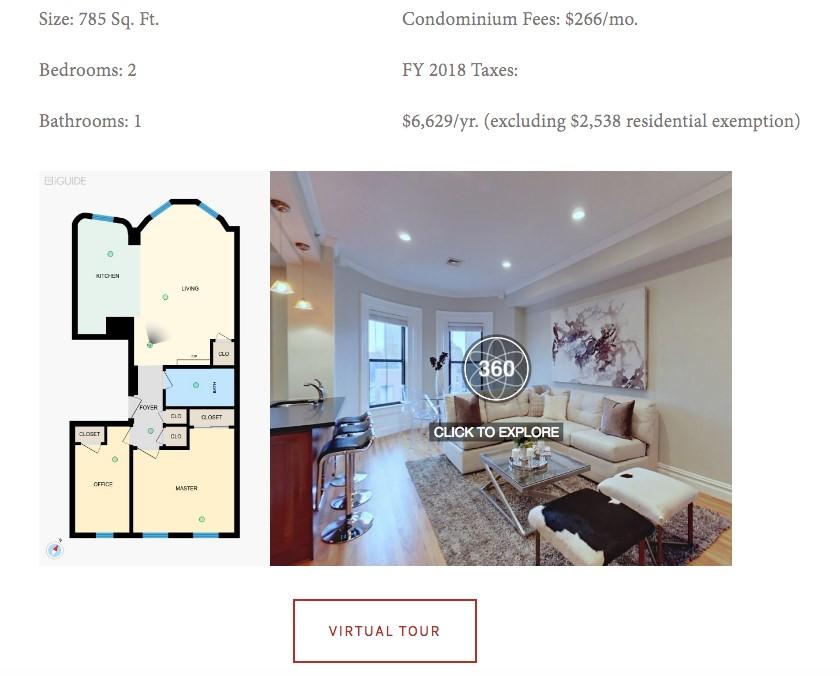
Take inspiration from this real estate landing page that excels at providing specific property details. It includes a floor plan, discloses condo fees, and even offers a 360° virtual tour, providing visitors with a realistic preview.
Tip #4: Experiment with Lightbox Pop-up CTAs
Whether they appear upon arrival or as you attempt to exit, lightbox pop-ups deliver. These pop-ups dominate the screen, dimming the surrounding content to focus your attention solely on the form they present. Their effectiveness is undeniable. Sumo users leveraged pop-ups to amass a staggering 23,645,968 email addresses in under two years. Imagine the growth potential that volume of leads represents. While pop-ups might strike some as intrusive, their efficacy stems from their ability to command user attention. A compelling CTA within a pop-up significantly increases the likelihood of capturing information. The key is to offer something valuable in exchange for an email address.
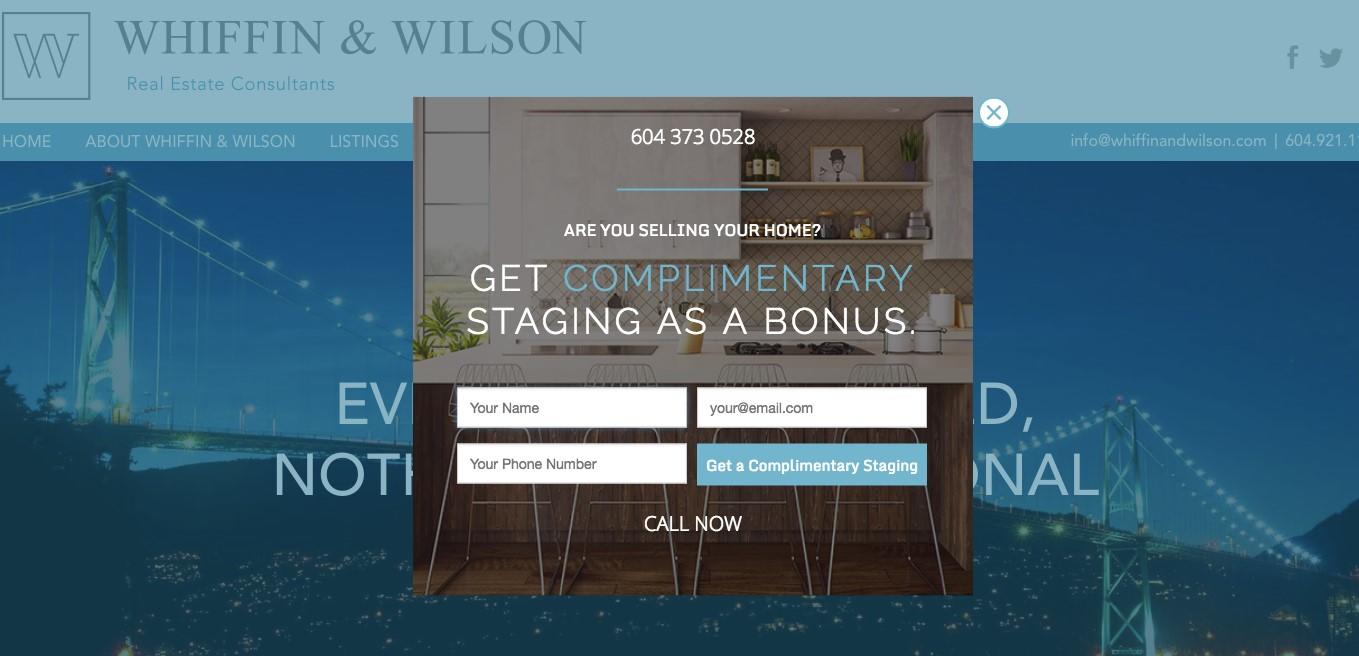
Real estate consultancy Whiffin & Wilson exemplifies this with their enticing pop-up. They offer a complimentary staging consultation for home sellers—a valuable proposition for their target audience. Their pop-up is effective because it’s concise, visually appealing, features a brief form, and includes multiple CTAs to encourage phone calls as well. Don’t underestimate the power of pop-ups; they could be the key to expanding your lead list and driving more business.
Tip #5: Incorporate Auto-play Background Videos
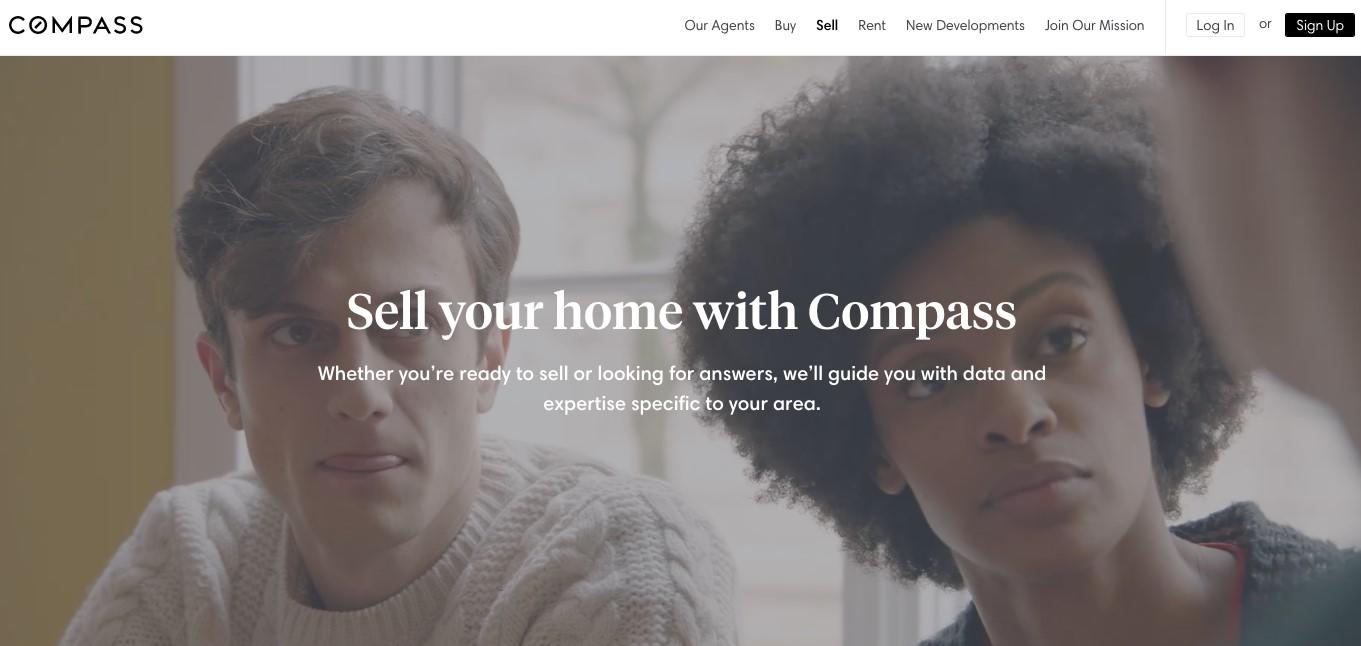
Those familiar with me understand my unwavering belief in video marketing’s power. My passion for video marketing even led me to work for a video marketing company—that’s how deeply I value this medium. Thankfully, my conviction is supported by data that consistently demonstrates the effectiveness of video content. If you’re not already leveraging video, your landing pages are missing out. Whether showcasing a property tour or introducing yourself and your brand to build credibility, video fosters connections. Nothing brings properties to life online quite like video, so why not capitalize on its potential? Auto-play background videos work exceptionally well for real estate landing pages. These silent videos loop seamlessly, adding a touch of sophistication and visual appeal. Just take a look at this example from from the real estate company Compass..
Tip #6: Build Trust with Testimonials, Accolades, and Industry Recognition
We touched upon trust in tip #3, so I’ll keep this brief. One of the most impactful ways to establish trust is by letting your satisfied clients do the talking for you. Over time, you’ve likely accumulated a treasure trove of testimonials. Are you using them effectively? Many real estate websites dedicate entire pages to testimonials, but why not strategically weave them into your landing pages as well? Placing these testimonials front and center can be incredibly persuasive, potentially transforming a skeptical visitor into a lead ready to connect. This testimonial from the Steven Cohen team’s website is a great example.

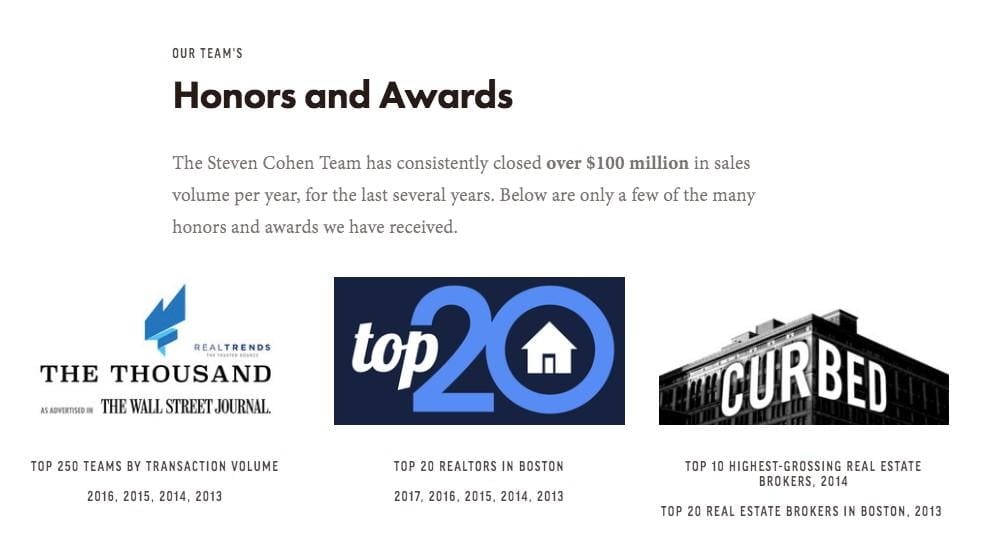
Now imagine the impact this quote would have if placed strategically near a CTA. Displaying awards or recognitions your team has earned directly on your landing pages is another effective trust-building tactic. These accolades serve as endorsements, assuring visitors that they’re dealing with experienced professionals who deliver results.
Tip #7: Tailor the User Experience
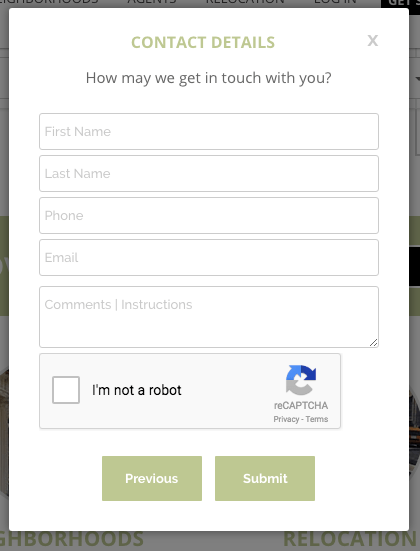
Enhance your landing page experience by asking the right questions in the right order. This ensures you’re addressing the specific needs of each individual visitor. For instance, if someone is looking to rent and your content solely targets buyers, your landing page won’t resonate and will likely prompt them to leave and seek other options. How can you guarantee a personalized experience that caters to individual requirements? One effective strategy is to implement a dynamic survey where subsequent questions adapt based on previous answers. This real estate landing page demonstrates this concept effectively.
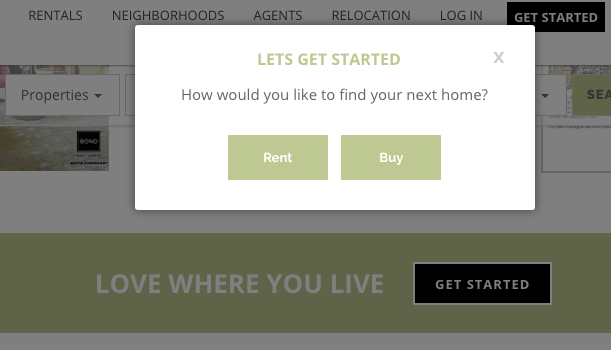
Clicking the “Get Started” button triggers a series of targeted questions about budget and other criteria.
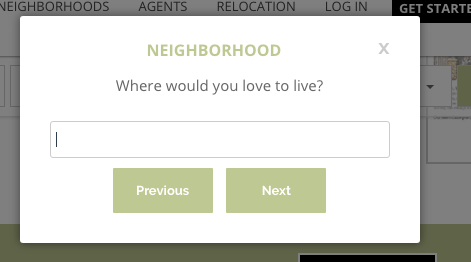
Finally, the visitor arrives at a contact form. After investing time in the survey, they’re more likely to complete this final step and submit their information.
Five More Outstanding Real Estate Landing Page Examples
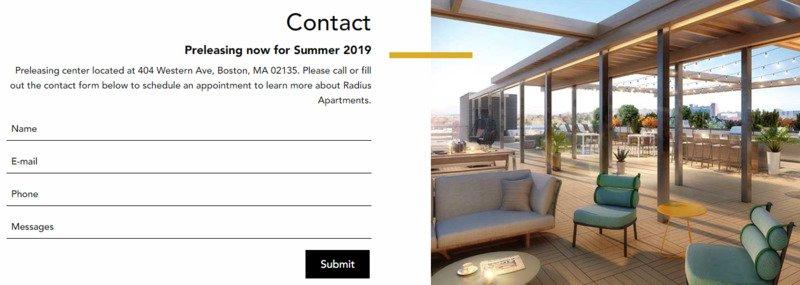
- Eye-catching visuals draw the visitor in.
- A sense of urgency is established with the subheading—the time to act is now.
- The information form is kept concise.
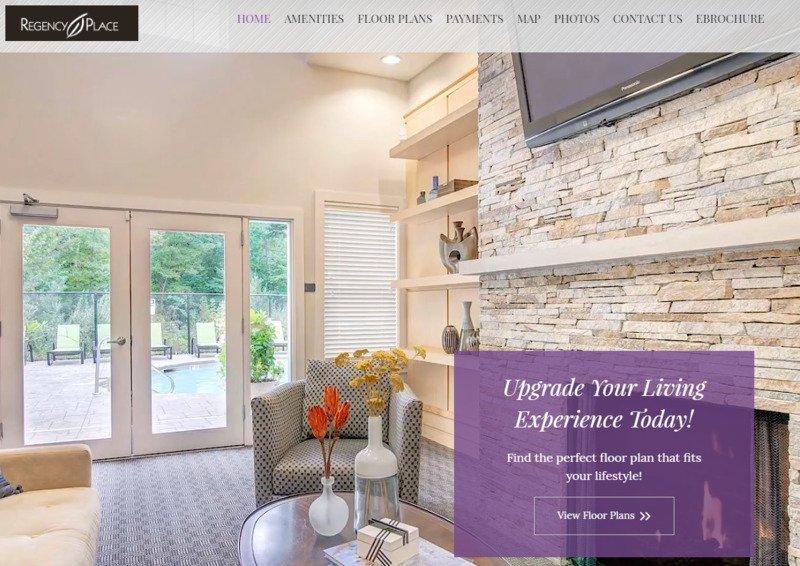
- Minimal text allows the visuals to take center stage.
- The copy features a strong CTA and highlights the need for personalized living spaces.
- Visitors can view floor plans without providing any information (conversion event).

- The copy follows an F-pattern layout that guides visitors toward the CTA button.
- The copy entices visitors with the promise of finding a place to truly feel at home.
- Visitors can access the photo gallery without providing any information (conversion event).
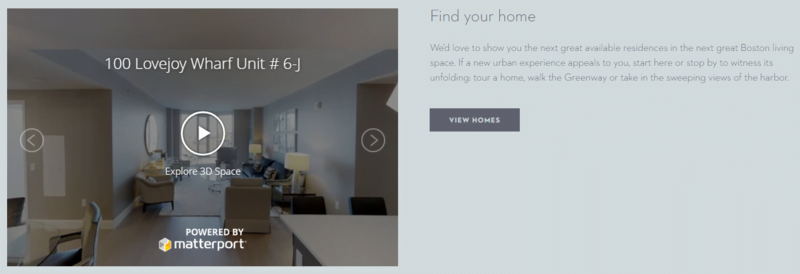
- Immersive 3D virtual tours allow visitors to experience potential homes firsthand.
- The copy empowers visitors, giving them control over their home search.
- Visitors can explore homes without providing any information (conversion event).

- A heartwarming photo of a father and daughter evokes strong emotions.
- A gift card offer creates a sense of urgency and scarcity.
- The form is concise.
- A phone number allows visitors to connect with a representative immediately.
Effortlessly Create Real Estate Landing Pages with the CRO Toolkit
If you’re feeling uncertain about creating your own real estate landing pages, we have the perfect solution for you. The nexus-security CRO Toolkit is a user-friendly software solution that empowers both marketers and business owners to build visually stunning, optimized landing pages in minutes. With its library of templates and intuitive drag-and-drop interface, the CRO Toolkit simplifies the process of crafting effective real estate landing pages. Try it out today!