For small to medium-sized marketing agencies, the quest for more clients is perpetual. The answer depends on various factors like your niche, experience, and costs. Many agencies soon realize that finding prospects isn’t the hard part; it’s finding the right ones that requires more time and effort. The dream is to secure and keep high-quality clients, but how can PPC agencies achieve this?
That’s what this article aims to address. Whether you’re aiming for growth or just want to recover lost income, here are seven proven methods to find those high-quality PPC agency clients.
And for strategies tailored to the COVID-19 situation, check out this post.

1. Seek Referrals
While it might seem obvious, referrals offer the fastest path to prospects likely to convert. Agencies often get their start through referrals, but some owners forget to consistently request them from existing clients. There are various reasons for this. You might hesitate to ask for favors if a client relationship is going well. If your operation is small, spreading the word could strain your limited resources.
Referrals from existing clients have their pros and cons, and here are some key ones: Pros:
- Inherent Trust: Building trust takes time and effort. When referred by someone they trust, a client will inherently have more confidence in you compared to a cold lead. This benefits client retention. Good work and reliability will likely make them stay longer and give you the benefit of the doubt. Trust translates to recurring revenue.
- Cost-Effectiveness: Another perk is that referrals are free. Unless you have a reward system for existing clients (which isn’t a bad idea), referrals shouldn’t cost you anything.
- Strengthened Relationships: A client going out of their way to refer you speaks volumes about their trust and appreciation for your work. It reveals the strength of your relationship.

Cons:
- Misinterpretations: While asking for referrals is standard practice, some might find it suspicious. It could be misconstrued as a sign of struggle, a desperate attempt to salvage your business. Though illogical, consider who you’re asking. Stick to long-term clients who’ve received excellent service, not the demanding types. This ties back to resource constraints. If they know you’re a one-person team, they might be hesitant to share.
- Potential Complications: A great client referring a not-so-great one can create problems, potentially damaging your reputation and the original relationship. If multiple referrals from a client who discontinues your services also leave, it raises red flags.
- Limited Scalability: Endless referrals sound good in theory but are unrealistic. Most clients won’t provide any. Many businesses are hesitant to share their advantages, especially with competitors. Due to this unpredictability, relying solely on referrals for growth isn’t viable.
2. Explore Cold Outreach
Defining a niche market is beneficial for many agencies, especially smaller ones. It allows for a laser-focused value proposition to a specific group. Expertise within a particular industry gives you a competitive edge. A defined niche also makes cold outreach more manageable.

With a specific target audience, use directories, databases, and industry news sites to find and research potential clients. For instance, I target tech startups and SaaS companies, using relevant sites to research them based on their sector, funding stage, and size. These factors are crucial before I initiate contact.
After identifying suitable companies, I investigate if they need a PPC agency by checking:
- Company Size and Marketing Team: I target smaller companies aiming for growth but lacking the personnel. Information is available on LinkedIn.
- Dedicated Paid Marketing Role: Small teams with broad job titles likely wear many hats and might need assistance. I reach out if no one is specifically handling paid acquisition (information available on LinkedIn).
- Open Paid Marketing Positions: This could be a deterrent. If they can manage PPC internally, I might not persuade them otherwise. But since I cost less than an employee, it’s worth a shot (check LinkedIn and their website).
- Current Paid Ad Campaigns: This is a valuable sales tool. A Google search reveals if they have branded ads, and checking Facebook’s “Info and Ads” section shows campaigns there.
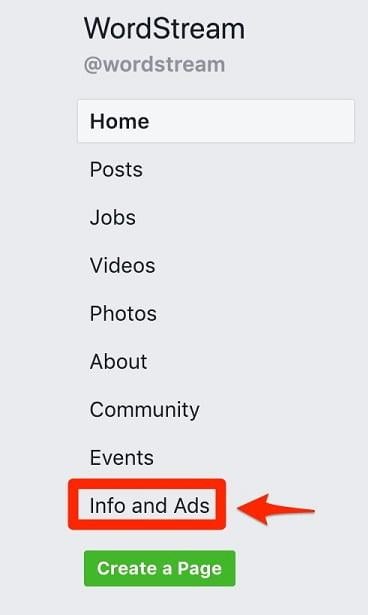
If they’re running ads, offer suggestions when reaching out (avoid being insulting). If not, it’s a conversation starter. Ask about their stance on paid advertising and future scaling plans.
When building cold outreach lists, accept that many won’t respond, regardless of your sales skills. Research thoroughly and organize promising businesses in a spreadsheet with their name, contact person, website link, a personalized message, and a tracking column.
Buying email lists is an option but not recommended. Paid LinkedIn sales platforms can be useful, though keep in mind the connection requests and messages. The goal is to do as much as possible for free using available tools. Be strategic in your outreach and value proposition. Your approach will refine over time.
3. Network at Events
Similar to cold outreach, a defined niche simplifies business development. Specific industries have conferences and networking events, some costly but worthwhile if you land even one client.
Networking events also build brand awareness. Use cards tailored for the event that highlight your niche focus. I use moo.com for affordable options.

For broader reach or time constraints, leverage trending event hashtags on social media. Conferences often encourage online interaction.
For very small agencies, try co-working spaces like WeWork or Workbar. While monthly costs are high, a month or two grants access to their network. WeWork attracts professionals from diverse industries. Use different locations strategically as a networking tool.
4. Invest in Ads
This wouldn’t be complete without mentioning your likely area of expertise: paid media. Establish your agency before significant paid endeavors. Once your brand and website are ready, experiment with a manageable budget.

Highly targeted Facebook and LinkedIn ads are potentially most effective. Paid search can be competitive for agency keywords unless you find niche-related ones with low competition and high intent. Driving traffic to my site through content allows for remarketing, pushing free assessments and bottom-of-funnel offers with some success. While many clients have moved on from Twitter, I find it useful for agency prospecting. Targeting industry conference keywords and hashtags with sponsored ads can raise awareness for those you can’t attend.
A scalable agency with substantial recurring revenue and employees requires a comprehensive paid strategy. For smaller agencies, periodic quarterly pushes can suffice.
5. Utilize Direct Mail
The irony of a digital agency using direct mail aside, it can be effective. Send eye-catching branded material with a unique landing page URL. This leads to a personalized page, encouraging a specific action.

6. Focus on Content & Partnerships
Content creation showcases expertise and addresses niche-specific challenges. While time-consuming, blog content can effectively shape your brand and provide material for paid social promotion.
Strategic partnerships and guest writing are even more valuable for prospecting and growth.

Identify news websites and businesses within your niche that complement yours. “Content” extends beyond blog posts. Podcasts, webinars, and speaking engagements all count. These opportunities expose your agency to new audiences and provide social proof by associating you with well-known entities in your target space.
7. Showcase Case Studies
A common question for newer agencies is, “Do you have case studies?” Prospects, especially those beyond referrals, seek reassurance. Once you have strong client relationships and successful projects, prioritize creating case studies.
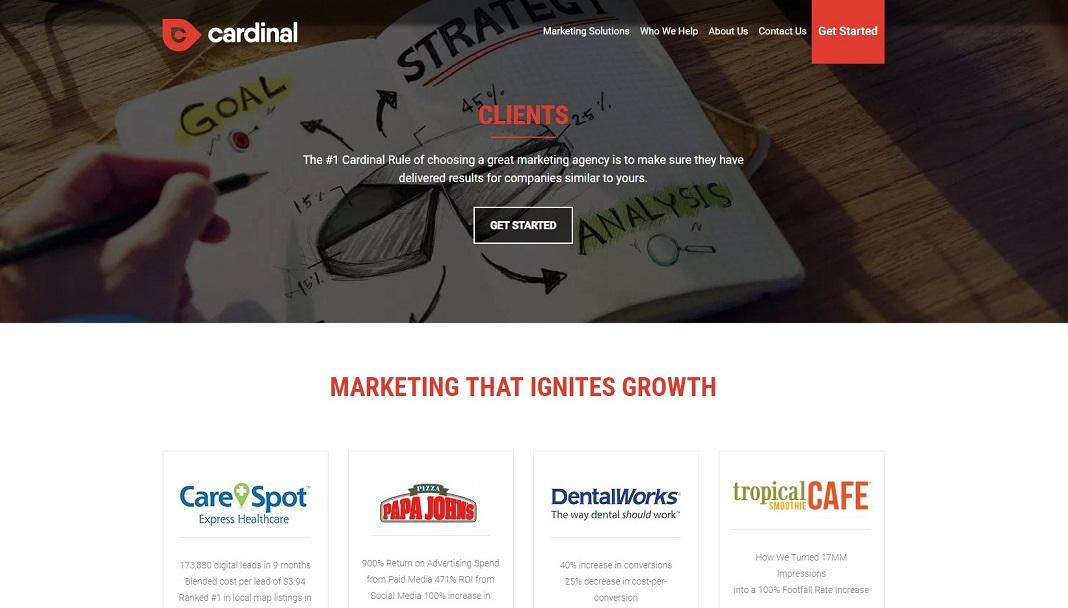
While ideal to do in-house, outsourcing is an option if time or skills are limited. Services like Case Study Buddy handle everything, from client interviews to crafting a mutually approved narrative. They provide well-designed case studies in various formats. Showcasing your successes on your website adds credibility and might be what convinces a prospect to choose you over competitors.
Persistence is Key
New business acquisition is challenging, especially in a crowded digital marketing landscape. Expect numerous calls and audits before landing substantial deals. Starting out, define your ideal client to streamline your agency’s marketing. The key takeaway is to avoid complacency and always strive to expand your agency within your chosen vertical.