Recently, while searching for a specific image from the 1981 movie Scanners by David Cronenberg (curiosity piqued?), I stumbled upon an interesting aspect of Google’s search results. While Google successfully delivered the image I sought (if you’ve seen the movie, you know the one), I also noticed a series of sponsored image results:
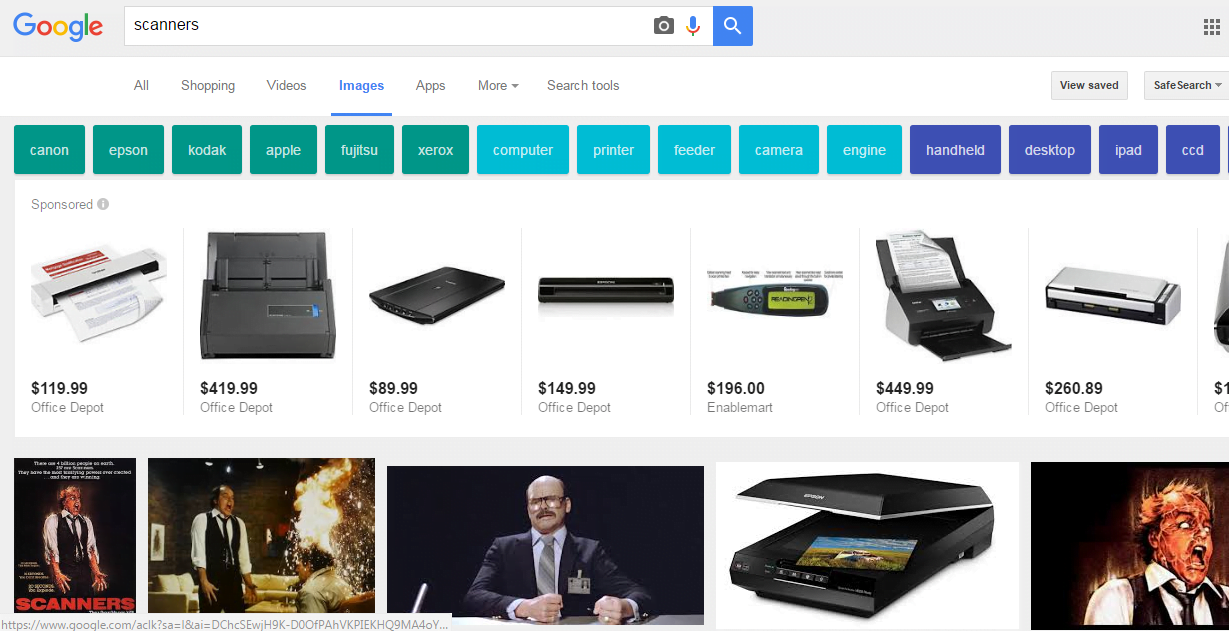
While these sponsored “scanners” weren’t related to my cinematic quest, it highlighted the relationship between images and commercially driven searches. This piece delves into optimizing images for such searches and incorporating commercial intent into your image strategy, primarily focusing on Google Images. But first, let’s understand how these sponsored image results operate.
Shopping Results within Google Images
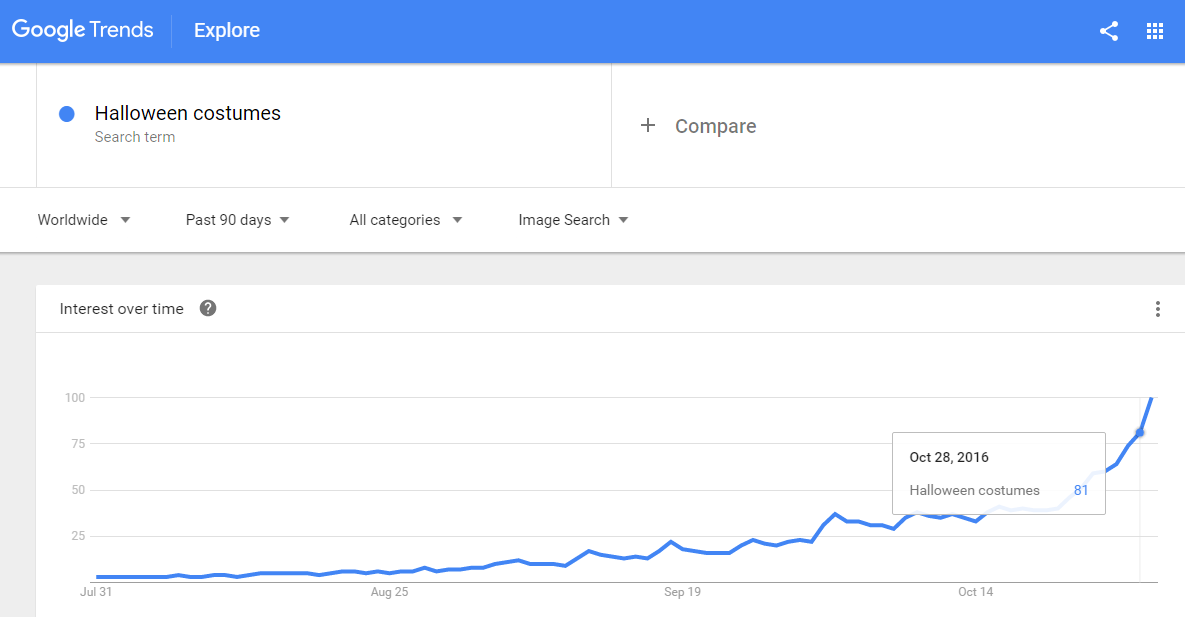
As shown in the previous image, Shopping listings appear above organic image results. Displayed across the entire Search network, these ads source their data from advertisers’ Shopping feeds. It’s worth noting that Product Listing Ads (PLAs) can also pop up alongside image results on mobile devices. This presents a golden opportunity for advertisers and brands aiming to capitalize on search trends. While Google keeps its search traffic distribution under wraps (the ratio of web vs. image searches), Google Trends offers valuable insights. For instance, it can reveal how search results for a particular term perform across web, image, news, and product searches. Take the graph below as an example. It illustrates the rising interest in “Halloween costumes” within image searches over a 90-day period from late July to October 31:
What we do know is that the volume of searches being conducted from mobile devices is increasing, and a significant number of individuals rely on their devices for purchasing decisions – even while physically shopping in a store.
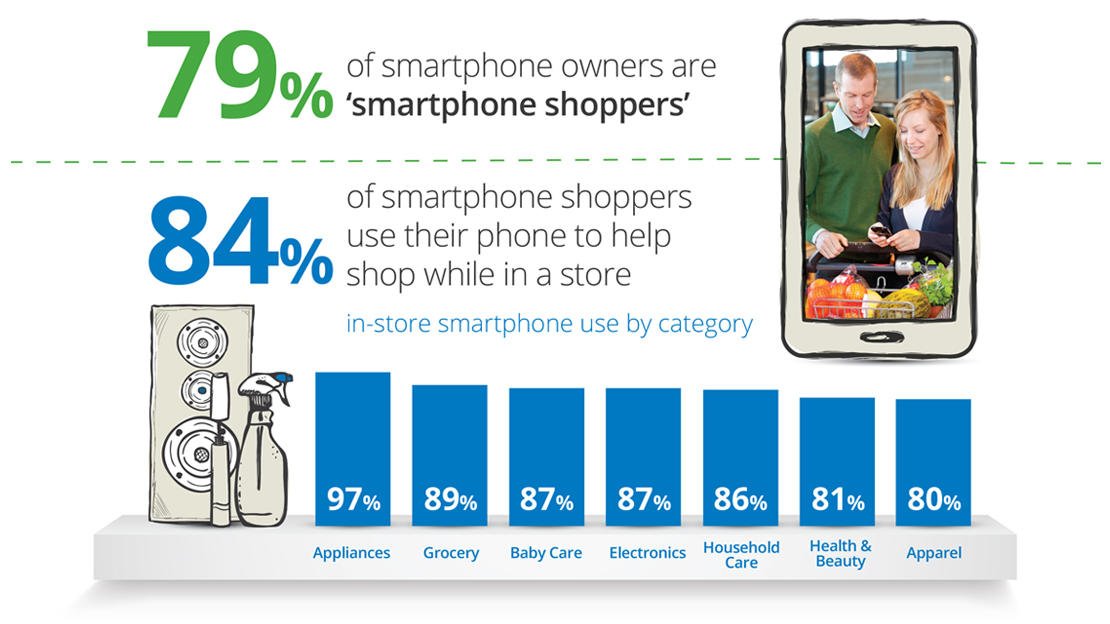
Image via Think with Google Surprisingly, many websites neglect image optimization altogether. This translates to poorly implemented metadata (more on this later), bulky image files, and other optimization nightmares. You’re already ahead of the game by simply considering image optimization, so let’s delve into the practicalities of optimizing images for search.
Images and Deciphering User Intent
The most significant hurdle in optimizing images for search lies in grasping and utilizing user intent. Let’s revisit my Scanners example. It’s possible to encounter vastly different results for the same query due to Google’s personalized search algorithms. Factors like being signed into a Google account (which I was during my “scanners” search), browsing history, purchase history, and typical ranking signals all contribute to this personalization.
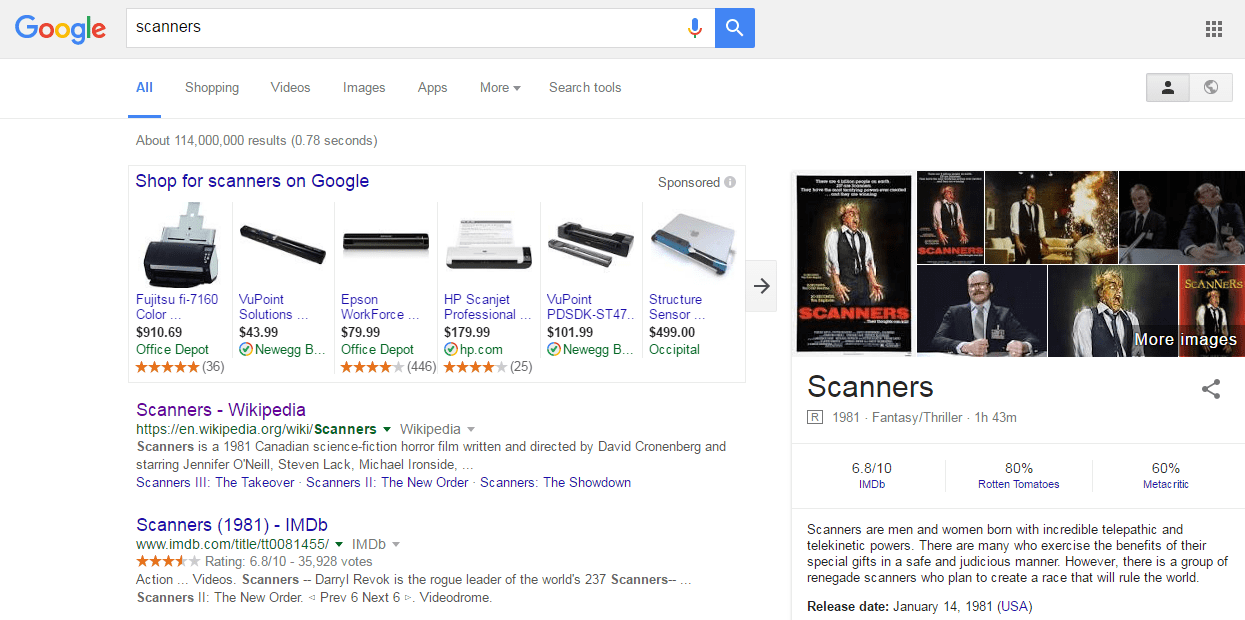
My search results page for “scanners” Moreover, “scanners” is inherently ambiguous. It’s not a navigational query, but it could be informational or commercial. I could be researching scanning technology, seeking information about the movie Scanners, or hunting for police scanner frequencies. Alternatively, I might be on the lookout for a new scanner for my home office. Deciphering the intent behind such a search is tricky (though improving), but Google acknowledges the potential for a transactional query by displaying sponsored image results.
Queries with Strong Commercial Intent
The example Google used used “crystal necklaces” to illustrate how Shopping ads are displayed with organic image results - a keyword with strong commercial intent: This clearly demonstrates the relevance of sponsored images. Someone searching for “crystal necklaces” is unlikely to be interested in their history or manufacturing process, and it’s not a navigational query. However, this doesn’t guarantee a conversion. Factors like pricing for luxury items and other variables can influence the likelihood of a purchase – but it undeniably signals commercial intent, even if it’s just browsing.
Queries with Ambiguous or Weak Commercial Intent
We’ve established that sponsored image results can be highly effective for specific businesses and high-commercial intent searches. What about a vague query like “scanners”? As seen, Google provided a mix of results based on potential search intent. This aligned with my needs – but I didn’t click on any ads. This raises the issue of impression volume for certain advertisers. Ambiguous or low-commercial intent queries also bring up concerns about the overall user experience. While the scanner ads didn’t bother me during my initial search, Google aims to maximize relevance for better user experience and higher ad click-through rates, leading to increased revenue. This is where Google’s evolving search technologies like RankBrain become crucial as the Web evolves.
Image Search and Commercial Intent: A Powerful Duo
According to Google, people who used their mobile devices for shopping cited used image search as a deciding factor in their purchases at least once a week. This highlights a significant opportunity for retailers and product-focused businesses to engage motivated shoppers, fulfilling both advertiser and Google’s objectives. Google also states that the two most common image-related questions are “What’s the price?” and “Where can I buy it?” This underscores the strong commercial intent within a considerable market.
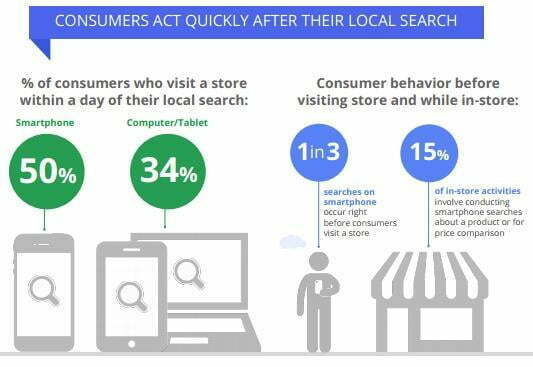
Image via Google This is particularly pertinent for locally focused small businesses, as searches for local businesses often exhibit strong commercial intent, as depicted in the image above.
Optimizing Images for Commercial Intent: A Practical Guide
Here’s how to optimize images not just for SEO, but also for commercial intent.
1. High-Quality Images: Quantity Matters
Think about it: how often do you buy something online without seeing a picture? Probably not often. Consumers crave visuals of their potential purchases. Online shopping might be convenient, but the lack of physical interaction is a major drawback. Hence, utilize the highest quality images your budget allows. While remarkable results out of an iPhone, investing in professional product photography can significantly elevate your product presentation.

Achieving professional-looking product images with an iPhone is achievable. Image via Cult of Mac Offering shoppers the information they seek is crucial, and in terms of visual searches, this translates to multiple, high-quality images of the desired product. The more time a potential customer spends admiring your visually appealing product images, the higher the chances of conversion.
2. File Naming Conventions: Specificity and Consistency are Key
Downloaded images with bizarre filenames? You’re not alone. Unintelligible strings, random capitalization – the works. This essentially tells Google that you’d rather your images remain hidden.
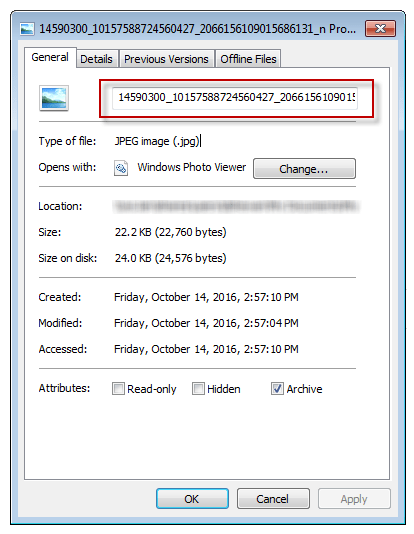
A file name that resembles a serial number more than anything else. Avoid this. Despite Google’s increasingly advanced image recognition capabilities, a clear, consistent naming convention is paramount for visibility. It ensures the right images reach the right people at the right time. Image names should be self-explanatory and concise, especially for product photography. Pick a naming convention and stick to it. At nexus-security, we use “an-example-image.png” (lowercase) for all our images, not just those on the blog or PPC U.
3. Optimize Image File Sizes: Speed is King
We all forget to resize images occasionally. But if all your images are enormous, your website’s performance will suffer. Optimized images ensure swift load times. The longer an image takes to load, the higher the bounce rate due to impatient visitors.
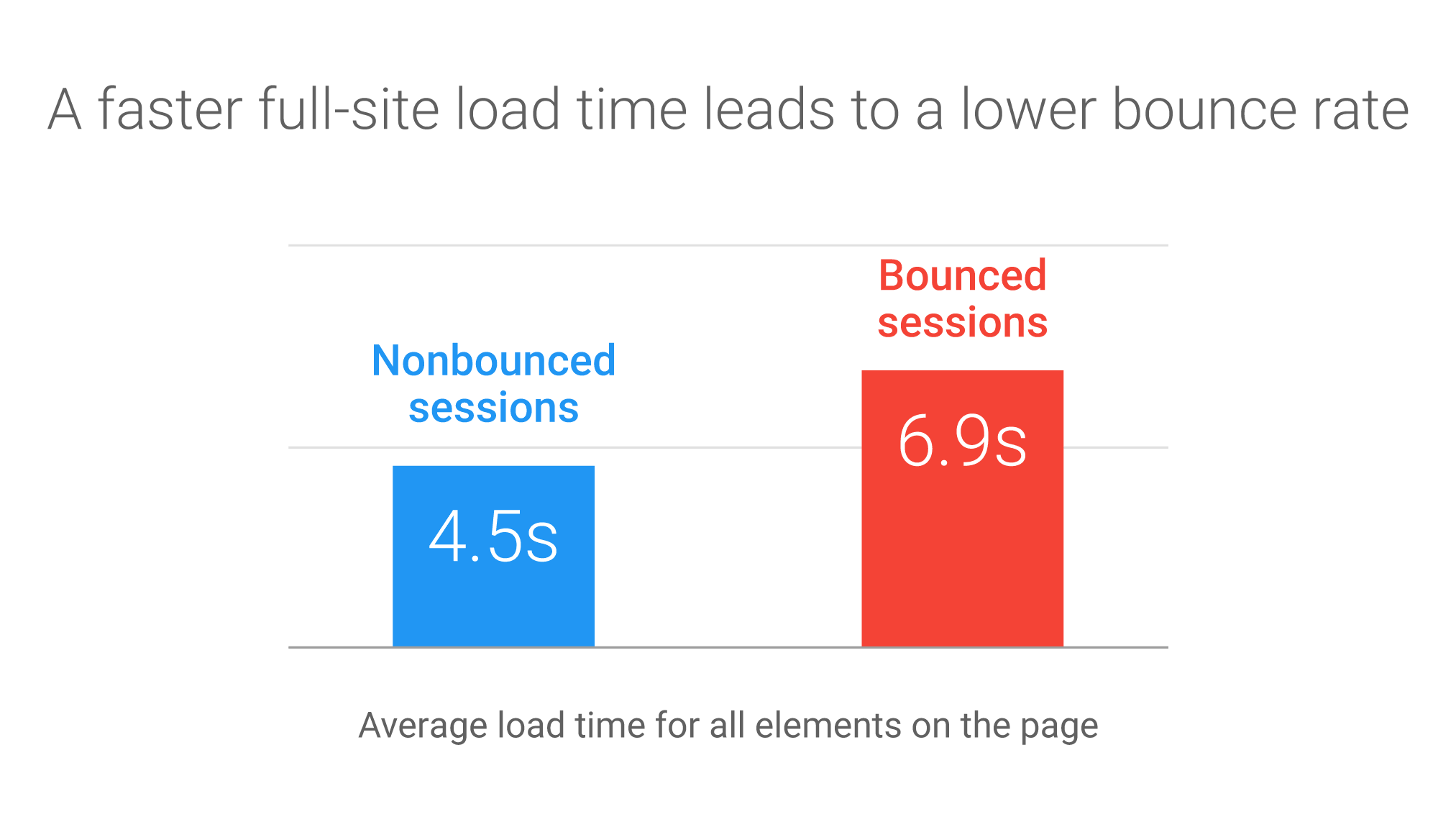
Image via Think with Google While manually resizing images might seem tedious compared to letting your CMS handle it, every step towards website optimization counts.
4. Alt Text: Guiding Search Engines and Enhancing Accessibility
While Google’s RankBrain and other neural networks are becoming adept at interpreting images, alt text remains vital for conveying image content to search engines. Alt text is crucial for two reasons. First, it simplifies image indexing for search engines. Second, it allows visually impaired users with screen readers to understand the image content, a crucial yet often overlooked accessibility aspect.
5. Strategic Image Placement: Context is King
Some images, like humorous memes, aren’t meant for serious SEO or commercial intent optimization. However, for instructional or informative images, placement matters. Ensure that images are strongly related to the surrounding text and placed logically to support the content.
6. Don’t Underestimate Captions
Many websites skip image captions, either because the image is self-explanatory or due to stylistic choices. However, captions are a fantastic optimization tool often overlooked by site owners. In fact, they can significantly impact conversion rates.

Caption this! According to KISSmetrics, image captions are 300% more likely on average to be read than regular body text. Neglecting captions means missing out on engaging your audience effectively. While nexus-security might not caption every single image, they represent a powerful tool for enhancing content discoverability and delivering precise search results.
A Quick Note on Title Tags
Title tags within image metadata (not to be confused with the “Title” field in CMS platforms like WordPress, which denotes the image title, not its metadata) were once considered crucial for SEO. While including title tags in your images doesn’t hurt, it’s no longer considered essential. Feel free to add them alongside alt text, but it’s not mandatory.
Prioritizing User Intent for Image Optimization Success
Google consistently emphasizes the significance of relevance for enhanced visibility – and this applies to images. Optimizing images for relevance caters to user needs and capitalizes on the growing trend of image-based search. As this search method becomes more sophisticated, visual relevance will only gain more prominence in the online world.