It’s astounding how often some marketers still rely on outdated metrics.
Perhaps they’re unaware of better options, or they cling to familiar metrics that have lost their relevance. Inspired by Rachel Sprung’s recent post on ineffective marketing metrics, I’ve compiled my own list of pet peeves—metrics that likely hinder rather than help your campaigns.
1. Facebook Likes
There was a time when even savvy marketers saw value in buying Facebook fans. The allure of reaching such a vast audience repeatedly through organic content was undeniable.
Those days are gone.
Last spring, brands received a wake-up call: organic Facebook reach for Pages was plummeting towards zero. And that’s precisely what happened. Many brands now report engagement rates below 1% with their fan base through organic content.
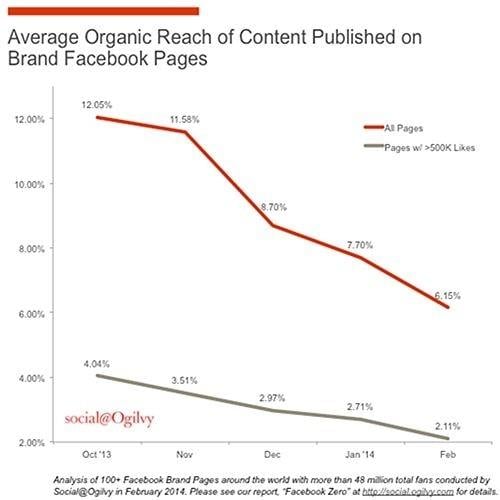
What’s the point of measuring past likes if those users never see your content? Whether you have 100 or 1 million, you’ll need ads or ridiculously powerful content marketing to reach them on the Facebook newsfeed. Yet, some marketers still tout increasing fan counts as a key performance indicator, hoping for a resurgence. And someone must be buying those Page Likes, because numerous sellers still peddle them. It’s time to let go. This metric is obsolete.
2. Display Ad Impressions
Knowing how many people actually saw your ads is crucial, right? Ironically, impressions—the long-standing metric for display ad marketers—don’t reveal how many people viewed your ad. Back in November 2013, we discovered that roughly one-third of ad impressions weren’t viewable. Alarming, isn’t it? Well, it’s now over 56%!
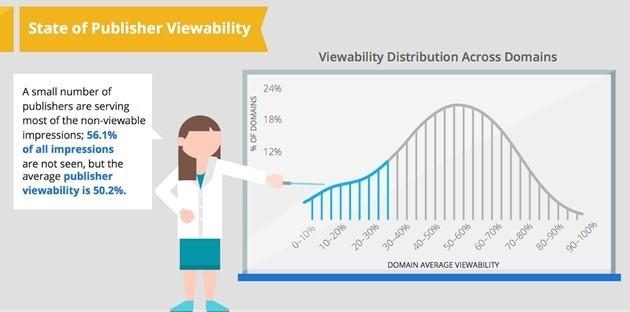
Source: Google That’s right, over half of your ad “impressions” are never seen. So, stop using impressions to gauge campaign reach. Instead, focus on lower-funnel metrics like clicks and conversions.
3. Keyword Rankings
Keyword rankings are the persistent, mind-numbing zombies of marketing metrics. They refuse to die.

Numerous factors, including personalization, geo-location, and search algorithm updates, have rendered keyword rankings meaningless. And these aren’t even recent developments! This shift has been unfolding for years, yet some marketers still present rankings for specific keywords as if they hold significance. Let go of the outdated security blanket. Keyword rankings are over.
4. Anything Related to Referred vs. Direct vs. Organic Segmented Traffic
The entire concept of segmenting traffic into referred, direct, and organic, and using it as a performance indicator, needs to be abandoned. For SEO professionals, relying on these metrics is counterproductive. Rand Fishkin extensively wrote and spoke about this in 2013, and his predictions have come true pretty much as he said it would. In a world with declining keyword referrals, where both mobile and organic search traffic are often categorized as direct, relying on these metrics to measure or validate SEO efforts is illogical. While there are valid reasons why browsers don’t always report the precise traffic source, the bottom line is that you cannot depend on segmented referral data as a KPI. Period. Groupon demonstrated the magnitude of this problem through an experiment last summer. The company deindexed its entire site for six hours, only to see a 60% drop in supposedly “direct” traffic!
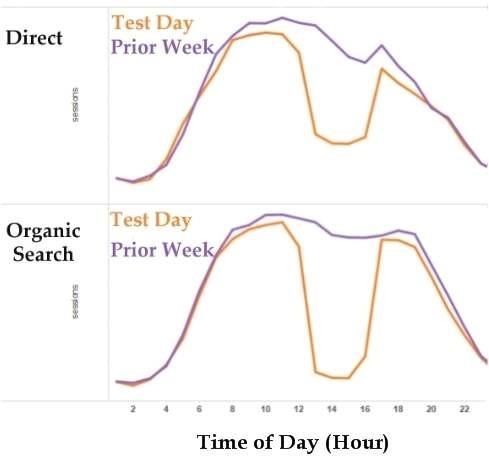
Image from SearchEngineLand.com Still think SEO isn’t effective? Recognize that a significant portion of what’s attributed to direct navigation is likely the result of SEO and content marketing initiatives. Don’t undermine your own efforts by dismissing them based on flawed segmentation reports.
5. PageRank
Why are we even still discussing this?!

Google’s last PageRank toolbar update (in 2013) was by accident. That alone indicates its low priority for Google. While PageRank may have once reflected site quality, the search algorithm has evolved far beyond this antiquated metric. It’s baffling that anyone still takes it seriously. (I’m considering starting a support group for those fixated on PageRank. You wouldn’t want to join, believe me…)
6. Most of Google Webmaster Tools
Google Webmaster Tools has its uses, but providing reliable data isn’t one of them.
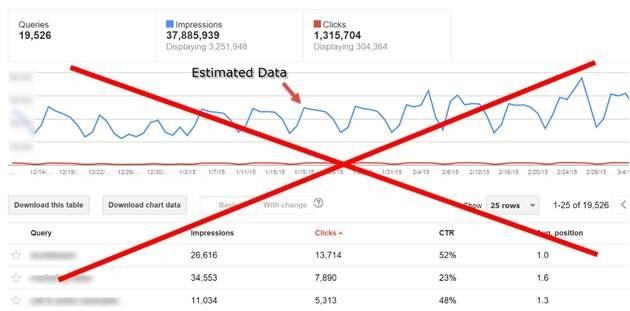
Based on my analysis, the numbers in Google Webmaster Tools are estimates with an accuracy of +/- 500%. How do I know? By comparing some figures with actual data from Google Analytics or Google AdWords, revealing significant discrepancies. It’s similar to the Google AdWords Keyword Planner, where volumes and CPCs are estimates with comparable accuracy. Why rely on such unreliable data? While useful for tracking trends, don’t mistake the numbers as absolute truths. They’re merely estimations.
Why These Metrics Are Misleading and Harmful
Beyond being frustrating, these metrics and the undue attention they receive are detrimental. Why? Because focusing on irrelevant metrics distracts from those that offer valuable insights into your marketing performance. Imagine a marketer fixated on boosting impression volume while most ads go unseen. They miss opportunities by looking in the wrong direction. This leads to a downward spiral of misplaced effort. The longer you focus on insignificant metrics like those mentioned, the further you drift from meaningful ones. Soon, you’re desperately trying to justify ineffective content or advertising solely because you’ve fixated on the wrong benchmarks. By then, it might be too late to recover. So there you have it. My most disliked marketing metrics. What metrics do you believe the industry needs to abandon?
