The COVID-19 pandemic has significantly changed how businesses operate and consumers behave. This presents unique challenges for small business owners and advertisers, who need to adapt and discover ways to cultivate strong, personal connections with their audiences remotely. Adjusting your online advertising strategy is crucial in these times, and we’re here to assist.
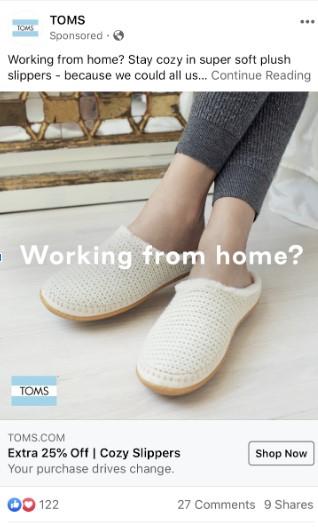
We’ve put together six strategies to help you run successful Facebook and Instagram ad campaigns during this pandemic:
- Maintain consistency and extend your top-performing ads
- Enhance brand visibility with your online audience
- Generate new leads and expand your email list through lead ads
- Prioritize remarketing campaigns
- Experiment with new ad creatives and audiences
- Explore Facebook and Instagram Live
1. Maintain consistency and extend your top-performing ads
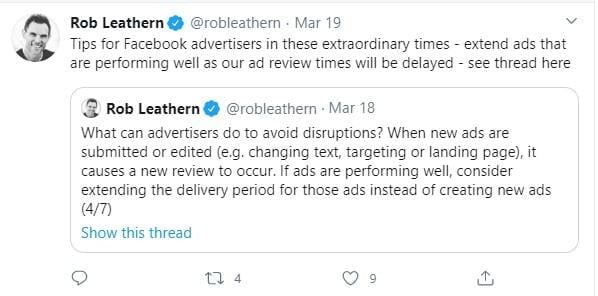
Facebook recently warned advertisers that there might be delays and errors in ad approvals due to staffing changes and increased dependence on automated review systems. Any modifications to existing ads, such as changes to copy, headlines, visuals, or targeting, will trigger a fresh review. To avoid interruptions, Facebook’s Director of Product Management, Rob Leathern, suggests extending the duration of your best-performing ads, as new campaigns will undergo this review process.
2. Enhance brand visibility with your online audience
With a larger number of people staying home, there’s a higher likelihood of increased online browsing. This trend is already apparent, as evidenced by Verizon’s recent report of a 20% week over week increase in web traffic. This surge in impressions and changes in competition are likely to reduce your CPM, presenting a valuable opportunity to broaden your reach within your budget on Facebook and Instagram. Our internal Facebook account has already recorded a 12.7% month-over-month decrease in CPM, and we’re closely monitoring its progression.

If feasible, prepare your ads in advance to capitalize on the increased demand for online content. Your content should emphasize the value proposition of your products or services and how they can benefit consumers when they’re prepared to make a purchase or plan for the future.
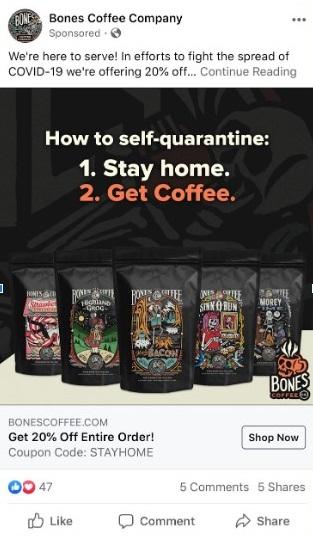
Additionally, keep your audience engaged by sharing updates about your business and ways they can support you, such as:
- Taking advantage of online promotional sales.
- Purchasing gift cards.
- Sharing positive online reviews.
- Shopping online or over the phone.
- Utilizing delivery or curbside pickup options if available. This is particularly important for small and local businesses.
Get insights into adapting to the dynamic online advertising environment with this complimentary guide for small businesses navigating COVID-19.
3. Generate new leads and expand your email list through Facebook lead ads
If your business operates primarily online, offers services, or caters to a local customer base, maintaining an active email list for newsletters and updates is crucial. During periods of slow business or temporary closures, consider shifting your focus towards lead generation and expanding your email list instead of solely promoting sales. Here’s what you can achieve with Facebook lead ad campaigns:
- Capture attention with engaging content.
- Increase leads and email newsletter signups.
- Build an audience for future remarketing efforts. For instance, fitness businesses can offer a 30-day challenge as an incentive for subscribing to their email list. Alternatively, businesses selling products can encourage signups by promising early access to promotions, new product announcements, and other important updates. Key points to remember:
- Keep your lead generation forms concise to minimize drop-offs. Limiting the form to essential fields like name and email address is generally recommended.
- Integrate your lead forms with your CRM system and set up automated welcome emails to ensure prompt follow-up with content relevant to the advertising campaign.
4. Prioritize remarketing campaigns
According to Barilliance, over 75% of shoppers will abandon your site without completing a purchase. The current surge in online browsing presents a prime opportunity to re-engage with these past visitors. Entice them back to your site with incentives like free shipping or exclusive promotions.
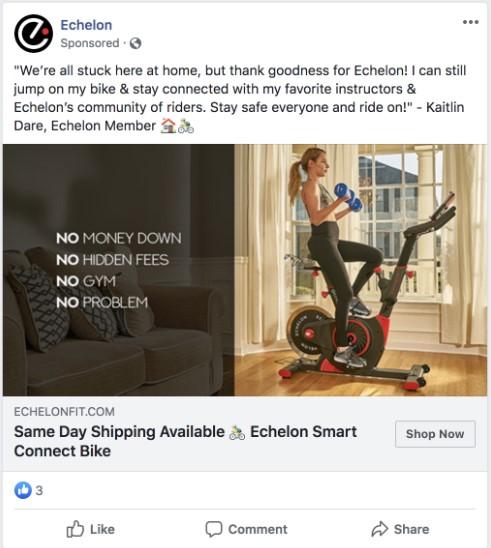
This strategy is especially effective for businesses experiencing a surge in traffic, such as those in the at-home fitness or healthy delivery sectors.
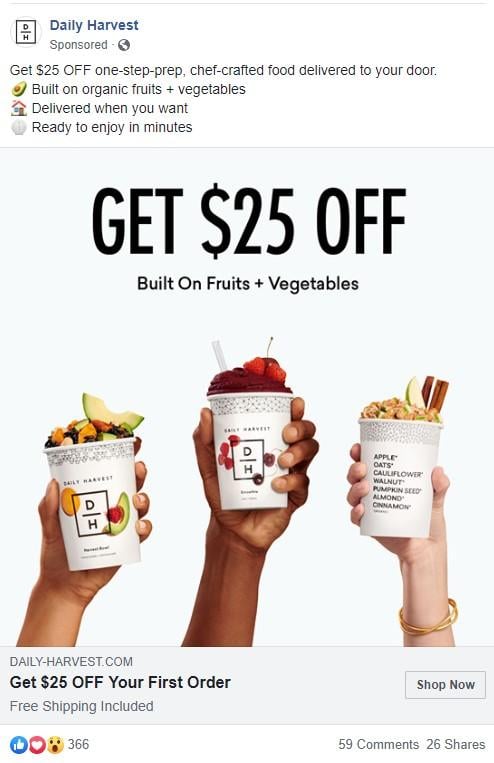
Beyond website visitors, explore engagement custom audiences to reach potential customers who have interacted with your brand on Facebook and Instagram. This allows you to target users based on their engagement with your business page, content, videos, or lead forms. Remember, granular audience segmentation based on relevance enhances engagement.
5. Experiment with new ad creatives and audiences
If your business has experienced a slowdown or temporary closure, now is a good time to experiment with new ad creatives and target different audiences. This can provide valuable insights for optimizing future campaigns. When testing new audiences, creating separate ad sets instead of modifying existing ones helps in accurately gauging their impact. When testing new ad creatives, compare their performance against your existing high-performing ads to efficiently analyze results. Pro Tip: Focus on testing one element at a time, such as imagery, headlines, or copy, to ensure accurate analysis. Allow a few days to monitor performance before making further adjustments. Here are some areas for experimentation:
- Audience targeting: Explore demographic, interest-based, and custom audiences.
- Ad copy: Test different headlines, calls to action, and body text.
- Landing pages: Experiment with variations in copy, design, and messaging.
- Ad creative: Compare the effectiveness of static images versus videos. This brings us to #6, which involves exploring other media strategies…
6. Explore Facebook and Instagram Live
For local businesses facing unprecedented challenges, consider transitioning your offerings online through Facebook and Instagram Live to adapt to the current climate. Live video allows for more direct and authentic interactions with your audience. Moreover, effective video marketing can drive conversions, with Facebook and Instagram Live videos receiving 3x higher engagement than pre-recorded videos. Utilize your phone to connect with your customers through live streams. In a time of social distancing and self-isolation, people crave face-to-face interactions. While not a direct substitute, live streams offer a valuable alternative for engagement. Leverage this format to answer questions in real-time, host online check-ins, webinars, product demos, and more, ensuring your audience stays informed.
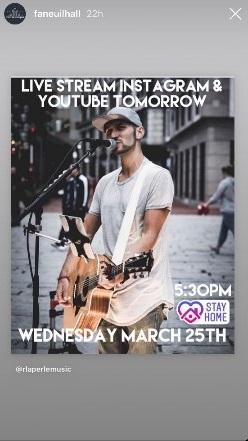
For a successful live event, ensure your broadcast is as clear and high-resolution as possible. A practice run is helpful, but authenticity is key. Embrace the opportunity to present a genuine reflection of your brand. In conclusion, leverage this period to explore creative solutions for expanding your reach on Facebook and Instagram. There’s always an optimistic and empathetic approach to navigate the challenges of social distancing. For additional marketing insights during COVID-19, tune in to our special COVID-19 episode of the Goal Talk Podcast. For restaurant-specific Facebook advertising tips, read 5 Ways Restaurants Can Use Facebook Ads During COVID-19. Explore strategies for other platforms in our posts on LinkedIn advertising during COVID-19 and YouTube Advertising During COVID-19. To optimize your Facebook Ads account, check out our post on Facebook Ads Account Recovery.