Ending a relationship is never easy, especially if you’re caught off guard. Looking back, it often becomes clear that there were red flags we might have disregarded, hoping for improvement or avoiding the issue entirely. However, addressing these issues proactively could have salvaged the relationship or led to a more amicable parting.
The same applies to client relationships. When a client decides to leave, it can feel like a painful breakup, particularly after years of dedicated effort. That’s why recognizing the warning signs and being prepared for difficult conversations is crucial.
The #ppcchat team recently discussed this very topic (find the recap here). Inspired by this, we at nexus-security have been focusing on proactively gauging client satisfaction to address potential issues before they escalate. Here are five key warning signs to watch out for when it comes to client relationships:
#1. They Grant Access to Another User
This is comparable to discovering another person’s belongings in your significant other’s possession—a clear indicator that something is amiss. While there could be innocent explanations, it’s more likely a sign that they’re exploring other options and your relationship is at risk.

Granting new user access often means a client is evaluating alternative agencies, allowing potential replacements to review their account and propose improvements.
Instead of resorting to underhanded tactics like removing competitor access, we recommend open and honest communication. Initiate a conversation to understand their needs and concerns. This allows you to address their pain points and potentially retain their business by demonstrating your expertise.
#2. Your Main Point of Contact Changes
A change in your primary contact signals a potential shift in the relationship dynamic. The new contact might not be familiar with your services or the initial agreements. They might even be inclined to make significant changes to differentiate themselves from their predecessor.
When this happens, prioritize establishing a connection with the new contact and reaffirming the value of your services. Summarize the account history, achievements, and initial goals to showcase your progress. Equally important is understanding their objectives, which might differ from the previous contact.
In situations involving mergers or acquisitions where the new entity has an in-house team, consider adapting your services. Offering regular audits, for instance, could be a way to maintain the client relationship in a different capacity.
#3. Your NPS Scores Take a Nosedive
At nexus-security, we gauge client satisfaction using the Net Promoter Score (NPS) system, and we’ve discovered a strong link between these scores and client retention. Low scores trigger immediate action to understand and address the root cause before it leads to a client departure.
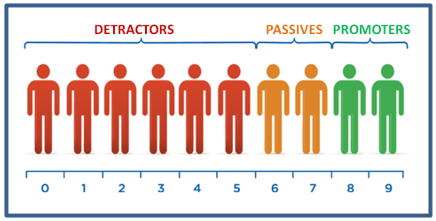
While not all relationships can be saved, addressing concerns head-on is crucial. These conversations can help realign expectations, identify areas for improvement in our processes, or simply lead to a more amicable parting.
Even without a formal NPS program, implementing regular client satisfaction surveys is invaluable for reducing churn.
#4. Communication Patterns Change

During #ppcchat this week, Julie Bacchini raised this point, and the consensus was clear: significant changes in a client’s communication style are a red flag. While every client communicates differently, sudden shifts are worth noting.
Be wary of unexpected silence from usually communicative clients, as it could signal disengagement. Conversely, a sudden influx of inquiries from a typically hands-off client might indicate concerns about performance.
However, avoid jumping to conclusions. Directly addressing any noticeable shifts in communication helps understand the reasons behind them and determine the best course of action.
#5. Budget Cuts Are Made

Reduced client spending should ideally stem from increased account efficiency, allowing them to allocate resources elsewhere. Otherwise, it often indicates a scaling back of their paid search efforts and a potential lack of confidence in its value.
If a client announces budget cuts, understand their reasoning and any underlying concerns. If they question paid search’s effectiveness, be prepared to present compelling data that supports its value.
Recognize the Signs, Take Action!
When facing these scenarios, open communication is key. Instead of becoming defensive, actively listen to and understand your client’s concerns. This understanding empowers you to devise a plan to salvage the relationship. For significant accounts, consider assigning a dedicated team member to focus on re-engaging these at-risk clients.