As numerous states begin lifting restrictions and reopening their economies, account managers and agency owners must closely monitor industry trends. Staying informed empowers you to make well-informed decisions and steer your clients in the right direction.

Equally important is having the resources to stay ahead of internal trends for these businesses. By connecting various data sources, you can draw accurate conclusions and recommend the most effective actions for your clients. Keeping track of everything can feel overwhelming because it is. This post will guide you through five tools that can help you gather insights for your clients during this phase of the COVID-19 pandemic. Update! With the world opening back up again, check out these inspiring post-COVID marketing ideas!
1. Google Trends
Google Trends lets you analyze the popularity of top search queries on Google. While many account managers use keyword research tools for client planning and strategy, it’s wise in these times to explore topics related to your clients’ industries rather than specific keywords.
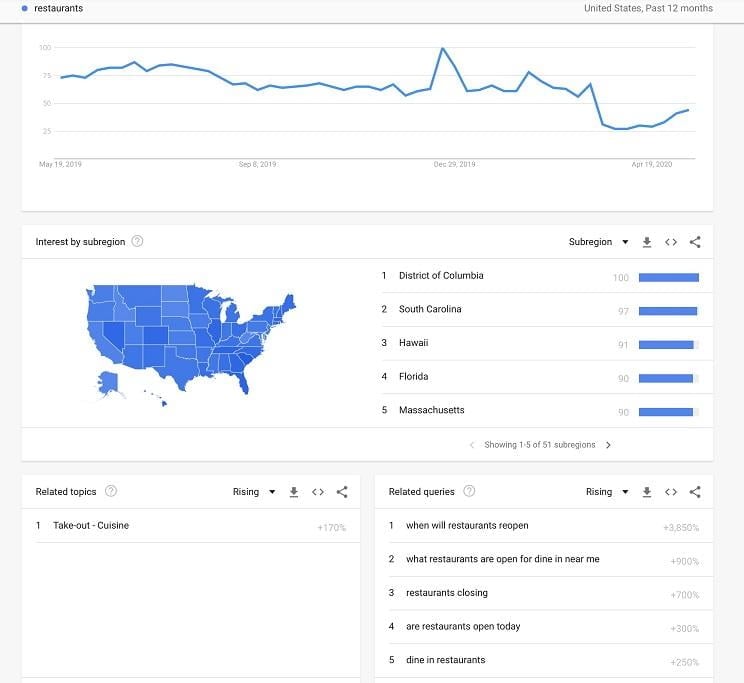
This visualization shows COVID-19’s impact on industry search volume and how these terms are potentially rebounding. If recent weeks show a specific trend aligning with your managed account data, use this information to show your client it’s time to increase spending. Google Trends also reveals regional interest levels in a searched topic.
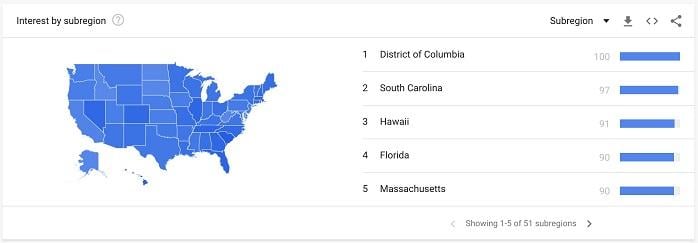
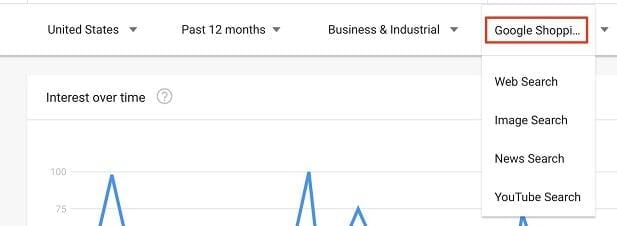
When targeting ads across multiple regions, consider drilling down and adjusting for specific locations. Depending on your account’s bid strategy, you might even separate some regions into their own short-term campaigns. You can further refine data by category and search platform.
In essence, this platform is indispensable for monitoring your client accounts right now.
2. Databox
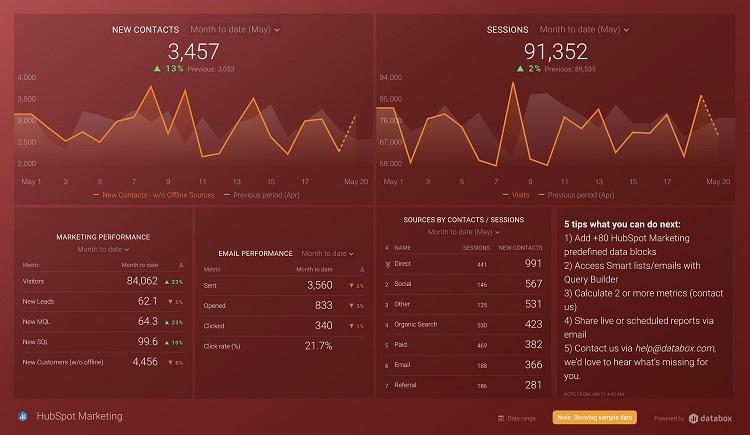
Tools like Google Trends offer valuable insights into your clients’ external digital landscape, but what about internal trends? Understanding your customers at each pandemic stage is crucial. Most businesses use a variety of tools and services to convert web traffic into sales and retain customers. Account managers often have access to client platforms like Google Analytics, HubSpot, Salesforce, or various company social media pages. Logging in, analyzing, and reporting on these platforms separately can be tedious, especially when seeking this information for multiple clients. A simple solution is using a tool like Databox to consolidate all the important data into dashboards.
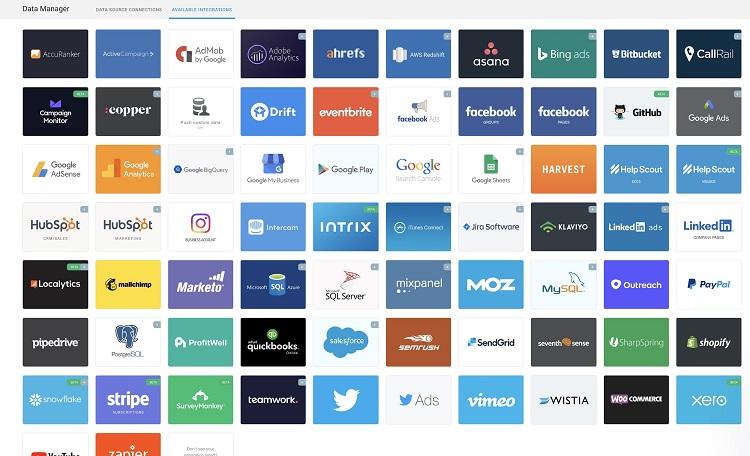
Connecting and displaying desired information from a client’s internal systems on a dashboard or two is incredibly powerful. Not only can you monitor trends within paid accounts, but you can also correlate them with trends throughout the marketing and sales funnels.
3. Google Data Studio
Like Databox, Google Data Studio enables you to connect multiple data sources and create visually appealing reports. While connecting non-Google sources can be challenging and often not free, incorporating Google Analytics and Google Ads data is very user-friendly. If you don’t need to include other channels like HubSpot or Salesforce, it offers a quick way to compile visualizations of client trends.
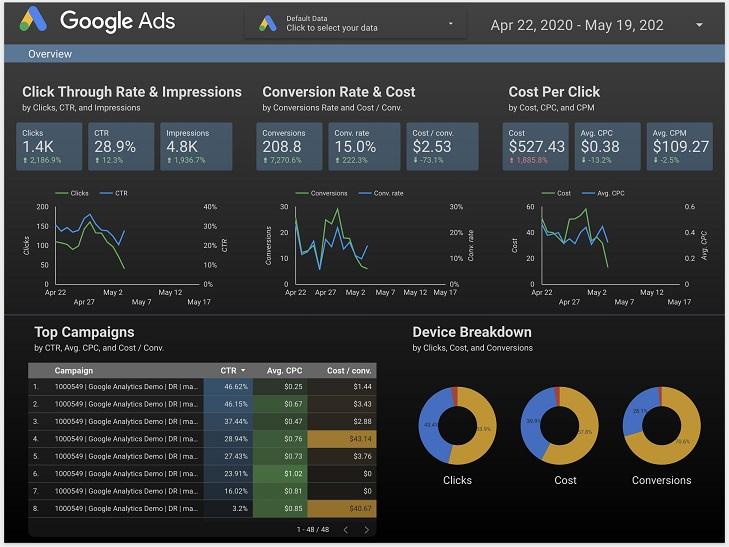
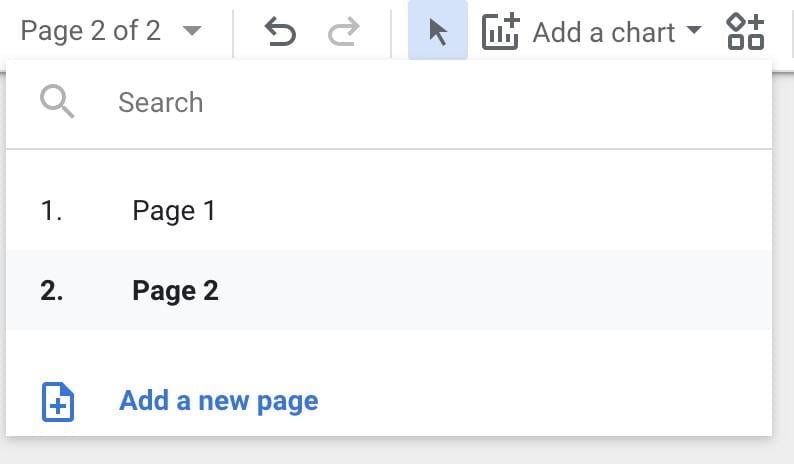
Google Data Studio’s ability to display multiple data sources within a single client report is another advantage. This means you can add multiple pages to a report while connecting multiple Google Ads and Analytics accounts. If desired, each page can have a trends report for each client. Although not ideal for client reporting, this benefits you. By compiling all your clients and their COVID-19 trends into one report, you can quickly identify accounts ready for scaling and those still at risk.
4. nexus-security Google Ads Performance Grader
nexus-security’s Google Ads Performance Grader is another tool that offers immediate value to account managers. By connecting your account, you gain access to various performance health metrics related to Google Ads. This 100% free tool helps determine whether any weaknesses in a client’s account are linked to current economic trends or simply missed opportunities.
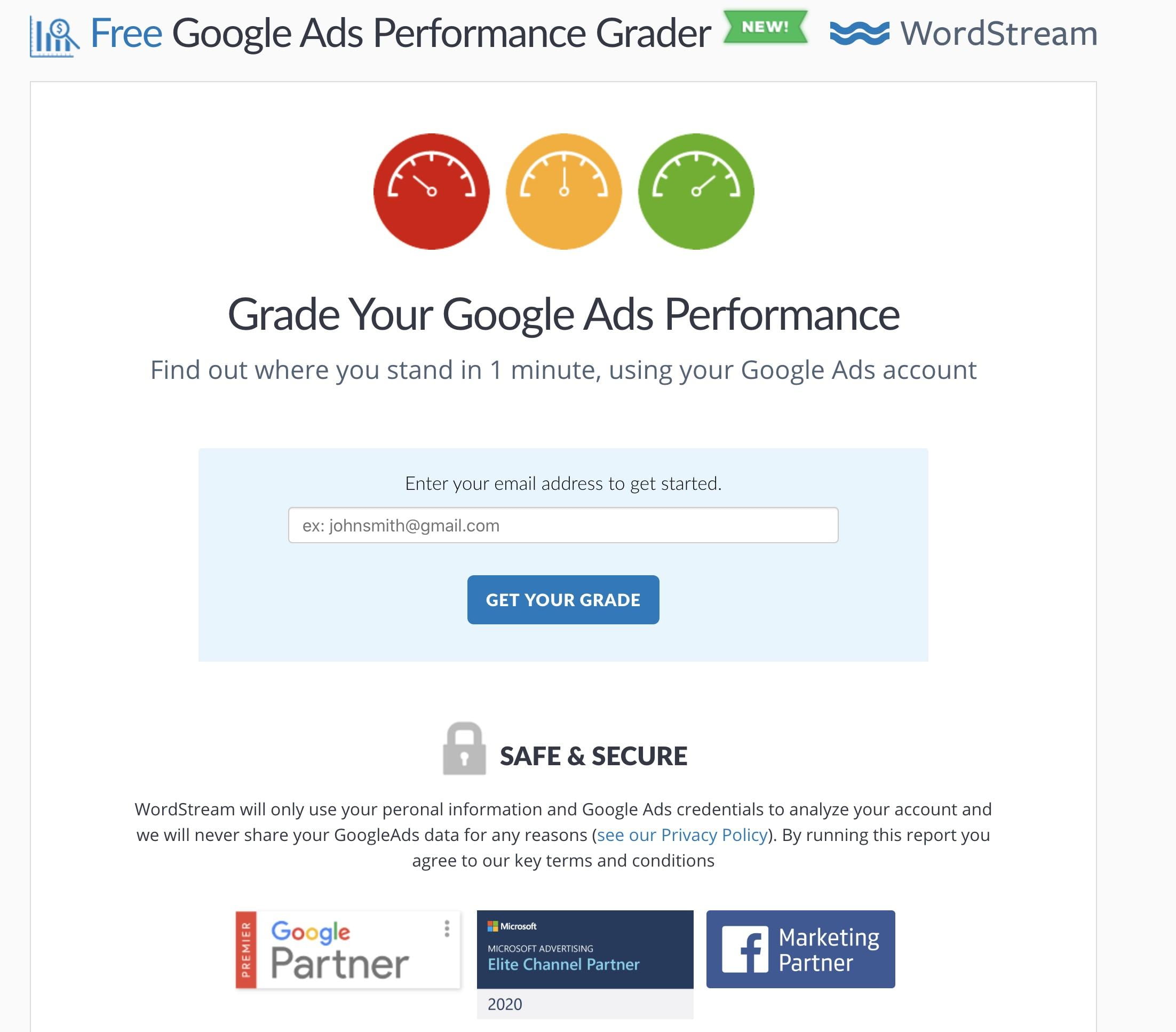
Running the grader aims to pinpoint the source of poor or improved performance. It can also highlight changes that positively impacted the account and whether these improvements are attributable to your COVID-19 response.
5. SpyFu
SpyFu is an invaluable tool for digital marketing agencies to effectively plan and strategize for their managed search accounts. It allows access to information on search volume for specific keywords, along with SEO and PPC data for competitors.
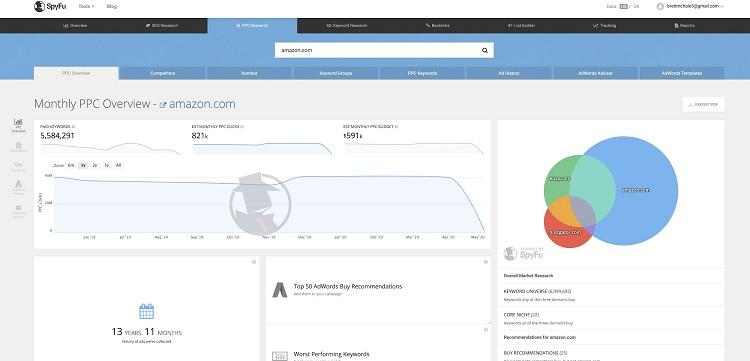
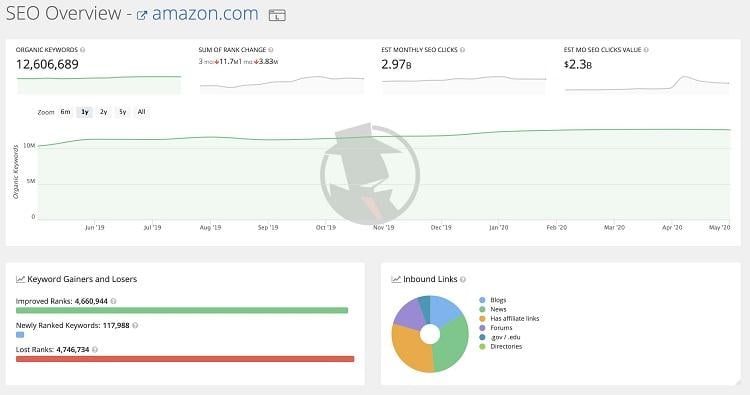
Understanding paid search trends and competitor activities offers valuable insights for your next move. Trends in competitor spending will reveal if they are ramping up or pivoting to specific keywords during the crisis that you should also consider. SpyFu can also analyze data for your own clients, including SEO data over a specific period. This insight helps understand increases or decreases in rank and attention paid to specific aspects of the business. For instance, if you manage ads for a client offering products or services to local businesses, you can use SEO data to understand where your client ranks high compared to their competitors. You can also pinpoint where rank has been lost. However, keep in mind that SEO is a complex, long-term science with numerous variables at play. The goal is to observe this information to gain additional insights into your client and their competitors.
Use the tools that work for you—and your budget
While some tools aren’t entirely free (for most features), they offer significant value to agencies of all sizes seeking to enhance their decision-making efficiency and stay afloat during COVID-19. Databox and SpyFu have various pricing options and plans but are generally affordable. Google Trends, Data Studio, and nexus-security’s Google Ads Performance Grader are entirely free to use. While Google Data Studio offers additional paid capabilities, they aren’t essential. Whether you aim to gather insights during this critical time or provide your agency with streamlined reporting tools for the future, these tools can quickly deliver both.