It’s common knowledge that Facebook ad prices are rising.. Businesses are facing a challenging situation where clicks on their ads now cost dollars instead of cents, significantly driving up expenses for B2B lead generation and CPA.

Instead of completely abandoning PPC and Facebook ads, a smarter approach is to optimize for maximum ROI. This means focusing on smarter spending strategies to reduce Facebook ad costs per lead. Here are five ways to achieve this:
1. Identify Your Top-Performing Demographics on Facebook Ads
Leverage the data from your previous Facebook campaigns to pinpoint the demographics that show the strongest engagement with your ads. The Ads Manager’s “View Charts” section provides insights into ad performance based on gender and age groups.
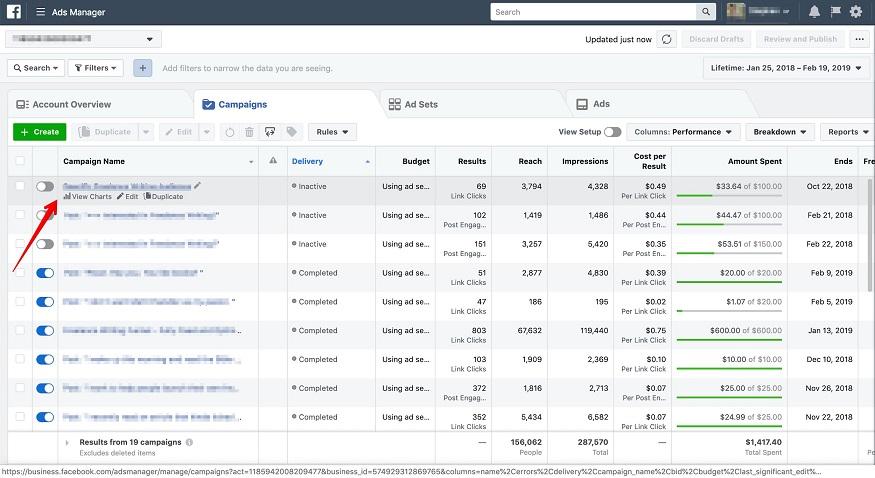
This allows you to see how your ad resonated with different demographics.
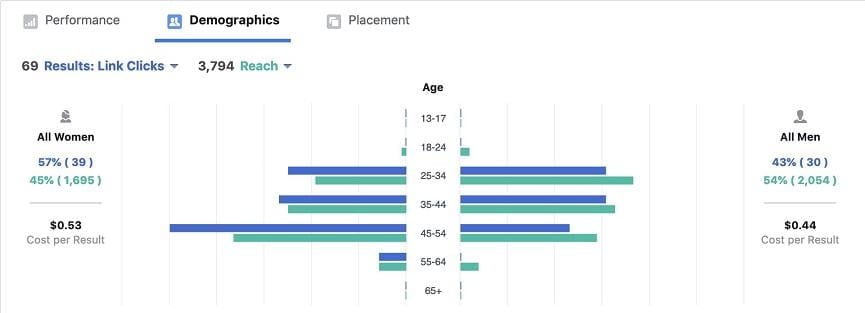
By focusing on these high-performing demographics, you can avoid wasting resources on audiences that have shown less interest. When analyzing demographic performance, delve into the “why” behind the results. Understanding the reasons behind variations in engagement across demographics can help refine your ads for better resonance. For instance, if a SaaS company’s ad performs poorly with men over 55, it could indicate that the ad’s creative appeals more to a younger demographic or that this demographic is less inclined towards adopting new technology. This knowledge allows for more targeted advertising, focusing on demographics most likely to convert and reducing overall Facebook ad costs. Related: How Much Do Facebook Ads Cost in 2021? (+Ways to Save)
2. Streamline Your Landing Page
A cluttered landing page can significantly hinder lead generation. A simple, clear, and focused landing page generally leads to higher conversion rates. To create such a landing page:
- Maintain a single objective: The sole purpose of your landing page should be lead generation. Every element on the page should contribute towards this goal, avoiding distractions that could decrease conversions.
- Minimize required information: Only ask for essential information. Requesting excessive details creates friction and discourages conversions.
- Use a single call to action: Focus on one clear call to action, like providing an email address for a free report, to avoid overwhelming visitors.
- Simplify your copy: Use headers, bullets, and white space to make the text easily skimmable and digestible.
- Prioritize crucial information: Place essential content above the fold to ensure immediate visibility and engagement. A well-designed landing page that minimizes distractions and focuses on lead generation can significantly improve conversion rates without increasing traffic, effectively reducing cost per lead. Related: 7 Ways to Combat Rising Facebook CPMs Due to iOS 14+
3. Leverage Facebook Lookalike Audiences Based on Your Most Engaged Customers
Effective advertising involves targeting the right audience. Facebook’s Lookalike Audience Targeting is a powerful tool that allows you to reach a wider audience exhibiting similar characteristics to your existing high-value customers. There are two primary targeting options on Facebook:
- Detailed Targeting
- Lookalike Audience Targeting Detailed targeting involves providing information about your target audience, such as demographics and interests. However, this method often involves assumptions.
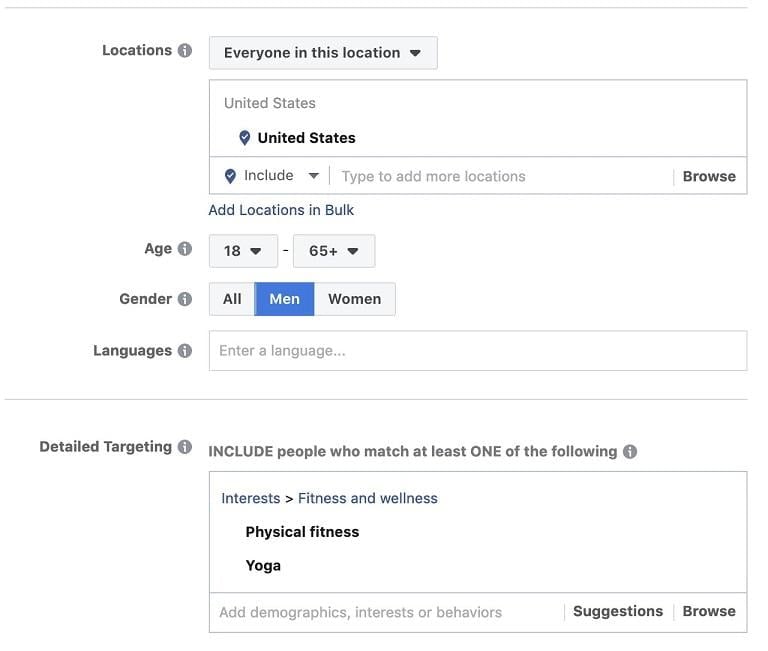
For established businesses, lookalike audience targeting generally yields superior results. This method utilizes Facebook’s technology to identify and target a broader audience that shares traits with your most engaged customers. To create a successful lookalike audience, you’ll need a “seed” audience—a list of your most valuable customers. This list, ideally containing 1,000-4,000 contacts, forms the basis for Facebook’s algorithm to identify similar individuals.
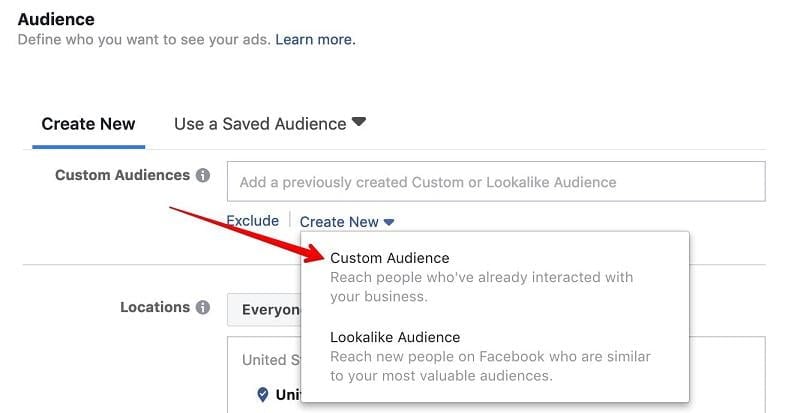
This segmented email list is then uploaded to Facebook.
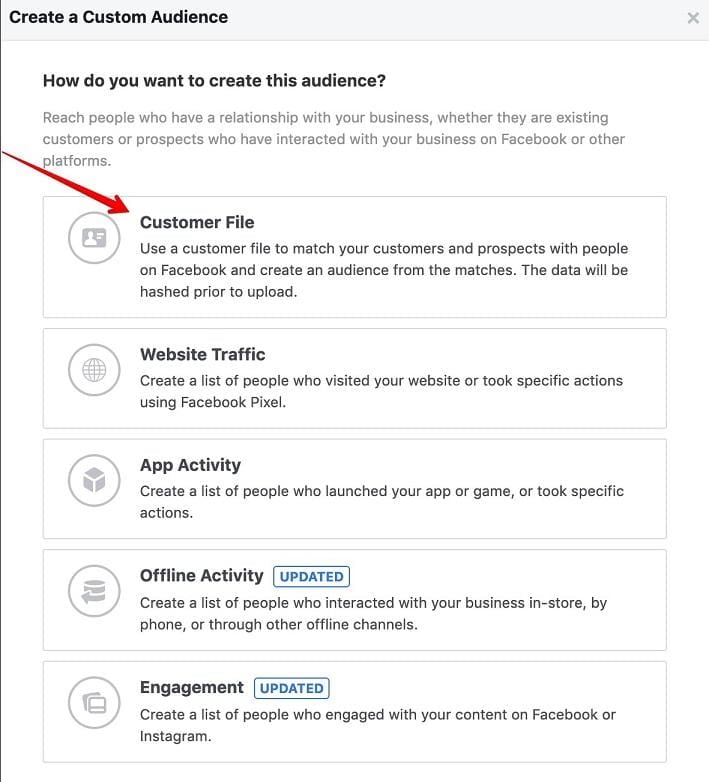
Facebook uses this list to create a larger lookalike audience.
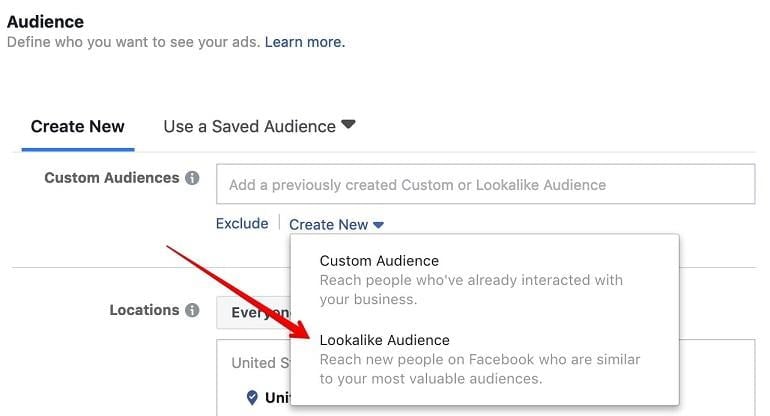
By targeting lookalike audiences based on your most engaged customers, you guide Facebook’s algorithm towards individuals most likely to take desired actions, leading to improved targeting and reduced costs.
4. Explore Facebook Lead Ads
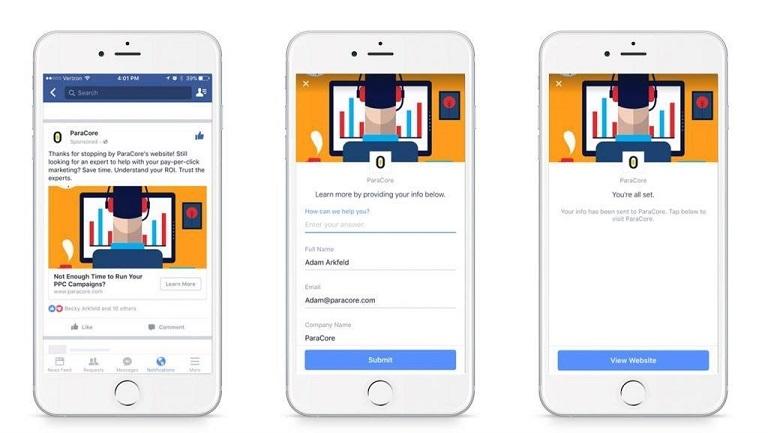
Facebook lead ads simplify information capture from potential leads. Instead of redirecting users to an external landing page, lead ads keep them within the Facebook platform and pre-populate forms with information from their profiles. This ease of use often results in higher conversion rates and lower costs per lead. However, it’s essential to note that leads generated through this method may be of lower quality due to the reduced effort required to convert. As Ted Vrountas of Instapage puts it:
Higher conversion rates often correlate with ease of form submission. When users can provide information with minimal effort, persuasive copy and well-designed forms become less critical, leading to faster data collection. Therefore, experimenting with lead ads is recommended. The increased lead volume might compensate for potentially lower quality, or you may find that traditional landing pages are more effective for your needs. Regardless, lead ads can potentially reduce costs by minimizing user effort in joining your email list. Discover additional strategies to reduce your Facebook ad expenses efficiently with our Free Facebook Ads Performance Grader.
5. Experiment with Facebook Messenger chatbot campaigns
With approximately 1.3 billion users, Facebook Messenger holds massive potential for generating leads. And with numerous companies now making it incredibly easy to build Facebook Messenger bots, Messenger can be a powerful tool for generating leads.
Messenger Ads appear within Facebook with a call to action button that says, “Send Message.” When someone clicks this, they will automatically open a chat window with your businesses Facebook page. From here, you can either manually respond to people’s messages or use a service like Mobile Monkey or ManyChat to automatically send them content, similar to an email autoresponder.
Chatbots are definitely trending—and people are seeing great results. Similar to Facebook lead ads, you are likely to see cheaper costs as a result of the easier process to subscribe, compared to having to go to an external landing page and sign up.
However, just like all new technology, it is important to be skeptical. While Messenger may boast a higher open rate, it may not lead to as many quality leads and conversions as email. Test out Facebook Messenger ads yourself and see what kind of results you get!
Speaking of testing, check out this guide to saving money through Facebook A/B testing!
Cut your Facebook ads cost per lead
There is a general marketing principle that says that the person who can spend the most to acquire new customers always wins. And while there certainly is some truth to the statement, there are also ways to beat the guy who is spending the most.
By focusing on your top-performing demographics, simplifying your landing page, creating lookalike audiences from your best customers, using Facebook Lead Ads, and deploying Messenger campaigns, you can squeeze more revenue out of your existing ad spend.
So what are you waiting for? Get out there and start pulling in those leads.