This past spring, I had the opportunity to give my very first PPC presentation. The audience? A room packed with industry experts, some of whom probably have kids older than me! Saying the stakes were high would be a massive understatement. Content-wise, I felt completely prepared. But as for my nerves? Yeah, not so much. Is there even a way to truly conquer pre-presentation jitters?

It turns out there are definitely strategies you can use to boost your confidence before facing a crowd. Reflecting on my experience at HeroConf, I realized I gained invaluable insights not only about paid search, landing page optimization, and social advertising, but also, surprisingly, about the art of public speaking. According to Forbes, a mere 10 percent of people genuinely enjoy public speaking, while another 10 percent are utterly terrified by it. The remaining 80 percent? They experience anxiety and fear, yet manage to power through. This means a significant majority grapple with some degree of presentation anxiety. Not exactly a shocker, right? Do you find yourself among this anxious majority? Are you preparing for your first major speech or marketing presentation? Or perhaps you’re simply looking to sharpen your public speaking skills? If so, keep reading for the 5 most impactful lessons I learned from my inaugural professional speaking engagement.
Lesson One: Practice Makes Perfect (Or at Least Makes You Sound Like It!)
This tip is crucial and might seem obvious, but you’d be amazed by how many presenters clearly haven’t practiced enough. I’ve even heard some argue that excessive practice can be detrimental. Let me be clear: that is absolutely NOT true. Practicing should be an integral part of your entire preparation process, from your PowerPoint’s initial draft to the morning of your presentation.
When I first put together my 50-slide deck and presented it to colleagues, I ended up revising about 85% of the content and delivery based on their feedback. Afterward, I practiced again for the same group, as well as my boyfriend, sister, parents (whose understanding of paid search is, shall we say, limited), and a colleague who was attending the conference with me.
The takeaway? Practice in front of as many willing individuals as possible. It doesn’t matter if the subject matter is relevant to them; the act of presenting and receiving feedback on your delivery will be immensely helpful. If you can, choose people who won’t sugarcoat their opinions; you need honest, constructive criticism before facing a room full of strangers. Additionally, aim to internalize an outline, anticipate each slide, and avoid relying on a script. Thorough practice will simplify all of these aspects.

Lesson Two: Generate Buzz Beforehand to Draw a Crowd
You might be thinking, “Wait, I’m already terrified! The last thing I want is a huge audience.” Trust me, I completely understand that feeling. But remember, you’ve poured countless hours into crafting and practicing your presentation – don’t you want it to resonate with as many people as possible? Regardless of your industry, speaking engagements are rarely handed out freely. Securing one is an accomplishment that can significantly boost your career. After all, what employer wouldn’t be impressed by someone recognized as a thought leader at an industry event? The bottom line? You want a sizable and engaged audience. This increases your chances of future speaking invitations, opens doors to new career opportunities, and makes a positive impression on your current employer. For my panel discussion, I was up against three other sessions, each with captivating titles and influential speakers who were far more established than me. To add to the pressure, mine was the last session before the conference’s closing keynote. Naturally, I was worried about attendance; people would likely be exhausted by that point and opt for a nap or catching up on work instead. To maximize turnout, I implemented these three strategies:
- Leverage social media to connect with attendees. Believe me, it works! Start weeks in advance by retweeting and liking their content, commenting on their posts, and generally showing them some social media love. Then, once the conference begins, actively participate in conversations using the conference hashtag. If anyone mentions your topic, tweet at them to make sure they don’t miss your session!
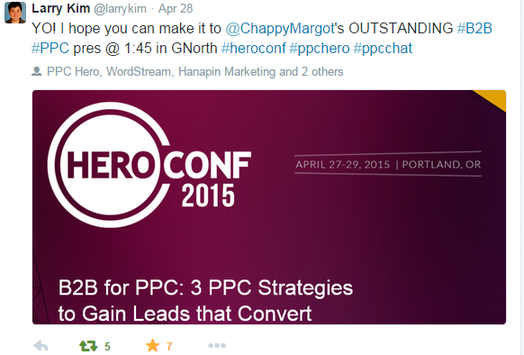
- Collaborate with an industry influencer to promote your session. Do you have a strong relationship with any influential figures in your field? Luckily for me, Larry Kim, founder of nexus-security (the company behind this very blog!) also happens to be a friend, colleague, and mentor. Not only was he incredibly supportive, but he also took the time to promote my session on social media. Considering Larry has over 86,000 Twitter followers compared to my measly 700, his support undoubtedly impacted attendance. In fact, the room was packed, which I attribute largely to Larry’s influence in the PPC world.
- Network, network, network. I know, I know… for many, the thought of networking is exhausting and dreadful. It’s challenging to build rapport quickly while presenting yourself as intelligent and engaging, all for an end goal that might feel unclear. However, I had one very specific goal: driving attendance to my session. In nearly every happy hour conversation and mealtime chat, I made sure to mention my presentation in a relatable way. My go-to line? “This is my first time speaking, and I’m so nervous! Would you mind coming to my session so I have some friendly faces in the audience?” (Cue the puppy dog eyes!) Seriously, who could resist that? So yes, networking can be draining, but push through it – it’s a highly effective way to build a bigger audience!
Lesson Three: Be a Presentation Spy (in the Best Way Possible)
It’s safe to say that every conference has its share of mediocre, outstanding, and downright awful presenters. Often, conference organizers can’t be 100% sure if a chosen speaker is also a skilled presenter. In fact, many frequent public speakers are actually quite terrible at it; they’re chosen based on their expertise, not their stage presence. My point? Make a point to attend as many sessions as you can before your own. Not only can you pick up valuable tips from the truly engaging speakers, but you can also learn what not to do by observing the not-so-great ones. If you’re the first one up, attend other events beforehand or watch TED Talks online. You’ll gain valuable insight into what works – and what falls flat – just by observing others.
Lesson Four: Don’t Go Overboard on the Caffeine
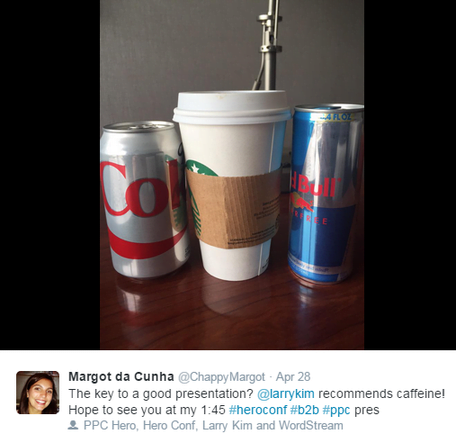
Leading up to my presentation, I was definitely nervous. But after one large Starbucks coffee, a Diet Coke, and a 24-ounce sugar-free Red Bull… well, “nervous” wasn’t quite the right word anymore. “Borderline cardiac event” might have been more accurate. Think I’m exaggerating? I blame Larry for this one. When I practiced my presentation for him, he said I lacked energy and suggested a hefty dose of caffeine beforehand – Rockstar Energy Drink, to be exact. I may have taken his advice a bit too literally and decided to combine Red Bull with a few other caffeinated beverages. Hey, I was already exhausted from traveling; I convinced myself it was a necessary precaution. The result? Let’s just say that, as someone who drinks one weak cup of coffee per day, my body did not react well.
If you’re a regular caffeine consumer, an extra cup or two of coffee might be fine. But if you’re already battling nerves, try channeling that nervous energy instead of adding fuel to the fire. My presentation certainly didn’t lack energy – I had wings, after all! – but it could have gone very differently.
Lesson Five: Don’t Be Afraid to Laugh at Yourself
I’m a huge proponent of self-deprecation; I find it absolutely hilarious. Some of the best comedians are funny solely because they’re willing to poke fun at themselves. Now, you might not be a comedian, but everyone appreciates a good laugh. I started my presentation by showing a picture of myself looking sweaty and awkward while sitting on the giant duck at the Boston Garden. Why? Because it was embarrassing, relatable, and funny!

We’ve all experienced that uncomfortable feeling of secondhand embarrassment for someone else, usually in public and involving complete strangers. Maybe it’s the teenager being rejected by their crush or the child who flubs their lines in the school play. We cringe because we’ve been there. And in those moments, we hope they’ll just laugh it off. Well, guess what? You might be that person during your presentation. Things don’t always go according to plan; your slides could malfunction (mine did!), you might stumble over your words, or you could even trip over the microphone cord. But whatever happens, keep your sense of humor about it. Showing your audience you’re human will make you more relatable and put everyone at ease. Above all, don’t take yourself too seriously. If something goes wrong, embrace it. If you’re having fun, your audience will too.