Building a loyal customer base can significantly increase your profits without increasing your customer acquisition costs. In fact, Bain & Co. reports that even a small 5% increase in customer retention can lead to a profit boost of up to 95%! The question then becomes: how can you ensure your customers are happy and coming back for more, transforming them from one-time buyers into repeat customers? This article will explore five effective retention strategies that you can implement in your ecommerce business this year.
1. ABD (Always Be Delighting)
Customers always remember exceptional experiences, both positive and negative. Therefore, delivering an exceptional customer experience at every stage of the sales funnel is crucial. Defaqto Research states that 55% of consumers are willing to pay a premium for a better customer experience. Here are a few straightforward ways to enhance your customer experience:
- Free delivery: Offer free delivery on all orders, not just those above a certain amount!
- Free returns: Reduce purchase risk for your customers and encourage conversions by offering free returns.
- Click to collect: If you have a physical store, allow customers to pick up their purchases in person. Take your customer experience a step further with personalization. Make each customer feel valued and unique, not just another number in your sales figures. Start by going through your weekly orders and identifying a customer who is active on Twitter. Better yet, use a tool like Mention or Hootsuite to find customers who are actively discussing your brand. Engage with these customers and participate in the conversations, giving them a reason to feel connected to your brand.
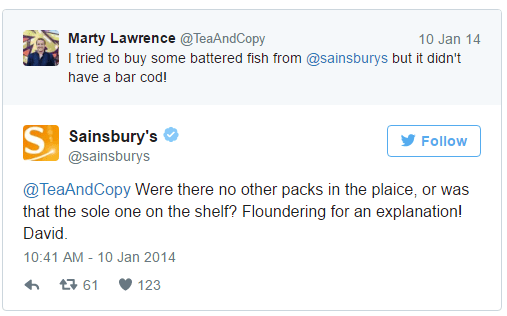
Try sending handwritten letters to your customers. In a world of automation, this gesture feels authentic and is an impactful way to show appreciation, especially for new customers. Take it a step further by sending free merchandise regularly to random customers. Sending these gifts in separate packages after their initial order emphasizes your appreciation. Some brands are now treating their customers as stakeholders. If an issue arises, send a personalized email explaining the situation. Avoid generic automated responses; instead, clearly explain what happened, how you are addressing it, and how you will make amends. Finally, remember that product packaging can significantly impact the customer experience. Unboxing videos have become a trend, with customers eager to share their latest purchases with their network. Dedicated YouTube channels even revolve around this concept:
A unique and positive unboxing experience presents a valuable opportunity to differentiate your brand. It adds value for both your customer and your business by creating a memorable and shareable experience. Birchbox and Dollar Shave Club are excellent examples of brands that excel in this area. They exceed customer expectations by adding small touches that enhance the perceived value, all while effectively triggering positive emotions:
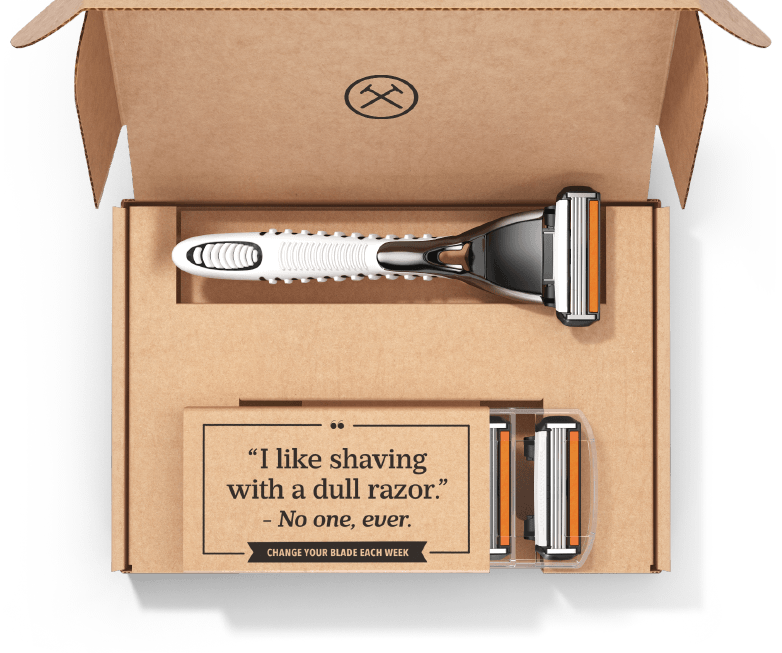
Consider these methods to enhance your packaging:
- The box: Make a strong first impression with a well-designed box that reinforces your brand and creates a wow factor.
- Tissue paper: Instead of plain tissue paper for padding, use patterned or colorful options to enhance the presentation.
- Receipt: Don’t neglect the receipt! Use this often-overlooked space to include promotional messages and express customer appreciation.
- Tape: Replace generic clear tape with branded tape to add a touch of sophistication to your packaging.
- Samples: Include samples of relevant and complementary products to create cross-selling opportunities. A memorable experience can significantly elevate your customer experience. Leverage packaging to add value, entertain your customers, and communicate your brand message, ultimately gaining a competitive advantage.
2. Explore Desktop Push Notifications
Your customers primarily interact with your ecommerce brand through three channels:
- Your website
- Their mobile devices
- Social media While customers frequently 31% of consumers for products on social media, the majority of purchases still occur on websites, both on desktops and mobile devices. Although email marketing remains effective, web and push notifications offer additional avenues to stay top-of-mind with your customers. Utilize Chrome’s web push notifications to share content and enhance customer retention. These differ from mobile push notifications as they function on desktop devices. An added benefit is the cost-effectiveness for mobile retention, as it eliminates the need to develop a dedicated mobile app. To begin, you need to request permission from your visitors. When a user visits your website, present them with an opt-in box similar to this:
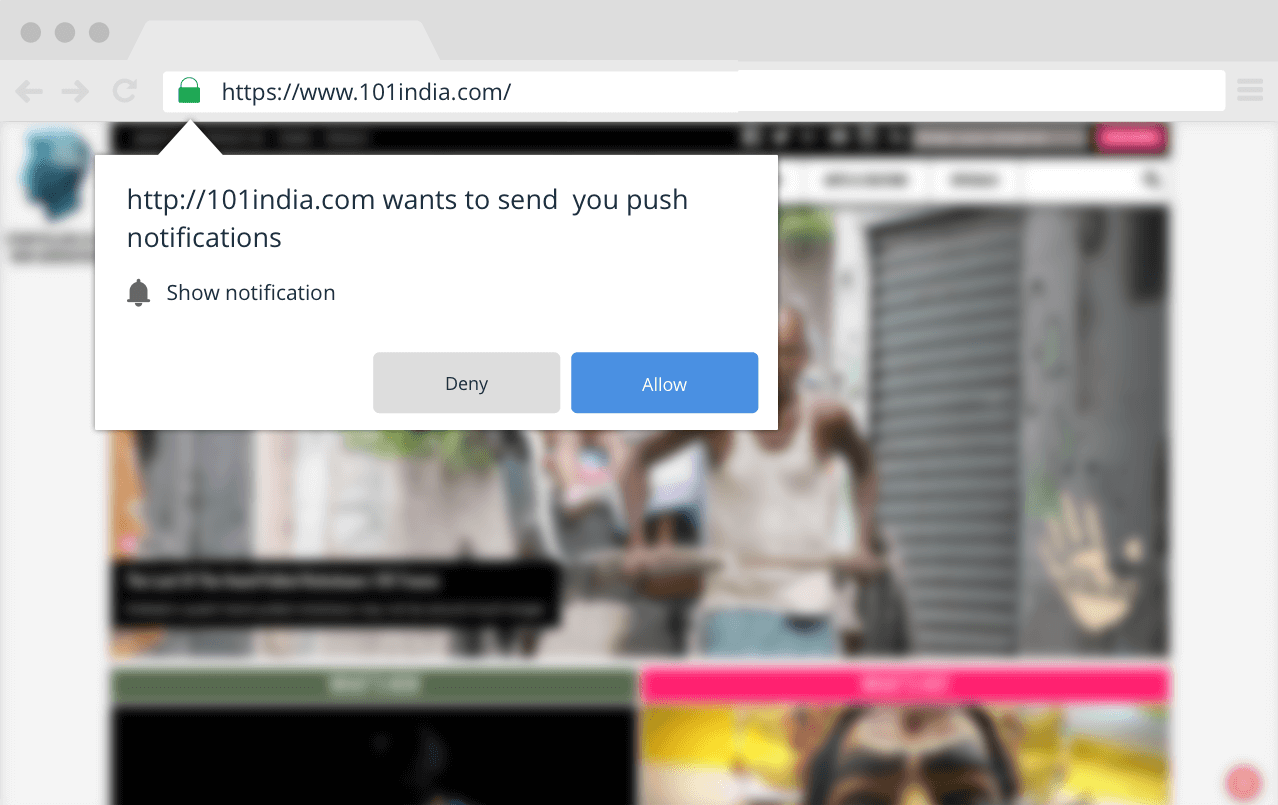
Once they click “Allow,” you can send push notifications directly through your website. A desktop push notification typically consists of:
- Title: Serves as the headline of your notification.
- Message: Includes a brief description and/or a call to action.
- Accessibility: Remains visible on the desktop even when the browser is closed. Given the limited character count, ensure your message is concise and direct, avoiding any ambiguity. A clear message consistently yields higher click-through rates. While the character limit varies, you generally have between 40 to 120 characters, necessitating a concise and impactful message.
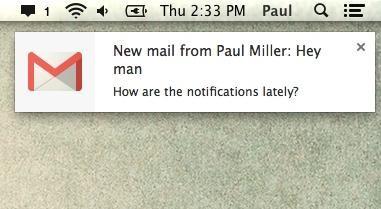
Image courtesy of The Verge Push notifications require user engagement for action. Therefore, segmentation and an understanding of your subscribers’ time zones are crucial. Experiment with different messaging based on the time of day. Frequency also plays a vital role. Excessive notifications will lead to frustration and unsubscribes. As a relatively new channel, optimal messaging timing data is still being gathered. Experiment and analyze your results to determine the most effective frequency for your audience. Click-through rate is the most critical metric to monitor. Low click-through rates indicate a need to optimize your message or adjust your timing. Finally, analyze how push notifications contribute to conversions. While they effectively capture attention, you need to measure their impact on sales.
3. Cultivate Advocacy Through Ambassador Programs
What’s better than a loyal customer? A customer who enthusiastically recommends your brand to their friends and followers. Ambassador programs are more than glorified referral programs. They reward customers for spreading the word about your business and products while also empowering them to create compelling content that amplifies your message. Lululemon exemplifies this with one of the best ambassador programs in retail. They showcase their advocates and empower them to share their brand message, rewarding their efforts with free products and merchandise tailored to their interests.
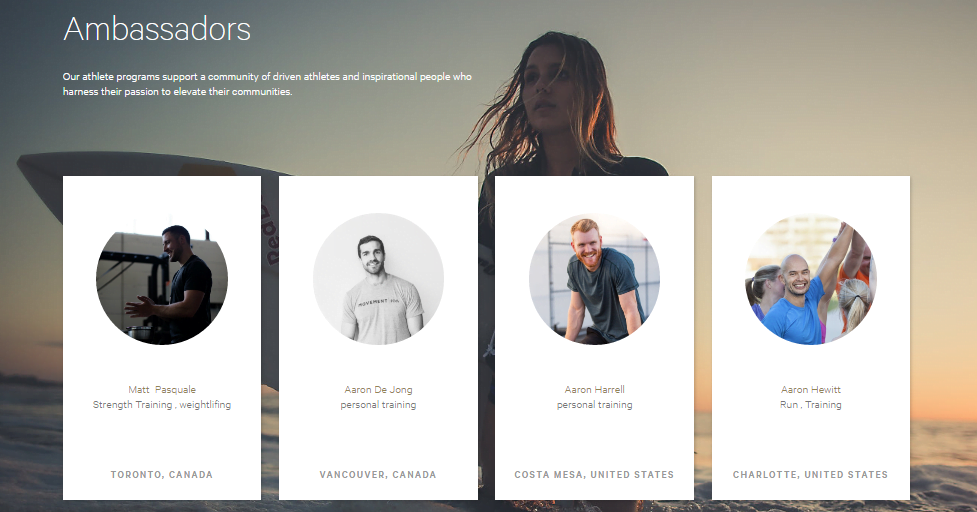
Start by identifying customers who are already mentioning your brand online. Use social media monitoring tools like Mention and BuzzSumo to track brand mentions and receive daily alerts. When structuring your ambassador program, consider how you can empower your ambassadors. Implement a referral system that rewards them for attracting new customers. Lululemon takes this further by hosting an annual summit for their ambassadors, fostering a sense of community and encouraging user-generated content creation. The key is to make your ambassadors feel valued. Empower them, personalize their experience, and offer gifts that align with their interests.
4. Elevate Your Strategy with Cross-Channel Remarketing
Remarketing is not a new concept for experienced marketers, but it is becoming increasingly sophisticated and multifaceted. For this article, we will focus on two prominent platforms: Google and Facebook Ads. Google AdWords and Display Network remarketing allow you to reach your target audience across the web. Your message can appear on any website utilizing Google’s Ad platform.

Example of a nexus-security remarketing ad This method is highly effective in re-engaging users who abandoned their carts or browsed specific product pages. You can even customize the messaging based on their stage in the sales funnel, tailoring it for cart abandonments or specific product views. Consider these best practices for Google Remarketing:
- Tag all pages: This allows for granular control over message targeting based on user behavior.
- Utilize dynamic lists: Similar to email marketing, segment your audience based on product pages visited, cart abandonment, demographics, and other relevant factors.
- Set exclusions: Instead of targeting everyone, refine your audience to focus on specific segments, such as those who haven’t made a purchase yet.
- Employ contextual targeting: Target users based on their interests, demographics, and other characteristics, similar to dynamic lists.
- Analyze audience response: Avoid overwhelming your audience with messages. Determine the optimal number of impressions that lead to a good click-through rate. Facebook offers its own remarketing capabilities. The Facebook Ads platform allows you to retarget your audience using the Custom Audiences feature. You have three options:
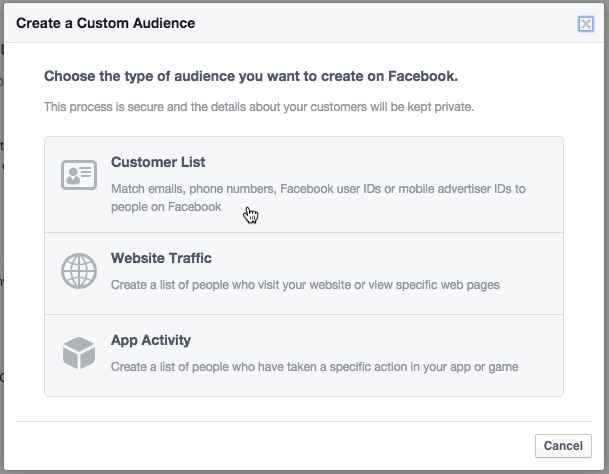
- Customer List: Deliver personalized ads to an existing contact list by uploading email addresses, phone numbers, or Facebook IDs. Leverage your CRM data to segment customers based on their position in the sales funnel.
- Website Traffic: Similar to Google Remarketing, install the Facebook Pixel on all your website pages. This enables you to display ads to your website visitors directly on their Facebook newsfeed.
- App Activity: Target users of your mobile app with relevant ads based on their in-app behavior. Address cart abandonment or re-engage users who haven’t opened your app recently. Facebook users click on over 22 billion ads annually. Furthermore, Facebook remarketing boasts three times higher engagement rates compared to regular Facebook ads.
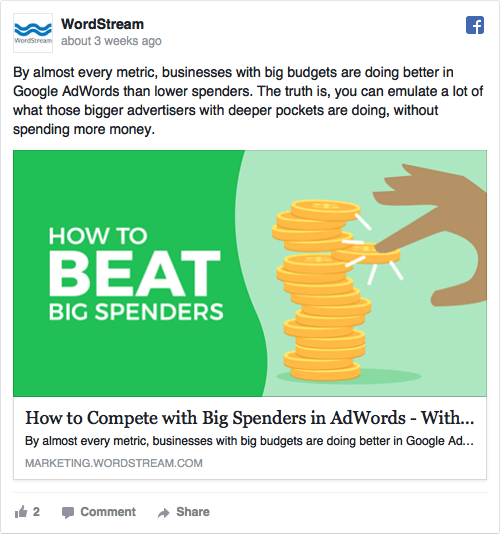
Convinced? Here are some best practices for your Facebook remarketing campaigns:
- Remarket to your Facebook page followers: Keep your existing audience engaged by promoting your Facebook posts to ensure visibility.
- Align ad duration with your goals: Avoid bombarding your audience with the same message repeatedly. However, for time-sensitive offers, a more aggressive approach might be beneficial.
- Promote your Facebook page: Expand your follower base by promoting your page to past website visitors. Users who have already interacted with your brand are more likely to convert into followers.
- Discover new customers with lookalike audiences: Expand your reach by targeting users with similar demographics, interests, and characteristics as your existing customer base. As of March 2017, Facebook has 1.86 billion monthly active users. Combine this with the expansive reach of Google’s Display Network, and you have a powerful platform to maintain top-of-mind awareness with your target audience.
5. Implement a Subscription Model
Subscription businesses are steadily gaining popularity, taking the convenience of ecommerce a step further by eliminating the need for repetitive shopping. Subscription boxes curate products around specific interests and niches, delivering them in monthly packages. This model is currently the most popular form of ecommerce subscription, followed closely by “subscribe and save” deals. Hitwise Retail 500 highlights the remarkable growth of subscription box websites, with visits surging from 722,000 in 2013 to 21.4 million in 2016. This model’s popularity is undeniable. Integrating a subscription model into your business offers several advantages:
- Predictable revenue: Customer lifetime value (LTV) becomes not only easier to optimize but also simpler to calculate, allowing for accurate budgeting of customer acquisition costs.
- Reduced decision fatigue: Subscription boxes combat analysis paralysis, a common issue for consumers, by presenting a curated selection of products.
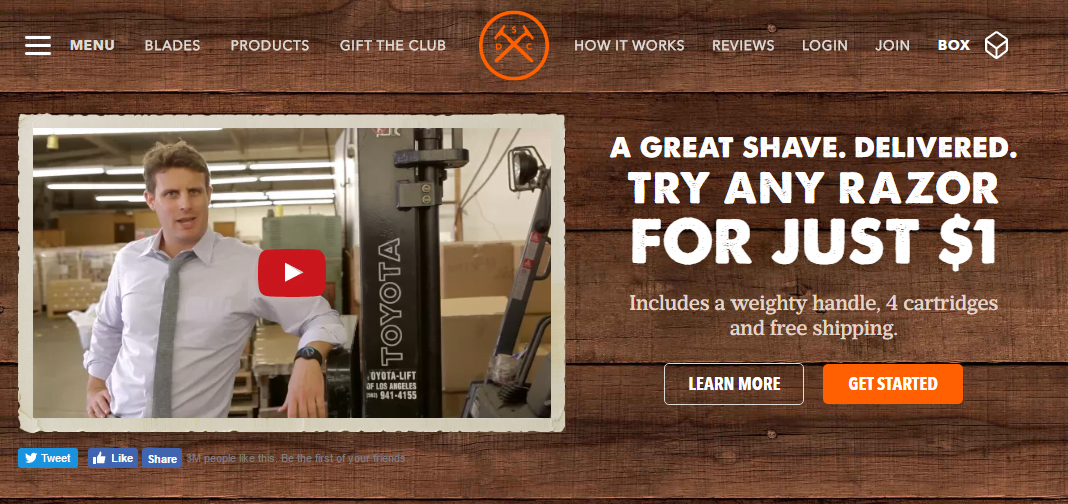
- Improved inventory control: Accurate stock forecasting based on subscriber numbers minimizes the risk of excess inventory. This model can be adapted to various niches. Dollar Shave Club is a prime example, renowned for its viral launch video, affordable razors, and attractive incentives.
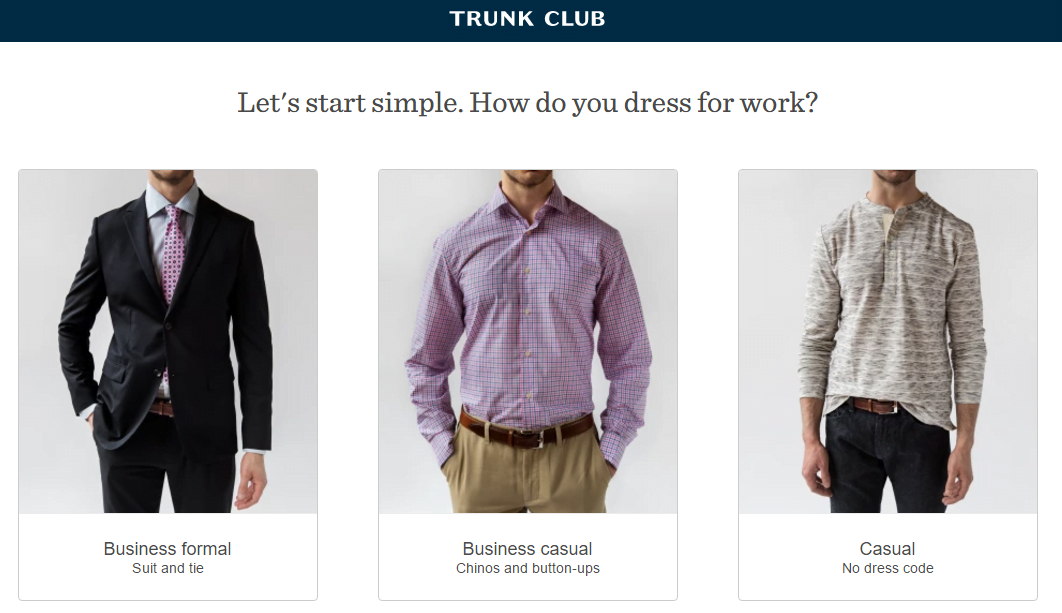
Trunk Club caters to men’s fashion, providing personalized style advice and delivering curated clothing selections tailored to their preferences. Customers can try on the clothes, keep what they like, and return the rest. Initially requiring customers to visit their physical locations, Trunk Club successfully pivoted to a subscription model, differentiating themselves by offering practical style advice alongside their ecommerce platform.
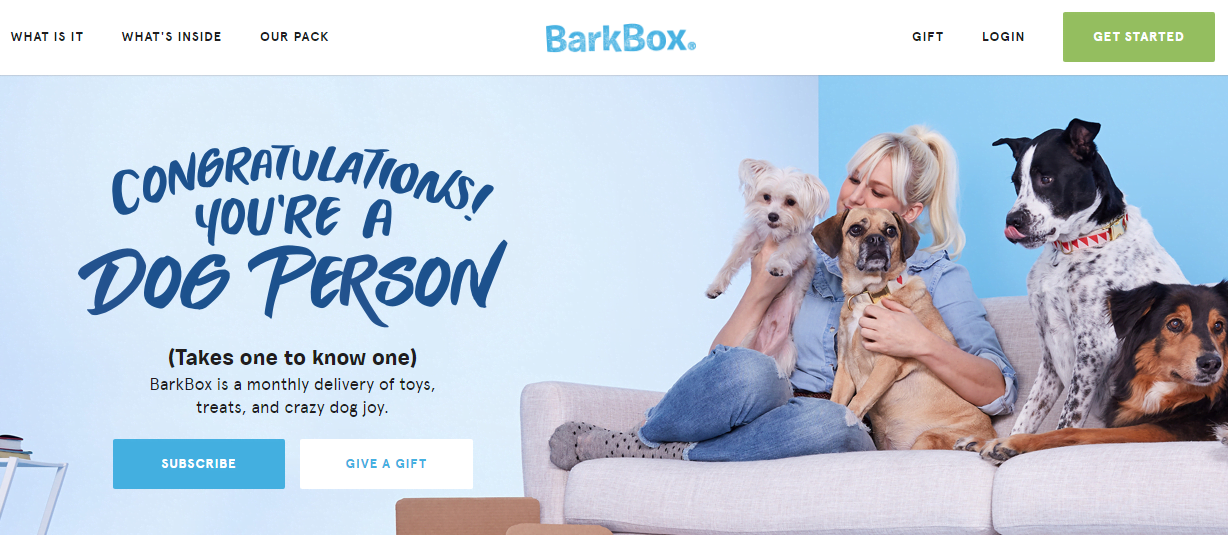
BarkBox caters to dog lovers, delivering monthly care packages filled with toys, healthy treats, and other goodies. Their satisfaction guarantee allows customers to return any unwanted items.
Whether you aim to simplify your product offerings or establish a recurring revenue stream, a subscription model is worth considering. With numerous options available, customer retention becomes increasingly challenging. The key is to position your brand as the clear and preferred choice for your target market. What strategies are you currently implementing to cultivate customer loyalty?