Everyone understands the difficulties presented by the COVID-19 pandemic and the economic consequences that followed. For those involved in online advertising, this has resulted in adapting to new search behaviors, altered performance expectations, and, in many instances, budget constraints.
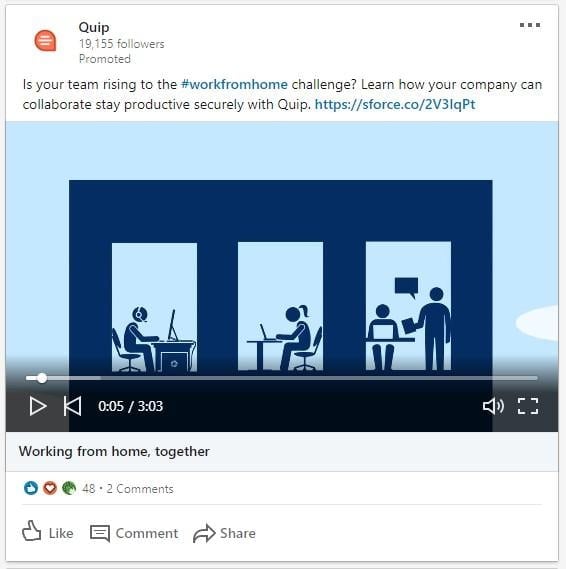
While your advertising efforts don’t have to cease entirely, adjustments are necessary, and that includes LinkedIn. If you’re maintaining LinkedIn Ads campaigns during COVID-19 but require assistance in optimizing their impact, consider these five strategies:
- Shift from a purely sales-focused approach.
- Exercise caution in audience building.
- Utilize LinkedIn’s retargeting capabilities.
- Maintain a comprehensive full-funnel marketing strategy.
- Prioritize communication with your customer base.
1. Shift from a purely sales-focused approach.
LinkedIn advertising’s primary advantage lies in its precise business targeting capabilities. Advertisers utilize this to deliver compelling sales messages to the appropriate individuals within specific companies, industries, or geographical locations. However, the COVID-19 pandemic has disrupted conventional norms.

With a significant number of individuals operating in unconventional work settings, their receptiveness to direct sales pitches has diminished. The optimal strategy now involves transitioning into a supportive and/or informative role. Instead of pushing for immediate sales calls, provide valuable content or access to resources that can assist them during these times. I’ve observed clients successfully implement this by developing new content, hosting webinars, conducting town halls, and more to provide their customers with much-needed support. It’s important to acknowledge that immediate returns on these efforts might not be apparent, if at all. Some individuals might take advantage of the free assistance without ever becoming paying customers. However, there’s a significant portion who will remember your support during a challenging period. They’ll perceive you as a reliable source of knowledge, and when they’re prepared to enhance their business, they’ll not only be familiar with your brand but also hold a positive perception of it. To maintain contact with these users, it’s crucial to develop diverse audiences for future retargeting campaigns. However, this presents its own set of obstacles, which we’ll delve into now.
2. Exercise caution in audience building.
Even in these unusual times, audience building remains a valuable strategy, but it’s essential to acknowledge the challenges that need to be addressed. Firstly, with a significant portion of the workforce operating remotely, there’s a potential increase (or at least a variation) in the devices used for work purposes. Let’s take my mother as an example. While she typically works on a computer at her office, she’s currently working remotely. Although still using a computer, it’s a new device provided by her company to remote employees to ensure system security. This shift in behavior has implications for cookie-based audiences:
- My mother is no longer targeted by audiences associated with her work computer because she’s no longer using that device.
- The new audiences she’s engaging with might not be as relevant in a few weeks when she returns to the office and resumes work on her original machine. While this change in behavior won’t last indefinitely, it won’t disappear overnight either. It’s crucial to adapt your approach to audience utilization accordingly. Consider these potential adjustments:
- On platforms other than LinkedIn, experiment with shorter or longer cookie windows when creating audiences to effectively engage with users based on their website interaction patterns.
- To maintain accurate analytics and prevent unintentional inclusion in your audiences, request employees to share their IP addresses.
- Utilize gating strategies by requesting email addresses in exchange for access to resources, enabling you to build custom audiences for upload to various platforms (more on this later). While audiences remain valuable, their effectiveness might not be as guaranteed as before. However, numerous applications still exist, which we’ll explore next. Did you know that LinkedIn allows you to segment your paid traffic based on factors like job function, company, company size, and more? If you find this intriguing, the LinkedIn Website Demographics feature is poised to become an indispensable tool for you.
3. Utilize LinkedIn’s retargeting capabilities.
This might seem self-evident, but if you’re familiar with my work, you know I’m generally not an advocate of running retargeting ads on LinkedIn. In fact, I tend to steer you away from them. Given that the platform already commands premium CPCs, why incur those costs twice when you can prospect on LinkedIn and subsequently retarget on more cost-effective platforms like Facebook and Google? However, this might be the opportune time to temporarily suspend or modify that strategy by incorporating some LinkedIn retargeting. Due to the aforementioned audience-related issues and creation challenges, achieving accurate cross-platform retargeting might be difficult. If you’re maintaining a full-funnel marketing approach (which I recommend—more on this next), it’s logical to maintain consistency across all channels to ensure optimal coverage and minimize the risk of missing potential customers. Create audiences across all platforms, including LinkedIn, and implement retargeting strategies to the best of your ability on each channel. Once normalcy returns to workplaces, it might be prudent to reassess LinkedIn retargeting limitations, but for now, I believe it’s a viable tactic.
4. Maintain a comprehensive full-funnel marketing strategy.
It’s easy to assume that all B2B buying processes have come to a halt during these times, but that’s not necessarily true. Some companies are seeing companies progress through the buying process at an accelerated pace.
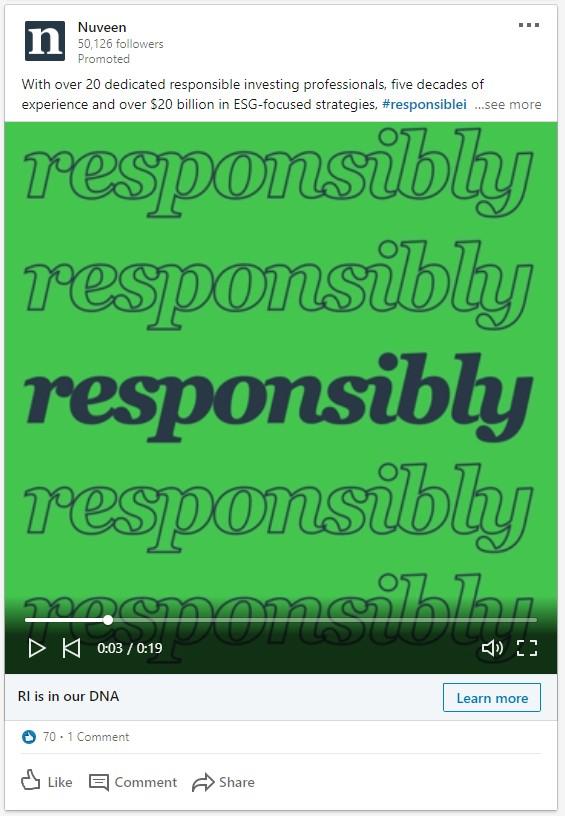
While it’s essential to move away from aggressive selling in advertising campaigns, we should continue nurturing leads as we’ve done previously. Adjustments to specific nurture cadences and touchpoints might be necessary, but avoid abandoning the nurture cycle entirely. Companies remain open to making purchases during the COVID-19 pandemic; however, the process might deviate from the norm. Continue leveraging sales teams for follow-ups and utilize retargeting campaigns to influence buying decisions. On LinkedIn, this could translate into any of the following touchpoints:
LinkedIn lead generation ads
Experiment with lead generation ads as a follow-up conversion action. These ads can be used to promote sales calls, offer additional content touchpoints, or even encourage newsletter sign-ups. The objective is to maintain user engagement with your brand while minimizing friction, ensuring they’re primed for the next step when they’re ready.
Sponsored InMail
The underlying principle here mirrors that of lead generation ads, but InMail should be reserved for exceptional offers.
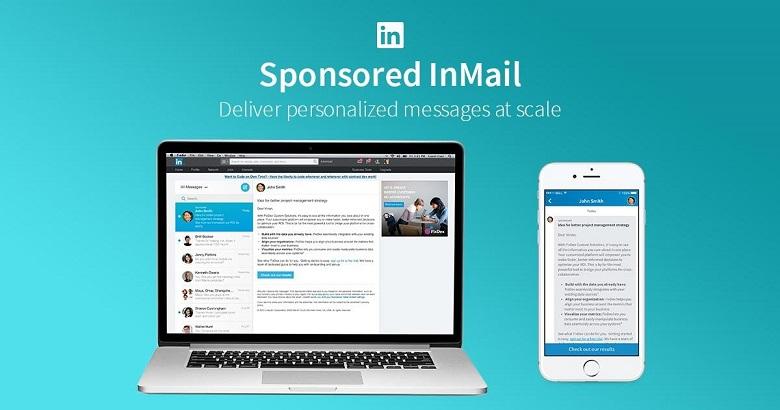
Since many users perceive InMail as intrusive, ensure that the offer you present justifies the interruption. Consider what unique value proposition you can provide that isn’t available elsewhere. Could it be a substantial discount or complimentary onboarding? As long as the offer is genuinely valuable and distinctive, it’s worth exploring.
LinkedIn video ads
For a more subtle approach, video ads can effectively re-engage your target audience and convey your message in a controlled manner. If you possess video assets, now is an opportune time to leverage them as a soft touchpoint within your audience’s LinkedIn feeds to maintain brand visibility.
5. Communicate with your customers
Regardless of the specific stage of the buyer funnel, prioritize clear and consistent communication with your customers regarding your expectations. Provide clarity on anticipated follow-up procedures, if any. Ensure that your ad copy accurately reflects your ability to follow up. Update your website copy to provide transparency regarding your availability.
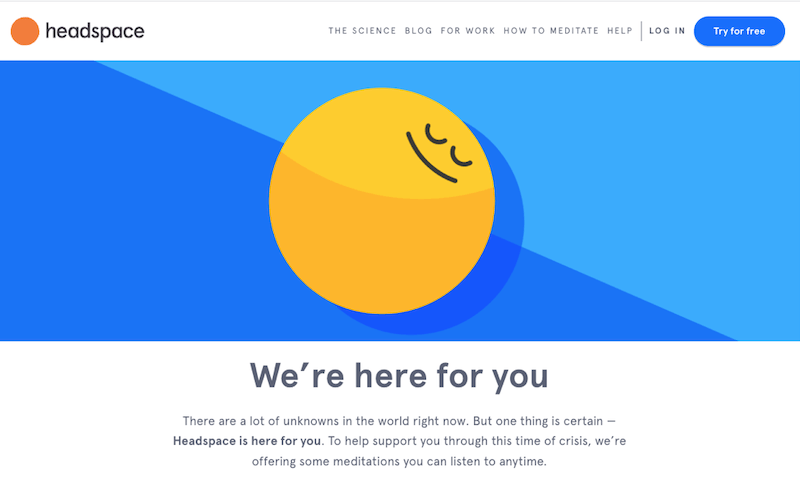
If you lack dedicated development resources, consider utilizing this new tool from Google Optimize to seamlessly incorporate a banner into your website. In these uncertain times, it’s crucial to eliminate any doubts your customers might have about your company and its ability to assist them.
Review and adjust your LinkedIn advertising during COVID-19
While you might not be ready to increase your ad spending significantly, that doesn’t necessitate halting your campaigns altogether. Adapt your LinkedIn campaigns to ensure their continued relevance and effectiveness during the COVID-19 pandemic. Carefully consider your brand positioning. Shift from a solely sales-driven approach, but don’t abandon sales efforts entirely. Prioritize providing valuable and informative content, strategically capture audience data when possible, and leverage your touchpoints effectively across all channels.