Search marketing professionals know the thrill of crafting what they believe to be the ultimate ad. A catchy headline, an enticing call to action, and a perfect match between keywords and ad text can make us feel like we’ve created a miniature masterpiece. While data eventually reveals the true effectiveness of our creations, the sense of pride in crafting these textual snippets persists.

This feeling of accomplishment partly explains why some search marketers are skeptical about Google’s Responsive Search Ads (RSAs). Unlike manually crafted ads, RSAs are built differently. This post will delve into everything you need to know about responsive search ads, including their functionality, advantages, and five strategies to maximize your return on investment. Note: This information is crucial as RSAs will become the sole dynamic search ad format available after June 30, 2022. More insights are available here!
How Responsive Search Ads Function
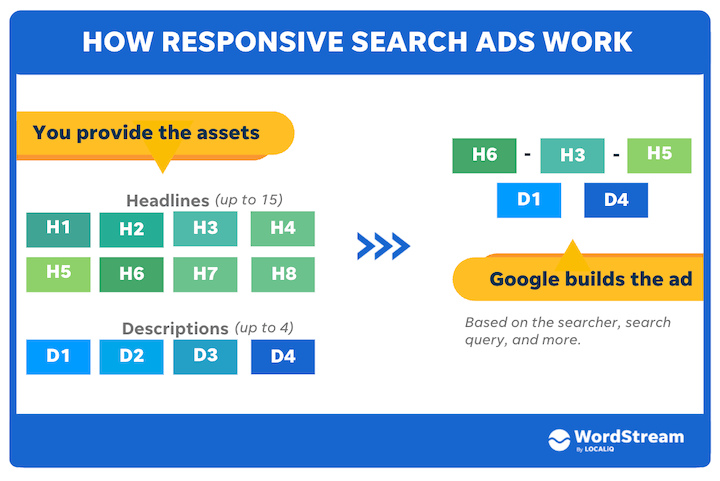
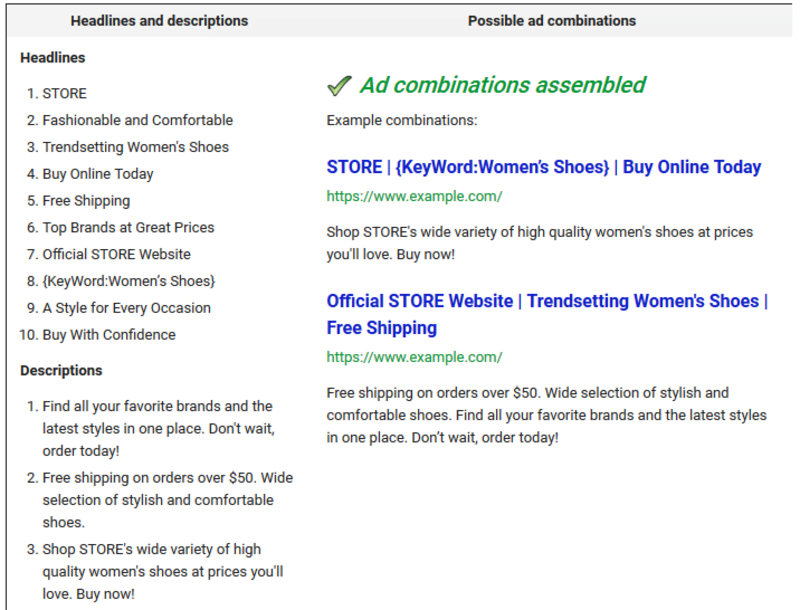
Instead of meticulously designing a “perfect” ad, RSAs function like a construction kit. Advertisers provide the components (2-15 headlines and 2-4 descriptions), and Google dynamically assembles them. This happens during each auction, tailoring the ad to the user’s search query, history, and potentially other proprietary data. Google’s algorithms use this information to anticipate what might encourage clicks and, ideally, conversions.
Advantages of Responsive Search Ads
The power of RSAs lies in their adaptability. While traditional search ads appeal to a preconceived audience, RSAs can engage a broader spectrum of users by tailoring the message to their specific needs. The results can be impressive. In a five-month test across 500 accounts, RSAs achieved 243% more impressions per ad and a 5% higher conversion rate compared to standard ads. Each auction becomes a competition where the optimal headline and description combination wins, potentially enhancing ad rank and visibility. However, simply stuffing RSAs with recycled content is ineffective and potentially detrimental. Without considering how each element caters to diverse user needs, you risk creating a disjointed and unappealing ad. However, crafting effective RSAs doesn’t have to be a dull process. With strategic planning, they can be just as artful as traditional ads.

Maximizing ROI with Responsive Search Ads
To fully leverage RSA campaigns, attention to detail is key. While aiming for a wider reach, carefully crafted ad copy ensures versatility and effectiveness across variations. Employ these five strategies to create high-quality RSA campaigns, unlock their full potential, and gain valuable performance insights. Discover more strategies to maximize your Google Ads ROI with our Free Google Ads Performance Grader!
1. Targeting Diverse Searchers
Even within a niche market, your audience has varied interests and motivations. Some prioritize value, others quality. Some seek quick solutions, while others focus on ethical sourcing. Most have multiple considerations.

A single ad can’t address all needs, but a well-crafted RSA can. By incorporating diverse headlines and descriptions, it caters to a wider range of interests. To achieve this, consider three distinct customer profiles (A, B, and C) and their unique needs. Then, draft compelling headlines addressing these questions for each:
- What product or service are you promoting?
- What are its key selling points?
- What calls to action resonate most?
- Are there unique offers, prices, or discounts? Addressing these questions for three customer profiles provides 12 out of your maximum 15 headlines.
2. Diversifying Ad Copy
Addressing diverse needs necessitates avoiding redundancy. Don’t overload headlines with calls to action that clash:

This example illustrates the pitfall of transplanting headlines from multiple standard ads into an RSA. Effective standard ads rely on carefully ordered headlines and descriptions for persuasiveness. However, presenting multiple calls to action without context creates a nonsensical message. Instead, focus on complementary ad copy with distinct value propositions. The challenge lies in crafting elements that function independently, ensuring a cohesive and compelling ad regardless of the combination.

To ensure a specific headline or description always appears, utilize the “pin” feature. However, maintain a separate fully responsive ad for performance comparison. For further assistance, utilize our comprehensive responsive search ad copy template.
3. Leveraging Google’s Ad Strength Tool
Beyond your own judgment, utilize Google’s ad strength tool to assess your ad’s effectiveness. Access it by selecting “edit” on any RSA in Google Ads.

The tool considers factors like the number of headlines and descriptions, word variety, and keyword relevance. It even suggests additions based on your existing assets. While not the ultimate judge of persuasiveness, it offers valuable insights for ad creation.
4. Adapting KPIs for Increased Impressions
Ultimately, the success of RSAs lies in their outcomes. If they effectively match queries and reach a wider audience, expect increased impressions compared to standard ads. This might require adjusting KPIs, particularly click-through rates (CTR). For instance, my study revealed that RSAs generated 283% more impressions but a 5% lower CTR than standard ads. However, the higher conversion rate on clicks compensated for the lower CTR, ultimately driving more conversions and delivering better results.
5. Using Effective Combinations for New Standard Ads
Despite the benefits of RSAs, don’t abandon your existing ad copy. Effective headline and description pairings in standard ads still hold value. However, running RSAs alongside them provides a broader reach and valuable insights. Think of RSA data as a testing ground for optimal ad copy arrangements. In one instance, an RSA revealed that reversing the typical headline order and using a different description significantly boosted engagement. This led to creating a new standard ad mimicking the combination, resulting in further improvements.
Embrace RSAs for Enhanced ROI
I hope this has convinced you to explore responsive search ads. If you’re still hesitant, explore Google’s resources on RSAs, including video tutorials and their own best practices guide. They also provide in-depth technical information in an overview page on the ad format.