Information is a powerful tool in marketing, allowing for the creation of efficient and consistent processes. The ideal scenario for marketers is to have campaigns running smoothly on their own, freeing up time for creative tasks like testing and refining strategies. However, the challenge lies in the fact that many marketers lack the necessary skills to work effectively with data. They might not have a background in statistics, access to data visualization tools, or the analytical experience to identify misleading metrics. The good news is that this is a common challenge, and everyone is learning and adapting together.
With various data sources available, how can marketers feel confident in their targeting and optimization decisions? Learning from shared experiences and developing best practices is key. Here are 5 data-driven marketing strategies to learn from and implement in your campaigns.
Data-Driven Marketing Strategy #1: Integrate demographic data into campaign planning
Outcome: Enhanced context in targeting
Imagine trying to promote a new product to your largest customer segment. While you might have internal data on their user behavior, some details, like weather or their spending habits and income, could be missing. Public datasets can help fill these gaps. Take GreenPal, a company that compares itself to “Uber for Lawn Care,” as an example.

They ran an AdWords campaign targeting the entire metro Nashville area with the headline “Local Lawn Pros in Nashville are a click away.” Bryan Clayton, GreenPal’s founder and CEO, considered the ad’s performance decent, boasting a click-through rate over 1% and a conversion rate exceeding 10% on their Nashville landing page. However, they sought improvement. Clayton recalls, “We wondered, how can we make this more relatable and relevant to the viewer? So we examined census data, focusing on average income and home values across Nashville.” They discovered that East Nashville, a growing neighborhood, had a more price-conscious demographic. Clayton explains, “We isolated those zip codes and ran a targeted ad with the headline ‘The Cheapest Lawn Mowing in Nashville. Lawn mowing from $20,’ along with a matching landing page. After a month, on-page analytics confirmed our hypothesis, showing over 200% increase in click-through rate and a 30% increase in on-page conversion.”

Data-Driven Marketing Strategy #2: Leverage trends from one marketing channel to inform another
Outcome: Start new campaigns with valuable insights
Testing new marketing channels can be daunting, especially when existing ones yield positive results. Starting from scratch with limited marketing experience and budget constraints can make this even riskier. Here’s how Hiresquare, a gig marketplace, addresses this, according to founder Rick Vugts: “We utilize data for marketing on our site in several ways. We use PPC data to enhance our web copy for SEO. While keyword tools exist, they are estimations. By briefly running a PPC campaign, we gain insights into actual search volume and uncover keyword combinations through the keyword query report.”
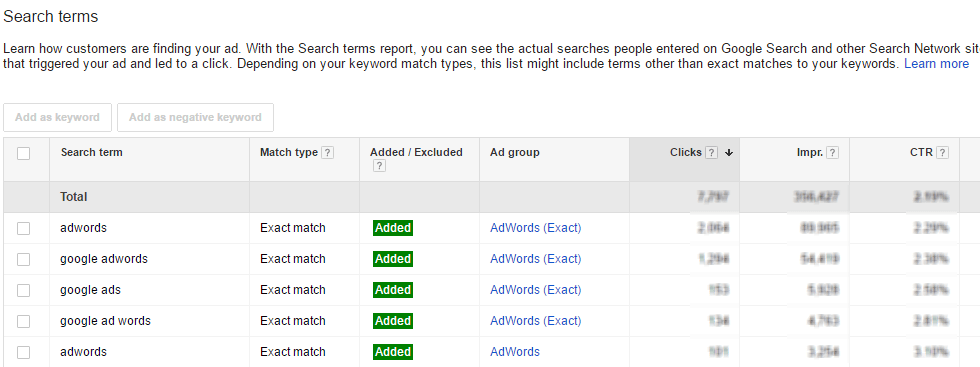
Vugts further explains that PPC campaign data helps determine keyword placement within the funnel, revealing commercial intent. “During the PPC campaign, we also analyze the conversion rate of those keywords, coupled with the landing page. This provides a more accurate assessment of their value.” Remember that real people with their own perspectives and values are on the other side of the screen. Data helps maintain that human connection in marketing. Another example? Use insights from your content marketing data to inform your PPC ads.
Data-Driven Marketing Strategy #3: Break down success measurement into smaller steps
Outcome: Simplify problem diagnosis and trend explanation
Online buying cycles were once straightforward, but they have become more complex. as Think with Google points out Your marketing campaigns might not be the deciding factor but rather one touchpoint in the customer journey.
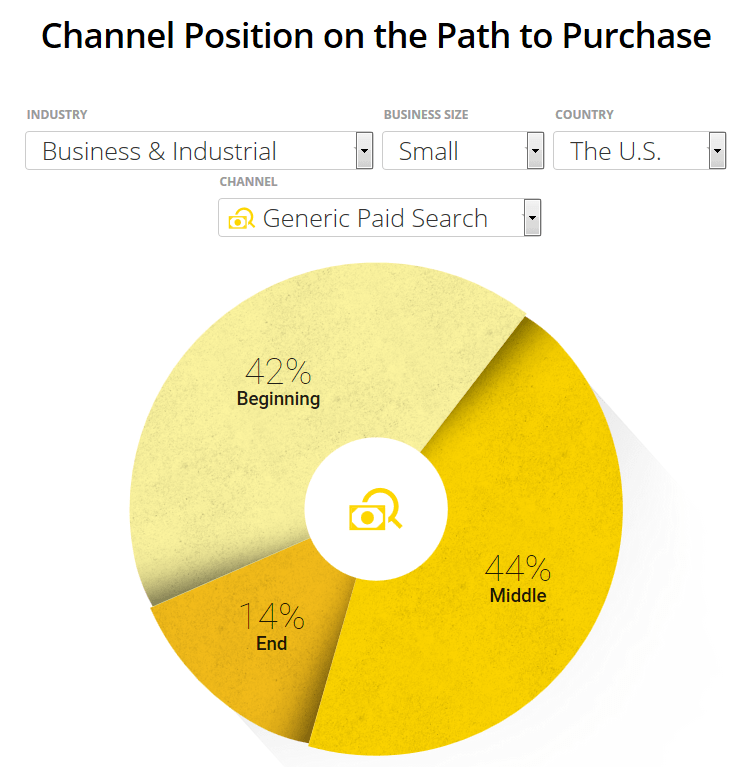
Ivan Dimitrov, digital marketing manager for file security product pCloud, shares his experience: “When we introduced a new feature, I launched an advertising campaign. After a month, I started optimizing by creating a funnel to track user journeys. It’s always unique.” With limited resources, how can Dimitrov effectively prioritize strategic marketing investments? “I noticed a significant drop-off at a particular step,” Dimitrov says. He streamlined the conversion path by reducing the number of steps users had to take. “We found a way to bypass the problematic step, and the results exceeded our expectations,” says Dimitrov. “The following week saw a 135% increase in conversion rate and a 124% increase in conversions, all while using 6% less of the weekly budget.”
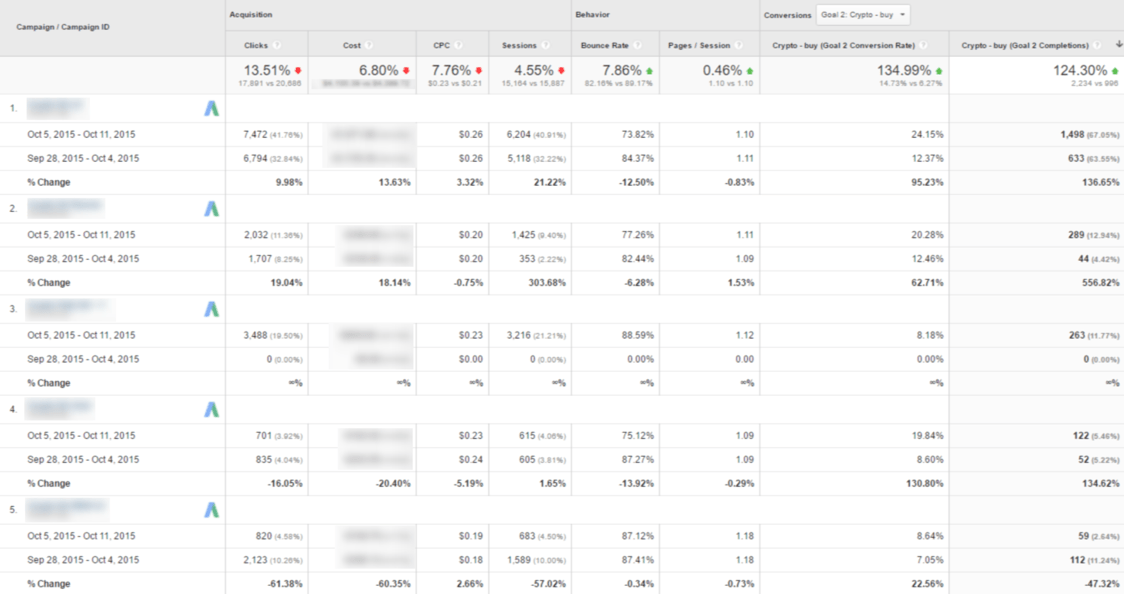
This highlights the constant potential for optimization and improvement, with data facilitating a continuous process.
Data-Driven Marketing Strategy #4: Utilize PPC to enhance your email list
Outcome: Boost message visibility and engagement
Year after year, studies confirm that email marketing delivers the highest ROI. So why not amplify your most effective marketing channels with additional touchpoints?
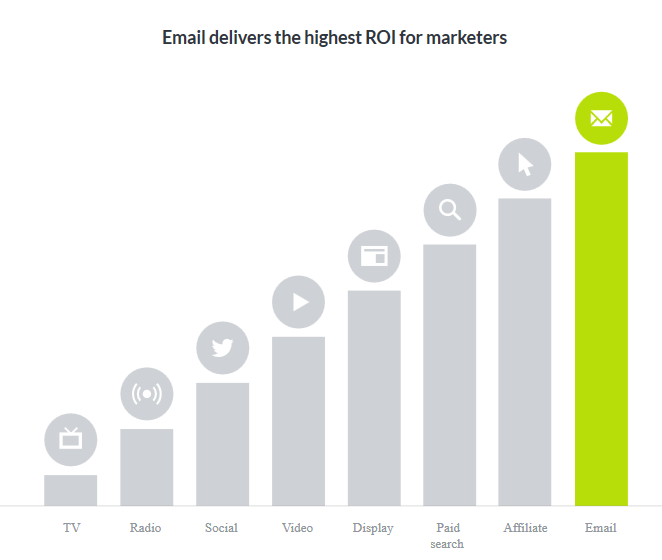
Image via Campaign Monitor “There are a couple of interesting strategies here,” shares Jennie Holmes, digital strategist at eLearning platform Generate Solutions. “While targeting non-openers is an option, a more effective use of time would be to create customized Facebook campaigns that follow up on clicked links. This approach is more targeted than using tracking pixels, allowing you to focus on audience interests.”
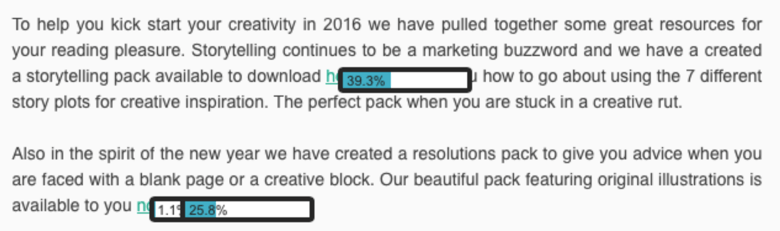
Holmes also recommends incorporating 3rd party event data as custom audiences for platforms like Facebook and Twitter.
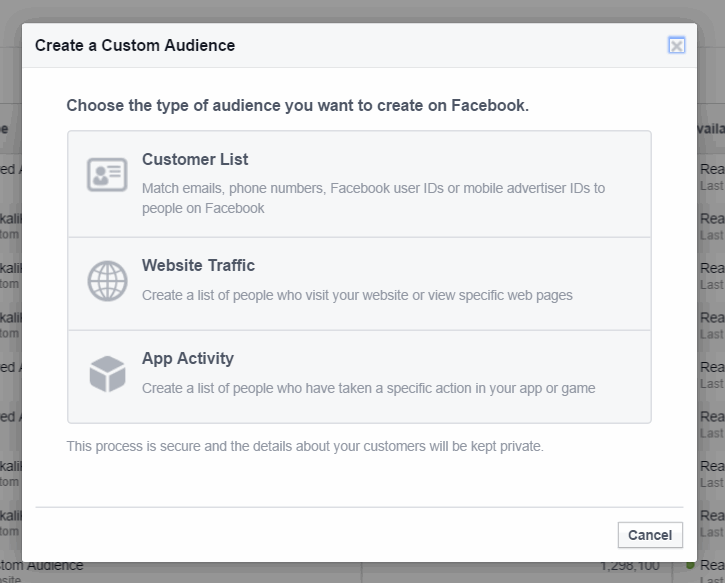
“These platforms will match email addresses, enabling targeted messages to your audience,” says Holmes. “It’s surprising that companies still rely solely on mass emails to 3rd party lists instead of leveraging social media matching. Once your custom audience is set up, you have further segmentation options like targeting ads based on job titles or locations.” Data helps you focus on your most promising segments, allowing for deeper engagement instead of spreading resources too thin. Learn more about using Facebook custom audiences.
Data-Driven Marketing Strategy #5: Analyze the influence of industry shifts on your campaigns
Outcome: Respond to changes with agility and effectiveness
When Google AdWords removed right-side ads from search results in February 2016, it caused a stir.
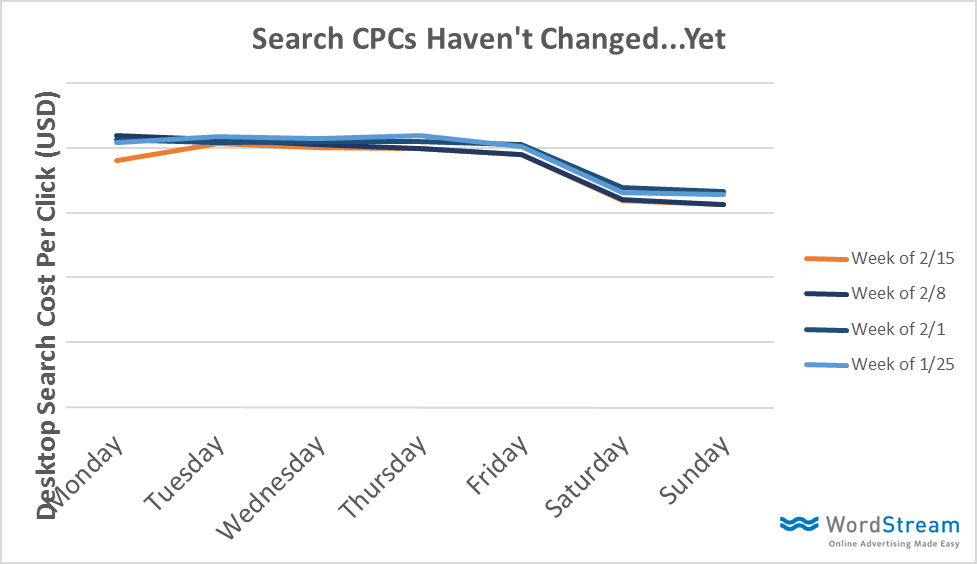
“Panic ensued,” remembers Diana Lopez, digital marketing manager at ePageCity. “You see studies claiming everything is fine, CPC remains stable, lower positions are performing better, and advertiser space is relatively unaffected, with Google reporting a mere 6% impact on queries. But how did it affect YOU?” Lopez advocates for a problem-solving approach, suggesting the following data-driven steps, illustrated through her experience with the Google Ads change:
- Analyze your CPCs, CTRs, and average positions from 30-60 days before and after the change. Identify any noteworthy patterns.
- Examine your advertising dashboard for significant changes within that timeframe. Were there fluctuations in the number of advertisers? Did competition impact your costs per click and conversions? Look for any unusual occurrences.
- Review your top-performing elements to detect any shifts. Be prepared to adapt quickly.
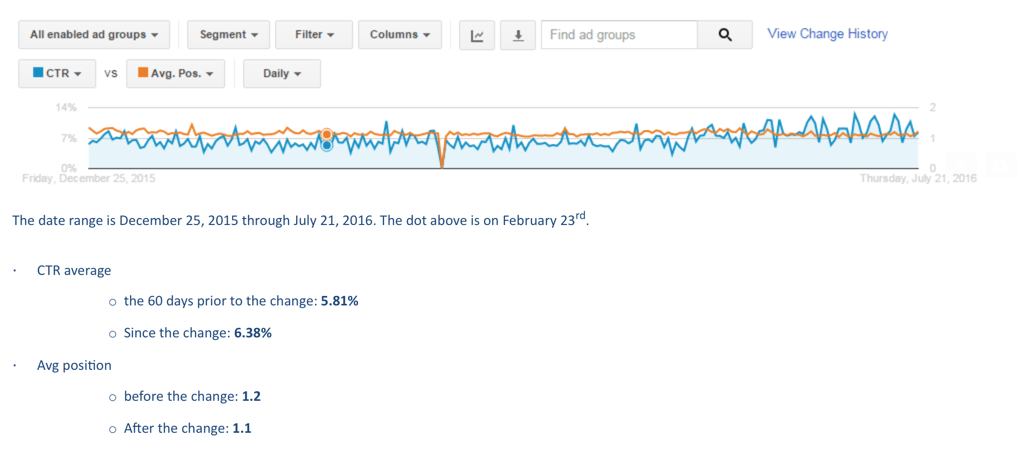
“Generate a top vs. side report,” recommends Lopez. “To determine the best-converting spot and the viability of bidding on bottom positions, navigate to Google reports and add ’top vs. side’ as the primary column. Include metrics like conversions, average position, clicks, CPC, conversion rate, impressions, and CTR. This comprehensive data set will guide your strategy.”
Final Thoughts
Data, when used strategically, can revolutionize your marketing efforts. However, it’s not about waiting for a clear story and action plan to magically appear. Take the time to delve into the trends, explore possibilities, and devise creative ways to enhance your campaigns with additional touchpoints. These five strategies serve as starting points for brainstorming your own data-driven marketing campaigns.