Much of the marketing world is still preoccupied with understanding millennials, but their time in the spotlight is fading. A new generation demands attention: Generation Z. While millennials and Gen Z may appear similar on the surface, marketers need to recognize the nuanced differences between them.
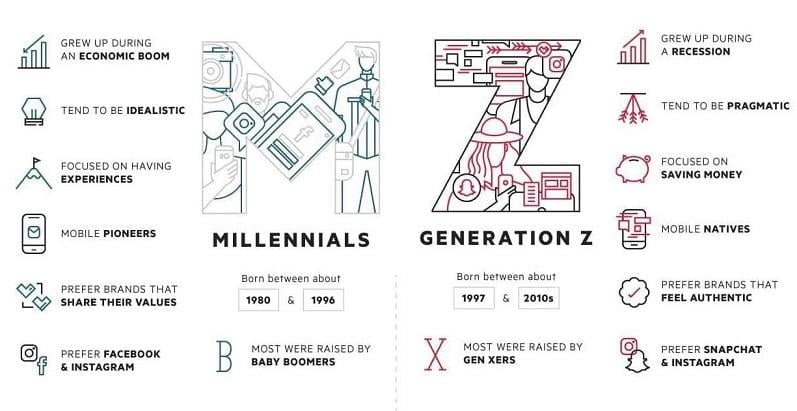
Image Source Successfully engaging this emerging demographic requires a tailored approach. Here are five key strategies to adapt your digital marketing for Generation Z:
- Focus on experiences, not just products
- Prioritize video content
- Rethink large-scale influencer campaigns
- Actively engage with customers
- Emphasize your commitment to data privacy
Understanding Generation Z
Before diving into strategy, it’s crucial to understand who Gen Z is. Here are some defining characteristics and statistics: Generation Z, also known as the iGeneration, encompasses individuals born from 1995 to the mid-2000s, representing 32% of the global population of the population. Growing up surrounded by mobile devices and the internet, their digital fluency surpasses that of millennials. Gen Z possesses an attention span of just eight seconds—four seconds shorter than millennials. This highlights the importance of capturing their interest instantly or risking being overlooked. If Generation Z is your target demographic, consider these five strategies to boost brand awareness, generate leads, and increase sales.
1. Emphasize Experiences Over Products
Gen Z is highly discerning and resistant to traditional hard-sell tactics. They’ve grown up with the internet and can easily identify and dismiss overt marketing ploys. Instead of focusing on product features, highlight how your product will benefit them and, more importantly, what experience it will provide. According to Mention, only 25% of what you sell is the tangible product; the remaining 75% is the intangible feeling or experience associated with it. Consider Brandy Melville as an example. Despite being an Italian brand, they’ve successfully cultivated a relaxed, Californian image, demonstrating their ability to effectively sell the experience associated with their clothing. While Brandy Melville’s clothes are affordable and stylish, the real reason behind their appeal to Gen Z lies in the aspirational all-American lifestyle projected across their marketing channels. Their Instagram, featuring models at the beach or on road trips, perfectly encapsulates this idea.

2. Leverage the Power of Video
Video content is paramount when targeting Gen Z. A Google Survey found that YouTube is Gen Z’s go-to platform for entertainment and mood elevation. Beyond entertainment, YouTube serves as a valuable resource for this generation. With 85% of teenagers actively using the platform, 80% use it for knowledge expansion and 68% for skill development. Others utilize it for stress relief or to enhance real-life connections, demonstrating the platform’s versatility. Given Gen Z’s engagement with YouTube, it presents an ideal opportunity to connect with them. However, executing your strategy effectively is crucial. Red Bull, with over 8 million subscribers on their YouTube channel, exemplifies successful video marketing. Their channel features various playlists, including the “Red Bull Travel Vlogs” series, where collaborations with vloggers produce captivating content showcasing adventurous activities worldwide.
This aligns perfectly with the principle of selling experiences, not just products. Red Bull’s videos rarely feature their product overtly, but subtly convey the message that consuming their products can empower viewers to pursue similar adventurous experiences. While YouTube is a primary channel, don’t neglect other platforms like Instagram, particularly Instagram Stories, and incorporate video content into your website as well.
3. Reconsider Large-Scale Influencer Campaigns
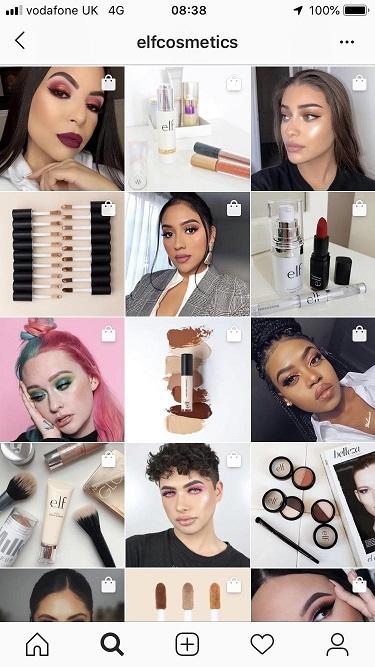
In 2018, projections indicated brands would spend $1.8 billion on Instagram influencers on influencer marketing, with over 14.5 million sponsored posts anticipated. The cost of these sponsored posts can range significantly, from £35 to £700,000, depending on the influencer’s reach and influence. While celebrities like Cristiano Ronaldo, Ariana Grande, and Selena Gomez top the influencer lists, collaborating with such high-profile figures is often impractical for most brands—and that’s not necessarily a disadvantage. For a more effective approach, consider partnering with micro-influencers. Micro-influencers, typically having a following between 1,000 and 100,000 on social media, often generate higher engagement rates than their celebrity counterparts because they feel more relatable to Gen Z. Stats show indicates that engagement levels decline as follower counts surpass 100,000. Micro-influencers boast higher drive 60% higher engagement and drive 22.2% more weekly conversions than influencers with larger followings. They also prove to be 6.7 times more cost-effective per engagement. Moreover, shift away from overly curated and staged Instagram content. Unlike millennials, who responded well to picture-perfect aesthetics, Gen Z are ditching brands and gravitate towards a more authentic and unfiltered aesthetic. e.l.f. Cosmetics exemplifies successful micro-influencer marketing through their “Beautyscape” campaign. These events connect influencers, allowing them to experiment with products, learn techniques, and share their experiences with their followers on Instagram.
4. Prioritize Customer Engagement
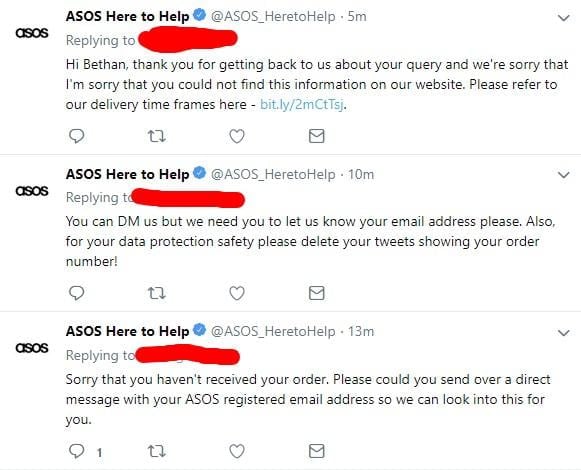
The significance of reviews in establishing brand trust is well-known, but it’s particularly crucial when targeting Generation Z. Research indicates that 76% of Gen Zers expect brands to address feedback, viewing responsiveness as a key indicator of brand authenticity. Furthermore, 41% of this generation consult at least five online reviews before making a purchase and are twice as likely to share positive feedback than negative—making review generation essential. However, obtaining reviews is just the first step—responding to them is equally important. For positive reviews, personalize your responses to demonstrate authenticity. Addressing negative feedback is equally critical. Acknowledge the issue and outline steps taken to resolve it, assuring readers of your commitment to customer satisfaction. Twitter remains a primary platform for complaints, and ASOS effectively manages this by establishing a dedicated customer service account. This allows them to address concerns promptly without cluttering their main brand account.
5. Transparency and Data Privacy are Key
Research from NGen reveals that a staggering 88% of Gen Z prioritize privacy protection. A survey by IBM found that less than a third of teenagers are comfortable sharing personal information online, beyond basic contact details and purchase history. Conversely, 61% express a willingness to share such information if they trust the brand’s commitment to data security. Therefore, when targeting Gen Z, prioritize transparency and clearly communicate your dedication to data protection. When requesting information, explain why it’s needed and emphasize how you ensure its security.
Cultivating Brand Loyalty Among Gen Z
While millennials and Gen Z share similarities, understanding their differences is vital for effective marketing. By adapting your digital marketing strategy to incorporate these insights, you can build trust and foster lasting loyalty with this influential generation.