Content marketers may joke about fearing heights or spiders, but the real nightmare is running out of content ideas.

Coming up with fresh content can be a real struggle, especially for those managing blogs with demanding publishing schedules in competitive fields. But drying up is not an option. So, how do we keep the ideas flowing?
This post will explore five methods to unearth writing inspiration, whether you’re crafting content for a large B2B blog or your personal Medium page. We’ll weigh the advantages and disadvantages of each, including common traps, and wrap up with general advice to generate ideas efficiently and with minimal pain.
1. Mine Competitive Intelligence Tools for Content Gold
Data-driven decisions are key, so let’s start with using competitive intelligence tools to formulate content ideas.

These tools are invaluable for content development because they quantify what works—specifically, which topics generate buzz and discussion.
Let’s use BuzzSumo as an example (though the concepts are applicable to other platforms). We’ll keep things platform-agnostic.
First, define your keyword or area of interest. For this case, we’ll examine content about… content marketing. (Meta, right?)
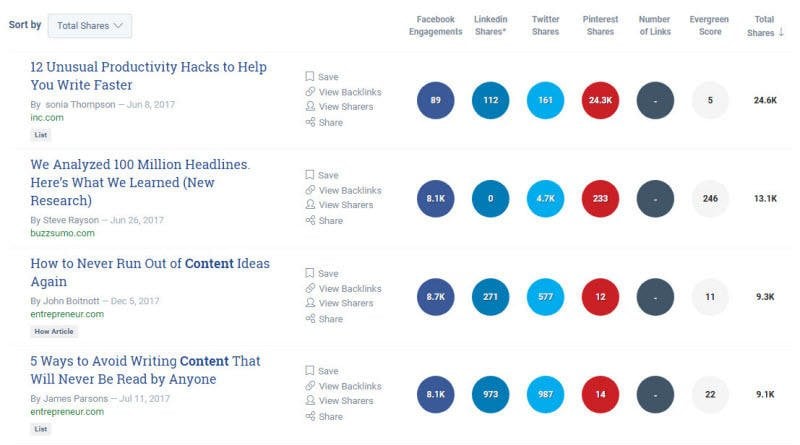
The results provide a wealth of data, but social shares are our primary focus. Why? Because a high share count suggests similar content will likely be shared widely.
Social shares often indicate that a piece resonates with readers, regardless of its stance or writing quality. It shows that people felt compelled to share it.
Widespread social sharing can mean several things:
- It’s breaking news, shared and cited widely
- The content is practical, insightful, or actionable
- The author offers a unique perspective or insight
- The opinions challenge conventional wisdom
- The article is so poorly written or controversial that it’s shared out of anger or disbelief
Except for the last, these are all qualities worth emulating.

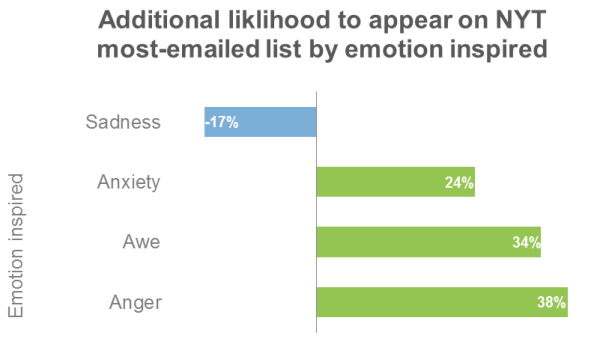
And this is just one news outlet. Image via Reuters.
News content thrives on freshness and immediacy, focusing on emerging events. But what if your publication isn’t news-focused? Actionable, insightful content is always valuable, while publishing something so bad it’s shared out of spite is obviously undesirable. That leaves us with two options: content with unique insights and content that offers a fresh perspective on a familiar topic.
We’ve discussed the power of contrarian content before. Taking an opposing viewpoint can set your content apart. Identify prevailing viewpoints in your industry, then flip the script.
Remember, in-depth knowledge and writing skills are not enough. Identify broader trends and find creative ways to provide value by exploring unique angles.
A Note About Comments
Some tools filter by comment count. Numerous comments might indicate lively debate, or just a poor spam filter.
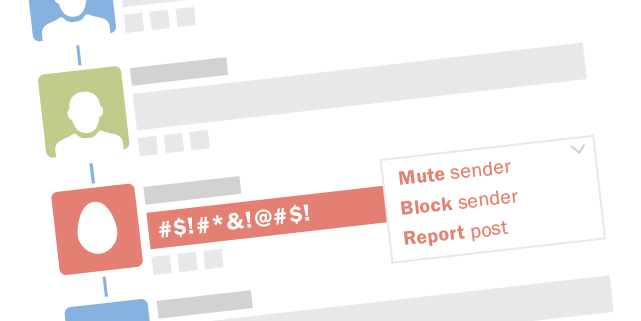
Image via Pew Research Center
Another caveat: accurately calculating comment counts can be tricky. Different sites use various comment systems, and not all analytics platforms capture this data accurately.
Essentially, view comment volume as a secondary metric, not a primary indicator of an article’s potential as inspiration.
2. Unearthing Content Gems Through Keyword Research
Next up: using keyword research tools to generate content ideas.
The goal here is to uncover relevant keywords you might not have considered. This is especially helpful for blogs with frequent publishing schedules.
Numerous free keyword tools exist, but let’s illustrate using nexus-security’s Free Keyword Tool. Start with a broad “seed” keyword. In this case, “cryptocurrency” with no industry specified and results limited to the United States.

This yields some interesting results. Here are some intriguing suggestions for “cryptocurrency” with their monthly Google search volumes:
- Litecoin vs bitcoin - 12,100
- Cryptocurrency market capitalization - 8,100
- Best cryptocurrency to invest in - 5,400
- Is bitcoin farming profitable - 5,400
- List of cryptocurrencies by market cap - 1,900
- How to make a cryptocurrency - 1,900
- Cryptocurrency mining explained - 720
- Best digital currency exchanges - 390
- Digital currency vs cryptocurrency - 40
- List of cryptocurrencies by value - 20
While some search volumes are low (“list of cryptocurrencies by value” has only 20), we’re seeking ideas. Many of these are perfect for introductory guides, detailed explanations, or even concise listicles, and could themselves become seed keywords for further research.
3. Mining the News for Content Inspiration
While much of today’s news can be disheartening, it can also be a goldmine of content ideas.
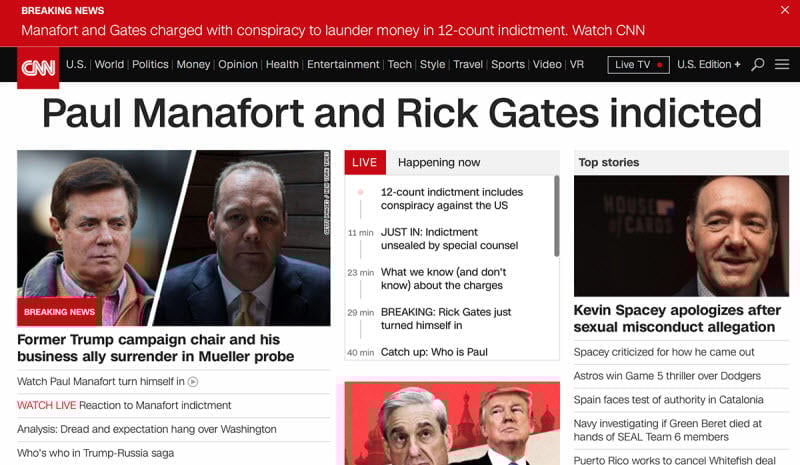
Hey, it’s not ALL bad news!
Recently, we’ve increased our news-based content. This wasn’t intentional, but necessary. Announcements like Google’s Chrome ad blocker and AMP Stories are too significant to ignore. While we don’t prioritize breaking news, publishing more of it allows us to provide the in-depth analysis our readers expect.
You’re not here for a newsjacking lecture, so how else can you leverage the news? By asking questions others aren’t.
In 2014, we published a post about net neutrality (RIP). It explored how its repeal would impact small businesses and digital marketers, a perspective largely missing at the time. We’ve updated it as the situation evolved, resulting in consistent traffic.
Similarly, our post about innovative chatbots wasn’t news-based, but it cited and linked to news articles, using them to analyze what conversational agent developments meant for digital marketers.
Still need convincing? Let’s analyze a real-world example. Here are headlines from my Content Marketing Feedly feed:
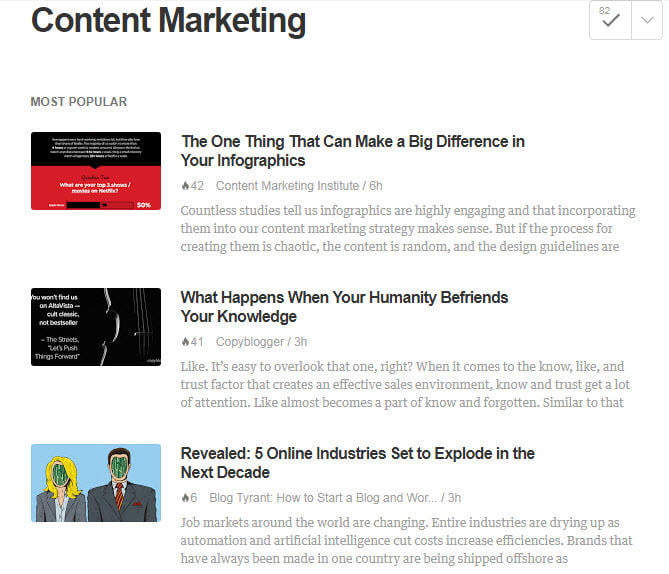
The top three are from reputable sources: Content Marketing Institute, Copyblogger, and Blog Tyrant.
Let’s say these are my news sources for blog post ideas. Here are some immediate thoughts:
- Do clickbait headlines (like CMI’s) still work? Are major publishers like CMI as burdened by demanding editorial calendars as smaller ones?
- What’s the Copyblogger story even about? Perhaps a post on how summarizing can make your audience feel? Or a guide to writing compelling summaries? Or exploring the risks of poorly written ones?
- Feedly truncated all three descriptions. How about a post on current meta description recommendations? Or reasons why they’re less important now?
These aren’t groundbreaking, but this list took minutes to create, providing a solid starting point. These rough ideas could be developed into outlines or pitches.
Remember, the goal isn’t simply to newsjack for traffic (though kudos if you succeed). It’s to find opportunities to add depth and context to emerging industry stories.
Read the news with a content-focused lens, and you’ll be surprised by the ideas that surface.
4. Jumpstart Your Creativity with Blog Topic Generators
Before you dismiss blog topic generators, hear me out.
They’re not meant to be perfect. Think of them as writing prompts—some great, some awful.
Let’s see one in action. Below is HubSpot’s Blog Topic Generator, a strong contender. I entered “Writing,” “Advertising,” and “Marketing.”

Clicking “Give Me Blog Ideas!” yields:
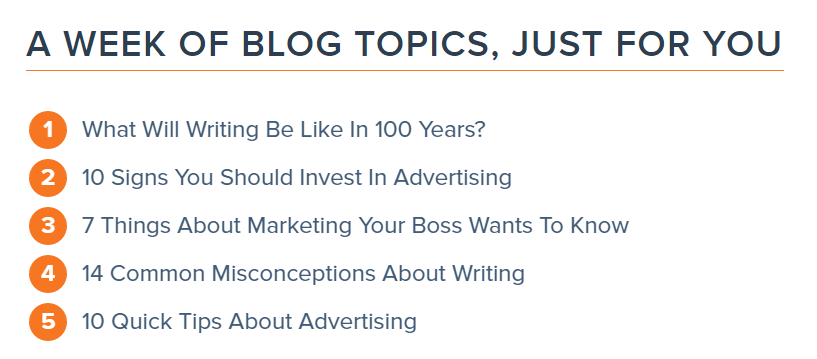
Surprisingly good. Any of these could work as blog posts. But let’s use them as inspiration for our own ideas.
Here are some content ideas, brainstormed in minutes, based on HubSpot’s Blog Topic Generator:
- The Cognitive Benefits of Teaching Children Cursive: Exploring the developmental advantages, explaining the physiological and cognitive processes involved.
- 5 Reasons Why the Best Blog Post You’ve Ever Written Still Sucks: Examining what elevates good content to great, with practical tips for evaluating your writing.
- 7 Ways to Make Yourself Professionally Indispensable: Actionable steps to become invaluable to your manager, with resources to acquire in-demand skills.
- Why Everything You Know About Headlines Is Wrong: Challenging established best practices, with examples of different headline types (news, ads, landing pages).
- 3 Quick Hacks to Make Your Content More Shareable: Highly actionable steps to boost social shares, with examples.
Again, not revolutionary, but this list took minutes. With more time or specific criteria, we could generate better or more ideas, or use these as starting points for research and development.
5. Uncovering Hidden Treasures in Your Old Content
Our final tip: revisit your past work. Reviewing old content can be fun (or cringeworthy), showing your growth as a writer. But it’s also a fantastic way to spark new ideas.
For instance, I searched for some older posts to mine for ideas:
- 13 Ways to Combat Shopping Cart Abandonment
- 6 Examples of Subliminal Advertising, from Spooky to NSFW
- How to Write a Cover Letter for a Job Application
- Native Advertising Examples: 5 of the Best (& Worst)
Unlike the net neutrality post, these aren’t due for updates—they lack timely elements. However, we can still extract ideas.

Let’s analyze the first: a March 2016 post about shopping cart abandonment. Before even rereading it, a thought arose: We hear about mobile traffic surpassing desktop traffic for many ecommerce platforms, and offline conversion tracking is rapidly advancing.
So, what are the biggest ecommerce conversion obstacles exclusive to mobile traffic?
This idea has potential. Let’s dissect it:
- It expands on the original post.
- The angle (barriers to mobile ecommerce conversions) is based on broader trends.
- It’s forward-thinking, allowing for new data and emerging technology analysis.
- Ecommerce and mobile growth are relevant to our audience.
See? I haven’t even started writing, and I have a solid idea aligning with our editorial and business goals—not bad for browsing old posts.
Here are more rough ideas inspired by those older posts:
- Does Offline Conversion Tracking Go Too Far?: Exploring whether new technologies violate user privacy.
- What to Expect From a Job Interview for a Remote Gig: Practical tips for remote job interviews, including handling tough questions.
- The State of Native 2018: Analyzing the current native advertising landscape, featuring new examples, statistics, and reports.
These are just starting points, and based solely on my own posts. Imagine the possibilities if I explored our archive—it’s also encouraging to see older content remain relevant.
Seek and Ye Shall Find
Generating fresh content ideas can be brutally difficult, especially for demanding clients or competitive industries. But as we’ve seen, it’s possible to overcome writer’s block, even with looming deadlines.
What other tips do you have for content creators facing writer’s block?