It’s no secret that Google Ads (previously AdWords) is a top way to boost brand visibility and attract new users. However, paid search can be tricky, and errors can be costly.
This article highlights five powerful paid search strategies that many advertisers overlook. By the end, you’ll likely discover a new tactic to save money and improve your campaigns.
1. Single-keyword ad groups.
Single keyword ad groups (SKAGs) are exactly as they sound – ad groups with only one keyword (and potentially different match types).
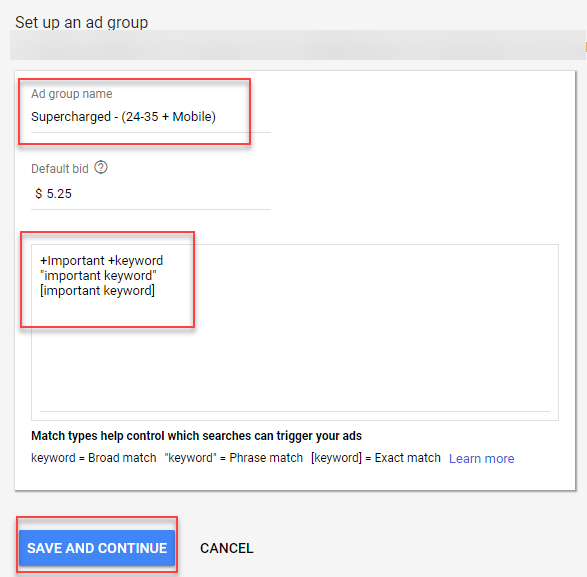
For instance, here’s a SKAG example:
Ad group
cheap flights
Keywords
[cheap flights] “cheap flights” +cheap +flights
This ad group uses the same search term with exact, phrase, and modified broad match types.
Now, you might wonder why bother creating and managing all these ad groups? The answer is simple:
SKAGs can significantly boost your CTR, leading to lower CPC, higher Quality Score, and ultimately a lower CPA.
Sounds like a PPC dream, right? It’s quite straightforward. Here’s how it works:
Having one keyword per ad group allows for highly specific and relevant ad copy. As you know from experience, high ad relevancy often leads to higher CTR, improving Quality Score, lowering CPC, and ultimately reducing CPA – mission accomplished.
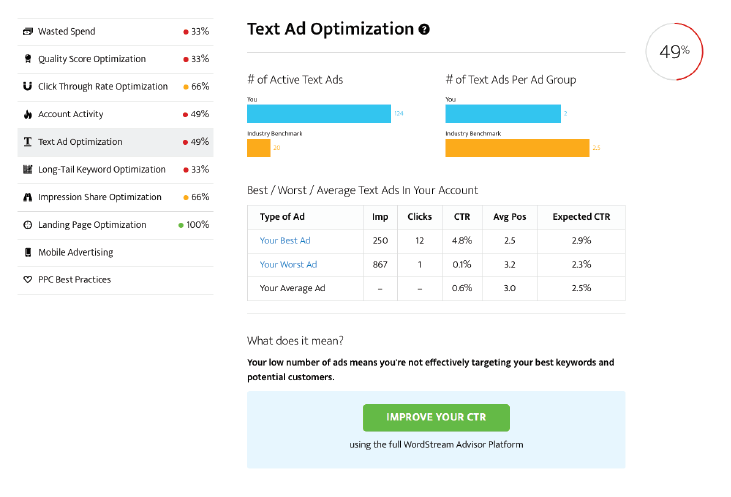
Besides better ads, you can also significantly increase conversion rates by creating unique landing pages for each SKAG. A relevant landing page matching the search term also contributes to a higher Quality Score and conversions – you guessed it – leading to a lower CPA!
Note: Too many SKAGs can complicate account management and optimization. Start by selecting around 10 keywords, pausing them in their current ad groups, and creating new SKAGs with corresponding landing pages. Begin with five well-performing keywords and five with the highest CPA to observe potential reductions.
This approach allows for careful testing and a gradual shift to this strategy.
2. Bing Ads
Ignoring Bing’s audience is a major paid search strategy mistake. Overlooking Bing means missing roughly 30% of US search traffic and potentially lower costs for most keywords. Why pass that up?
There are many compelling reasons to incorporate Bing into your paid search strategy. First, it’s effortless.
Create and optimize your campaigns in Google Ads, then simply copy everything to Bing.
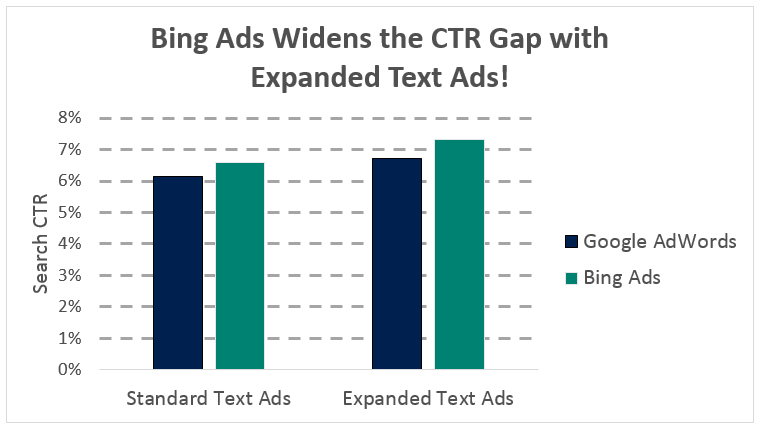
Bing makes advertising with them easy.
But there’s more to Bing. It offers increased traffic and conversions, potentially lower bids and CPCs for most keywords, and in some cases, higher-quality users.
Here’s a bonus: Just as you might have overlooked Bing, so have some competitors. Since you’re reading this, you’re ahead of the game, ready to capitalize on less competitive traffic. So, hurry and copy those campaigns from Google Ads to Bing!
3. RLSA
RLSA stands for “Retargeting Lists for Search Ads.” It allows you to target past visitors when they search for your campaign keywords again.
Returning users are more likely to convert, and RLSA lets you bid higher to re-engage them.
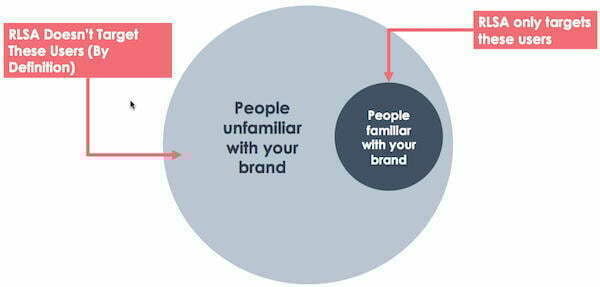
Imagine this scenario: A user visits your business loan website. Within 30 days, they search for ‘business loan’ again. RLSA allows you to separate such users from the cold audience and target them with higher bids and tailored ads.
RLSA is powerful because you know these users are still actively seeking what you offer, making them easier to convert.
So, how do you implement RLSA?
It’s simpler than you think. First, create remarketing lists in your Google Ads and/or Analytics account (just like with the Google Display Network). For example, create a list of past visitors from the last 30 days.
Once your lists are ready, add them to existing search campaigns as an audience and use bid adjustments to bid higher on those specific users. This is a great way to start with RLSA.
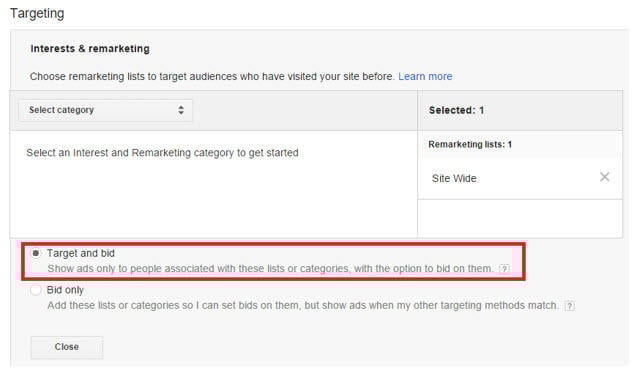
For an advanced approach, duplicate your search campaign (or parts of it) and target only returning users. This allows for writing different ads and better controlling budget allocation between new and returning visitors. However, it can be time-consuming as it essentially doubles your campaigns.
4. Negative retargeting lists
We’ve established that returning users are more likely to convert, making retargeting essential. But there’s more to it than that. While retargeting website visitors is generally advisable, retargeting all of them is not.
Just like negative keywords, negative retargeting lists ensure your ads reach the right audience.
Negative retargeting lists prevent wasted ad spend on visitors who might not be genuinely interested in your offerings.
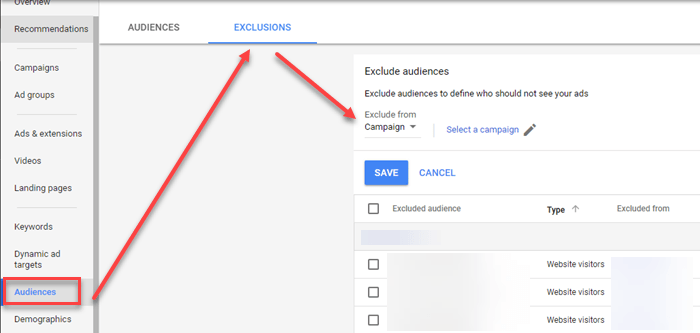
For example, I always exclude visitors to the “Jobs” page. They are clearly not interested in becoming customers, so there’s no point in spending money on them.
Implementing negative retargeting lists is simple: Create an audience in your account and exclude it from your ad groups.
Tip: While making exclusions, focus on more valuable segments. For example, visitors to your pricing page show greater interest and deserve closer attention and higher bids. Create separate lists for such visitors and place them in your retargeting ad groups with higher bids.
5. Stop focusing on being #1
Paid search marketers often obsess over average position, striving for higher rankings and the coveted first position. But is that the right focus? Not necessarily.
Ask yourself: What’s your goal? Being #1 or acquiring users with the best possible ROI? I assume it’s the latter…
While ranking first generates more traffic, it’s not always cost-effective.
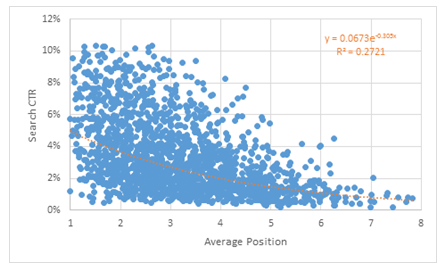
Here’s why:
- Securing the top spot demands higher bids than the second or third positions. Insisting on outranking everyone can dramatically increase CPC, ultimately inflating your CPA and potentially making it unsustainable.
- As the first thing users see, the top result often receives clicks without users fully reading the ad. If your ad is in that position, you’ll attract irrelevant paid clicks, wasting your budget.
Analyze your overall account results by average position to identify the most cost-effective spot (volume versus cost). In most cases, positions 2 or 3 offer a good balance of cost-effectiveness and volume.
Let your competitors drain their budgets fighting for the top spot – win from the second position.
Final words
Ignoring these simple yet effective strategies will result in a lower ROI for your paid search advertising and fewer prospects entering your funnel. Don’t make that mistake! Get ahead of the competition now and watch your results soar.