You might not be familiar with F8, but the tech geniuses behind some of your favorite online tools and platforms definitely are. It’s Facebook’s annual developer conference where, for two days, tech experts much smarter than me listen to other tech experts even smarter than them discuss all the cool new things Facebook is developing.
While the media has focused on Facebook’s answer to Match (the dating app’s stock plummeted after Zuck’s relationship-focused app was announced) and features designed to combat online bullying and protect democracy, there were other exciting developments revealed that could significantly impact your marketing strategy.
Interested? Great! Let’s explore.
Monitor Performance (Anywhere) with Facebook Analytics
“Analytics focused on people for a world of interconnected experiences.” Sounds impressive, right?
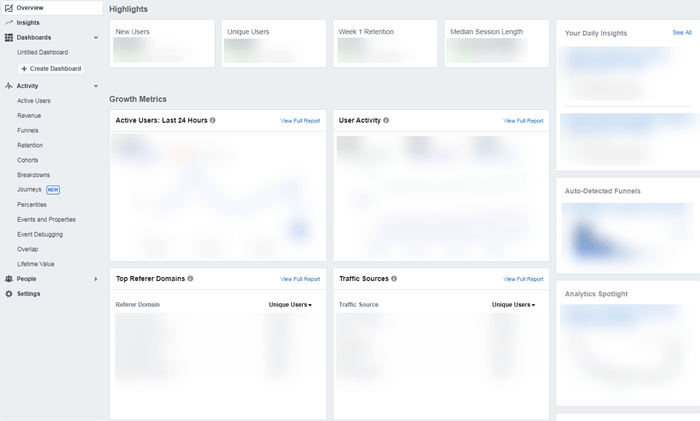
Facebook Analytics (take a look at the website: even if you don’t want to read it now, it’s visually stunning) is a new tool from Facebook created to help businesses grasp how users engage with their various assets (website, Facebook page, app), ultimately for optimization purposes. Although some features are simply repackaged existing tools under the Analytics umbrella, they’re incredibly helpful for both paid and organic social media campaigns.
However, remember it’s 2018 and the Cambridge Analytica scandal happened, so this data is aggregate-only.
Facebook states, “Analytics features are designed with user privacy as a top priority. We do not share personally identifiable information like email addresses or phone numbers… All metrics within Facebook Analytics use aggregated, anonymous data.”
This is similar to the Google Analytics data you’re likely already using, but with the added bonus of insights from 2 billion users swimming in a pool of detailed demographic and psychographic information.
The new Facebook Analytics features highlighted at F8 were…
- A new mobile app. Check important metrics on the go from your dashboard and custom reports.
- Automatically identified funnels. Utilize machine learning to discover common paths people take within your website, app, or Facebook before becoming customers. This helps you identify and eliminate roadblocks and concentrate on the highest-performing stages of your customer journey.
- Customized insights. Add events within Analytics to produce customized insights, like website sections correlated with purchases within a specific demographic or the link between promotional codes and average order value, to optimize your strategies.
Beyond these new tools created to enhance your comprehension beyond the traditional last-click attribution model, Facebook Analytics enables you to build funnels, dashboards, segment prospects into cohorts to track their journey from initial contact to closed deal, and countless other features I haven’t even encountered yet.
To begin leveraging these tools and those Facebook already provided, simply install the Pixel on your website…
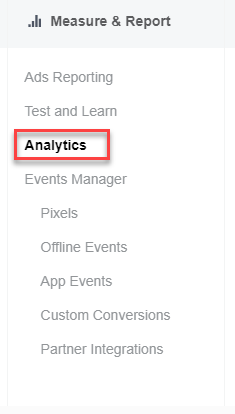
…and navigate to the “Analytics” tab within your Business Manager account.
A New “Clear History” Feature Could Disrupt Your Audience Targeting
Once again, enhanced privacy features take center stage!
Facebook is developing a new tool called “clear history,” with a rather self-explanatory purpose.
According to Erin Egan, Facebook’s VP and Chief Privacy Officer, “This feature lets you view the websites and apps that transmit information to [Facebook] when you use them, delete this data from your account, and prevent [Facebook] from storing it linked to your account moving forward.”
While beneficial for user privacy, this could significantly impact how we target individuals on Facebook, especially when using custom audiences. Although basic demographic information will remain accessible, the more valuable, detailed targeting parameters you depend on might be affected.
A user’s Facebook experience is personalized using feedback the platform gathers from their actions and behaviors both within the app and on external websites. Clearing their history deprives Facebook of this data, potentially diminishing the platform’s effectiveness, particularly for ad targeting. Facebook won’t stop displaying ads to users who clear their history; however, these ads will be less relevant, potentially leading to decreased engagement or higher CPCs.
The good news?
This tool won’t be released for several months, and most people prioritize convenience over privacy. Since clearing history automatically logs users out of websites and apps accessed via their Facebook credentials, it’s unlikely they’ll do it frequently.
Enhanced Group Features to Cultivate Organic Engagement
Facebook aims to make Groups a more central part of the user experience.
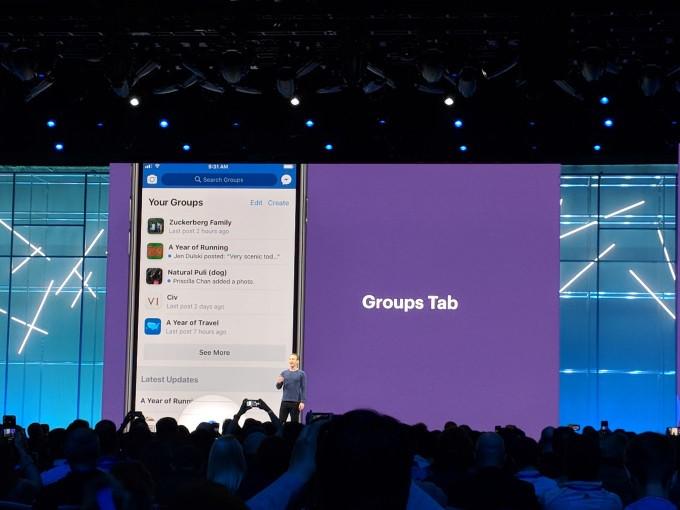
By encouraging users to engage more with communities instead of mindlessly scrolling through their News Feeds, Facebook wants to become a positive influence in their lives. This will be achieved by introducing a dedicated Groups tab and, more intriguingly, an embeddable “Join Group” button.
These are game-changers for advertisers.
The Groups tab provides a central location for users to browse and engage with their groups, making it simpler for your followers to stay updated on your organic content without needing it to appear in their news feed.
Facilitating increased user interaction with content within their groups enables you to cultivate a community and gain deeper insights into their preferences and behavioral patterns, which can inform your future ad creative.
With third-party data being removed from Facebook for privacy reasons, we need every targeting advantage we can get. The embeddable “Join Group” button empowers you to add website visitors to custom audiences; combining this with Facebook Analytics allows for creating separate audiences based on specific page visits and group interactions.
Community-Driven Content Curation (and AR) Arrive on Instagram
Speaking of engaged audiences…
Many people remain oblivious to the connection between Facebook and Instagram. Consequently, Instagram has remained largely unscathed by the backlash against Facebook over the past two months and continues to flourish.
The platform’s Explore feature helps users “discover new ideas, people, and experiences.” The redesigned feature takes this a step further, categorizing personalized recommendations into topic channels based on interests, making it easier to delve into any subject that piques your interest.
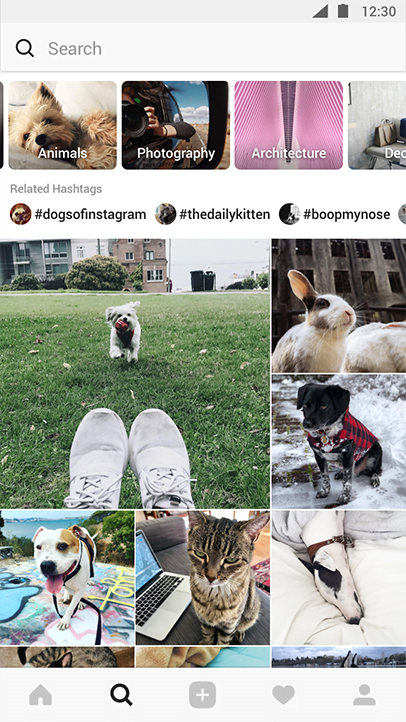
Why should you care?
Because you’re likely building an organic Instagram following to increase brand awareness, and the new Explore feature enables you to use hashtags to strategically place your content within these categories. Remember: interaction data can create ad audiences. By promoting a post and tagging it to appear in categories relevant to your target audience, you increase engagement potential and gain another avenue for building custom audiences.
The revamped Explore tab will launch in the coming weeks. Be prepared.
On a side note: While not directly beneficial for advertisers, this will undoubtedly enhance your experience as a user…
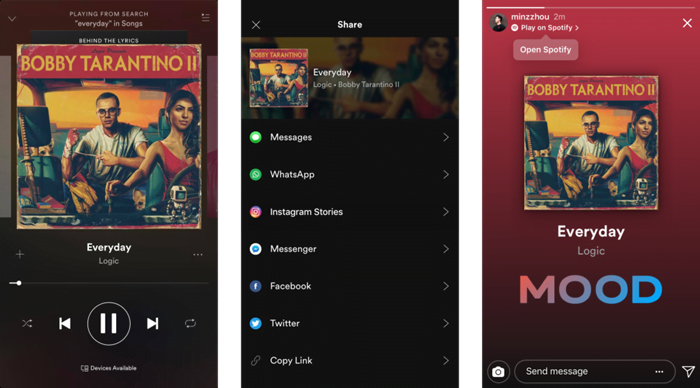
Instagram now allows sharing to Stories from apps like Spotify! Imagine posting the song you’re listening to directly to your Story through your phone’s camera, complete with a clickable link, without even connecting the two accounts. How cool is that?
Messenger Receives a Slew of New Features
Finally, Facebook Messenger is receiving updates that could significantly impact how businesses use the platform.
Firstly – and not strictly an F8 announcement – Larry Kim, founder of nexus-security, revealed that Facebook’s ban on creating new marketing chatbots has been lifted (hooray!).
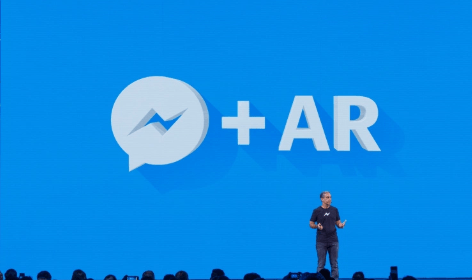
The two most significant Messenger updates revealed by staff were nothing short of groundbreaking.
Firstly, Facebook will launch an augmented reality (AR) integration for Messenger. This enables businesses of all sizes to “Leverage the Camera Effects Platform to seamlessly incorporate AR into their Messenger experience, blurring the lines between the virtual and physical worlds.”
For example, imagine you own an ecommerce store and a potential customer inquires about a product through Messenger. This integration allows you to prompt them to open their camera, providing a visual representation of the product before purchase using personalized filters and AR effects. Though currently in closed beta and available only to select brands for the next few months, Facebook plans to release it widely if testing proves successful.
Secondly, Facebook is implementing a real-time translation feature to facilitate communication across languages.
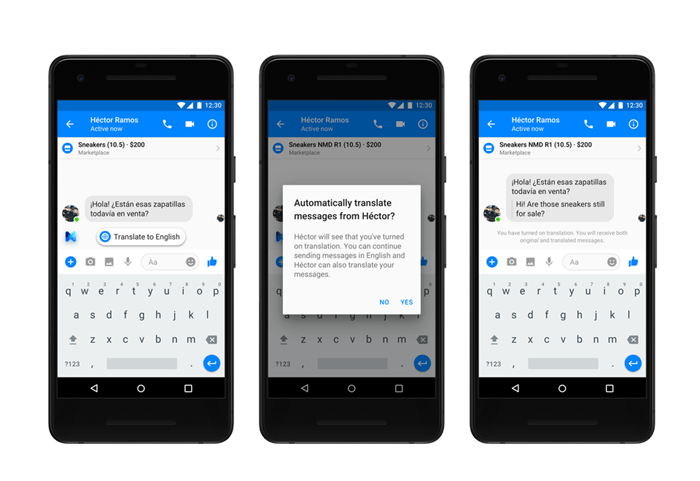
Initially, M will support “English-to-Spanish (and vice-versa) translations for Marketplace conversations within the US.” It’s safe to assume Facebook is using Marketplace as a testing ground; if successful, language barriers will soon be a non-issue for businesses worldwide.
Beyond F8
While these new features don’t entirely compensate for losing free third-party targeting data within Facebook’s ad platform, they introduce significant potential for businesses across Facebook, Instagram, and Messenger, both organically and in paid campaigns. As the Cambridge Analytica situation unfolds and these innovations become available to all users, it will be fascinating to observe how businesses of all sizes leverage these tools throughout the sales process.