The mobile advertising landscape presents unique challenges. As we explored in a previous post, mobile search volumes are skyrocketing, yet mobile click-through rates decline rapidly in lower search positions. Simultaneously, mobile search costs are rising, and penalties for poor mobile experiences are more severe. These factors make mobile advertising particularly difficult to master, often leading to failure for those without a dedicated strategy.
To succeed in the mobile realm, consider these expert tips:
#1: Control Mobile Costs with Bid Adjustments
Since 2012, mobile cost-per-click (CPC) has surged by 150% with continued growth anticipated. You can manage this expense through mobile bid adjustments within your campaigns or ad groups in Google Ads. This feature allows you to set mobile bids as a percentage of your desktop bids, enabling you to increase or decrease bids based on your mobile performance.
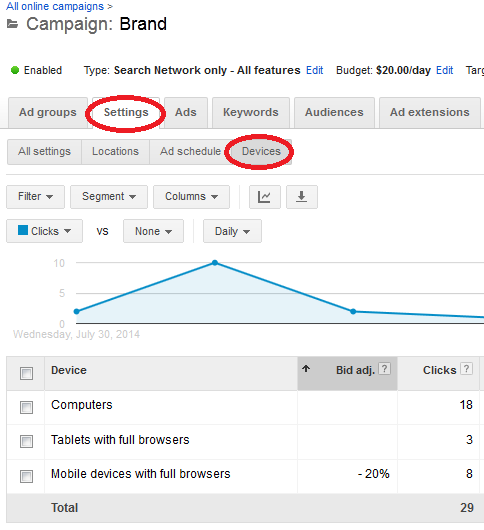
For instance, raising mobile bids to +300% might still result in lower costs than desktop, especially if you’re experiencing strong mobile success.
Case Study: Comparing Mobile and Desktop CPC
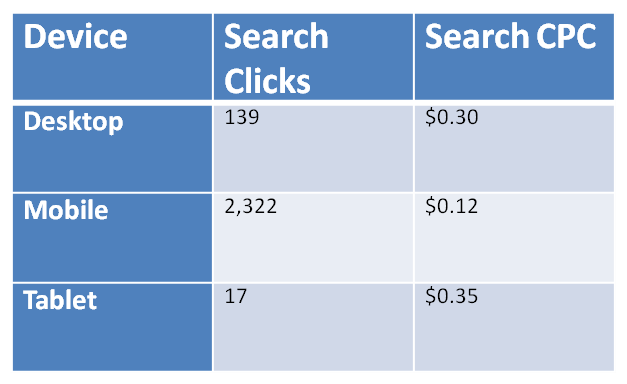
A client focusing on mobile users shifted more budget to the platform, implementing a +300% mobile bid adjustment across several campaigns. Remarkably, even with bids four times higher than desktop, their actual mobile CPC remained significantly lower:
#2: Tailor Your Message with Mobile-Preferred Ads
Create mobile-specific ads that cater directly to users on smartphones. After setting up a desktop ad within your ad group, craft an alternate version for mobile users, ensuring you select the “Mobile” option for device preference:
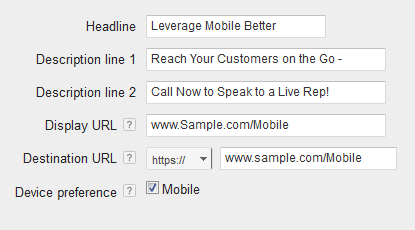
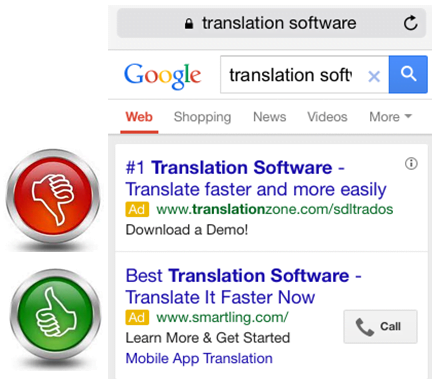
Despite their effectiveness, only around a third of small and medium businesses utilize mobile-preferred ads. Capitalize on this by crafting concise, mobile-friendly messages that encourage calls and avoid desktop-centric offers like downloads.
#3: E-Commerce Businesses: Prioritize Google Shopping
Recent Google Shopping updates have propelled Shopping Ads to the forefront of mobile search results, allowing users to browse products directly on the search page. Given their high purchase intent and impressive click-through and conversion rates, mobile optimization is crucial for e-commerce businesses leveraging Google Shopping.
#4: Leverage the Power of Ad Extensions

Ad extensions boost both click-through rates and, as Google recently confirmed, quality scores. Neglecting them translates to lower performance across devices. Consider Location Extensions, particularly valuable on mobile where screen space is limited and competition for local visibility is fierce.
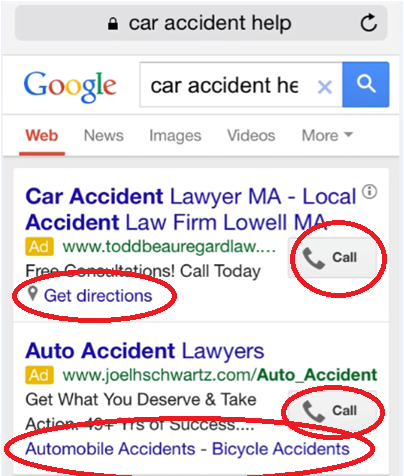
#5: Drive Conversions Through Calls
If converting mobile traffic proves challenging, especially without a mobile-optimized website, call extensions offer a valuable solution. Instead of directing users to a potentially ineffective landing page, provide them with a direct call option. While you’ll still incur the standard CPC for the call, you gain a direct line to a potential customer, often resulting in a cost-effective conversion.

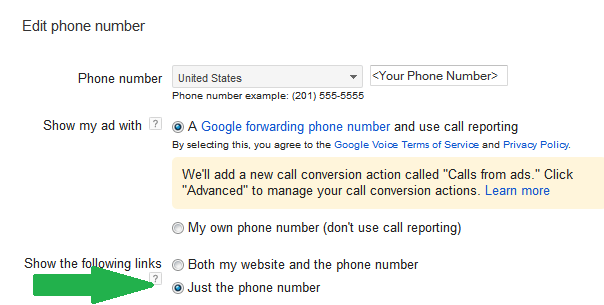
To implement this, configure your call extensions to display only your phone number. Using a Google forwarding number is recommended for accurate call tracking within Google Ads.
While the mobile advertising landscape presents challenges, a well-defined strategy can unlock its potential. Experiment with different approaches and don’t hesitate to share your successes and failures in the comments below!
For a comprehensive guide to mobile PPC, revisit our earlier collaboration with industry experts:
Additionally, explore our curated list of top mobile marketing tools for enhanced campaign performance.