Google’s recent Marketing Live event was a huge success, and it wasn’t just because of the celebrity presence. Google emphasized its commitment to trust, transparency, privacy, and machine learning while revealing a range of exciting new features and product updates during its Ads Innovation Keynote.
The event was packed with exciting announcements, from Gallery Ads, which offer interactive visual experiences on the search network by combining images and text, to the bumper machine, which simplifies the creation of 6-second YouTube bumper ads. The highlight for me, however, was the introduction of Discovery ads. This innovative ad format enables advertisers to display immersive carousel ads to potential customers precisely when they are most open to finding something new.
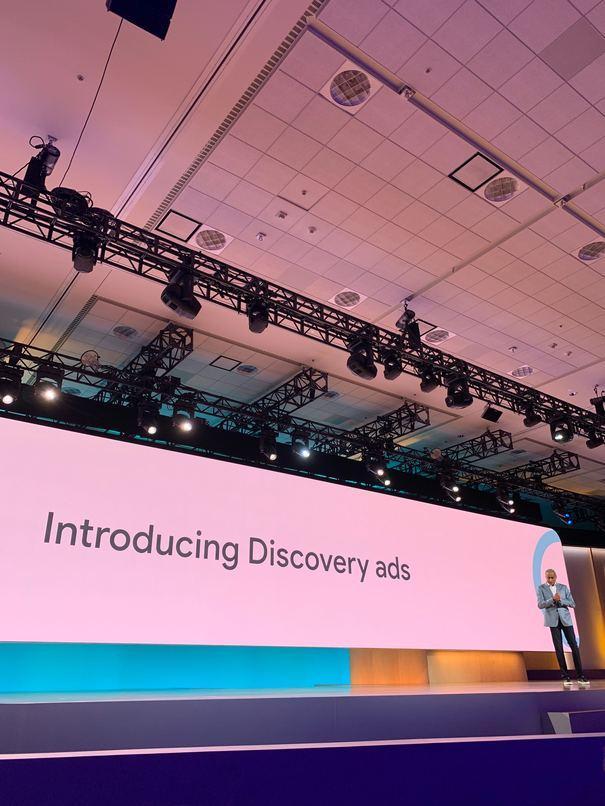
Tony Testaverde, one of our very own, managed to snag a front-row seat for this exciting announcement. So, what do Discovery ads actually look like, and how will they impact advertisers? Let’s break it down: Here are 5 key things you need to know about Discovery ads. Note: Google has announced that Discovery Ads will transform into Demand Gen campaigns in early 2024. We’ve got you covered with everything you need to know about this change.
1. Discovery Ads: Immersive and Interactive
Google advertisers will now have a new avenue to showcase their products through captivating imagery and visual storytelling, joining the ranks of Display, Shopping, and YouTube ads.
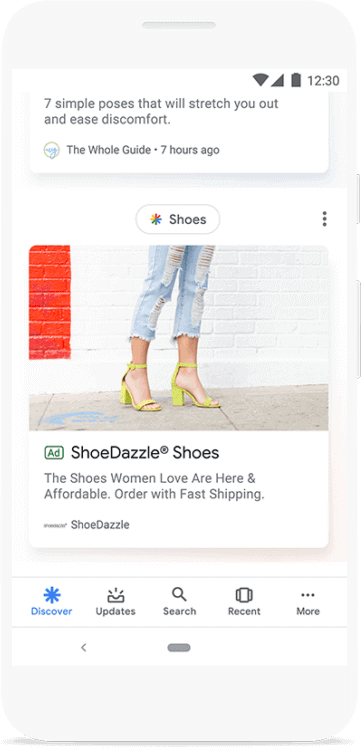
Discovery ads empower advertisers to feature either a single image or a swipeable carousel of multiple images, drawing inspiration from Facebook’s successful approach. Facebook has long provided advertisers with the tools to engage passive users through captivating visuals and drive qualified traffic at the top of the funnel. Now, Google offers the same capability, allowing advertisers to go beyond search intent and leverage audience targeting, expanded reach, and visually compelling brand storytelling to attract new, qualified leads.
2. Machine Learning: The Driving Force Behind Discovery Ads
Setting up Discovery ads is simple: provide a landing page URL, at least one image, a logo, and up to five headlines and five descriptions. Take a look at the straightforward setup below:
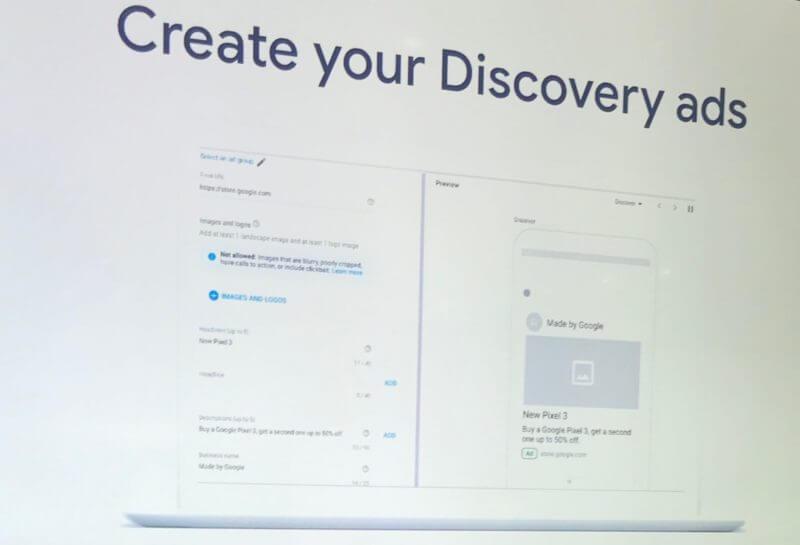
Once you’ve provided these assets, Google’s machine learning takes over, automatically selecting and serving the most effective combinations of headlines, descriptions, and image creative to your target audience. Much like responsive search ads, this approach exemplifies Google’s commitment to streamlining ad optimization, enabling advertisers to reach the most relevant users with precisely tailored messaging while upholding privacy standards. While achieving this balance is no easy feat, advertisers should seize the opportunity to leverage Google’s advanced algorithms and deliver even more compelling and clickable ads.
3. Google Discover: Now an Ad-Ready Platform
Now, about placement: Where will Discovery ads be displayed? The fact that Google wasted no time in announcing Discovery ads (it was the very first product announcement) speaks volumes. Firstly, it signals a lucrative opportunity for advertisers, and secondly, it underscores the significance of this ad format for Google itself. Discovery ads provide Google with a unique avenue to monetize Google Discover, a platform that replaced Google Feed just last year.
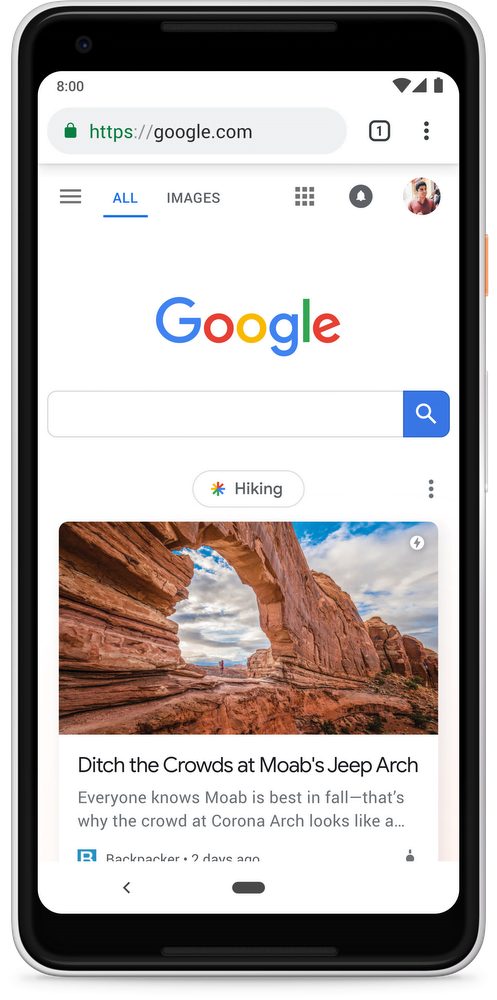
Google Discover was launched in response to three significant shifts in user search behavior: the shift from seeking quick answers to embarking on longer discovery journeys, the rise of queryless searching, and the growing preference for visually engaging content over text-heavy formats. Users can now utilize a “more/less” toggle to indicate their preferences for specific content, providing Google with valuable data to further personalize the feed through machine learning, aligning it precisely with individual tastes and interests. In just six months, Discover has amassed a staggering global reach of 800 million users. This presents a vast and untapped pool of potential customers for advertisers.
4. Discovery Ads Reach Extends Beyond Discover
Speaking of reach: Access to Discover’s impressive 800 million global users is not the only advantage for advertisers using Discovery ads. These ads will also be displayed on YouTube’s mobile home feed and within the social and promotions tabs of Gmail. Here’s a glimpse of how the ads will appear across these placements:
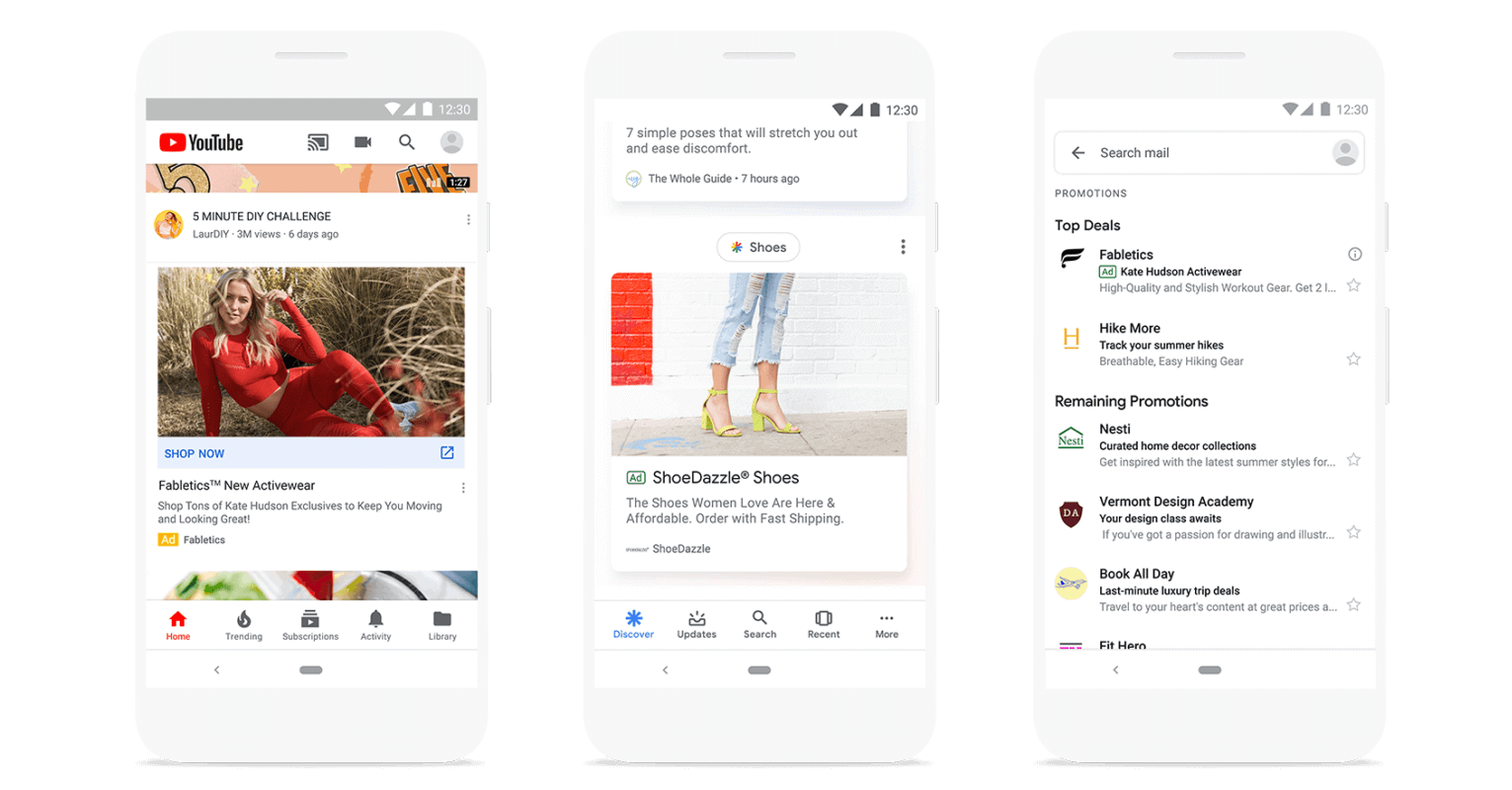
From left to right: YouTube, Google Discover, and Gmail. Discovery ads are seamlessly integrated into each platform’s native feed. YouTube even allows for an additional call-to-action banner alongside the image, headline, and description. This multi-channel approach translates into broader reach and a wider net cast over potential customers. It’s a win-win for advertisers.
5. New Campaign Type, Familiar Targeting
Another indication of the importance Google places on Discovery ads? They have their own dedicated campaign type. This means running a Discovery campaign is essential to utilize Discovery ads. The process itself remains user-friendly. After selecting the campaign type, you simply upload your creative assets. Google manages the optimization and delivery of your ads across multiple placements. As mentioned earlier, due to their presence within feeds rather than search results, Discovery ads do not rely on search intent. While this might seem like a drawback, it simply requires a shift in strategy as you lose the advantage of directly targeting users with immediate purchase intent. Discovery ads advertisers can utilize familiar audience targeting options available on Display campaigns, including in-market, interest-based, and the newly consolidated custom audiences. Without relying on search intent, effective audience targeting and engaging creative become paramount. The ability to leverage these audiences while showcasing your brand story visually empowers you to connect with entirely new prospects on a massive scale, making Discovery ads ideally suited for brand awareness initiatives. Related: Curious about the differences between Google Discovery Ads and Display Ads? We’ve got you covered!
When Will Discovery Ads Be Available?
Later this year! Google hasn’t announced a specific launch date, but advertisers should expect to see the Discovery campaign type within the Google Ads interface soon. Whether you’re already a cross-platform advertiser or just starting, get ready to add this powerful new tool to your full-funnel marketing strategy before the year ends. Update: As of June 2020, Google Discovery ads are now accessible to all advertisers.