Aligning marketing efforts across various platforms is crucial for lead generation, but it can be tough to determine the optimal approach for each channel. Questions about budget allocation, channel optimization, and integration often arise.

When you start marketing on multiple platforms, you’ll notice that some strategies are universally effective, while others are channel-specific. This guide outlines four steps to build a robust cross-channel strategy for maximizing your advertising returns.
1. Establish Baseline Costs to Guide Your Full-Funnel Approach
If you’ve used platforms like Google, Facebook, and Bing, you likely have a grasp of their performance for your existing promotions. When evaluating your overall paid strategy, consider the expected baseline results from each platform. While this can become intricate with multiple promotions and funnel stages, start by determining a typical cost per conversion for each channel using your analytics data, averaging results if necessary.
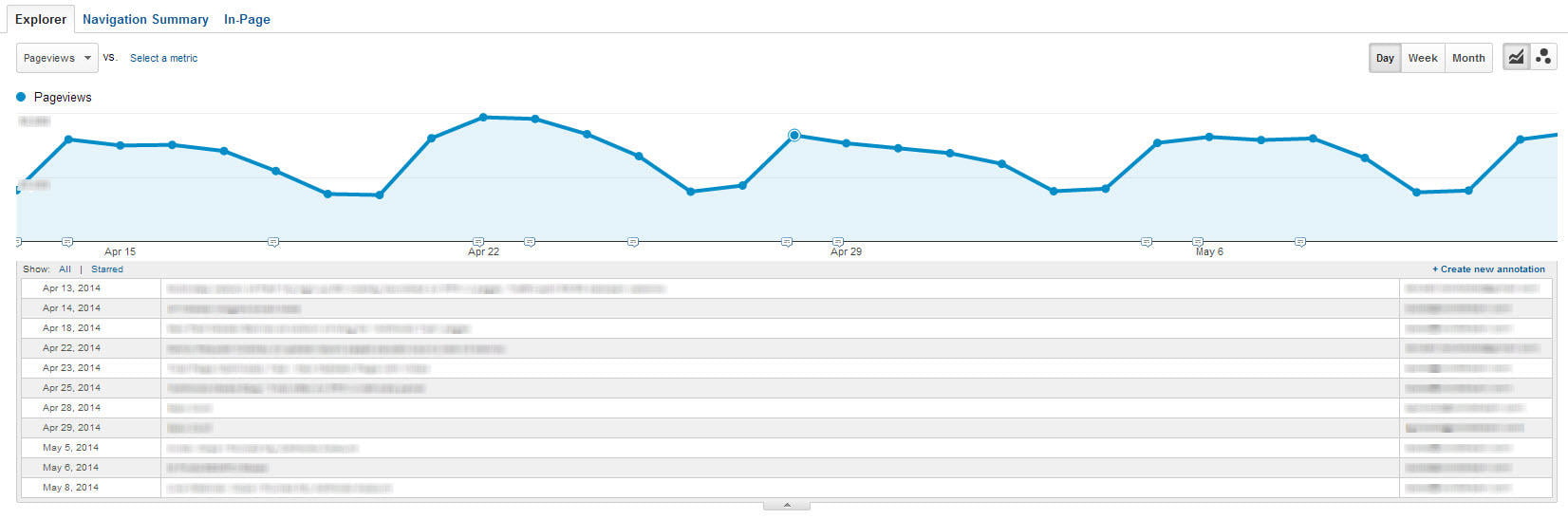
With this baseline, analyze how it translates across your entire funnel. This is essential because it helps determine the suitable promotions for each channel. For instance, you might find Facebook’s conversion cost for a specific action significantly higher than Google’s. For many bottom-of-the-funnel offers, the intent behind specific search queries often leads to higher-quality leads at a lower cost. Advertisers observing this pattern may try expanding their paid search beyond high-converting keywords to scale the channel. However, it might be more beneficial to allocate that budget to a mid or top-of-funnel offer on Facebook. This approach generates a larger lead volume at a lower cost, while search handles the bottom-funnel conversions. Additionally, advertising on Facebook can boost search volume for related terms, demonstrating how channels can collaborate to enhance brand visibility and revenue. Conversely, if your paid search baseline costs are high for a specific promotion or keyword, but lower on Facebook, focus more on paid social while maintaining branded search campaigns to capture the increased attention generated.
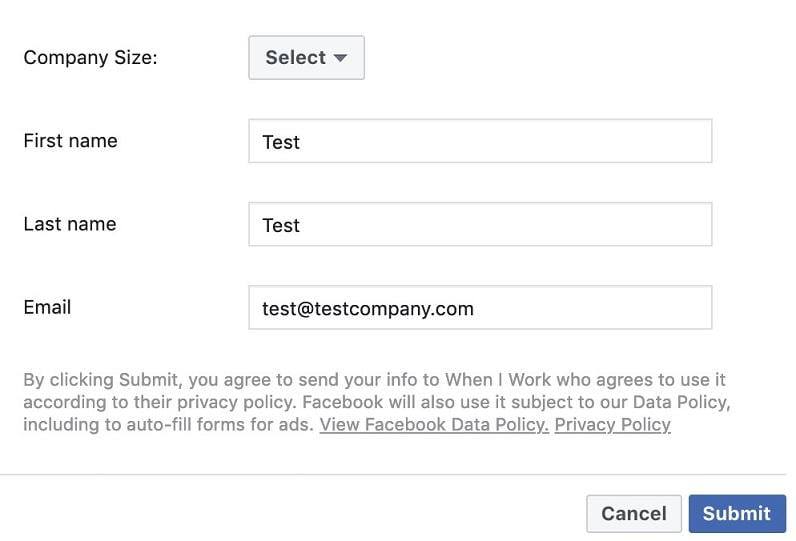
Facebook lead ads offer a way to set up a form like this. To clarify, here’s what high-funnel and low-funnel promotions entail:
- High-funnel promotions: These encompass a wide range, including blog posts, general brand ads, content downloads, newsletters, or even simply driving website traffic. The goal is to guide users into your marketing funnel with minimal friction. You would then nurture these leads until they take a bottom-funnel action or become customers. This long-term strategy aims to generate a steady flow of leads progressing towards conversion. Typically, these costs are significantly lower than bottom-funnel conversions and can yield higher ROI with effective nurturing.
- Low-funnel promotions: These involve higher-value actions like free trials, sales calls, demos, or scheduled consultations. They are closer to generating customers than other funnel stages. Ideally, you’d be willing to accept a higher cost per conversion for these compared to high-funnel promotions. When categorizing your offers within the funnel, assess the level of intent they indicate in terms of revenue generation. Someone engaging with an ad leading to a blog post or newsletter signup may not have immediate purchase intent. Conversely, someone actively searching for a solution to a problem your product or service addresses demonstrates a much higher intent level. Identifying the intent behind each promoted action is crucial, as it ultimately influences your long-term return on ad spend.
2. Monitor and Analyze Your Performance
Tracking each channel’s performance is paramount. While Google Analytics is ideal, it’s not always mandatory. The essential aspect is tracking from the paid ad landing page to your lead capture system. As long as you can measure landing page performance for each channel individually, you’re on the right track.
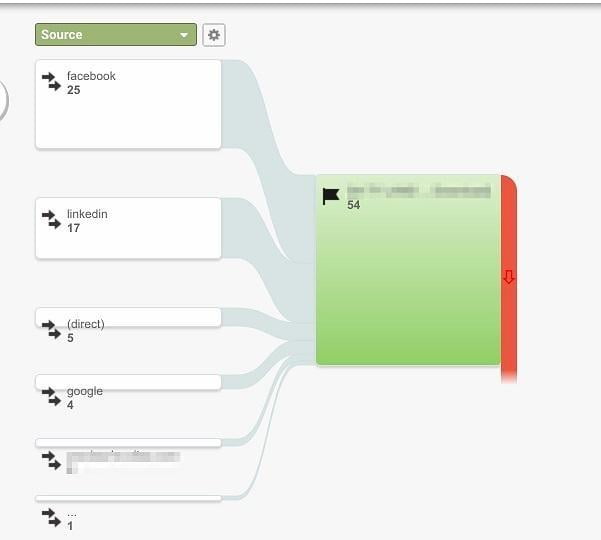
Google Analytics allows for setting up goals and channel-specific UTM tracking, aligning with your marketing objectives. To achieve this, create UTM parameters for each promotion’s landing page URL. For a comprehensive guide on using Google Analytics and setting up channel-specific tracking and goal completion, refer to this previous post. Effective tracking necessitates proper reporting. Correlate paid advertising periods with your sales cycle (discussed later). Regardless of whether you advertise monthly, quarterly, or sporadically, compile data comprehensively to analyze each channel’s performance. Key aspects to compare within channel promotions include:
- Channel-level Conversion Rates: Understanding how your ads convert against specific audiences or ad groups is critical. Over time, baselines help identify whether low conversion rates stem from ad/promotion issues or targeting problems.
- Landing Page Conversion Rates by Channel: Use identical yet separate landing pages for the same promotions across channels and track their performance.
- Cost Per Conversion: Monitor this metric consistently to calculate new customer acquisition costs from all lead generation efforts.
- Lead Quality: This relies on your internal lead qualification process and varies across promotions. It’s crucial for determining budget allocation. Filtering out low-quality leads reveals the true acquisition cost, which might be higher than initially perceived. This is common with Google Display Network campaigns, where impressive CPAs at the Google level might be accompanied by low-quality leads.
3. Budget Allocation Based on Intent
Ideally, you’d have an unlimited budget to test various strategies. However, reality often dictates a more restricted marketing budget, especially when starting out. In this case, simultaneous testing of multiple promotions to gauge their impact might not be feasible. Prioritize your promotional experiments based on a limited budget.
Push vs. Pull
Understand each channel’s nature when deciding budget allocation, particularly with limited resources. Paid search and paid social differ significantly, with complexities that make platform-specific decisions challenging. Simplify this process by thinking of each platform’s overarching strategy using the “push vs. pull” analogy. Paid Social: Channels like Facebook, Instagram, Snapchat, Twitter, and LinkedIn fall under “push” marketing. Unless used solely for remarketing, you target audiences who may be unfamiliar with your business, essentially “pushing” the promotion to them. This implies a lack of inherent intent. Your task is to encourage action and refine targeting to individuals most likely to convert. With a limited budget, start with remarketing. Targeting past website or landing page visitors taps into existing interest and potential intent. They are the “low-hanging fruit.” Depending on your website traffic, reaching this audience can be cost-effective (smaller audiences require less expenditure). Paid Search: Channels like Google and Bing represent “pull” marketing. Users searching for specific keywords related to a product, service, or a problem solvable by them demonstrate inherent intent. You “pull” leads in by leveraging this intent. High-intent keywords often come with increased competition and costs depending on your industry.
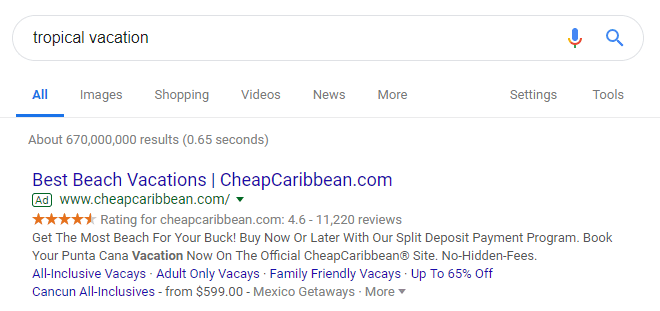
With a limited budget, focus your campaigns on the most relevant keywords related to your offering. Consider prioritizing branded campaigns and allowing paid social efforts to drive branded searches, potentially generating leads at a lower cost. Google Display Network: Google’s diverse advertising options complicate categorization. Despite offering in-market and custom intent targeting, ads on the Google Display Network lean towards “push” marketing. Users aren’t actively seeking something in real-time, making your ad function more like a digital billboard. When allocating your budget, align it with your advertising goals and distribute funds accordingly between these channel types.
4. Define Your Sales Cycle from Conversion to Customer
One of the most critical yet challenging metrics, especially for smaller businesses, is the conversion-to-sale cycle. Some companies have cycles exceeding 30 days, requiring prolonged advertising to understand how effectively leads from each channel convert into customers. This ties back to tracking: establish an internal infrastructure to monitor leads from conversion throughout the marketing funnel to sales.
Accessing this data over time proves invaluable. You can identify the channel with the highest conversion rate and the average time each channel takes to convert a lead into a customer. Apply this knowledge to your established baselines for paid promotions. For instance, if you observe a 20% conversion rate from Facebook leads to customers within two months, compared to a 40% conversion rate from Google leads, but you generate significantly higher, cost-effective volume through Facebook, it makes sense to prioritize your budget allocation there. While this varies for every business, consider your sales cycle, especially when determining where to scale.
Leverage Channel Synergy for Optimal Results
As highlighted, marketing channels intricately interact. When running ads across multiple platforms, they are likely to influence and complement each other. Here’s a recap of the steps for crafting a robust, effective cross-channel lead generation strategy:
- Establish baseline costs.
- Ensure meticulous tracking of all actions.
- Allocate your budget based on your marketing objectives.
- Monitor the impact of paid ads on sales and the time it takes. Building a successful cross-channel strategy hinges on a strong marketing operations foundation. Implementing these tips and strategies for channel management will help you optimize your accounts for optimal performance.