Frequently, keyword research is perceived as a tool solely for SEO, limited to boosting an established business’s growth. It’s often seen as a step taken after a business has its products, brand identity, and market strategy in place—optimizing an existing campaign or website.
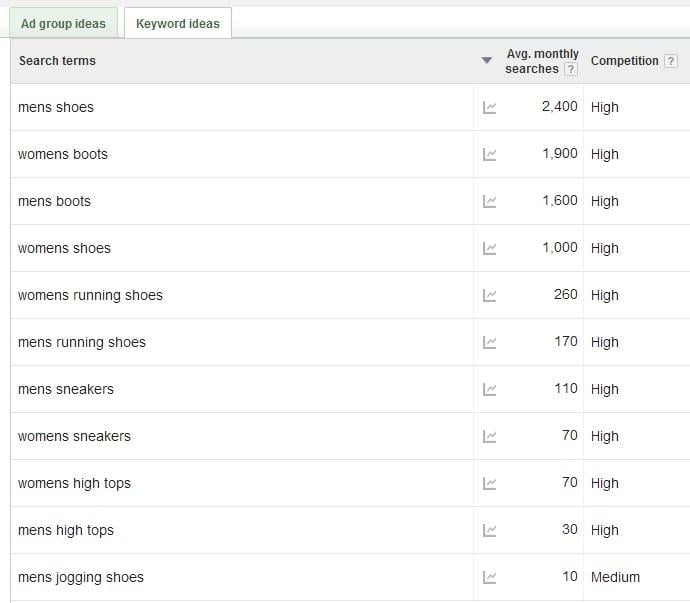
In this scenario, keyword research becomes an afterthought. However, what if we reversed this approach? After all, attracting visitors to a product nobody desires yields minimal returns.
Why prioritize keyword research for product-market fit?
To effectively support your sales and business objectives, SEO must go beyond simply ranking content and attracting clicks. The ultimate goal is to convert those visitors into customers. Achieving this requires more than just compelling SEO copy or aligning with search intent. It hinges on successfully navigating the most challenging yet crucial aspect of business: creating a product that resonates with a sizable audience and compels them to make a purchase. Product-market fit should be a primary consideration from the outset of your business journey and should remain a constant focus. As your audience expands, their preferences and requirements evolve, demanding ongoing adjustments to your strategy to effectively serve their needs. While this may seem daunting, it becomes manageable by staying attuned to your market’s desires and demands. Keyword research empowers you to accomplish this at every stage of your business growth. Whether you’re validating your initial product concept or exploring new markets, search data reveals what potential customers are actively seeking online, providing invaluable insights for market research. If you’re ready to gain a deeper understanding of your market and cater to its needs, consider these keyword research methods:
1. Uncover and leverage top questions and answers
A valuable keyword research method for achieving product-market fit involves examining the questions people pose online. Effective products address problems, and people often turn to the internet for solutions in various ways. This presents numerous avenues for discovering the questions and challenges people face. A prime example is Answer the Public, which excels at visualizing search data. For any topic you input, it generates a visual representation (easily exported to other formats or tools) of related questions users are seeking answers to.
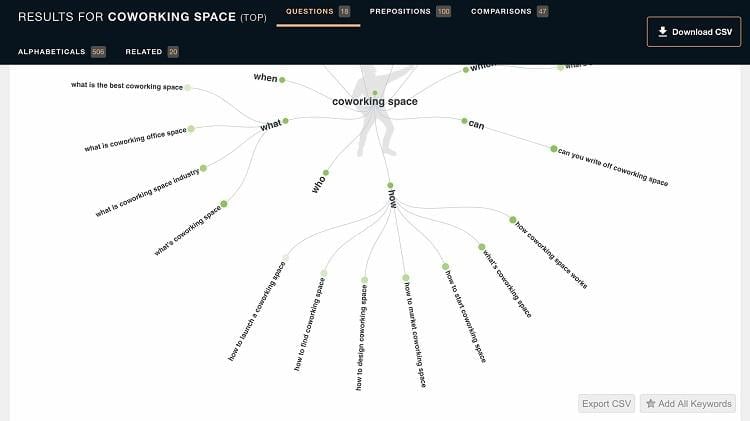
With Google’s semantic AI gaining prominence and voice search emerging as a primary product discovery method, exploring top questions related to a specific phrase can uncover significant insights into demand. However, if you seek more qualitative and comprehensive data, Quora proves to be a valuable resource. It provides context and background behind user questions, enabling you to delve deeper into their pain points and desires than mere statistics can reveal. The number of followers for each question and views for each answer offer insights into the most resonant content.
2. Analyze reviews and product descriptions
Beyond examining questions, delve into reviews of similar products within your market and identify frequently used phrases in top product descriptions. For physical products, platforms like Amazon offer a wealth of data through reviews of comparable items. Pay close attention to negative feedback, as it highlights unmet customer needs and potential market gaps to capitalize on.

Image Source For services or digital products, seek reviews of other providers or educational resources. Online learning platforms like Udemy or Skillshare offer a glimpse into expert training, often featuring reviews and testimonials. Analyze past customer feedback to understand their desired transformations, challenges faced, and any shortcomings in existing solutions. A personal favorite for this research is the Kajabi Marketplace. As a platform primarily for selling courses on personal websites, Kajabi’s marketplace showcases only the most successful and sought-after courses.
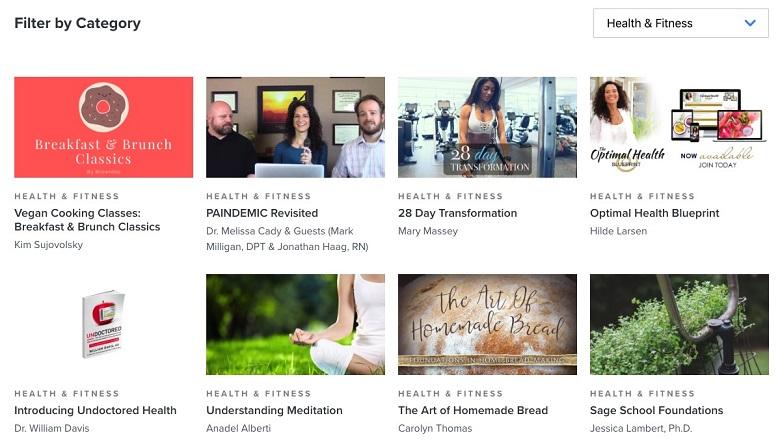
For instance, selecting “Health & Fitness” from the category dropdown reveals a diverse range of courses encompassing alternative healing, workouts, nutrition, pain management, and meditation. Examining Anadel Alberti’s meditation course landing page uncovers a plethora of keywords valuable for maximizing digital product-market fit within the meditation niche.

Image Source Utilize your preferred web scraper to compile a spreadsheet and leverage Ahrefs to incorporate data on search volume and competition levels.
3. Scrutinize Google SERPs and pre-launch landing pages
Traditional SEO tools also play a crucial role, with the specific tools depending on your validation stage. During early research and ideation, SEO intelligence tools help identify keywords and phrases people search for, revealing their problems and desired solutions. Similar to seeking keyword ranking opportunities, aim for the sweet spot—long-tail keywords with low competition and high volume. While creating site pages for such keywords is valuable, imagine the ROI of developing an entire product around one. Moz’s Keyword Explorer proves incredibly useful in uncovering related “keyword suggestions.”
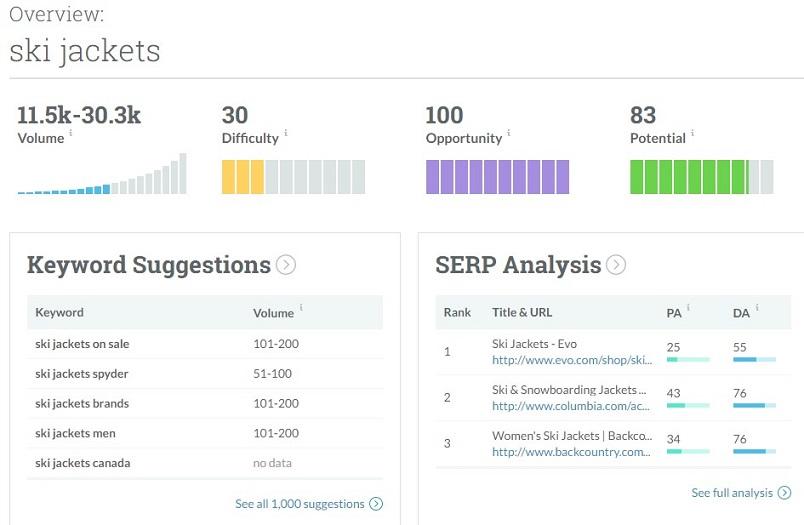
Once you have potential ideas, utilize PPC campaigns to validate them based on your SEO insights. Create a pre-launch landing page to gauge interest and run PPC ads targeting high-intent keywords. The distinction between searching for a topic and engaging with an offer related to it is significant. This approach tests the conversion potential of your offer and positioning for cold audiences, highlighting search terms likely to yield conversions.
4. Monitor and analyze social media conversations
Social media offers a wealth of information for understanding public sentiment toward a particular topic. To gauge opinions on competitors within your market, utilize social media monitoring tools like Mention to track conversations and analyze public sentiment.

Before committing to any idea, assess its long-term viability. Analyzing trend history on platforms like Twitter and Google reveals whether interest in a topic is increasing or declining.
Finding your perfect fit
Avoid the pitfall of operating in a vacuum. Creating a product and marketing plan in isolation and then attempting to optimize for sales is ineffective because you can’t sell an undesirable product. Instead, leverage keyword research and search data from the beginning to ensure you’re fulfilling your target audience’s needs and desires.