
Many people think that running paid search for travel companies is easy because travel is in high demand. However, this is a misconception. Travel marketing presents several challenges. First, potential customers research extensively before purchasing, which complicates data analysis for marketers. Additionally, the market is highly competitive, with large companies offering incredibly low prices due to their significant resources.
So, how can smaller travel companies stay competitive? The key is understanding and capitalizing on market trends. Let’s explore four significant trends that travel marketers need to be aware of:
Travel Marketing Trend #1: Consumers Are Increasingly Searching Before Booking Travel
It’s no secret that many people love planning vacations. They browse travel deal websites, read travel blogs, and constantly try to convince friends and family to go on trips. This obsession with travel planning is widespread.
According to Think With Google, 37% of U.S. travelers think about vacation planning monthly, and 17% think about it at least weekly. This presents both opportunities and challenges for travel marketers.
Google’s data shows highlight that travel planning behavior has evolved. Instead of a few long research sessions, people now conduct numerous short searches. This compels travel marketers to maintain a constant presence on search engine results pages, even if the conversion likelihood from many of these searches is low.

For travel marketers with limited budgets, the most effective strategy is to be highly selective about when and to whom their ads are displayed. In essence, they should focus on the most promising search opportunities.
Here are two ways to achieve this:
High-Intent Keywords
Prioritizing keywords with strong purchase intent signals is crucial. Search terms containing transactional verbs like “buy,” “purchase,” “reserve,” or highly specific information (e.g., the exact name of a hotel) indicate a searcher who is ready to book.
For instance, a small hotel on South Beach wouldn’t benefit much from a keyword like “hotel prices in Miami.” This search is too broad, suggesting the searcher is still exploring options. They might be checking if they can afford a Miami vacation, comparing prices with hotels in Tampa, or even interested in staying in mainland Miami instead. In contrast, the keyword “hotel reservation South Beach” is more likely to yield positive results. The searcher clearly expresses their intent to make a reservation and their preference for South Beach.
Promoting services related to specific events or landmarks also presents excellent keyword opportunities. For example, hotels could have targeted keywords like “hotels near Levi’s Stadium” or “hotel by Super Bowl” leading up to this year’s Super Bowl.
Time & Location Targeting
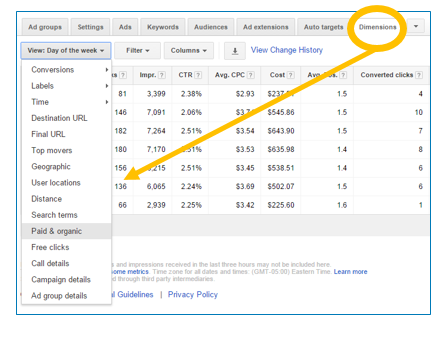
Travel website account managers should analyze their historical data to identify trends. The Dimensions Tab in Google Ads is an invaluable resource for this. It reveals peak conversion times and days, seasonal patterns, and geographic locations generating the most conversions. For example, resorts typically experience peak seasons in summer or winter, depending on their location. Marketers can utilize these insights to optimize their campaigns, ensuring their ads appear only when and where they matter most.
Travel Marketing Trend #2: Brand Loyalty Is Waning for Travel Sites
Travel marketers dedicate significant effort to building strong, recognizable brands. Consider JetBlue, with its long-standing “You Above All” tagline and “JetBlue Promise,” emphasizing spacious seating, a best fare guarantee, and quality in-flight amenities.
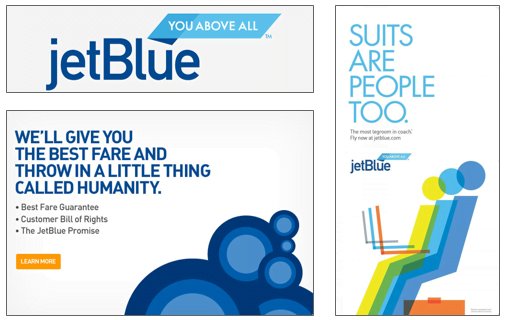
Similarly, The Mandarin Oriental hotel chain has cultivated a brand synonymous with luxury and exclusivity, often featuring celebrity endorsements in their ads with the tagline “(s)he’s a fan.”

Despite these efforts, it’s surprising to learn that only 14% of leisure travelers consistently book with the first airline that comes to mind when they begin their research. This figure drops even further to 10% for the first hotel brand that comes to mind (statistics from Think With Google).
While maintaining brand consistency remains crucial, it’s essential to recognize that travel booking involves a lengthy decision-making process. Travelers need to be continuously reminded of your brand throughout this period.
Remarketing proves incredibly effective in achieving this. While some advertisers hesitate to implement aggressive remarketing campaigns due to user complaints about ads “stalking” them, it delivers results. Studies indicate that people are 76% more likely to click on a remarketing ad than a standard display ad, even after multiple exposures.
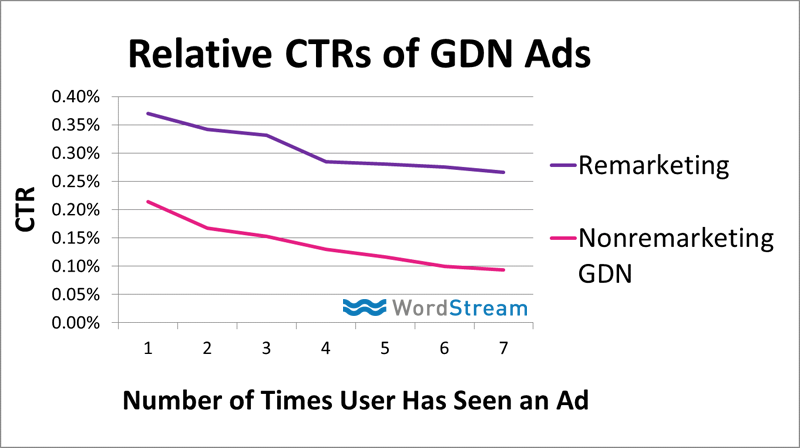
This report is based on a sample size of 85 client accounts representing US- based SMBs in all verticals. The report incorporates data from June 2014, and is taken from Google Display Network.
One primary reason for wavering brand loyalty in the travel industry is that potential customers often find better deals on comparison websites. Display remarketing can help combat this by re-engaging potential customers who have shown interest. For instance, let’s say someone was looking to book a hotel in Las Vegas and had their heart set on a particular high-end hotel but was put off by the price. They then began exploring more affordable options on a travel comparison website. Remarketing ads from the initial hotel, showcasing its luxurious amenities and appealing promotions, could effectively entice the user back and persuade them to make a booking.

Even though the user might initially resist, seeing those tempting ads can sway their decision. The constant reminders, strategic messaging, and enticing visuals can reignite their desire, eventually leading to a conversion.

The key to a successful aggressive remarketing campaign is twofold. First, setting high impression caps (potentially even unlimited) is crucial to ensure visibility. Setting conservative caps to avoid seeming “creepy” often backfires, as Google might not even show the ads enough times to be effective.
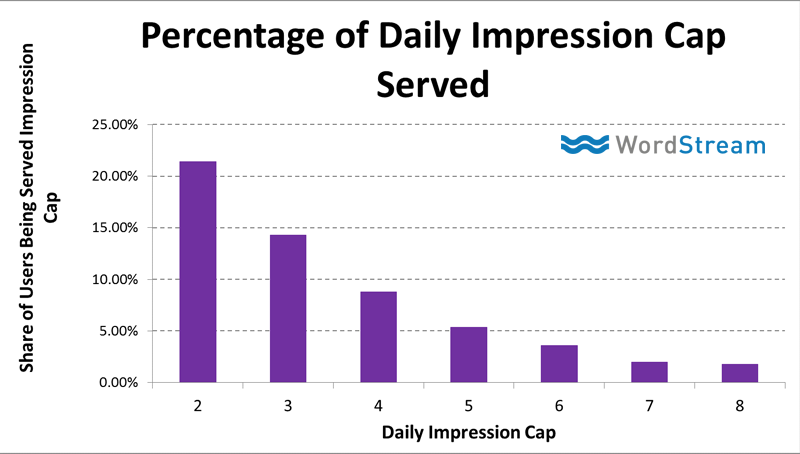
This report is based on a sample size of 85 client accounts representing US- based SMBs in all verticals. The report incorporates data from June 2014, and is taken from Google Display Network.
Second, setting the remarketing campaign’s membership duration to three times the average sales cycle is recommended. This ensures that ads continue to reach lagging leads who haven’t converted yet.
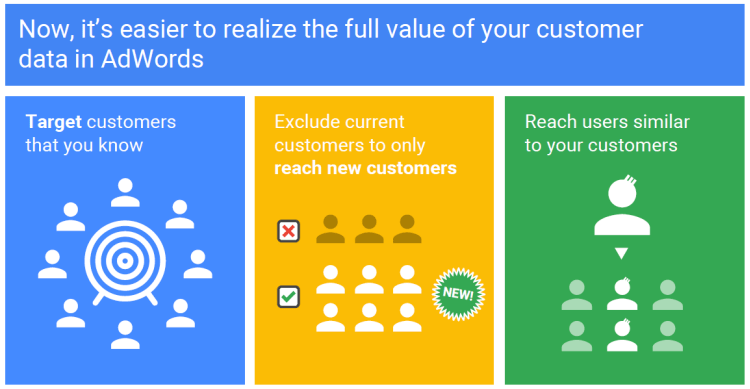
Travel marketers should also utilize Google’s Customer Match targeting feature. This tool enables uploading email lists of various prospect segments to Google Ads and tailoring specific ads and bids for them. This is an effective way to prioritize users already familiar with the brand.
Travel Marketing Trend #3: Mobile Searches Are Increasing
Mobile searches are becoming increasingly prevalent, and the travel industry is no exception. Google says that shows that mobile flight-related searches on Google.com have surged by 33% year-over-year, while mobile hotel searches have increased by 49%.
This rise in mobile search likely contributes to the trend of more frequent and shorter travel-related search sessions. People frequently use their smartphones to research travel options, browse travel sites during their commute, or even plan vacations from their beds.
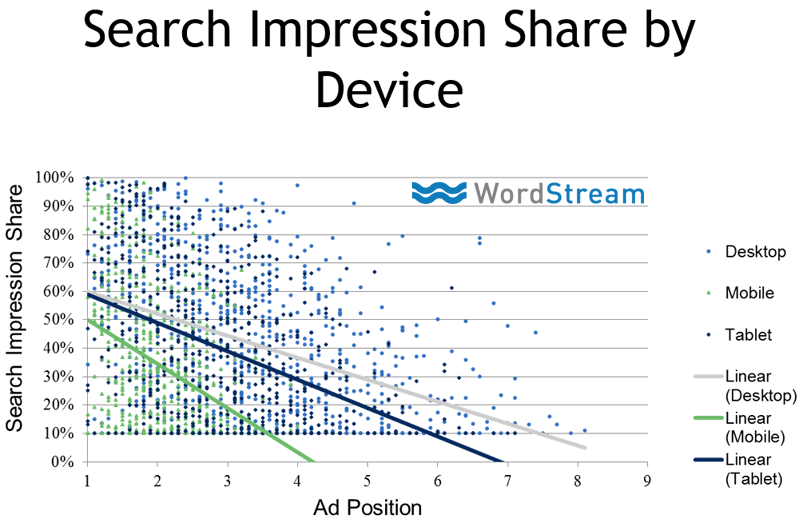
This report is based on a sample size of 240 accounts (nexus-security clients) representing US-based SMBs in all verticals. The report incorporates data from the Google Search Network in July 2014.
Unfortunately, securing visibility on mobile search results can be challenging. Research suggests that ads are half as likely to show on mobile compared to desktop, primarily due to limited ad space on mobile screens. If an ad doesn’t secure one of the top positions, it’s unlikely to be noticed.
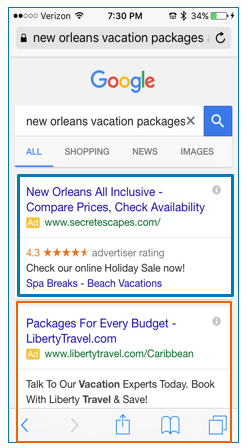
Achieving a high ad rank is crucial for capturing those coveted mobile spots. This involves improving bids, Quality Scores, or both for ads that aren’t performing well on mobile in terms of impression share.

Increasing bids might not be feasible for travel marketers with limited budgets. In such cases, selectively adjusting bids is recommended. Apply higher mobile bid modifiers to high-intent keywords and decrease bids or pause them entirely for low-intent keywords using a -100% bid modifier.
Travel Marketing Trend #4: People Are Willing to Book on Their Smartphones
Mobile devices are increasingly being used for online purchases, including travel bookings. Google reports that indicates that in the past year, conversion rates on mobile travel sites have soared by 88%.
However, there’s still room for improvement. same study reveals that 46% of travelers who research on their smartphones ultimately decide to book on another device.
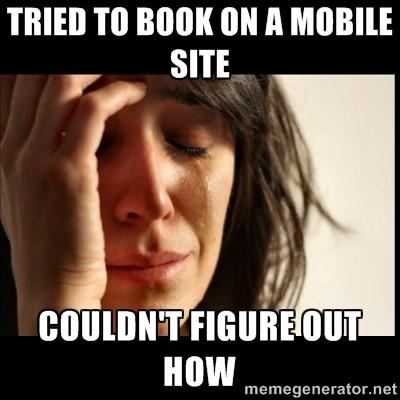
This statistic presents a significant concern for travel advertisers. Guiding a potential customer through the sales funnel requires substantial effort. It’s disheartening when a prospect decides to book but abandons the process because of a cumbersome mobile site.
This not only frustrates the user but also jeopardizes the sale. The prospect might turn to a competitor with a better mobile site or delay the booking and potentially change their mind.
The takeaway is clear: if a prospect is ready to book, the process should be seamless, regardless of their device.
If low mobile conversion rates are an issue, revamping mobile landing pages is essential. Here are some key elements to consider for a travel website’s mobile site:
#1. Simplify Credit Card Input
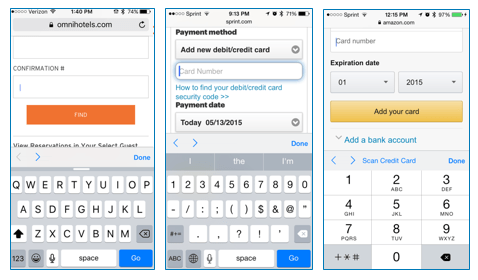
While seemingly minor, these adjustments make a significant difference for users. Many mobile checkout pages still use standard QWERTY keyboards for credit card fields, forcing users to switch keyboards, which hinders the experience. Providing a telephone-style keypad makes it much easier for users to enter their credit card information, especially on smaller screens. For guidance on setting this up, refer to Bryant Garvin’s awesome post on Search Engine Journal.
#2. Make the Phone Number Easily Accessible
It’s crucial to remember that phones are primarily designed for making calls. The phone number should be easily accessible on every page of the mobile site. Some people prefer booking over the phone, and if a user encounters difficulties during the mobile checkout process, they’re likely to call directly to complete the booking. If the number is difficult to find, the sale might be lost.
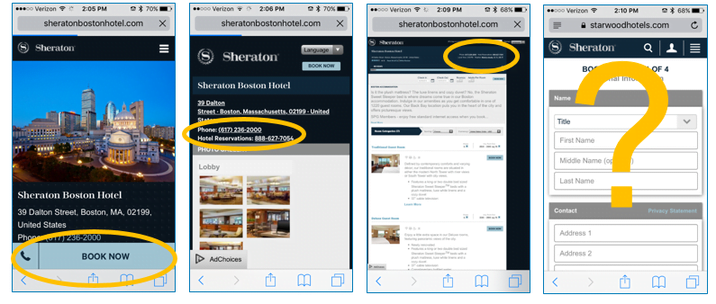
Even major brands sometimes overlook this aspect. Some might have a clear, clickable call option on their main site but bury it in small font on other pages or omit it altogether during the checkout process. This can frustrate users and lead to lost opportunities.
#3. Capture User Emails Early
Mobile users are often on the move and prone to distractions. To avoid losing conversions, it’s wise to request their email address early in the checkout process. This way, if they abandon the process, email marketing and Customer Match can be employed to encourage them to complete their booking.

Consider capturing email addresses as soon as users land on the mobile site. Using an enticing call-to-action, as demonstrated in the Blinds.com example, can be particularly effective, especially for businesses with less-than-optimal mobile sites that users tend to leave quickly.
#4. Leverage Call-Only Campaigns to Bypass Subpar Mobile Landing Pages
Sending mobile searchers to a poorly designed mobile site can be detrimental. While investing time and resources to create a seamless mobile experience is paramount, call-only campaigns can be a viable temporary solution.
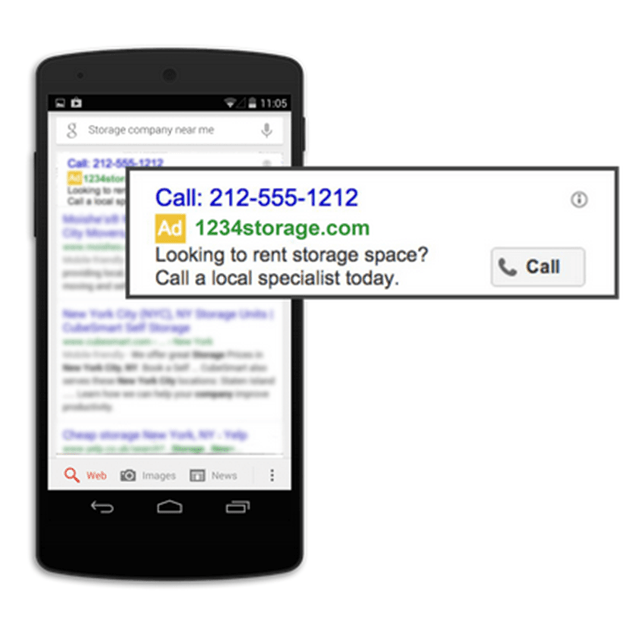
This ad format prioritizes phone calls over website visits. It features the phone number prominently as the headline and includes a user-friendly click-to-call button. This allows businesses to capture leads and drive conversions while working on improving their mobile website.