What distinguishes us from other wild animals is our capacity for future planning. (Of course, a shocking number of humans have eaten Tide pods; whether our species is exceptional is ultimately your call.)

Planning is challenging because we exist in a world of instant gratification. We endlessly scroll through feeds, chasing that dopamine rush, and search engines answer any question in seconds. However, applying this “instant” mindset to life aspects requiring strategy, planning, and execution—like digital marketing—leads to disaster. Without a solid foundation for your marketing endeavors, including Google AdWords or Facebook ads, scaling will harm both your finances and your sanity. Whether you engage an agency or manage paid media yourself, ensure your house is in order. This post will guide you through four crucial steps to complete before scaling your paid advertising.
#1: Have a Functional Website That Drives Action
It may seem obvious, but my first piece of advice, especially for beginners, is to have a website. You’d be surprised how many people, eager to showcase their brand, attempt to do so without a web domain. Remember, you must crawl before you can run. Even when advertising your Facebook business page, lacking a website raises red flags about your legitimacy. Whether you operate a physical store or utilize third-party platforms, a website is non-negotiable for Facebook, Google, or any other ad platform. Fortunately, creating a simple, appealing website is easier than ever with affordable services like Squarespace and Wix. For long-term integration, consider WordPress, but remember that complexity increases creation and maintenance difficulty. You might need a web developer; starting with simpler options and migrating later could be beneficial.

In the 2010s, having a website is easy. However, making that website enticing enough for people to desire your product or service is another challenge entirely. Some deeply understand their business but struggle to communicate its value simply and appealingly. Others refuse to acknowledge that their site’s unattractiveness or confusing design hinders results. Either way, such scenarios will impede running ads and scaling effectively. Recognizing when your website is ineffective can be tough, especially after investing significant time in it. What constitutes “ineffective?” In short, it doesn’t produce desired outcomes. Here’s what an ineffective website might entail:
No mobile optimization
Ensuring your website is mobile-friendly is crucial for maximizing your advertising budget. Most web hosting services offer fully mobile-optimized templates or allow device-specific versions. Test this by accessing your website on your phone or resizing your desktop window. If the site doesn’t scale down with the window, it only appears reasonable on larger screens. Remember, users spend an average of 69% of their media time on smartphones.
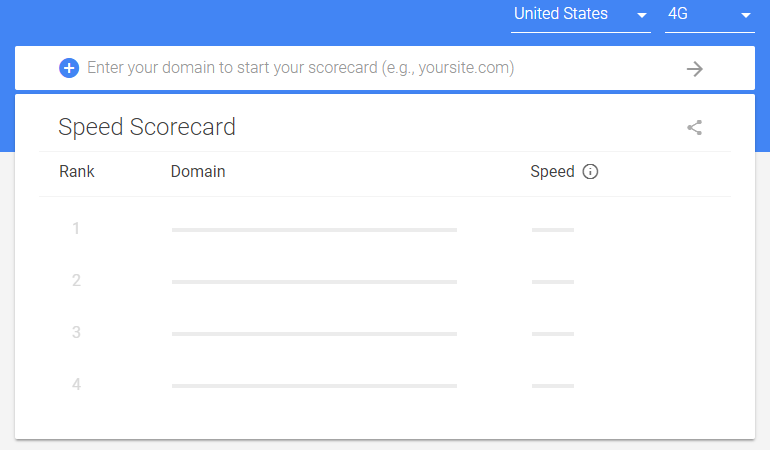
Also, check mobile load times. Even with proper scaling, slow loading times can deter visitors. People have short attention spans, and a few extra seconds can be the difference between a sale and losing a potential customer. Thankfully, Google offers free tools to assess your site speed.
Excessive text
If your website resembles a chapter from The Count of Monte Cristo (unabridged version!), keeping visitors engaged will be challenging. When you have mere seconds to convince someone to click a paid ad, conveying information concisely is paramount. Your website’s layout and copy should facilitate the desired prospect action.

A frequent mistake is cramming everything onto the home page while neglecting subsequent pages. Think of your website as a tourist attraction; you want to guide visitors to their desired destinations efficiently. Do that.
Outdated design
If you have spinning 3D gifs, Word Art, or anything reminiscent of Mario Paint, it’s safe to assume your 16-bit masterpiece isn’t mobile-optimized. While I appreciate the 90s, your digital relics will shine brighter on 21st-century devices without the dial-up nostalgia. Unless you’re targeting Nokia users, that is. This emphasis on website design stems from a crucial fact: when running paid ads, the landing page significantly influences whether users convert.
#2: Set up Google Analytics and Track Conversion Goals
Traffic and its resulting actions are incredibly important. The best solution for tracking everything from site visits to specific conversion goals is integrating your website with Google Analytics. Whether you’re already advertising online or planning to, attributing every dollar spent to its resulting action is crucial. Seasoned marketers understand this, but many businesses rush into advertising, assuming Facebook and Google will automatically track conversions and traffic in detail. They won’t.
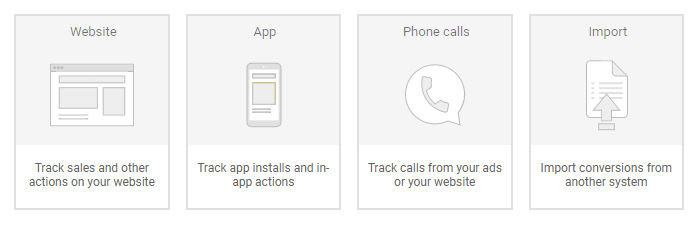
Having an infrastructure that reveals people arriving from “X” page and converting through “Y” offer simplifies everything. While the initial setup might appear daunting, it’s like going to the gym: you’ll be grateful later.
Setting up Google Analytics
This video offers a concise overview of getting started with Analytics and is far more helpful than I could ever be in explaining the process.
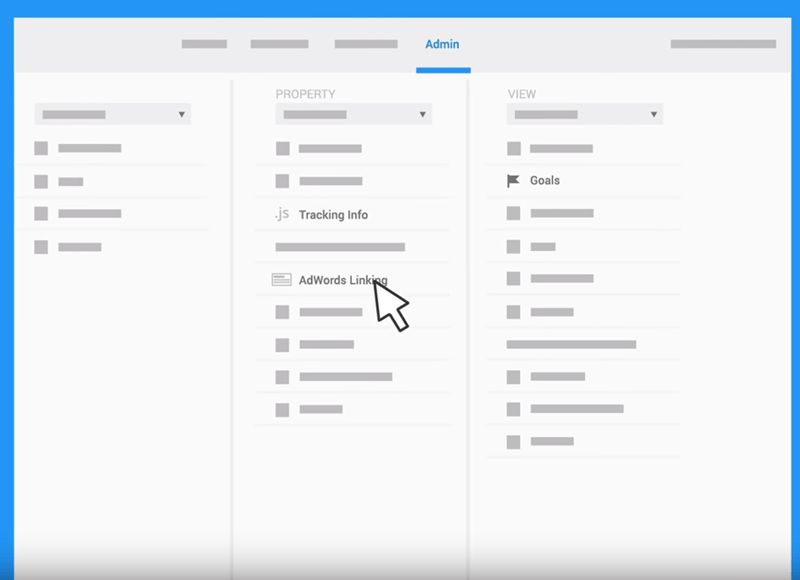
If that wasn’t enough, this Google support page should do the trick.
Defining meaningful conversion goals
Measurement hinges on defining your business’s crucial actions, achieved in Google Analytics by setting goals. To avoid excessive detail, refer to here is a walkthrough for setting up goals in Google Analytics, understanding different goal types, and their significance.
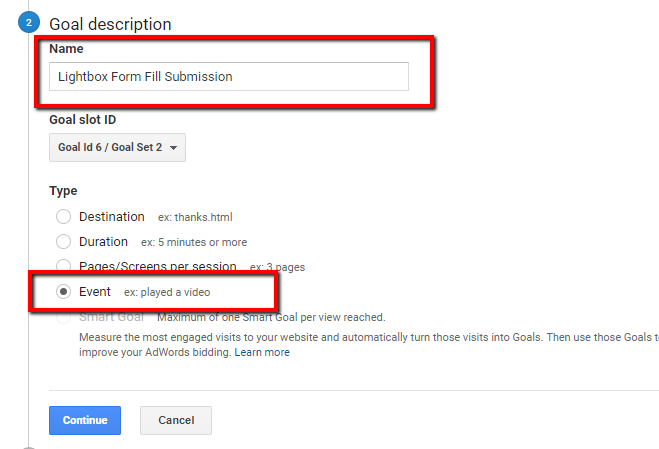
The goal is to visualize user activity on each page and understand the percentage completing goals. A more effective website and targeted approach lead to higher goal completion rates. Conversions from AdWords or Facebook should be trackable as goals within Google Analytics. This clarifies reporting discrepancies between platforms and enables remarketing audience creation, crucial for scaling. The critical link between paid advertising platforms and your Google Analytics structure lies in attributing costs to results (or their absence). Google Analytics also instills the habit of placing pixel codes throughout your site, proving helpful when advertising on multiple platforms requiring their own code.
#3: Ensure Your “Back-End” Aligns with Your Business
“Everyone has a back-end, Brett.” Indeed. To clarify, we’ll refer to anything within Facebook, Google, etc., as the “Front-end.” Anything involving your website and sales cycle constitutes the “Back-end.” Many businesses encounter a common issue: driving leads and sales through paid advertising without a back-end capable of handling the volume. Alternatively, they lack systems for effectively organizing and cleaning leads (removing spam without overwhelming the sales team). Google Analytics lays the foundation, but the journey from tracking results to processing them is lengthy. Depending on your business, you might accept any visitor who converts on a page, provided their credit card works (e.g., e-commerce). However, businesses needing to qualify leads for sales require a system for efficient processing. Numerous SAAS companies offer assistance, each with varying quality, complexity, and cost (not always correlated). Popular options include:
Hubspot
Offering a range of marketing products, HubSpot is renowned as a SAAS success story. However, note the potential gap between popularity and quality and HubSpot’s “jack of all trades, master of none” approach. HubSpot provides a functional CRM and decent landing page templates, but none will amaze you with usability, aesthetics, or customization. It does, however, boast the shortest learning curve.
Marketo / Eloqua
These are grouped due to their similarities, with some arguing Marketo caters to mid-sized businesses, while Eloqua targets enterprises.

Both have steep learning curves and are not cheap. As your operations become complex with multiple lead flows and customer acquisition paths, hiring a dedicated CRM architect for one of these platforms is crucial for scalability.
Salesforce
The most popular CRM for a reason.
Salesforce integrates with practically everything, streamlining marketing and sales efforts.
Drift
Drift pioneered conversational marketing, a lead generation and nurturing approach rapidly gaining popularity.

They undeniably offer an effective product. Implementing chatbots on your site facilitates real-time visitor conversion, and depending on your business, you might need to structure your sales systems around them. Just remember to track them in Analytics.
#4: Build a Consistent Brand
A business starting its marketing journey might lack a fully developed brand identity. It takes time for a young company to evolve into its successful, scaled-up self.
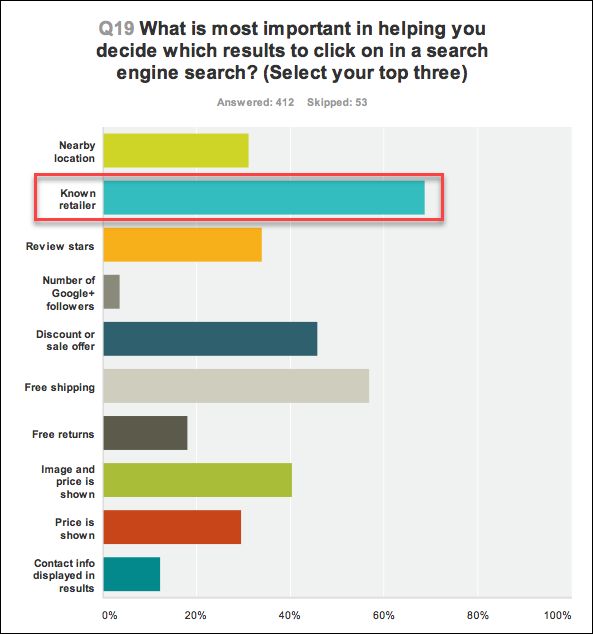
Problems arise when businesses excessively experiment with their marketing, resulting in a muddled and ambiguous brand identity by the time they’re ready to scale. While branding in the digital realm deserves a separate post, here are the essentials for ensuring consistency and strength behind your ads.
Maintain a consistent tone and visual identity
Not only do you need one, but you should strive for the best possible. Whether you possess artistic talent or require a designer, building a strong brand requires a compelling logo, bold colors, and legible typefaces. Your brand will be everywhere. Ensure your logo is high-resolution and contemporary. Minimize the gap between brand perception and reality (or ideal). Books are judged by their covers, especially unread ones.
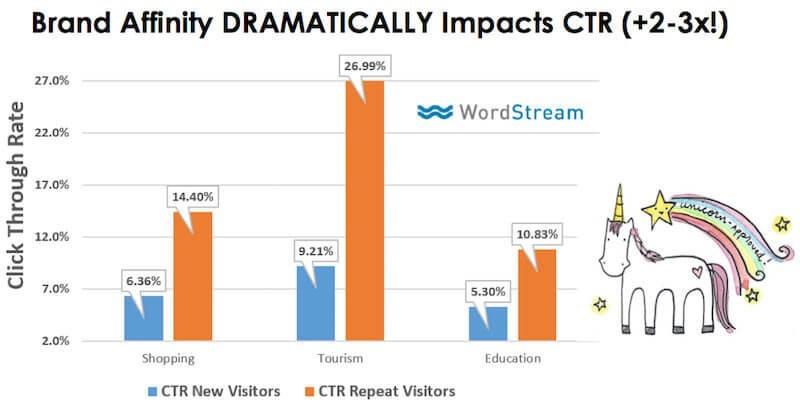
I’ve encountered businesses employing different tones based on their promotions. This shortsighted tactic ultimately dilutes and weakens your brand. Choose a specific messaging tone and stick to it unless it proves ineffective. Then it’s time to rebrand. Consider your brand an integral part of your infrastructure. The stronger the foundation, the easier it is to scale efficiently across paid and other channels. Like a snowball gaining momentum down a hill.
Craft a clearly defined value proposition
Your web copy, related promotions, and sales materials should all stem from your business’s core value proposition.
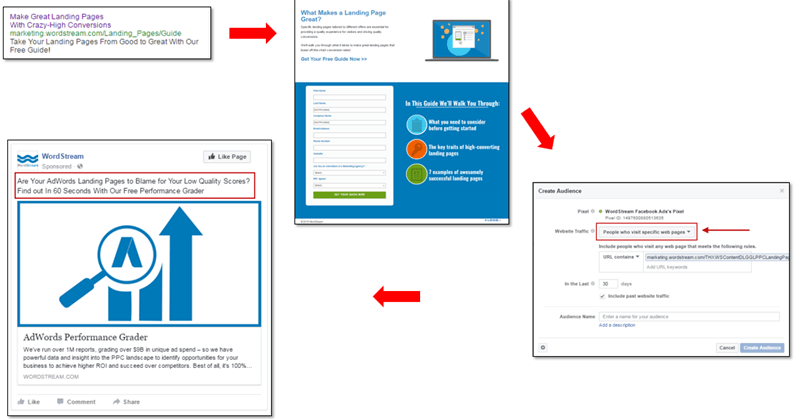
Admittedly, some businesses are multifaceted, with multiple products boasting various selling points. The key is consolidating them into a unified concept representing your brand – the umbrella sheltering your products both physically and in the minds of your target audience. The more synonymous your brand becomes with its delivered value, the easier scaling through paid advertising becomes, just like a snowball gaining momentum down a hill.
Final Thoughts
Many struggling businesses believe paid ads are a magic bullet (often neglecting points 2-4 above). Sadly, they aren’t. Conversely, some successful businesses believe they’re “above” paid advertising or hold misconceptions about the potential of AdWords, Facebook, and other paid channels. Both perspectives are flawed, stemming from opposing reasons. If you fall somewhere in between, understand that paid advertising alone won’t guarantee scalability. It requires a strategic approach, time, and taking responsibility when results are lackluster. Remember, achieving “scale” requires a foundation built on success.