The online advertising world is changing rapidly, and staying ahead of the curve is crucial for marketers. It’s not just about keeping up with Google Ads’ constant evolution but also navigating the rise of social PPC. The abundance of data available to us is staggering, offering the potential to reach highly specific audiences across search, social, and display platforms. However, this potential can only be unlocked if we can analyze and transform this data into actionable strategies. To help you navigate this dynamic landscape, let’s explore three major trends shaping online advertising’s future:
Trend #1 – The Rise of Identity-Based Pay-Per-Click Marketing
Display advertising, once considered ineffective, has undergone a significant transformation. The evolution of targeting options from basic keywords to interests, remarketing, and now, the ability to reach individuals based on their phone numbers and email addresses has revolutionized display advertising.
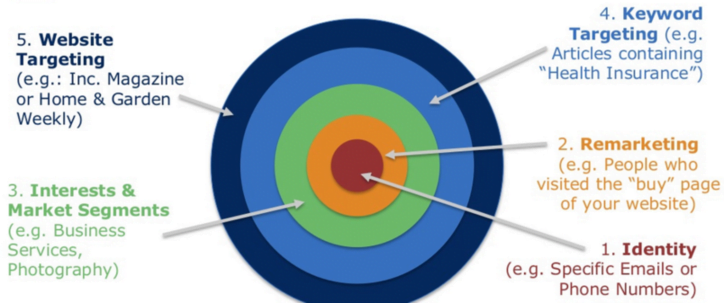
This level of targeting, arguably the most significant development in PPC today, makes it feel more like email marketing. We can now target individuals directly, similar to email, but without the limitations of unsubscribes or opt-ins.
Identity-Based Marketing Opens Up Tons of New Use Cases in PPC
While paid virality might seem like a contradiction, PPC can be a powerful tool for content promotion. In a digital world saturated with content, strategic PPC campaigns can make your content stand out. By targeting specific influencers and leveraging their reach, you can amplify your content’s visibility.
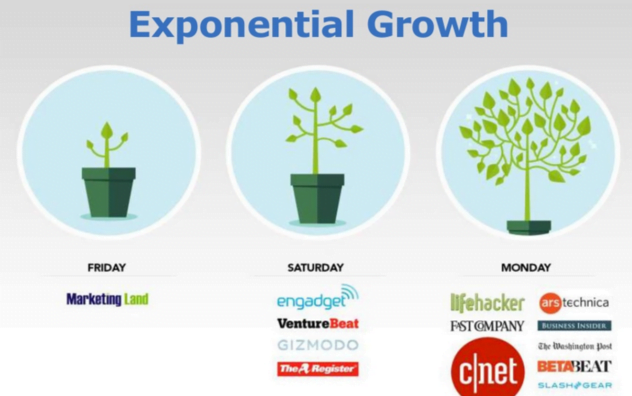
PPC’s ability to put your content in front of a highly targeted audience, including journalists and influencers, can significantly impact its reach.
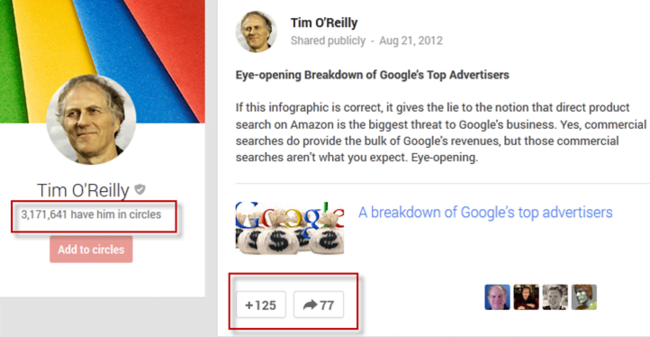
Targeting influencers, even if they don’t directly write about your content, can attract media attention. By layering demographic filters on top of identity targeting, you can refine your audience even further, a capability not readily available with email marketing.
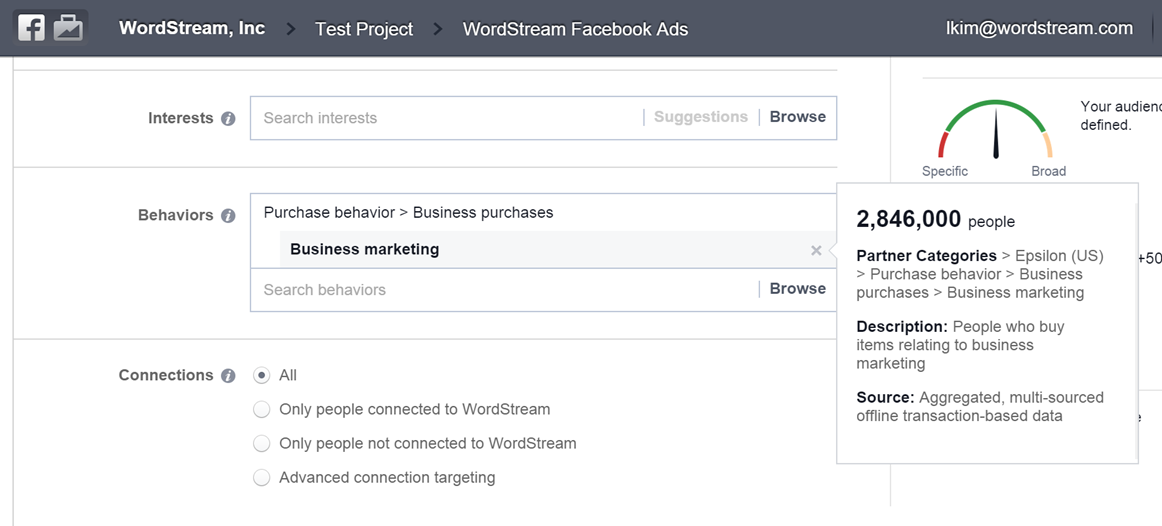
This level of granularity in targeting is where the true power of identity-based marketing lies.
Keep in mind, however, that traditional cookie-based remarketing faces challenges in the mobile app environment. As app usage surpasses desktop browsing, identity-based targeting becomes essential for reaching your audience effectively.
Key Takeaways:
- Creating compelling content and strategically exposing it to influencers is crucial.
- Identity-based ad targeting unlocks a wide array of new PPC marketing possibilities.
- Combining identity targeting with behavioral and demographic filters unleashes the full potential of this approach.
Trend #2 – Automation: The Rise of the Machines
Google Ads is progressively shifting towards automation, replacing manual optimizations with automated solutions. While this saves time, it also necessitates a shift in focus for marketers.
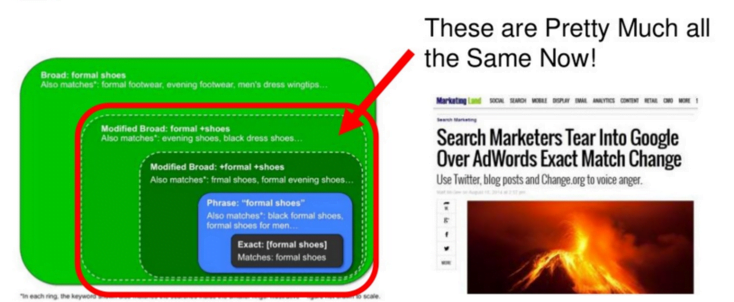
Recent changes, such as Enhanced Campaigns and the redefinition of keyword match types, demonstrate this shift. Repetitive tasks are becoming obsolete, replaced by technology-driven optimizations.

As automation takes over, the role of the search engine marketer must evolve.
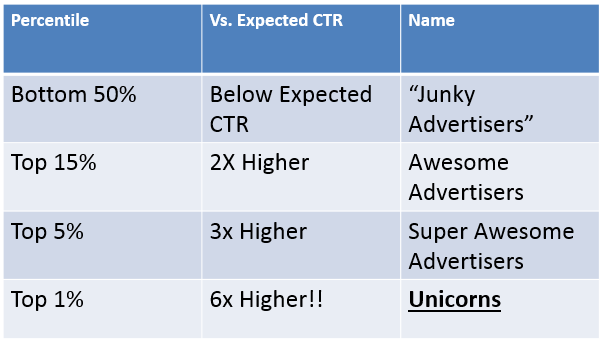
Analyzing billions of dollars in ad spend reveals a significant performance gap between the best and average PPC marketers.
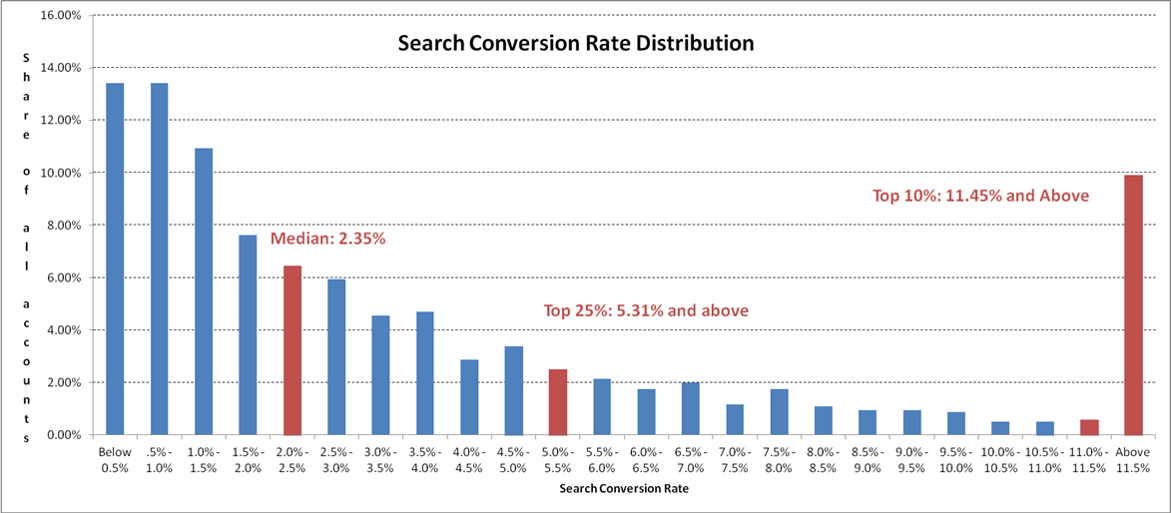
The top performers, often early adopters of new features and formats, focus on strategic marketing rather than tedious tasks.
Key Takeaways:
- Embrace automation and use the freed-up time to become an early adopter of new features.
- Prioritize strategic marketing decisions over minor tactical adjustments for greater impact.
- Strive to be exceptional in a field becoming increasingly competitive.
Trend #3 – The Convergence of Paid/Organic Teams and the Rise of Content Remarketing
The lines between paid and organic marketing are blurring, requiring integrated strategies for maximum impact.
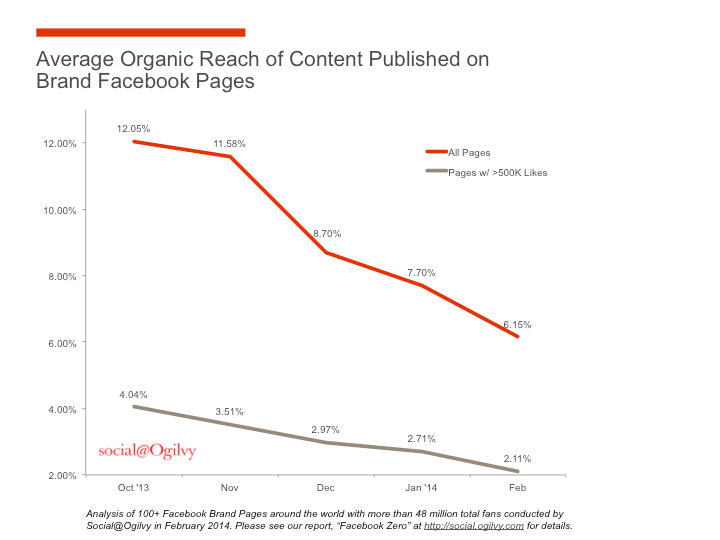
With organic reach declining on platforms like Facebook, content remarketing becomes crucial. By targeting website visitors with tailored ads based on their behavior and demographics, you can re-engage them effectively.
Let’s see how Content Remarketing works:
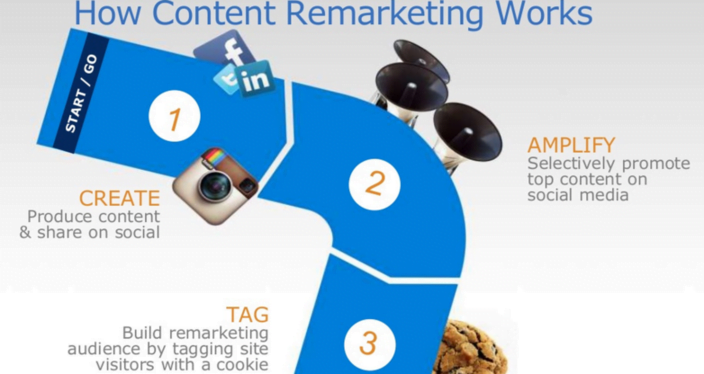
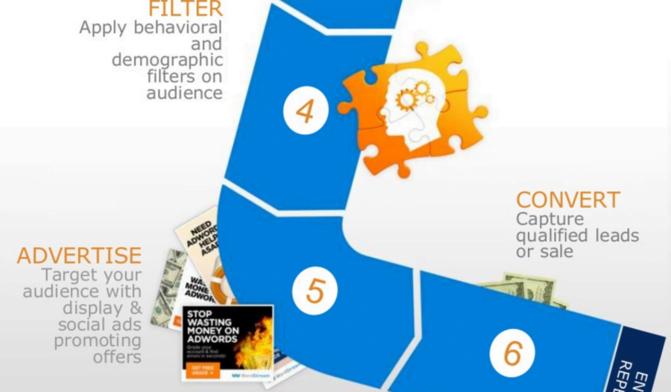
Content remarketing can be broken down into six key steps:
- Create high-quality, engaging content and share it on social media.
- Amplify your top-performing content through selective social media promotion.
- Tag website visitors with cookies to track their on-site activity.
- Filter your audience based on behavior and demographics to create relevant segments.
- Advertise to these segments using display and social remarketing ads.
- Convert leads and drive sales through targeted offers.
Where Content Remarketing Fits in the Funnel
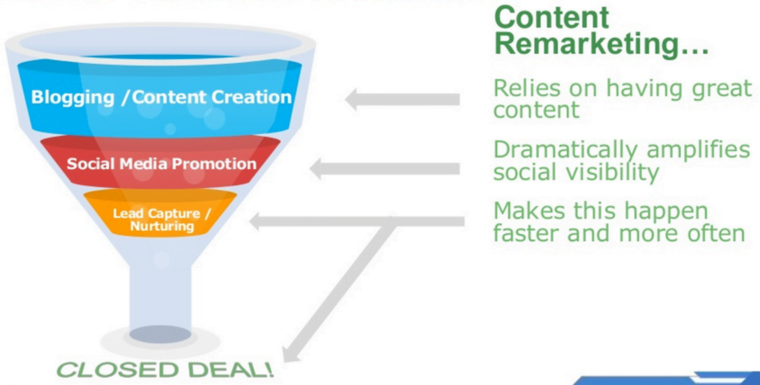
High-quality content is the foundation of successful content remarketing. Without it, your campaigns will be ineffective. Remarketing allows you to re-engage interested audiences with targeted messaging, maximizing the impact of your content.
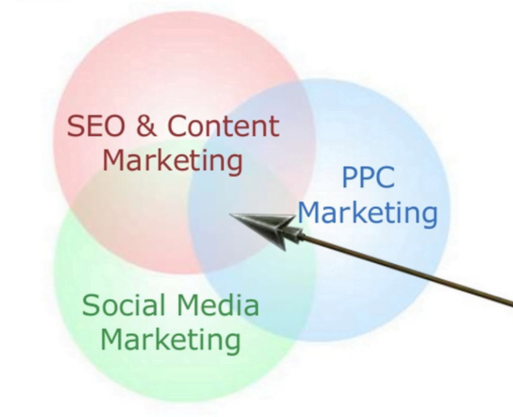
Content remarketing sits at the intersection of SEO, content marketing, PPC, and social media marketing, leveraging the strengths of each channel for a unified strategy.
The Paid Social Flywheel Effect
Paid social promotion creates a flywheel effect, extending your content’s reach beyond the initially targeted audience.
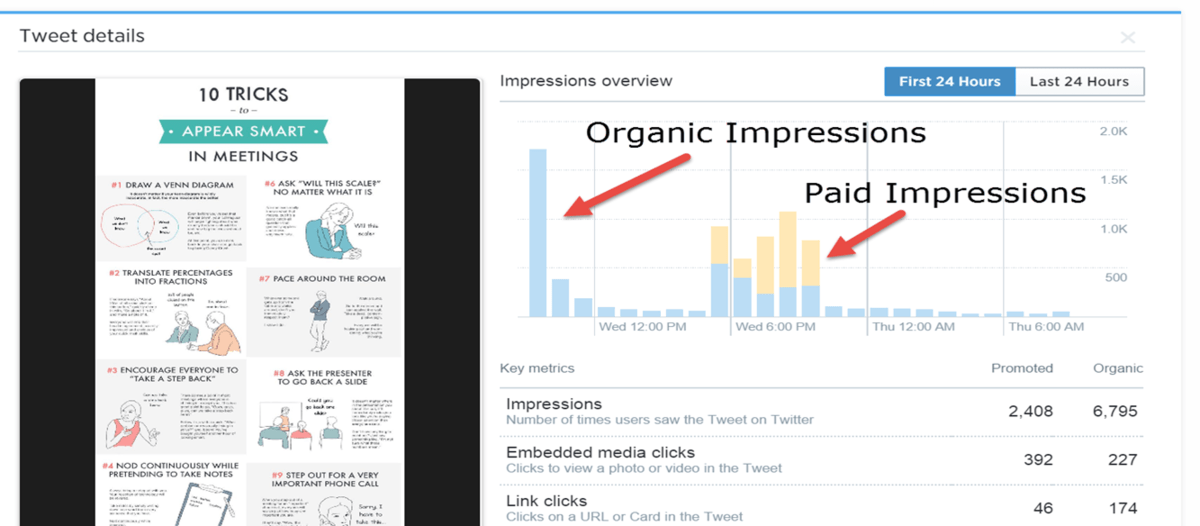
As users engage with your promoted content, they organically share it with their networks, amplifying its reach without additional cost.
Getting Started with Paid Social Content Promotion
To get the most out of your paid social promotion, focus on content that resonates with your audience. Utilize social remarketing features, target your existing followers and brand advocates, and experiment with different ad formats to find what works best.
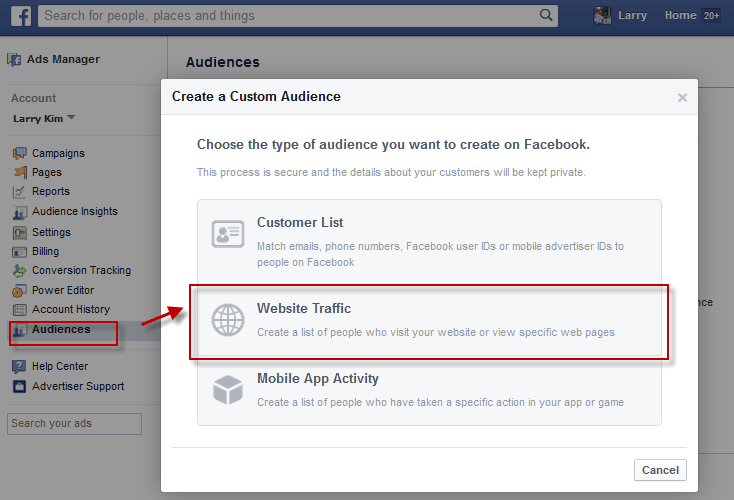
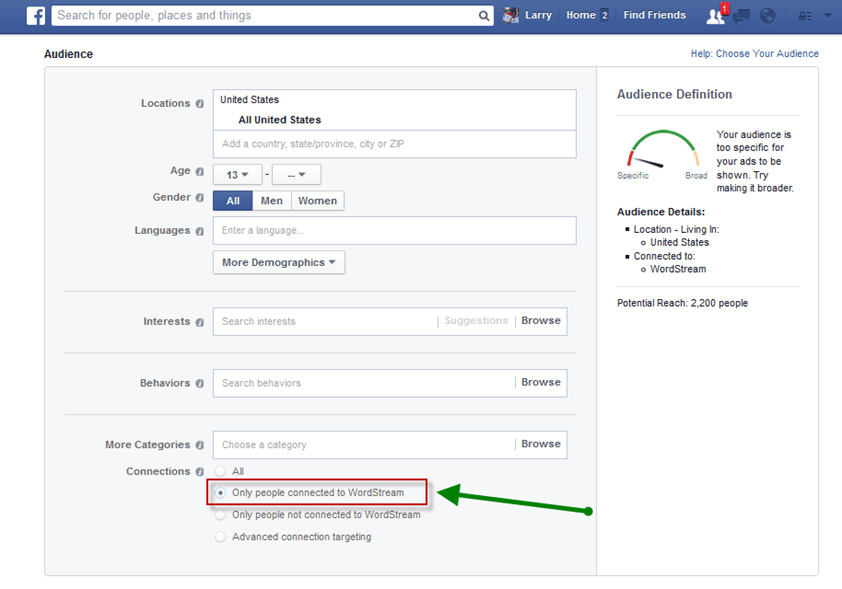
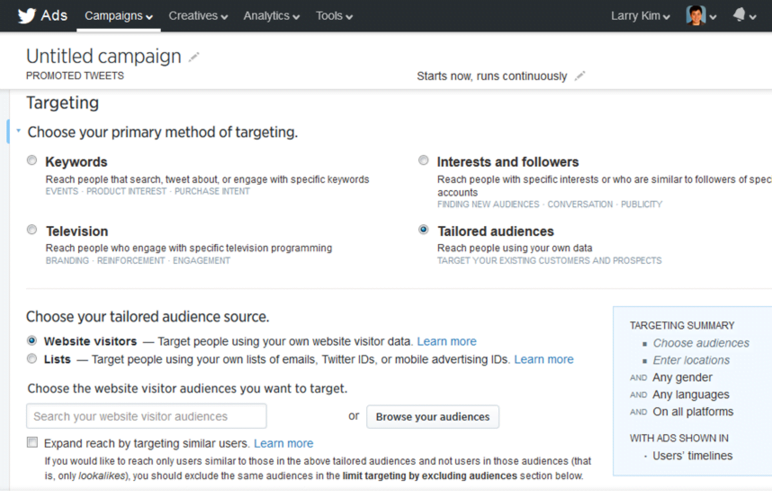
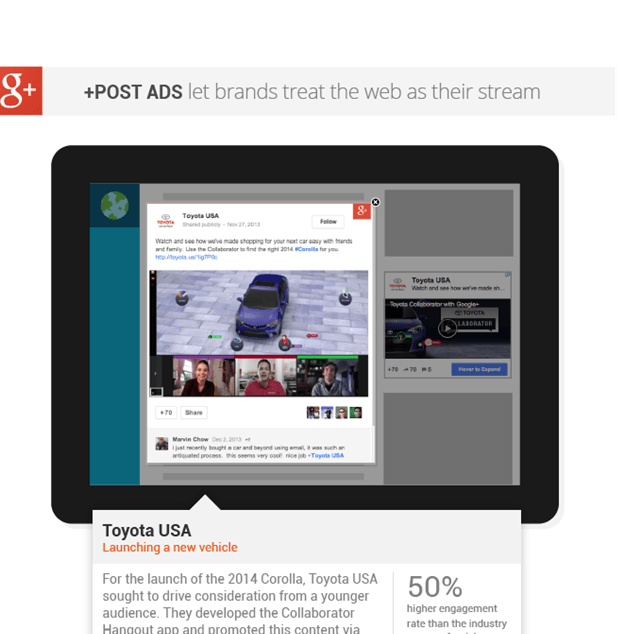
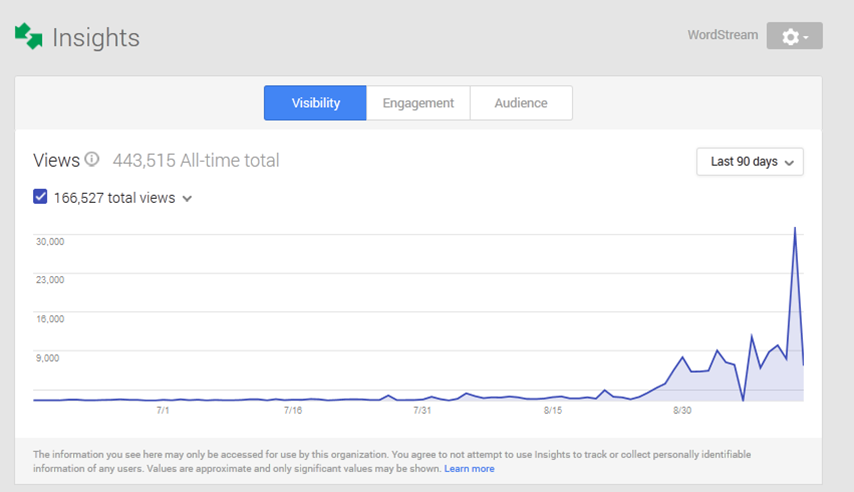
Promoting Content on the Google Display Network Using Remarketing
Content remarketing on the Google Display Network can be highly effective when done right. By targeting specific audiences with relevant, high-quality content, you can increase your click-through rates (CTRs).
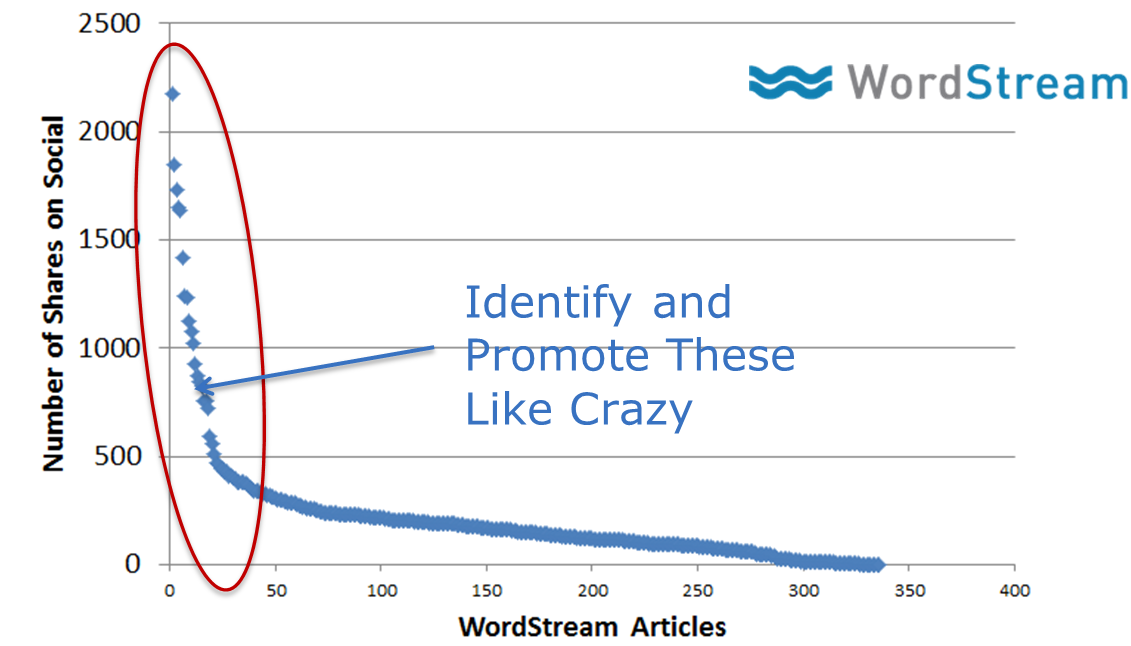
Focusing on promoting your top-performing content is key.

When crafting your display ads, aim to evoke emotions in your audience.
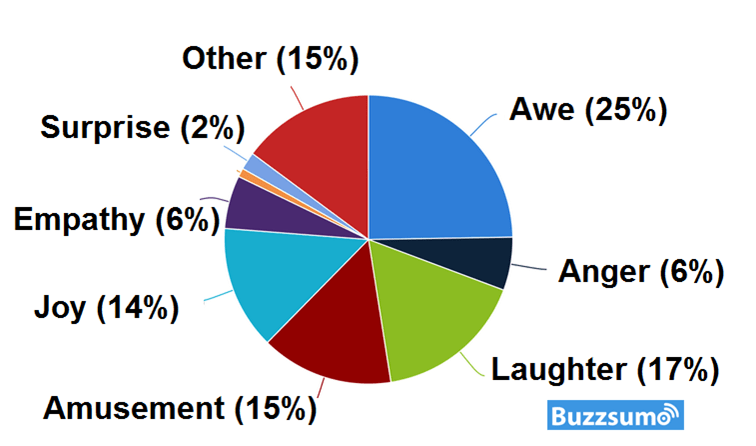
Appealing to emotions such as awe, laughter, and amusement can significantly increase engagement.
Key Takeaways:
- Content remarketing, social media, and PPC marketing are merging, requiring integrated paid and organic strategies.
- Content remarketing significantly amplifies the effectiveness of content marketing and social media efforts.
Congratulations on reaching the end! I hope you found this exploration of key trends valuable. Feel free to ask any questions you may have.
Data Sources
All data, unless otherwise specified, is based on a sample of 2,000 small and medium-sized businesses across various industries that actively advertised on Google Search Network across all devices in 2013 and 2014. Data specific to the Google Display Network is based on a sample of 600 similar businesses advertising on the platform in June 2014.