Socrates might have said: a campaign without measurements is not worth running. Without specific objectives and profitability-focused KPIs, your campaign is destined for failure.
Clicks and sessions, while encouraging, are merely vanity metrics; they don’t directly translate to revenue. The real game-changers are the metrics that fuel engagement, campaign optimization, and scalability.
This article will delve into three potent, often overlooked metrics that can truly elevate your PPC campaign performance.
1. Revenue per session: The bottom line
If your goal is to make money, you likely track metrics like clicks, spend, CTR, conversions, and profitability. You’re probably adjusting bids, using negative keywords, and segmenting campaigns across platforms like search and display.
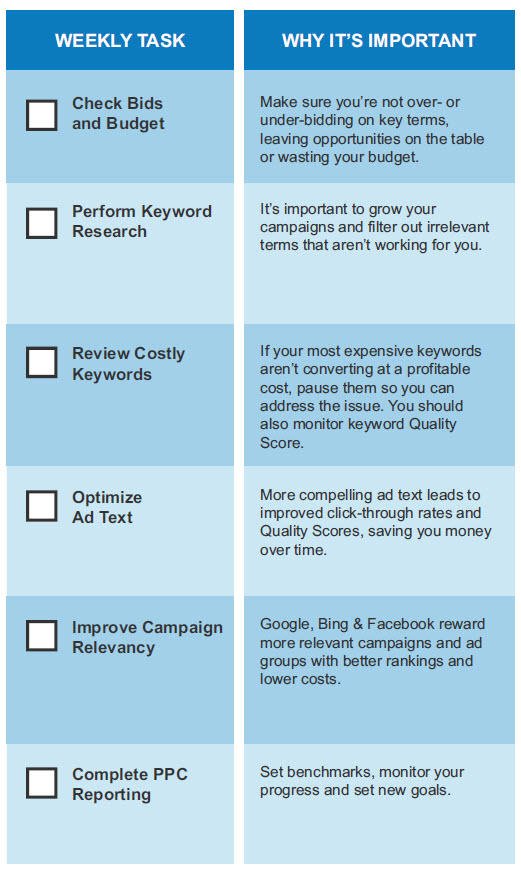
If not, it’s time to rethink your approach. These best practices are essential to avoid losses and wasted ad spend.
While these metrics are important, revenue per session (RPS) should be your guiding star. Your bid price likely aims for the lowest possible value while maintaining visibility.
However, accurate profitability and margin calculations depend on knowing the actual revenue generated per session. Assigning a monetary value to clicks and conversions, while important, is more of an estimate than a precise figure.
If your bid assumes 60% of clicks lead to revenue (like bidding on eBay auctions), or 10% of signups go premium in a freemium model, your profitability relies on multiple volatile variables.
Take Spotify’s PPC landing page, for instance, which promotes both freemium and premium subscriptions, enabling them to track user acquisition and RPS per campaign:

Significant deviations in these values for specific campaigns can shatter your estimates. RPS, however, compares spend against actual revenue.
RPS also captures multiple revenue events. While a conversion might signify a single purchase, RPS accounts for multiple purchases or upsells, allowing you to segment and target the most lucrative customer acquisitions, much like Amazon does.
Furthermore, it helps you connect negative revenue events like refunds to campaigns, revealing their impact on revenue and profitability.
The key to calculating RPS is shifting from binary to granular measurement. Instead of yes/no conversions, track events based on their real monetary value. Then, utilize cross-channel analytics to link all conversion events (positive and negative) to the session.
2. Bounce rate: Visitors who don’t convert
Another vital metric is the bounce rate: the percentage of visitors who land on your page and leave without taking action.

Users might bounce before navigating further, abandoning forms, or quitting the purchase process prematurely. The reasons for these drop-offs vary depending on your conversion funnel.
Understanding exit points is crucial, especially with multi-step processes. Single-step processes allow for easy bounce tracking against UTMs (like source and campaign) in Google Analytics. More complex processes may require sophisticated product analytics.
Even with CPA-based affiliate programs, bounces matter. A flawed process might not directly lose money but hinders profit potential, making campaigns a waste of time.
Here’s why users might not convert:
- Subpar page design: Clear UX is paramount. Prioritize clarity over persuasion in landing page design.
- Conflicting calls to action: Provide a single, clear action. Multiple, conflicting options lead to inaction.
- Overly complicated conversions: Simplify forms and capture detailed information later. Streamlining can improve top-of-funnel leads.
- Misleading ad copy: Inaccurate ad-to-landing page redirection confuses users, harming conversion rates and quality scores. This includes CTAs. If offering a free trial, provide it instantly.
- Uninspiring CTAs: Words like “Submit” and “Apply” are passive. Test specific CTAs like “Download Your Report” or “Request Access” for better context and action prompts.
- Campaign targeting mistakes: Targeting uninterested users wastes money rapidly.
A/B testing CTAs, page designs, and copy effectively identify optimal layouts. For instance, Marissa Mayer famously split tested 40 shades of blue to determine the perfect hyperlink color. Uber’s current AdWords landing page for new drivers has undergone rigorous testing, from form fields to CTAs:

While effective, this optimization can yield marginal results. Consider a complete landing page redesign, analyzing the entire user journey.
When examining why winning variations succeed, understand user behavior. What drives their actions: the value proposition or the improved UX? These insights can spark breakthroughs in other marketing areas.
To elicit specific actions, minimize distractions, limit choices, and emphasize a single, clear CTA. Compare Google’s homepage (below) with Yahoo.com for a stark contrast in clarity. Matching messaging to your audience’s interests and language is also vital.

Tools like Optimizely, Hotjar, and Convert.com simplify A/B testing, allowing on-the-fly page edits. Heatmapping tools like CrazyEgg visualize user interaction, highlighting areas for design improvement.
Bounce rates can also expose campaign issues. Targeting a UK audience with a French website, or directing mobile users to a non-responsive page, will likely result in confusion and failure.
However, bouncing users aren’t always a lost cause. Retargeting can be valuable if they’ve progressed through several purchase steps.
Networks like AdRoll integrate with CRMs, enabling messaging adjustments based on lifecycle stages and other factors.
Finding the optimal approach often involves balancing multiple factors. For instance, revealing shipping costs late in the process might cause a significant drop-off. However, presenting them upfront might result in an even higher initial bounce rate. Split testing both scenarios can provide a definitive answer.
3. Conversion rate by audience segment: Know your users
The more you understand your users, particularly those who convert, the better you can tailor your campaigns. Consider factors like:
- Location: national, regional, DMA, city, or IP level.
- Device: broad categories (desktop, tablet, mobile) or specific operating systems.
- Demographics: age, gender, occupation, marital status, education, income.
Targeting specific audiences and excluding ineligible users are fundamental best practices. For instance, if you only ship domestically, don’t advertise internationally.

Challenge your assumptions. Your health supplements might appeal to both bodybuilders and retirees, a discovery only possible through testing.
The takeaway: create distinct campaigns and ad groups for different segments. Instead of comparing their stats directly, treat them as unique entities. Develop tailored campaigns, landing pages, and even experiment with different pricing strategies.
You can gather user data from both ends of the process. Targeting specific landing pages with segmented campaigns provides clarity on user actions. Similarly, you can extract browser information, enhance it with purchase and form data, and connect everything using tools like MixPanel.
Conversely, as you learn more about converting users in each segment, refine your targeting to boost CTRs and conversion rates while reducing campaign expenses.
You’ll also gain insights into competition levels across different markets. You might even uncover a surprisingly profitable peripheral audience.
Conclusion
Mastering these three metrics provides a comprehensive understanding of your campaign’s performance drivers and optimization opportunities.
For large-scale campaigns, consider automation to minimize downtime, ensure rapid responsiveness, and streamline complex calculations. Track, optimize, iterate, and watch your campaigns soar.