Encountering an “Ad Disapproved” message from Google can be incredibly frustrating, particularly when the reason for the policy violation is unclear. Recently, we’ve observed a surge in ad disapprovals, with many cases unrelated to the advertiser’s actions. Let’s explore the three most frequent reasons for ad disapprovals that aren’t your fault. Important Update on Ad Disapprovals: Google has rolled out a new “three strikes” policy for ads. For more details, click here.
Medical/Pharmaceutical: My Business Is Not Medical!
Google is understandably strict about the products and services allowed to advertise under the medical category. You can review the full policy here. However, sometimes their automated systems incorrectly flag ads or websites for suspension, even when no policy violation exists. Consider advertiser A, who sells culinary herbs and spices but received an ad disapproval for mentioning Tamiflu and Penicillin. Here’s the ad in question:
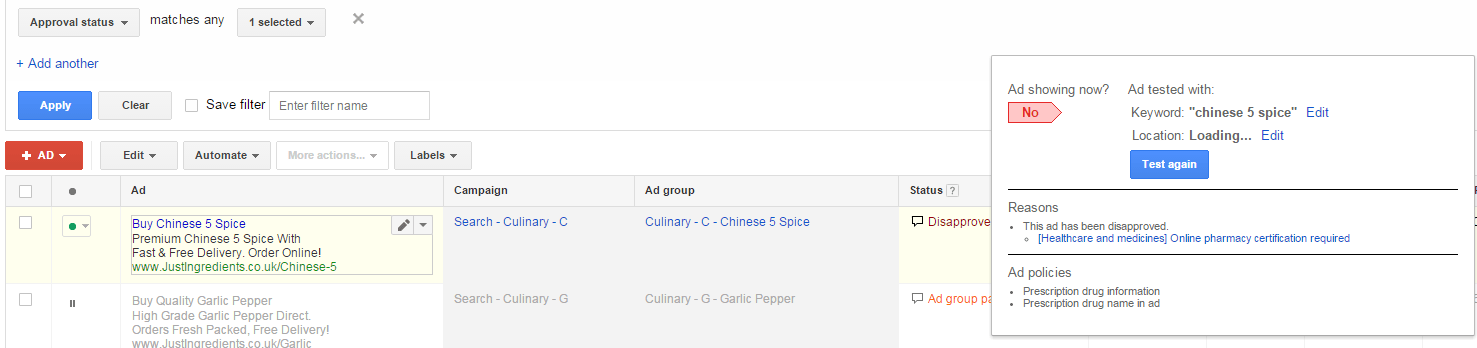
Headline: Buy Chinese 5 Spice Line One: Premium Chinese 5 Spice With Line Two: Fast & Free Delivery. Order Online! Display URL: www.JustIngredients.co.uk/Chinese-5 Destination URL: www.justingredients.co.uk/chinese-5-spice-2158.html?creative={creative}&keyword={keyword}&matchtype={matchtype}&network={network}&device={device} Curious about where this link leads?

As you can see, there is no mention of prescription drugs. However, when the advertiser requested clarification on the disapproval, these screenshots were provided:
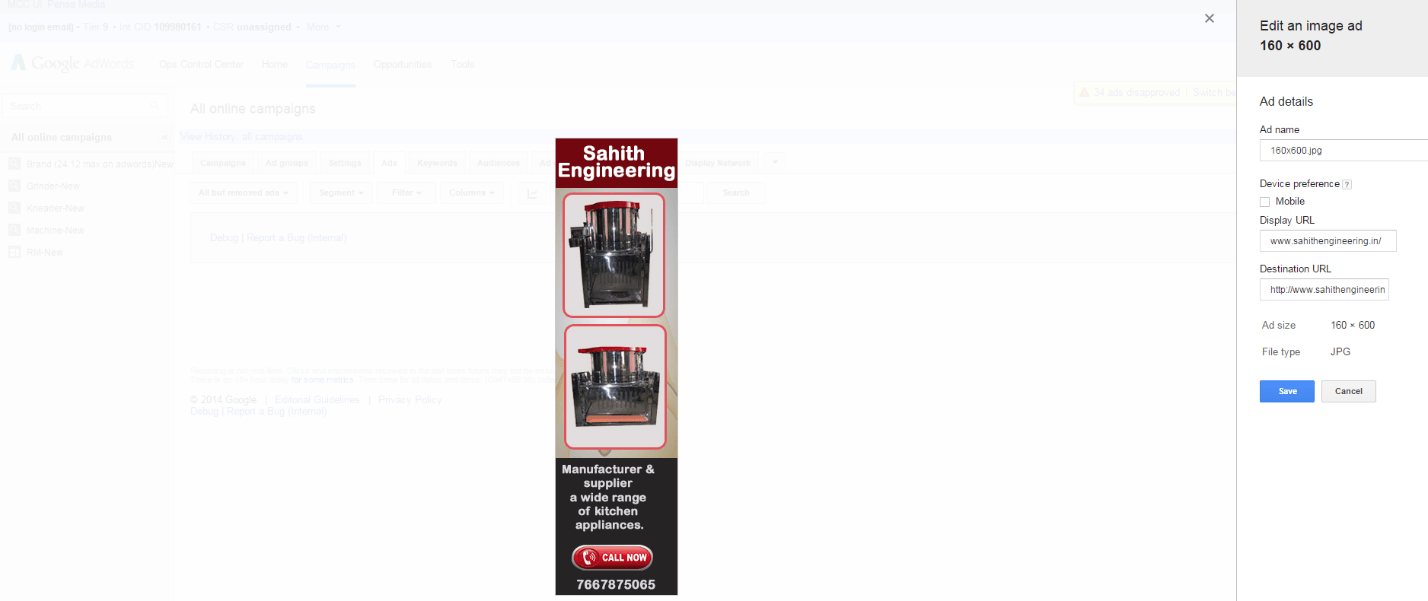
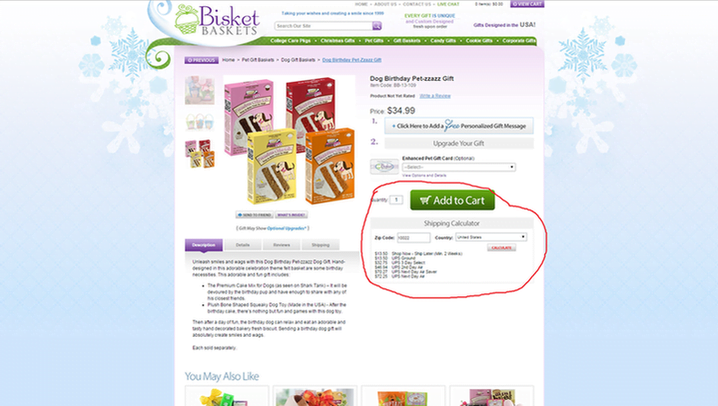
Neither of these websites or products are related to the advertiser or the medical flag from Google. As expected, the disapproval was lifted once the error was highlighted. This scenario is surprisingly common due to a simple reason: flags are often generated by website crawlers, not human review. Resolving these situations requires demonstrating the discrepancies to the Google team, which can delay the process and potentially impact revenue. If you believe your ad has been wrongly flagged under medical/pharmacy restrictions, contact AdWords immediately, as simply creating a new ad might not be enough. If the disapproval is valid (meaning you categorized your product/service as medical), you can follow the necessary steps to seek reapproval here.
Bad URL: But It Leads to the Correct Page!?
Selecting the appropriate landing page for your ad is crucial for conversions, but it’s also essential for avoiding ad disapprovals. Directing users to a page that doesn’t align with the ad’s promise can negatively impact your Quality Score or, worse, lead to ad disapproval. Google is usually right in these situations, but occasionally, cases like this arise: An advertiser collaborated with their client on a website redesign. Despite some loading issues, the destination URL functioned as intended. However, they received the dreaded ad disapproval notice: “We’ve determined that your site doesn’t comply with our site policies. As a result, we’ve disapproved all ads promoting this site.” When they inquired further, the response was: Parked domain.
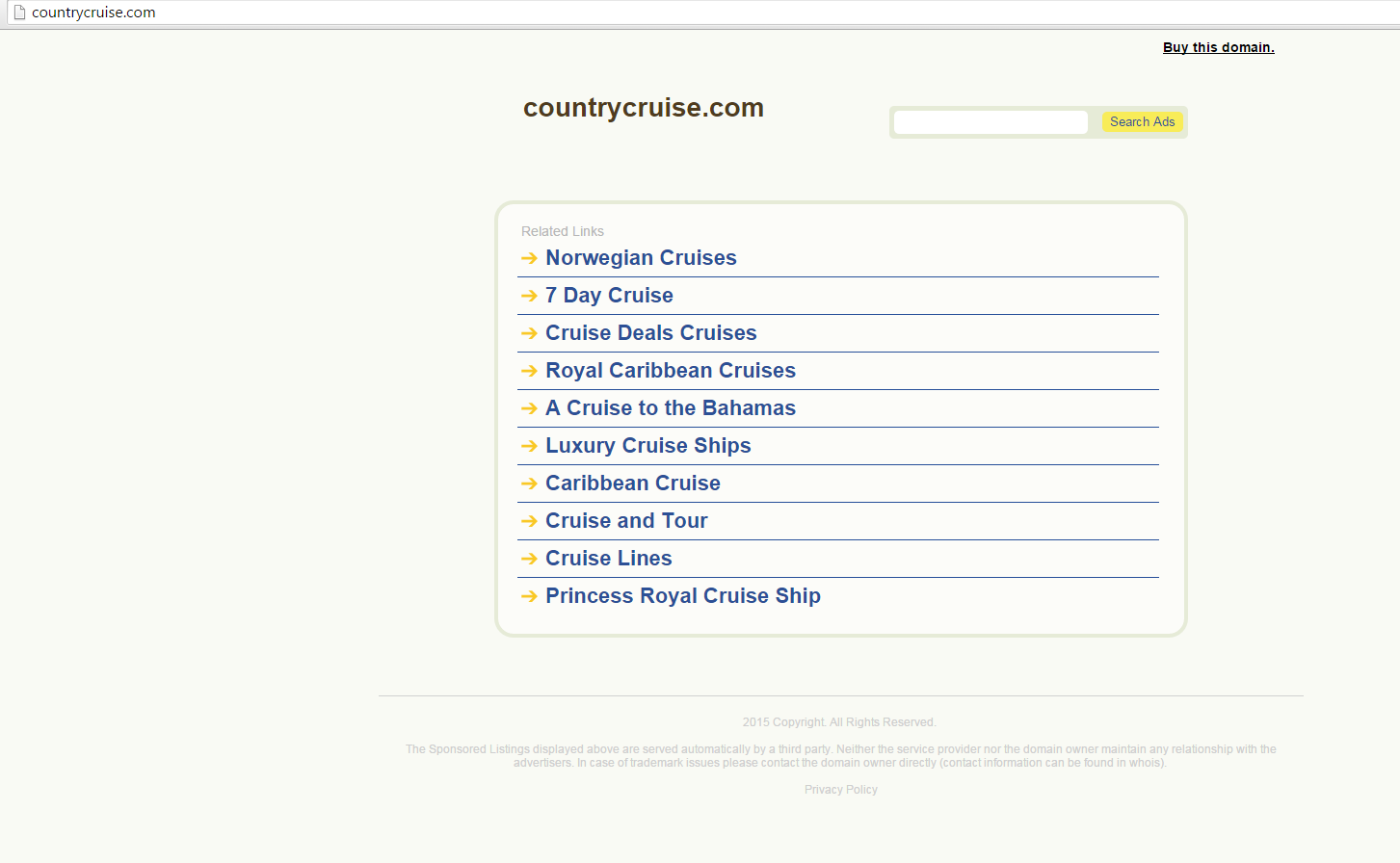
While this should have been the end of the issue – parked domains are a serious offense – the problem was that the flag was assigned to the wrong URL: CountryCruising.com instead of CountryCruise.com.

The disapproval was lifted after the error was identified. However, without communication with Google, the ad would have remained unjustly disapproved. This highlights that Google’s automated systems are not flawless. Another important point is the functionality of URLs globally. Google’s policy mandates that your URL must work for all users, regardless of your campaign’s targeting. This relatively new policy is important to remember, particularly during website redesigns.
‘Misleading Behavior’: Now What?

Our final example of a common ad disapproval is beyond both Google’s and your control: website hacking. A client, who wishes to remain anonymous, offers a service connecting US host families with international students seeking accommodation. Their landing pages direct users to an application process for families. The website makes no medical claims whatsoever – yet, their ads were disapproved for misleading promises and promoting a medical site. Upon investigation, the root cause was not an AdWords issue, but a Webmaster problem. The website had been compromised. Someone had injected the site with medical-related meta-keywords, resulting in ad disapproval despite multiple copy revisions. This hack cost the company $897 in development fees and substantial lost revenue due to the inability to display ads. It’s worth noting that this client operates internationally, with campaigns targeting various markets.
Key Takeaways
Here’s what you should remember from these cautionary tales: While Google’s systems are generally accurate, they are not perfect. If you suspect your ad is being unfairly disapproved, don’t hesitate to speak up and provide evidence. Data-driven arguments are always more effective.