Collaborating and sharing knowledge is crucial in business, and meetings are essential for this. However, unproductive and poorly organized meetings can be a drain on resources. With the rise of remote work due to the COVID-19 pandemic, many companies have transitioned to virtual meetings.
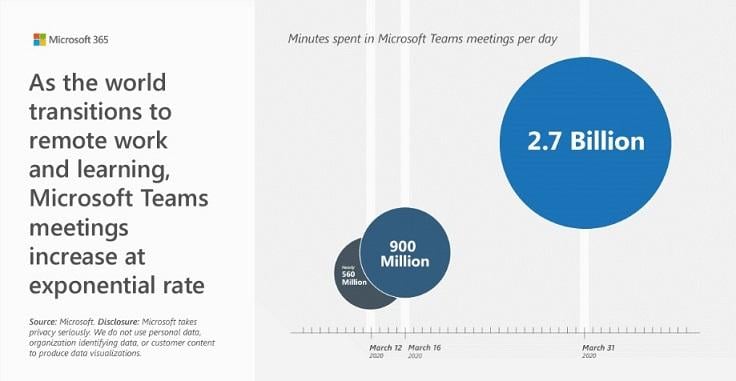
Image Source The positive aspect is that best practices for marketing meetings are generally consistent, regardless of whether they are held in person or virtually. Here’s a detailed guide on how to ensure your marketing meetings are impactful and engaging, so no one ever longs for an email instead.
Enhancing All Marketing Meetings
The initial set of suggestions will enhance the effectiveness of your marketing meetings—whether they are conducted in person, online, or with a blend of attendees.
1. Identify the Essential Attendees
According to Lee Gimpel, who established Better Meetings, a firm specializing in meeting design, facilitation, and training, a crucial initial step in organizing a productive meeting is ensuring the right individuals are invited. Ideally, this involves including key decision-makers without casting too wide a net, which can lead to wasted time and company resources for those who don’t need to be present.
“Consider inviting people to a meeting like packing for a journey,” he advised. “When packing, we lay out what we believe we’ll need, then ruthlessly eliminate anything unnecessary or redundant. The same applies to effective meetings: Excess baggage in the room only slows you down.”
Additionally, similar to Amazon’s renowned two-pizza rule—where meetings are limited to the number of people two pizzas can feed—Vince Fishbone, head of marketing at Kingpin Private Browser, suggests keeping participant numbers around five to ten.

Simultaneously, Sam Harrison, the author of Creative Zing, IdeaSpotting, and IdeaSelling, emphasizes the importance of diversity among attendees. This includes factors such as age, gender, skills, job positions, and backgrounds to foster a variety of viewpoints.
“The same individuals consistently generate the same ideas,” he added.
2. Define the Meeting’s Objective
Another crucial initial step is establishing the meeting’s objective. This helps avoid those dreaded gatherings that could have been a simple email.
“A common marketing meeting pitfall is overloading the agenda,” Gimpel noted. “Trying to cover too much ground prevents adequate time for any single issue. However, streamlining and focusing on what’s truly important leads to a more productive meeting and a greater chance of feeling like your time was well-spent.”
Defining a purpose can also help eliminate unnecessary recurring meetings.
“For instance, a weekly status update isn’t a purpose; it’s an occasion that often devolves into a dull checklist of to-dos,” Maria Vorovich, founder of the consultancy Goodques, pointed out.
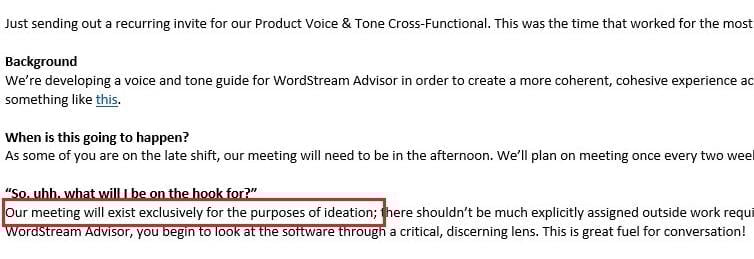
A classic example of an effective meeting invitation, outlining all the necessary details, including the purpose. After determining your meeting’s objective, ensure all participants are aware of it beforehand.
“Specify whether the topic’s purpose is to disseminate information, gather input for a decision, or make a decision,” advised digital marketing strategist Muhammad Mateen Khan. “Effective participation is challenging when team members are unsure if they should simply listen, provide feedback, or engage in decision-making.”
3. Articulate Meeting Goals
To conduct effective meetings, Gimpel emphasizes the importance of clearly outlining goals for each meeting, going beyond the initial purpose. He elaborates:
“Without a clear understanding of why you’re meeting, it’s difficult to assess if your time was well-spent. A simple statement at the top of your agenda or in your calendar invitation goes a long way.”
This also enables attendees to prepare and helps maintain meeting focus.
“After countless meetings, I realized the purpose wasn’t always evident,” shared Neal Taparia, co-founder of the business incubator SOTA Partners. “Now, every meeting invitation must state the goal and desired outcome. For example, regarding a recent SEM campaign, we needed to determine why ad copy changes didn’t improve click-through rates, so our stated goal was to diagnose and address this issue.”
4. Craft a Comprehensive Agenda
With a defined purpose and goals, the next step is creating an agenda, which Gimpel describes as a roadmap for achieving meeting objectives.
When selecting discussion points, Domantas Gudeliauskas, a marketing manager at website builder Zyro, suggests ensuring they directly relate to KPIs.
“This maintains focus and encourages actionable discussions that impact performance,” he added.

Afton Brazzoni, founder of the marketing and communications studio Scribe National, recommends soliciting agenda contributions from attendees beforehand.
Mateen Khan suggests framing agenda topics as questions for attendees to answer.
“A question prompts better preparation and allows team members to track their progress and that of others,” he noted.
Biland Sadek, regional commercial director for MEA and duty-free at tobacco company Philip Morris International, also advocates for using questions to enhance meeting effectiveness.
“For instance, instead of a vague topic like ‘Miscellaneous Updates,’ I’d rephrase it to ‘What crucial information does each of you have to share or need from one another?’” he explained. “Formulating these questions beforehand helps determine attendees and required time, leading to greater focus, engagement, and ultimately, improved meeting performance.”
Regarding structure, Nate Nead, CEO of content marketing and link-building firm SEO.co, prefers the Entrepreneurial Operating System’s Level 10 meeting structure, popularized in Gino Wickman’s book Traction.
This framework, he explains, ensures the meeting prioritizes items most relevant to the organization’s broader objectives.
“Perhaps what I appreciate most about the Level 10 meeting process is its adherence to the mantra, ‘When performance is measured, it improves. When it’s measured and reported back, the improvement rate accelerates,’” he added.
5. Disseminate the Agenda in Advance
After finalizing the agenda, distribute it to attendees early, allowing ample time for review.
“Sharing the agenda … enables the team to review background materials and gather initial thoughts on each item beforehand,” Mateen Khan explained.
Additionally, Spencer Grover, a senior product marketing manager at sales onboarding and training software LevelJump, highlights that this proactive approach prevents wasted time getting everyone on the same page during the meeting.
This advanced distribution also allows for pre-meeting feedback from attendees, according to Brazzoni.
Furthermore, it provides an opportunity for attendees to propose their own topics, fostering more interactive meetings, according to Angela Ash, a digital marketing specialist at the commercial real estate sales platform UpFlip. She elaborates:
“This cultivates a sense of investment in the ensuing discussions among all participants.”
This is particularly crucial when attendees need to present data, a common requirement in many marketing meetings.
“Analyzing results is impossible without metrics,” emphasized Tom De Spiegelaere, founder of the affiliate marketing firm Tom Spicky. “Your team should be prepared to present data such as conversion rates, search engine rankings, leads generated, and other vital information.”
6. Designate a Facilitator
At some point, you’ll need to determine who will lead the meeting. Ideally, this individual possesses strong processing skills and can effectively manage situations where multiple attendees wish to speak simultaneously, according to business profitability expert Shel Horowitz.
Furthermore, Mateen Khan advises the meeting host to assign responsibility for leading each agenda topic.
“Often, someone other than the formal meeting leader is best suited to guide the discussion on a particular agenda item,” he explained. “This person might provide context, explain data, or have organizational responsibility for that area.”
7. Reconsider Lengthy Meetings
This is paramount for marketing meetings: Always strive for the shortest possible duration. Most importantly, this helps prevent boredom and, worse, frustration among attendees.
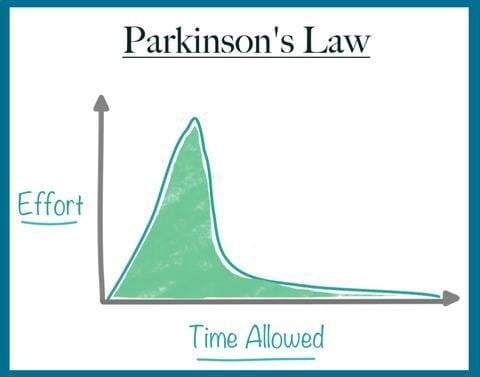
Craig Griffiths, director of internet marketing company SearchUp, cites Parkinson’s Law, which states, “Work expands to fill the time available for its completion.”
In other words, scheduling a two-hour meeting will inevitably lead to attendees finding ways to fill that time, regardless of relevance or productivity.
“Shorter meetings, such as 30 minutes, encourage a laser focus on the most critical aspects due to the inherent time constraint,” he added.
Start by assigning realistic time estimates for each agenda item.
This allows the meeting planner to calculate the overall time required and enables attendees to tailor their comments accordingly or suggest additional time if needed, according to Mateen Khan.
During the meeting, Horowitz suggests the facilitator designate a timekeeper to alert the group when time allocated for a specific topic has elapsed. “If discussion is incomplete, attendees should decide whether to allocate a few more minutes immediately, revisit the topic later, or conclude the discussion,” he added.
This also empowers the facilitator to steer the conversation back on course if it veers off-topic.
However, if a meeting is inherently lengthy, Horowitz recommends incorporating stretching breaks at intervals, such as every 30 to 40 minutes.
Regarding timing, Brazzoni advises against lunch meetings; if unavoidable, provide food or allow attendees to bring their own.
“Hunger and uncertainty don’t foster productivity or enjoyment,” he added.
8. Allocate Time for Brainstorming
Marketing meeting agendas, in particular, should incorporate dedicated brainstorming time.
Morgan Taylor, CMO of financial services firm LetMeBank, emphasizes that this allows attendees to share ideas and feedback.
“You never know when a fresh perspective will illuminate something everyone else overlooked,” he noted.

However, it’s equally important to include time for individual reflection.
“We’ve all experienced meetings where someone solicits thoughts or ideas from a group, only to receive lackluster results,” Gimpel observed. “A simple yet effective tweak is asking everyone to spend a minute—a full 60 seconds—jotting down ideas individually before sharing with the group.”
This moment of reflection typically yields more ideas of higher quality compared to simply opening the floor and seeing what emerges, he added.
9. Ensure Equipment Readiness
This tip is straightforward and likely resonates with everyone. We’ve all encountered meetings delayed by technical difficulties. To avoid this, Brazzoni recommends the meeting organizer arrives early to set up the necessary equipment, ensuring a punctual start.
10. Optimize Slide Legibility
Remember that text-heavy slides can be challenging to read, distracting your audience.
Taparia’s suggestion is to limit slides to 60 words each.
“We realized that during marketing presentations, people often struggle to process lengthy text on slides, diverting their attention from the speaker,” he explained. “Now, we ensure slides have minimal text and prioritize visuals, leading to a more engaged audience.”
11. Establish Next Steps Before Concluding
Besides purpose, goals, and an agenda, each meeting should culminate in an action plan.
“Many meetings squander potential success by lacking a concrete plan for next steps, despite seemingly productive discussions,” Gimpel noted. “A simple trick is adding an ‘Action Items’ section at the end of the agenda, reminding everyone that the meeting isn’t over until decisions are made or tasks are delegated.”
This also fosters accountability among attendees, as it’s clear who’s responsible for what.
Andrew Lamping, CEO of social media marketing agency Cyclone Social, even recommends attendees verbally confirm their assigned action items at the meeting’s conclusion.
“Without establishing an action plan, you’ll find yourselves revisiting the same issues and conclusions from previous meetings, wondering why nothing gets implemented,” Taylor cautioned. “A marketing meeting devoid of an action plan is merely a social gathering.”
Enhancing Virtual Marketing Meetings
While best practices for virtual meetings encompass all the points mentioned above, a few additional tips can ensure success.
12. Encourage Camera Usage
Start by encouraging, or even mandating, attendees to activate their cameras.
“Being able to see each other is beneficial,” Grover noted.
Allie Danziger, president of Integrate Agency, sends reminders to ensure attendees are prepared to be on camera.

Syed Irfan Ajmal, founder and managing director of digital marketing and e-learning firm SIA Enterprises, adds that this helps maintain meeting decorum.
“Just like you wouldn’t show up to an in-person meeting in your pajamas, virtual meetings require understanding and adherence to established rules and responsibilities for effectiveness,” he explained.
Norhanie Pangulima, a content ambassador at the relationship site Hernorm, highlights that visible participants allow the meeting organizer to gauge reactions and facilitate better communication.
13. Prioritize Camera Eye Contact
Maintaining virtual eye contact is crucial, which involves looking directly into the camera as often as possible, according to Sadek.
14. Practice Microphone Etiquette
Given the different dynamics of a virtual environment and the potential for audio distractions from multiple speakers or background noise, Brazzoni recommends muting yourself when not speaking as a best practice.
15. Minimize Multitasking
Despite the allure of checking emails, Slack messages, or your phone, Amir Shahzeidi, digital marketing manager at the video-on-demand platform Uscreen, advises against multitasking during virtual meetings. It disrupts the flow of conversation and increases the likelihood of missing vital information.
“Avoiding multitasking during video calls is paramount,” he emphasized. “Actively listen to your team and contribute your insights.”
16. Leverage Technology Platforms
Numerous technological tools can streamline virtual meetings.
An online work management tool like Asana can effectively centralize marketing pipelines and meetings.
“I rely on Asana to keep our projects organized and on track. Utilizing a work management tool for status check-in meetings or daily standups is seamless,” shared Erik Rivera, CEO of the online mental health platform ThriveTalk. “If you’re familiar with your chosen workflow tool and its projects, a separate agenda becomes unnecessary—simply use the list, board, team member, or preferred view as your agenda to review projects within the marketing pipeline.”
Shahzeidi recommends online collaboration boards.
“We leverage [collaborative whiteboarding platform] Miro for virtual collaboration, allowing everyone to contribute and brainstorm, from wireframing new page designs to planning content marketing strategies and managing teams,” he added.
In addition to the popular video communication platform Zoom, Sadek suggests utilizing Zoom’s breakout rooms to foster greater interactivity.
“[Breakout rooms] allow you to instantly divide participants into smaller virtual chat rooms before seamlessly bringing everyone back to the main meeting with a single click,” he explained.
17. Implement Password-Protected Meetings
Conducting virtual meetings in password-protected rooms is crucial.
“Numerous reports highlight hackers infiltrating virtual meetings of remote teams,” cautioned James Miller, CMO of the online publication Minuteman Review. “Therefore, organizations must exclusively use password-protected sessions for every meeting to bolster security. Otherwise, marketing teams risk jeopardizing their privacy by conducting unprotected sessions within online meeting rooms, potentially exposing sensitive and confidential information.”
18. Record Virtual Meetings
One advantage of virtual meetings is the ease of recording, a practice marketers should strongly consider.
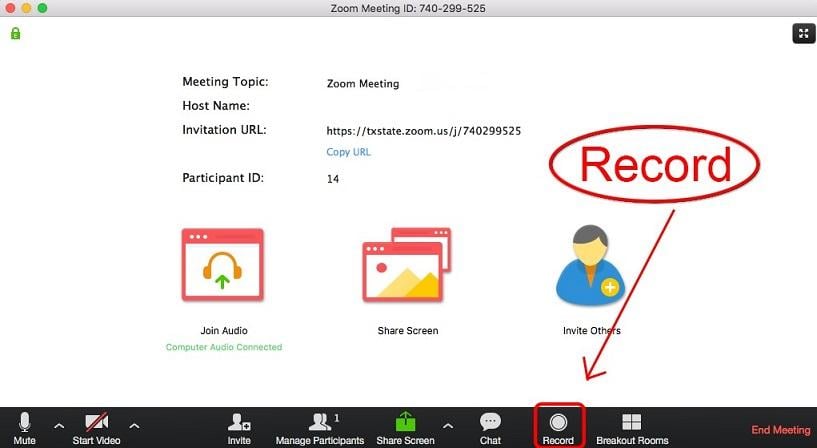
Recording is straightforward on Zoom and other similar platforms. “As a manager, recording meetings can help you enhance efficiency and inspire your team,” said Joaquim Miro, founding partner and chief growth officer at the social VR application Hoppin World. “It also promotes accountability for both you and the team.”
Agnieszka Kasperek, CMO of the project management and automation tool Taskeo.co, agrees that maintaining digital records, including recordings, notes, files, and screenshots, contributes to more efficient marketing meetings.
However, ensure all participants are informed beforehand about the recording and how it will be shared and accessed.
19. Conduct a “Meeting About Meetings”
Finally, for both in-person and virtual meetings, consider stepping back to evaluate your overall approach to meetings.
Ethan Taub, CEO of financial institutions Goalry and Loanry, recommends a “meeting about meetings” to determine if existing meetings should be retained, eliminated, or combined with others.
“While this initial assessment might take an hour, it can save countless hours in the long run,” he explained. “It’s advisable to revisit this exercise every six months to address any meeting creep that may have occurred.”